


Introduction
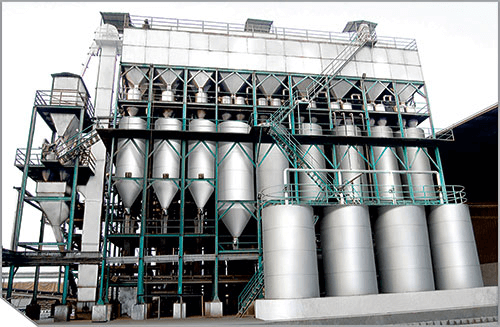
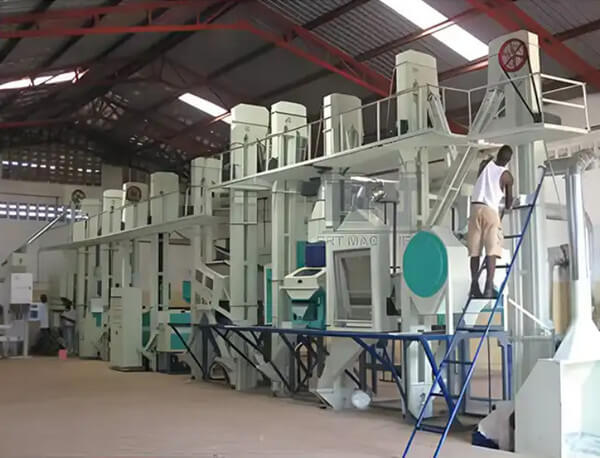
Are you still using traditional methods to process your grains? They are not only time-consuming and labor-intensive, but also have a high breakage rate, resulting in a sharp profit drop. So why not choose a more efficient rice milling machine? This article will introduce the relevant content of rice milling machines. It covers types of machines, rice milling processes, how to choose a suitable rice milling machine, and the prospects of the rice milling business.
Types of Rice Milling Machines
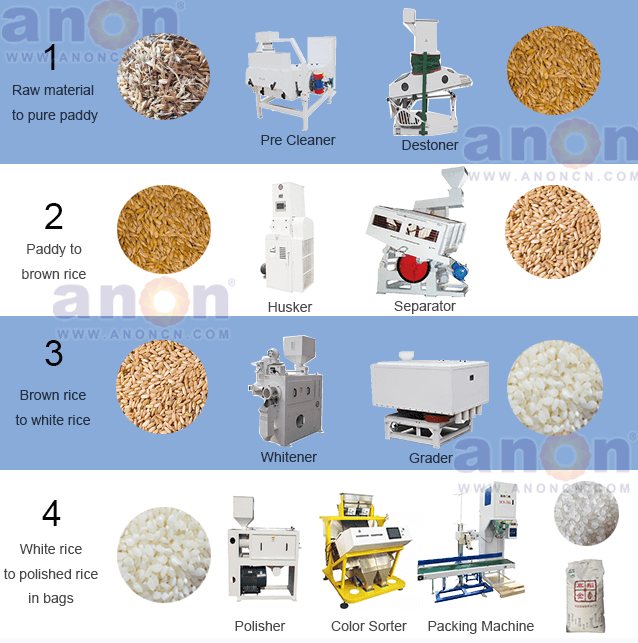
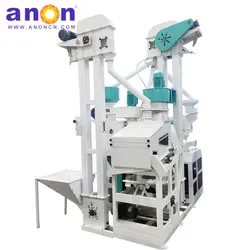
Rice milling machines process grain into white rice. After cleaning, shelling, whitening, and other processes, we finally get the rice we eat. These machines can help you greatly improve production efficiency and produce high-quality rice. So, what types of rice milling machines are there? I will introduce them to you one by one.
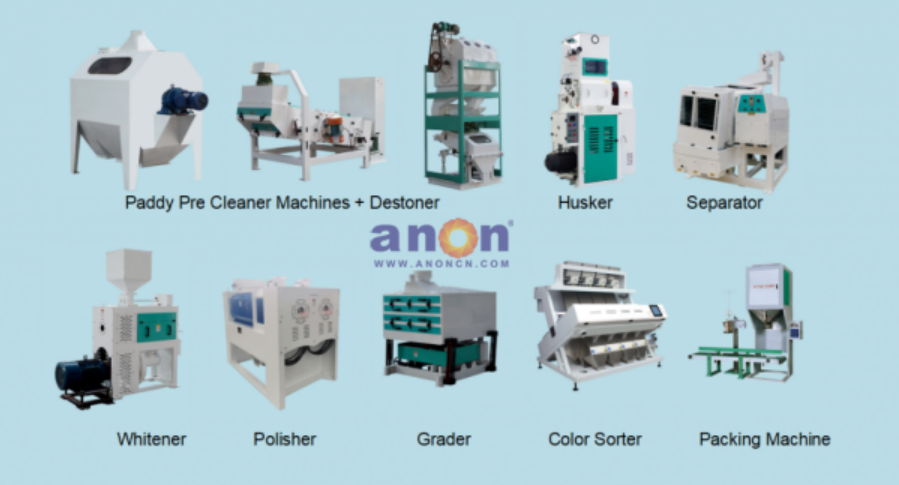
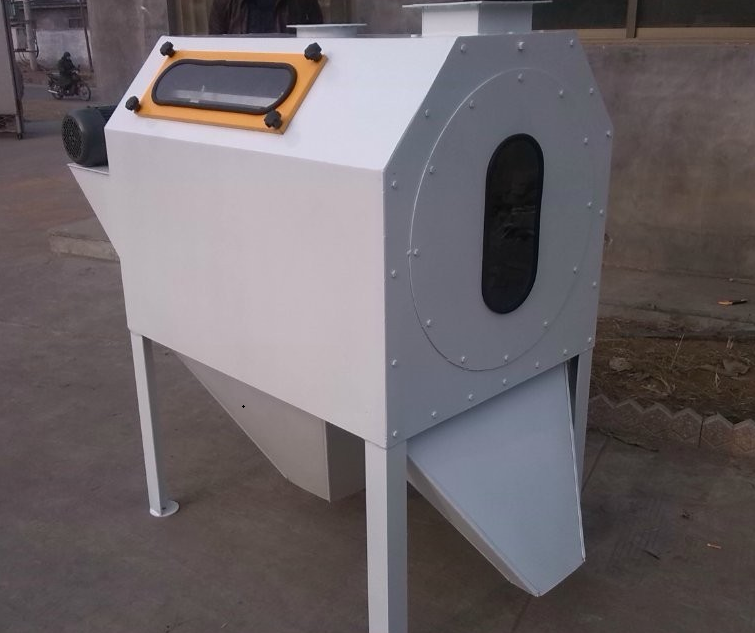
Rice cleaning machine
The cleaning machines primarily remove impurities and clean grains. They can help clean the straw, stones, dust, and other impurities from the raw grains. Keeping the grains clean and facilitates subsequent processing.
Husker machine
The husker machine shells the cleaned grains by removing the husks. It separates the husks from the rough mixture, reducing damage to the grains and maintaining the integrity of the brown rice.
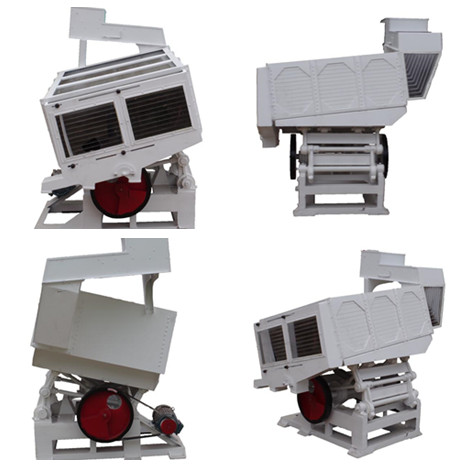
Paddy separator
The paddy separator can help you separate brown rice from the brown rice mixture. It also separates the rice and brown rice mixture for your further processing. The rice can be returned to the rice husker for another husking, and the rice-rough mixture is returned to the rice-rough separation screen for a second round of separation.
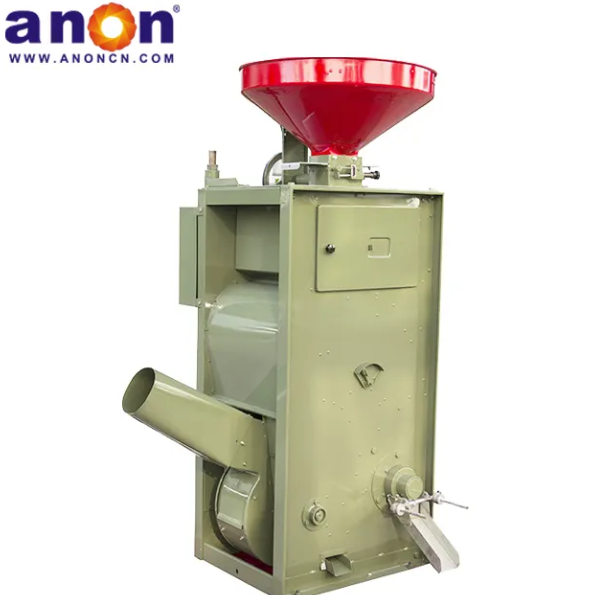
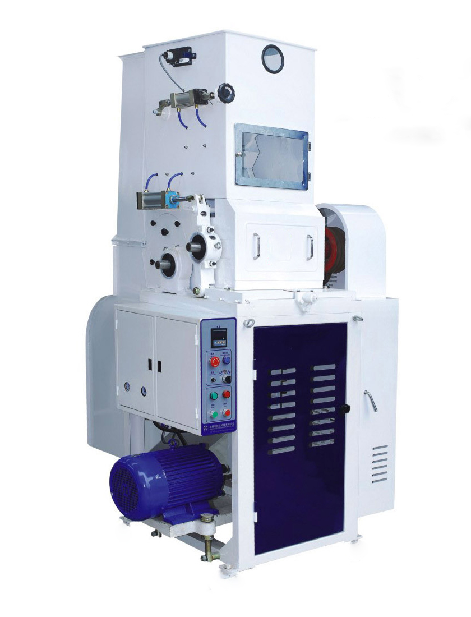
Rice whitener machine
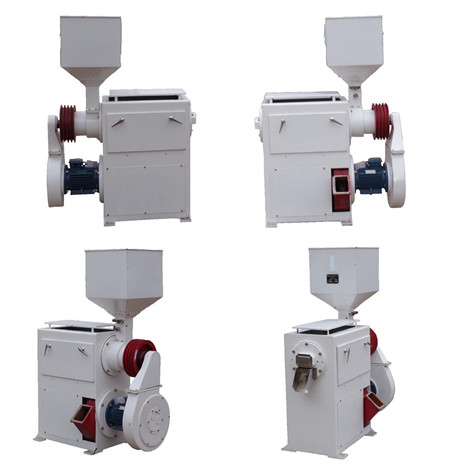
Rice whitener
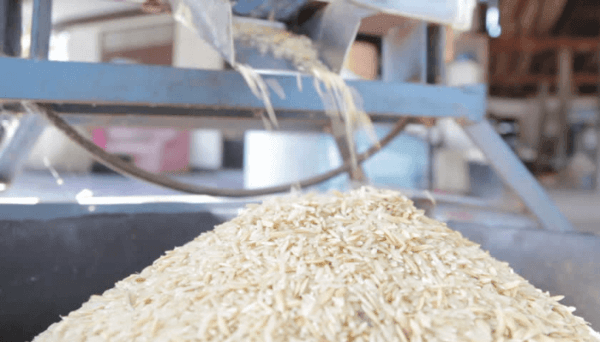
In order to obtain white rice, we must mill the rice. The rice whitener can complete this key step for you. It removes the bran layer of brown rice through mechanical grinding and finally obtains bright and white white rice.
Rice grader
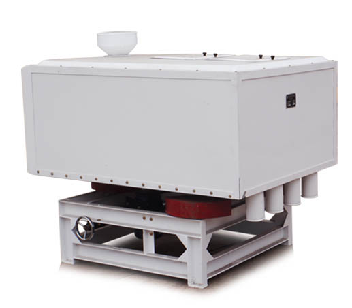
There will be some broken rice after milling, so you need a rice grader to grade the rice. It can help you divide the rice into whole rice, large broken rice, medium broken rice, and small broken rice. Separating the broken rice can help you improve the quality of rice and prevent the broken rice from mixing with the whole rice and affecting the quality of the rice.
Color sorter
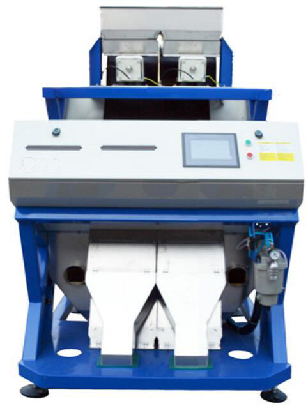
The color sorter is a machine that uses advanced photoelectric technology to sort out particles of different colors. It can further help you improve the quality of rice, remove some different colors and imperfect particles, and achieve the effect of removing impurities.
Rice polisher
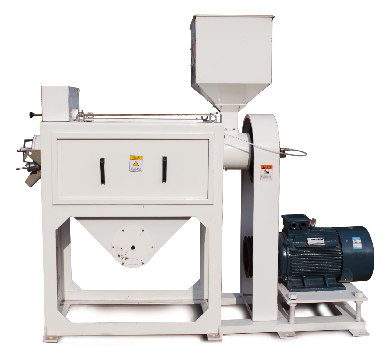
Polishing machine can make your rice quality even better. Polishing makes the surface of rice grains shiny, resulting in a finished product that is crystal clear. This is because it removes the floating bran and achieves the effect of starch pre-gelatinization on the surface of rice during the polishing process. It makes up for the cracks in rice and improves their appearance, the commercial value and storage performance of rice.
Rice packing machine
After finishing the process, it comes to the rice packing machine. The quantitative packaging scale can automatically weigh and package your rice. You can use a computer to controll the whole process. The weighing is accurate and fast, helping you save manpower.
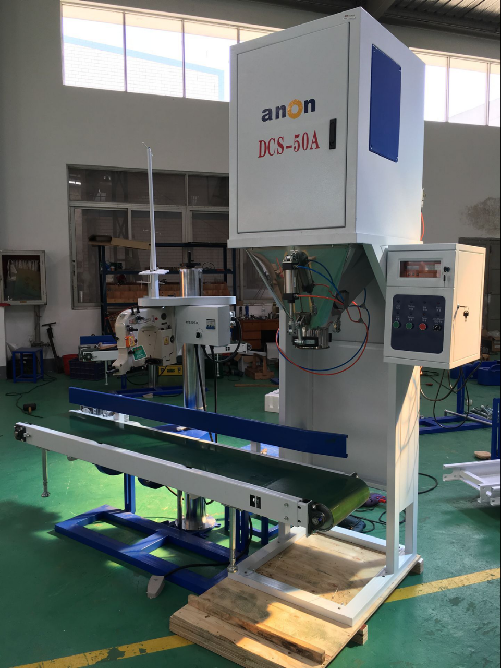
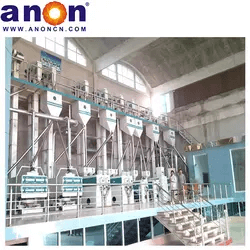
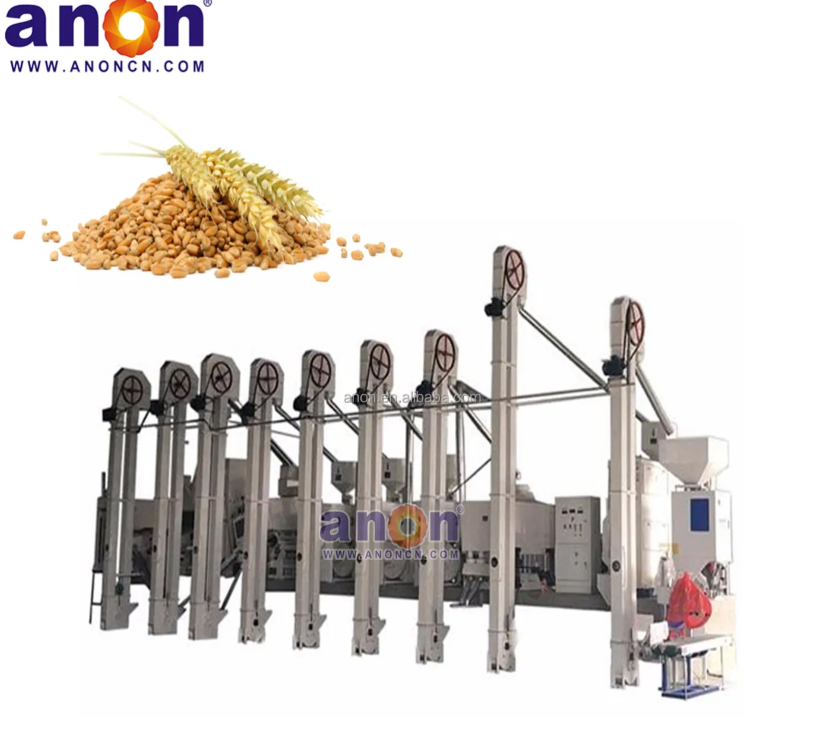
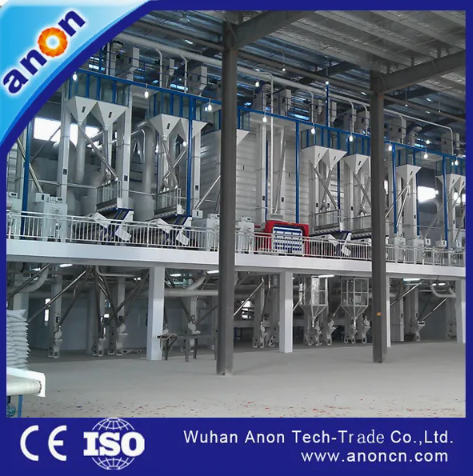
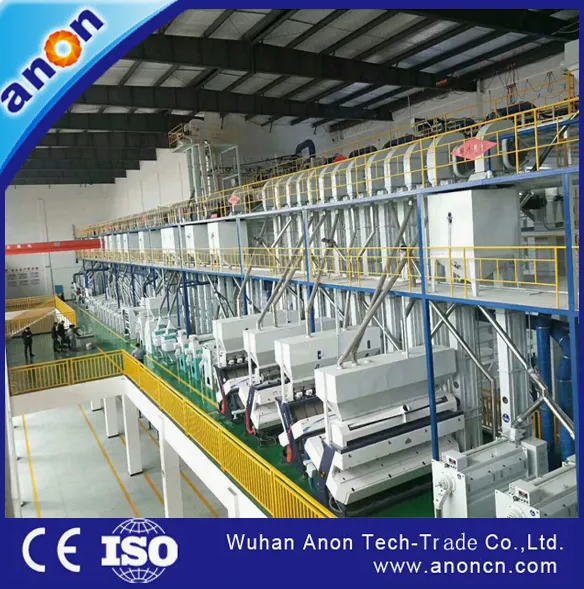
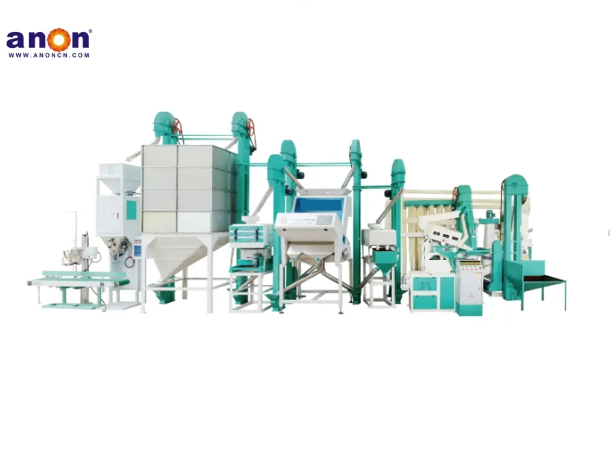
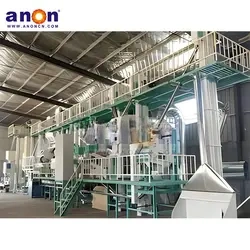
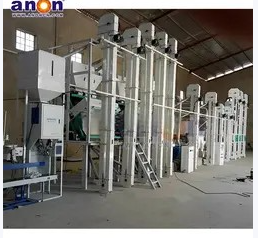
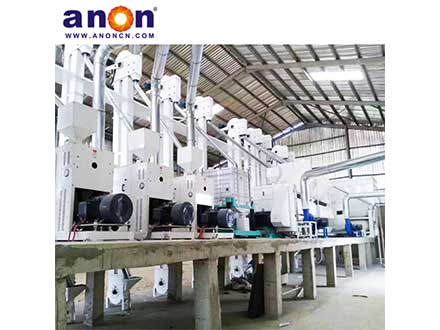
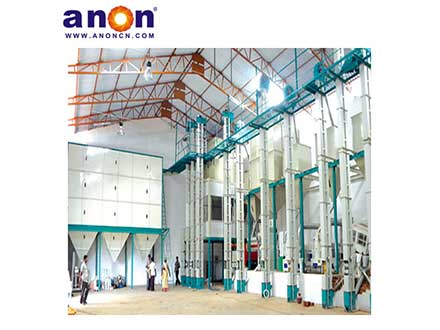
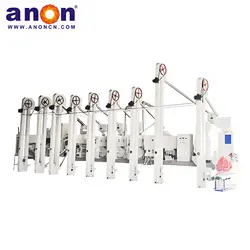
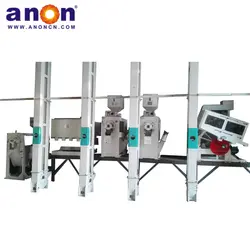
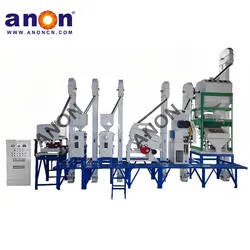
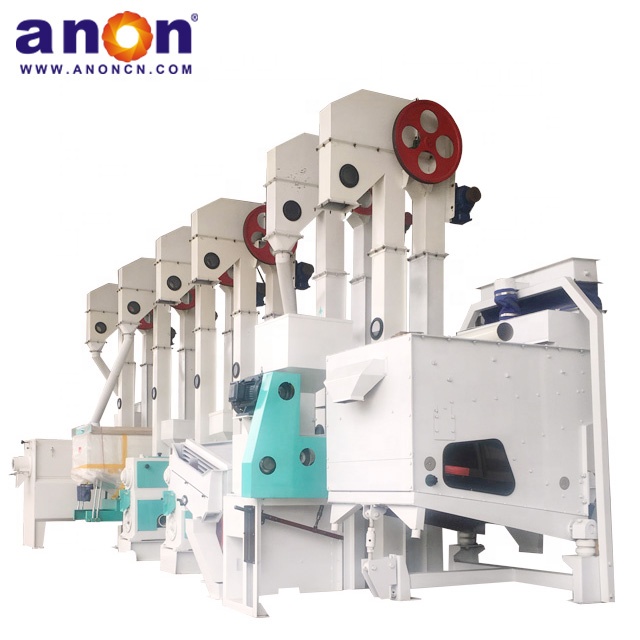
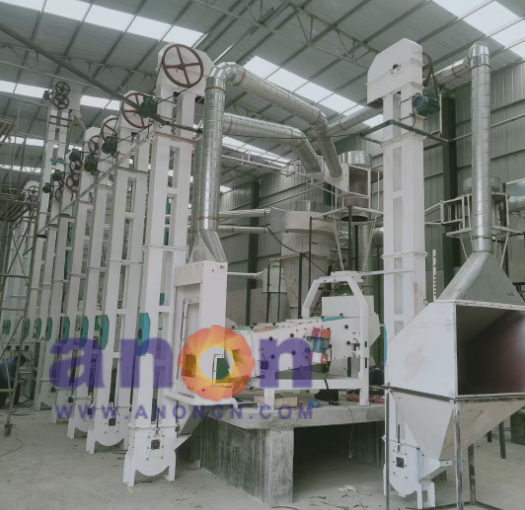
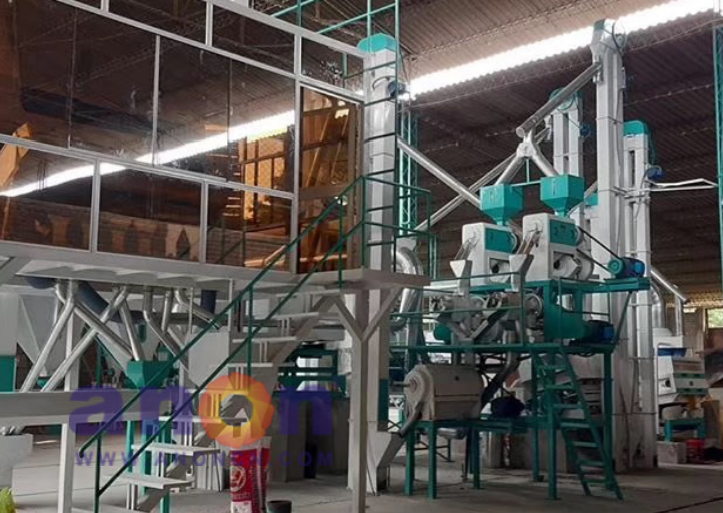
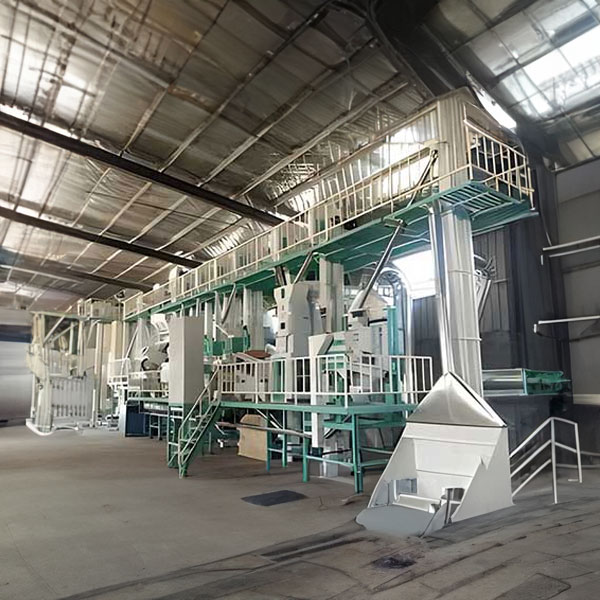
The above machines are what you will use in the rice production line. You can combine rice mills and production lines with different outputs according to your needs.
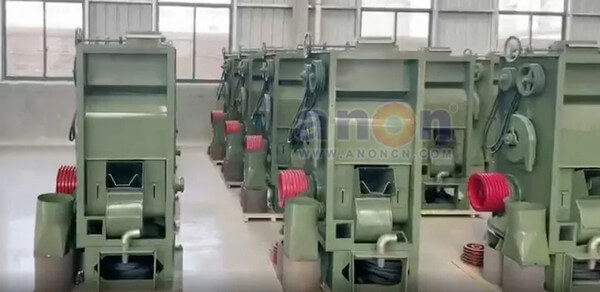
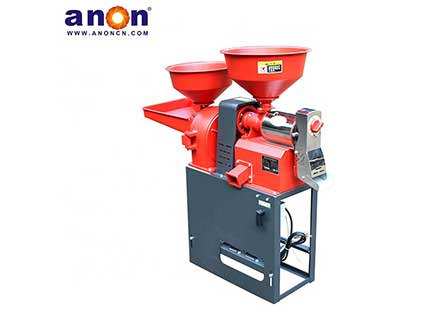
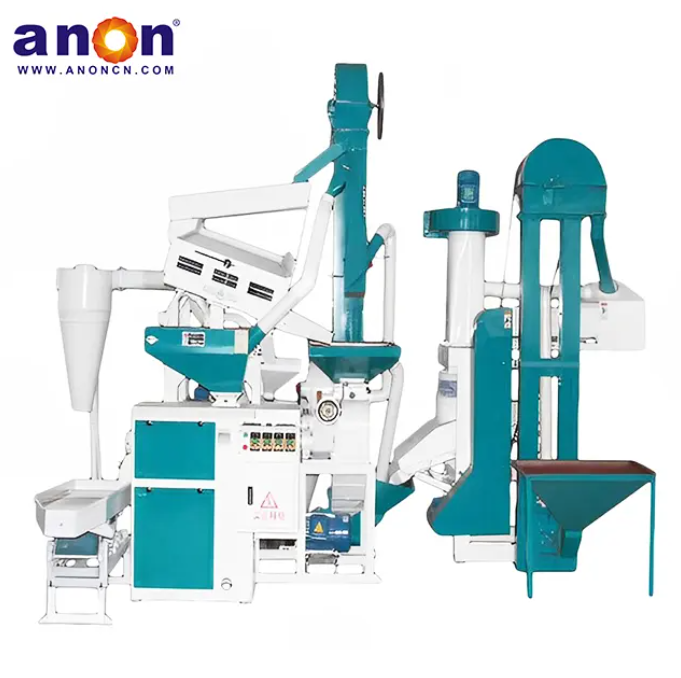
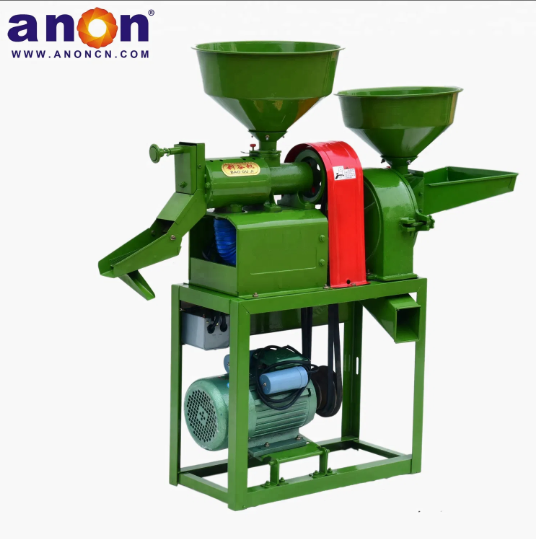
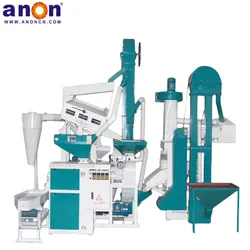
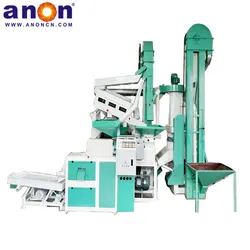
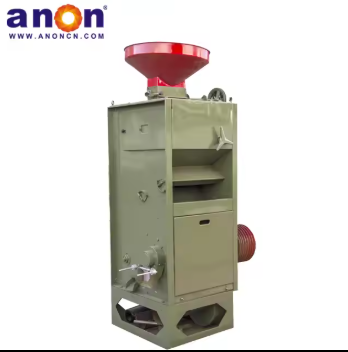
Finally, we have our small household rice mills. They are cleaning, husking, and whitening machines that are powerful but small in size, making them ideal for customers who need to process small quantities of rice.
Rice Mill Process
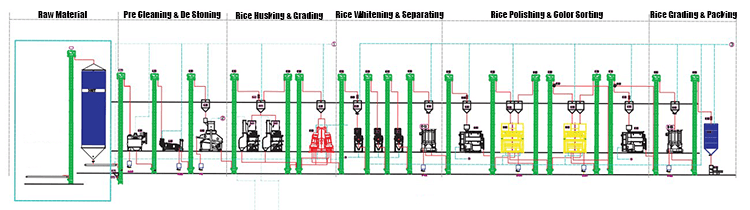
After a brief introduction to these machines, I will introduce you to the process of rice processing in these machines. It is worth noting that in the entire rice production line, each stage to the next one requires an elevator to help transport in order to achieve automated production.
Cleaning
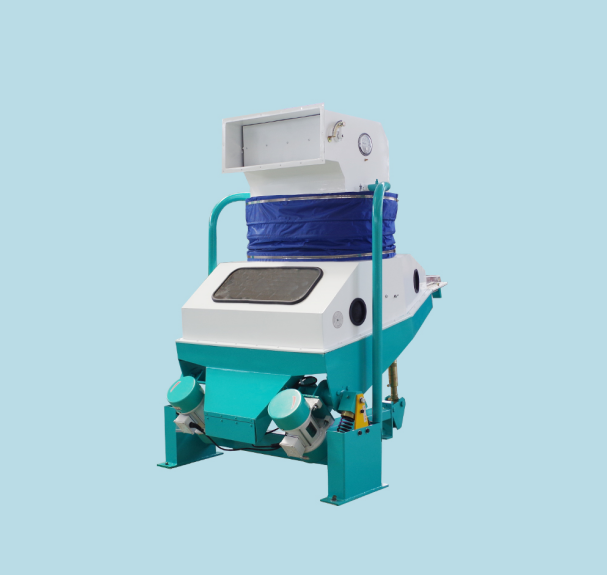
The elevator transports the rice from the feed pit to the cleaning stage. There are many types of machines for cleaning raw grains. The cleaning screens are equipped based on the daily amount of rice to be produced. There are cylinder initial cleaning sieves, flat rotary screens, vibrating cleaning screens, and specific-gravity stoners. The specific gravity stoner is necessary because stones are very harmful to the machine, especially in the subsequent shelling and whitening stages, and the rice we produce cannot contain stones either, which will greatly affect consumption. So this machine is indispensable in your production line. The first three cleaning screens can match the stoner based on the production line’s output. In the first step of cleaning, some large and fine impurities are first cleaned out by the different sizes of the sieve apertures and the movement of the sieve body, and then enter the specific gravity stoner. The stone removal effect is achieved by the method of sieve vibration and suction, and the effect of the scale plate.
Husking
After cleaning, the elevator transports the cleaned rice to the rice husker for husking. After entering the rice husker through the feed port, the rice slides along the flow plate into the gap between the rubber rollers for husking. This pair of rubber rollers is the main component of the husker. They rotate in opposite directions, one fast and one slow, and under the action of pressure, they cooperate to rub and squeeze the rice to achieve the husking effect. After husking, it falls into the husk separation type. Suction removes the light husk, separating it from the rice-rough mixture.
Paddy separating
The rice-rough mixture will be sent to the paddy separator for rice-rough separation. The machine uses its tilting and reciprocating motion to automatically classify the rice-rough mixture based on the different particle sizes and specific gravities. The separated rice will be brown rice, rice-rough mixture, and paddy rice in turn. The separator will separate the rice-rough mixture again, and the paddy rice will return to the rice huller for further hulling. It has multiple layers of screens inside, and the output is determined by the screen area and the number of screen layers.
Whitening
After entering from the feed port, the brown rice is transported to the whitening chamber by the propeller, where the air volume and pressure suspend it. With the repeated grinding between the rice grains and between the rice grains and the working parts, the brown rice is milled into white rice.
Grading
The whitened rice is further graded by a white rice grader. It uses sieves with holes from large to small, from top to bottom, to classify the white rice into whole rice, large broken rice, medium broken rice, and small broken rice according to the size of the white rice particles. You can perform different treatments based on the conditions of the separated rice, and the whole rice will follow us into the next stage.
Sorting
The elevator sends the white rice to the feed port. A vibration device will accelerate the rice to slide down the channel and fall into the observation area of the sorting room. It uses photoelectric technology to identify the rice. The ones that do not meet the requirements are blown out by the solenoid valve driven by the system transmission signal according to the pre-set parameter standards. There are different receiving hoppers to divide them into primary finished products and primary defective products. The primary defective products will enter the secondary color sorting area and finally obtain the secondary finished products and final waste. The secondary finished products will return to the original grain for another color sorting to ensure the quality of the rice to the greatest extent.
Polishing
The rice flows down from the feed port into the polishing chamber. At the same time, there is a water inlet flow meter to transport water to the nozzle, forming water mist in a high-pressure environment and entering the hollow main shaft. The water mist passes through the main shaft and the polishing roller to mix with the rice and adheres to the surface of the rice grains. Under a certain temperature and pressure, the polishing machine rubs the surface of the rice grains.
Packing
The packing machine receives the processed rice and automatically packages it by quantitatively weighing each bag, completing the whole process.
How to Select Your Rice Mill Machine
Types
First of all, you need to know what type of rice mill you want and the rice milling effect you want to achieve. Different types of machines differ in terms of floor space, price, and processing capacity, which can quickly help you locate the product you need.
Rice mill capacity
Secondly, you need to determine the amount of rice you want to produce every day. Since the same type of machine has different outputs, this can help you quickly determine the capacity of the machine you need to purchase.
Budget
Thirdly, you must fully consider your budget. We hope to provide every customer with machines that offer the best value for money in terms of functionality and capacity within that budget.
After-sale service
Finally, you need to consider some things you will need after buying the machines. The availability of replacement parts is a problem you may encounter in the subsequent use of the machine.
Common Problems of the Rice Mill Machine
Too much broken rice
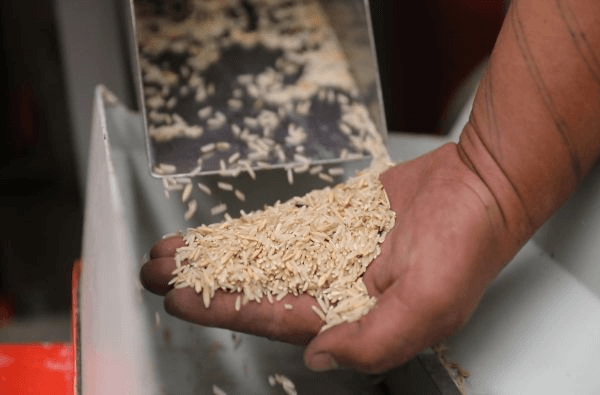
I believe you must be very concerned about the broken rice rate of the machine, because it directly affects your final output. So, how to control the broken rice rate?
First of all, before processing, you need to classify the rice and process it according to the type, moisture content, freshness, etc., especially to control the moisture content of the rice. When the moisture content exceeds 15%, it will increase the broken rate; secondly, check whether the gap between the rubber rollers of the husker and whitening gap is reasonable or not. If you set the gap too small, it will cause more broken rice. Finally, you should properly control the feed amount to reduce the pressure in the rice milling chamber. The residence time of the grains in the rice whitening chamber will also affect the broken rice rate.
The machine is blocked
During the rice processing, you may encounter the problem of the rice mill being blocked. At this time, you can check :
- Whether the feed volume at the feed port is too large or the discharge port is blocked by rice bran.
- Whether the roller and rice knife are worn too seriously.
- Whether the transmission belt of the whole machine works smoothly during operation.
- Whether the moisture content of the rice is too high, etc.
Low rice milling precision
If the rice milling precision is low, check if the rice knife is too worn or the feed amount is too small, and adjust accordingly.
Maintenance
After processing, we need to clean and maintain the machine, which can extend its service life and ensure the quality of rice processed each time.
Screen
When cleaning the screen, we need to brush it lightly instead of hitting it with hard objects. If the screen surface is damaged, replace it in time. Use a wire brush to clean the screen plate of the stone remover.
Rubber Rollers
After hulling, some husks and other impurities may remain on the rubber rollers. You can rinse them with clean water or brush them with a soft brush.
Whitening Rollers
The roller of the whitener is a component that is prone to retaining impurities. Clean the roller with a hard brush when the amount of processed rice reaches a certain level. If the roller is severely worn, it will affect the rice milling effect. At this time, you need to replace it regularly.
Bearings and Belts
All bearings on the machine also need frequent cleaning and lubrication with lubricating oil to ensure normal operation. Regularly check the belt tension and replace it promptly if severe wear is found.
Other vulnerable components
You need to regularly check some other vulnerable parts of the machine, such as the rice screen and rice knife of the rice whitener, for looseness and wear, and replace them in time to avoid affecting the rice milling effect.
Rice Mill Business
Market
There are more than 3.5 billion people in the world who rely on rice as their staple food, especially in some rice-consuming countries, such as China, India, Bangladesh, etc. The market is very large. With the improvement of people’s living standards, the demand for high-quality rice is also increasing, and the market demand is endless.
Profit
First of all, rice raw materials have a stable cost price, and the costs of purchasing and maintaining rice milling machines are also relatively low. While processing high-quality rice, we suggest that you establish your own brand and provide products that meet market demand, with the addition of brand marketing, and the profits will be considerable.
National policy support
Many countries have support policies for agriculture. You can learn about some relevant policies in your own country, which can help you reduce the cost of starting a business and follow the government’s pace to promote the development of your own industry.
Conclusion
By reading this guide, I hope you will have a deeper understanding of rice milling machines, rice milling processing, and the rice milling industry. The prospects of the rice milling industry are bright. ANON agricultural machinery can provide you with a one-stop solution. Supporting your rice milling business is our eternal cause.
FAQ
1.How much power does a rice milling machine use?
Mechanical energy requirement varies from 18 to 55 kWh/t in different types of rice mills. While the energy consumption in modern rice mills generally varies from 18–26 kWh/t for raw and 20–30 kWh/t for parboiled paddy, sheller and huller mills require higher energy.
2. What is the recovery rate for rice milling?
The maximum milling recovery is 69-70%, depending on rice variety, but because of grain imperfections and the presence of unfilled grains, commercial millers are happy when they achieve 65% milling recovery. Some village-type rice mills have 55% or lower milling recovery.
3.Why is it important to dry the rice before milling?
Proper drying technique to reduce moisture content in rough rice is a key factor in improving milling quality. Sun drying usually increases the broken rice percentage if the drying lasts the whole day. If the grain temperature gets too high, it will reduce the rice recovery.
4.How long do rice makers last?
About 60% of the respondents answered that the appropriate number of years to replace a rice cooker is 7 to 10 years. Once you purchase appliances, you may need to replace parts to ensure their normal operation.