


Introduction
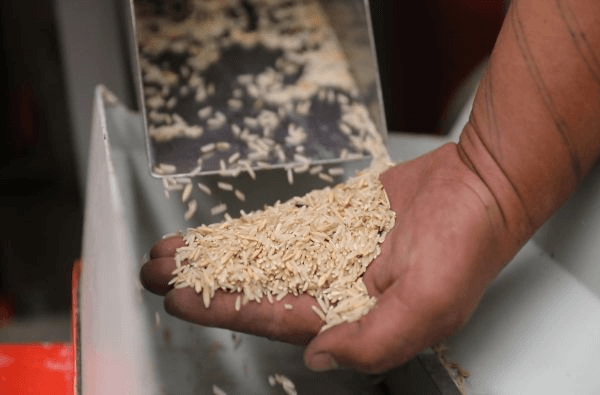
Unlike crops such as tomatoes and apples, which can be eaten soon after harvest with little processing, rice needs to go through several processing stages before it becomes the white rice we commonly eat.
Although rice processing methods have evolved across different regions and periods, the basic goal remains the same: separate the edible rice grain from the harvested crop and prepare it for consumption. Traditional rice processing methods relied heavily on manual labor and simple tools, while modern rice milling uses specialized machinery to improve efficiency, remove impurities, control broken rice, and achieve consistent rice quality.
This article will explain the complete rice processing workflow, from harvesting and threshing to husking, rice milling, and final grading. You will learn the purpose of each processing step, how traditional methods differ from modern rice milling, and how a rice milling plant operates. If you plan to start or upgrade a rice milling business, you will also learn how to choose suitable rice milling machines based on your rice type, target quality, processing capacity, and budget.
From Rice Cultivation to Harvesting: Preparing Paddy for Processing
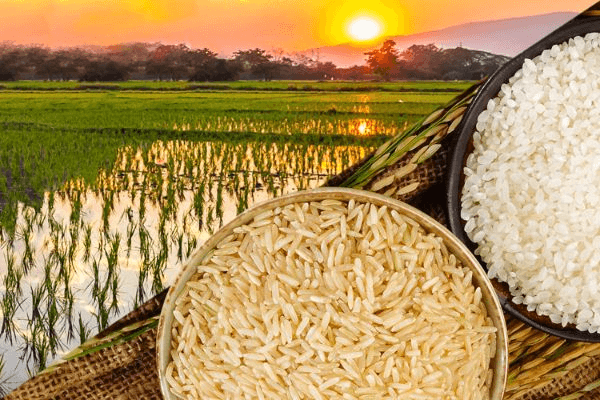
Rice production begins with cultivation and ends with harvesting before the grain enters the milling process. The quality of the harvested paddy and how it is handled can affect the efficiency of later processing.
Rice Cultivation: Direct Seeding vs. Transplanting
Rice can be planted in two main ways: direct seeding and transplanting.
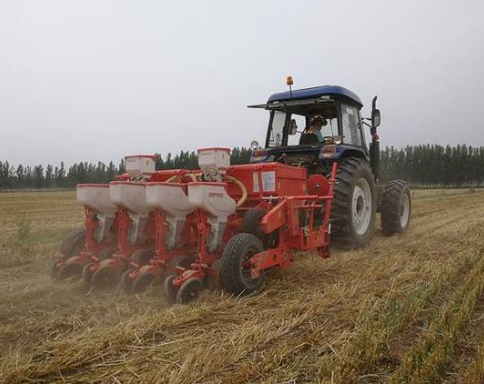
- Direct seeding: Rice seeds are sown directly into prepared fields using equipment such as a paddy drum seeder. This method is faster and requires fewer planting steps. However, it depends more on suitable soil conditions, temperature, and moisture for successful seed germination and crop establishment.
- Transplanting: Rice seeds are first grown into seedlings in a nursery. The seedlings are then transplanted into the paddy field by hand or with a rice transplanter, including walk-behind transplanter and high-speed riding-type transplanters. This method requires more preparation and labor or equipment, but it allows farmers to manage seedlings before transplanting and can help achieve more uniform crop establishment under suitable conditions.
Rice Harvesting and Paddy Collection
When the rice crop is mature, farmers can harvest it manually or use mechanical equipment such as a rice harvester or combine harvester. A combine harvester can perform several operations in one pass, including cutting the rice plants, threshing the grains, and separating the grain from much of the straw and chaff. This helps farmers save time and reduce manual labor, especially when harvesting large areas.
After harvesting, the paddy may still contain dust, small pieces of straw, and other impurities. Depending on its moisture content, it may also need drying before proper storage or milling. Before the paddy can become edible rice, it must go through further processing, including cleaning, husking, and milling.
What Is the Rice Processing Process
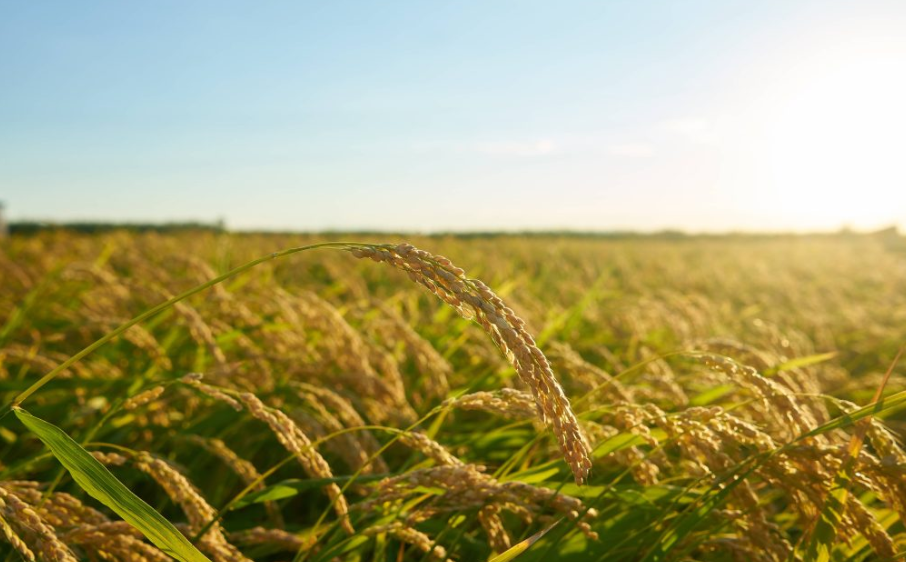
Rice processing is the process of turning harvested paddy into rice that is ready for sale or consumption. The rice milling process removes the outer husk and, depending on the desired product, removes the bran layer and prepares the grain for further polishing, grading, and packaging.
To understand how rice processing works, it is important to distinguish four types of rice:
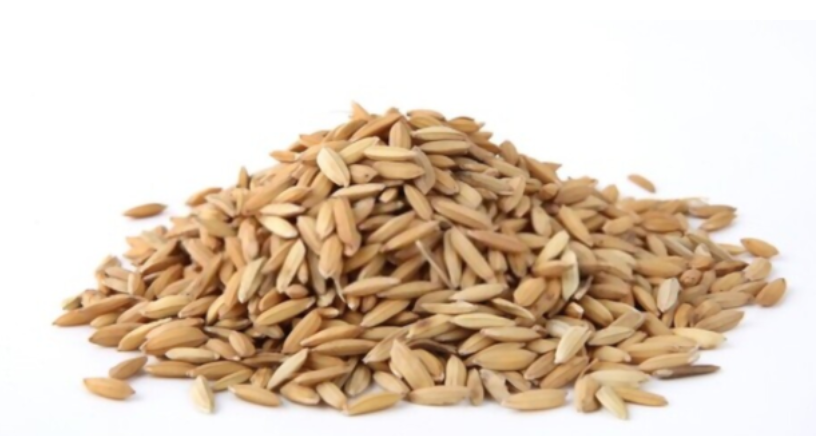
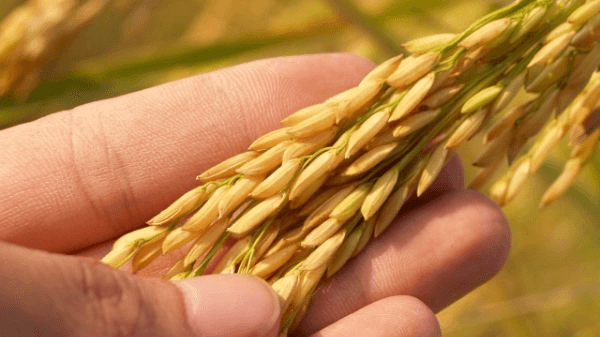
- Paddy (unprocessed): Rice grains that still have their outer husks after harvesting.
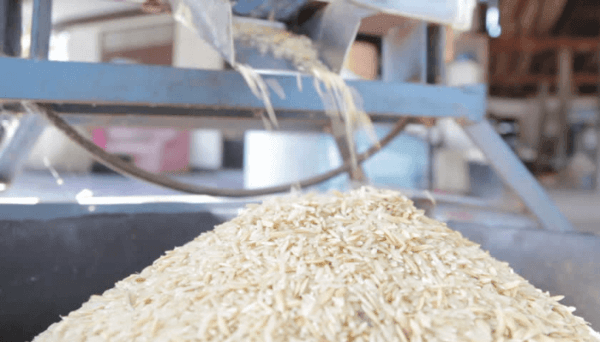
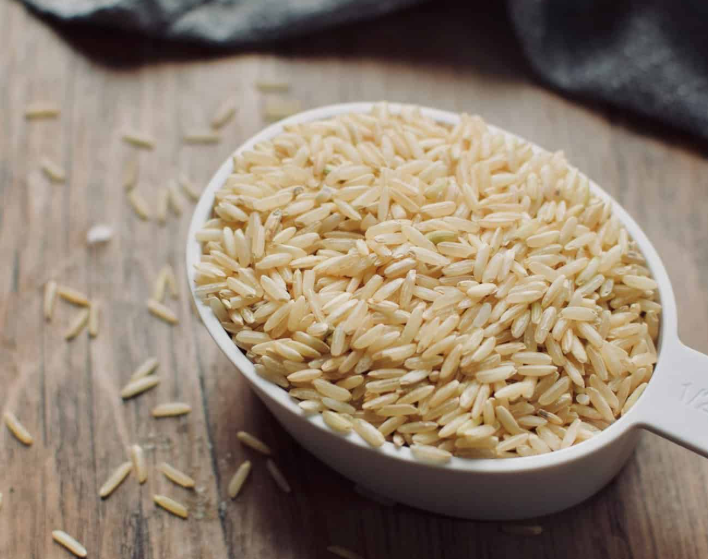
- Brown rice (lightly processed): Rice with the outer husk removed but the bran layer and germ largely retained. If you want brown rice, no further milling is needed. Brown rice is rich in dietary fiber, vitamins, minerals, and other nutrients.
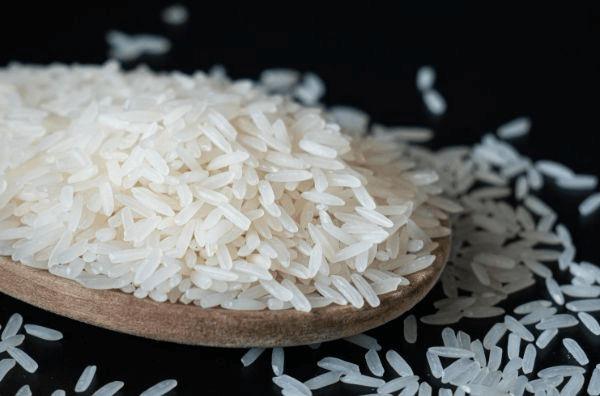
- White rice (milled rice): Rice that has been milled to remove some or most of the bran layer, germ, and part of the endosperm producing the familiar white appearance. Although this results in a significant loss of nutrients, white rice has a soft texture and is easier to digest.
- Parboiled rice (steamed and partially processed): Rice produced by soaking paddy in water, steaming it, and drying it before milling. This heat treatment changes the starch structure and helps retain some nutrients in the grain. Parboiled rice can also improve milling yield and reduce grain breakage. Depending on the processing method and rice variety, it may have a lower glycemic index (GI) than regular white rice. Learn more about the rice parboiling machine used in this process.
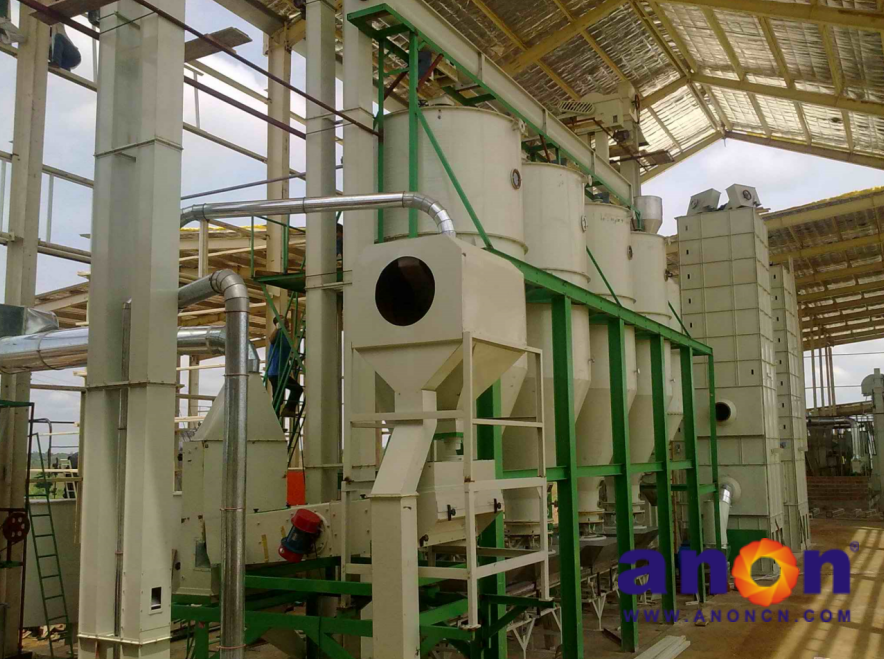
The exact rice processing steps depend on the equipment, production capacity, and final product requirements. For example, small rice mills may combine several functions in one machine, while commercial rice milling plants often use separate machines for cleaning, husking, separation, whitening, and other stages. This allows operators to control each stage more effectively and manage rice quality and the rate of broken grains.
From paddy to finished rice, each stage plays a role in preparing the grain for the market. Understanding this process helps you choose the right rice milling equipment for your production needs.
Traditional Rice Processing vs. Modern Rice Milling
This section will compare the similarities and differences between traditional rice processing method with the modern rice milling method. Instead of just listing each points, this section helps you to understand why are we switching to the modern rice milling equipments.
Traditional Rice Processing Methods
Traditional rice processing relies on manual labor and simple tools. In many rural areas, people still use a mortar and pestle or a traditional rice pounder to remove the husk and bran through repeated pounding. Some regions also use stone mills to process rice.
These methods are suitable for household use or small-scale production, where only a small amount of rice needs to be processed. However, they require considerable physical effort and are much less efficient than modern mechanical methods. Rice quality can also be less consistent, and the broken rice rate are higher.
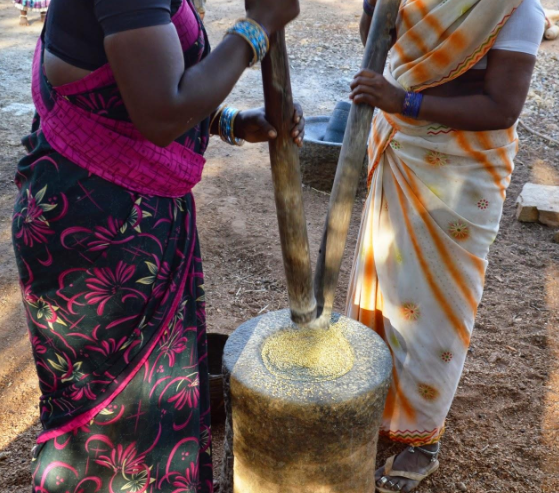
For example, traditional pounding methods often process one batch of paddy at a time. Rice grains that have already been dehusked remain in the pounder and continue to be pounded while other grains still have their husks. This repeated impact can increase grain breakage and reduce the amount of whole rice recovered. As a result, the finished rice may have a lower market value, especially when buyers require whole, uniform grains.
For small household needs, these traditional methods may still be practical. However, for commercial production, their low processing capacity and difficulty in controlling rice quality can limit productivity and profitability.
Modern Rice Milling Methods
Modern rice milling uses machines to turn paddy into finished rice. Each machine performs a specific task. Together, they make rice processing faster and more efficient.
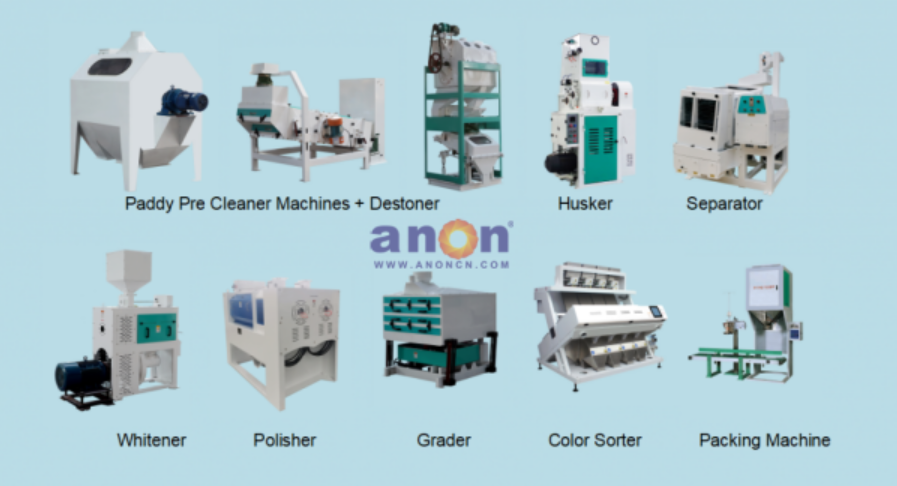
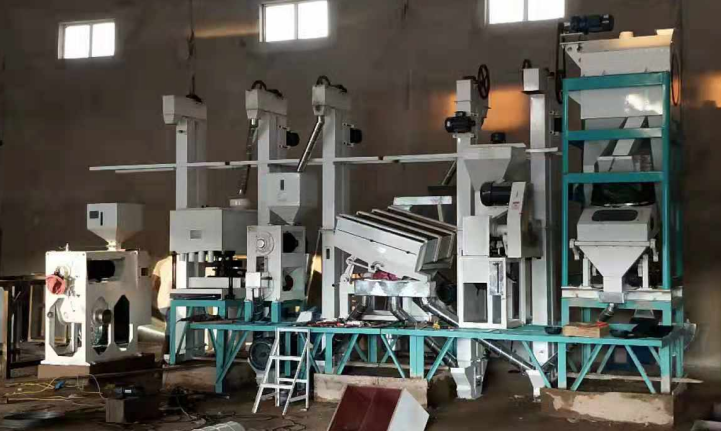
First, paddy cleaner machines remove straw, dust, stones, and other impurities. Next, a rice husker removes the outer husk. A paddy separator then separates brown rice from paddy that still has its husk. After that, a rice whitener removes the bran layer to produce white rice. A rice polisher can make the rice surface smoother and brighter. Finally, grading and color sorting machines help separate rice by size and remove some unwanted grains. The finished rice can then be weighed and packed.
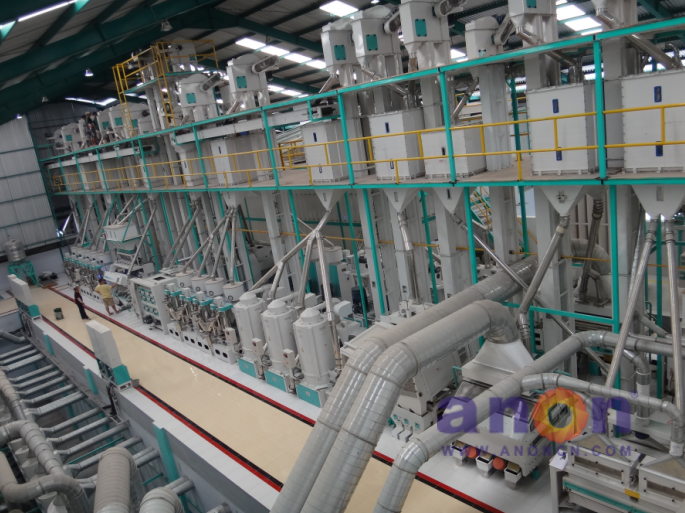
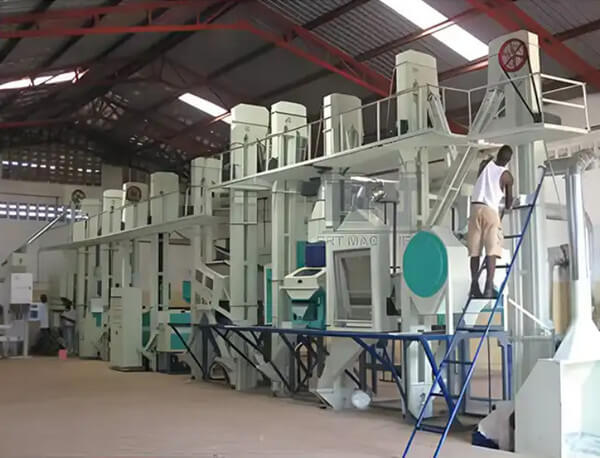
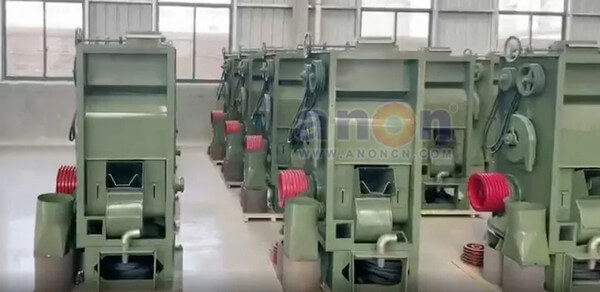
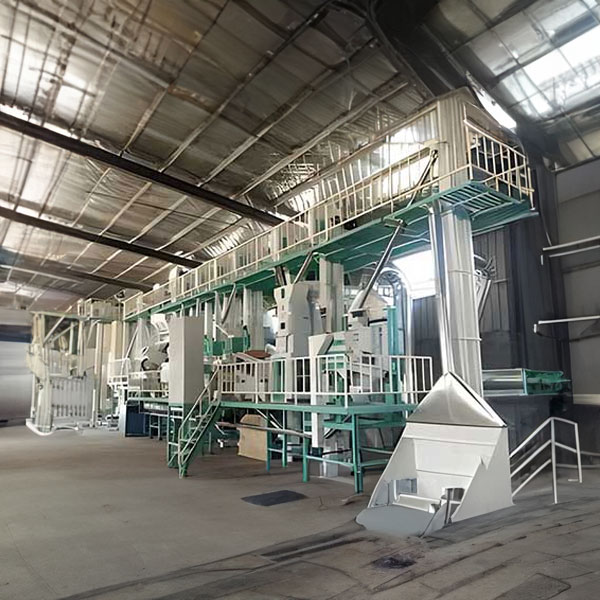
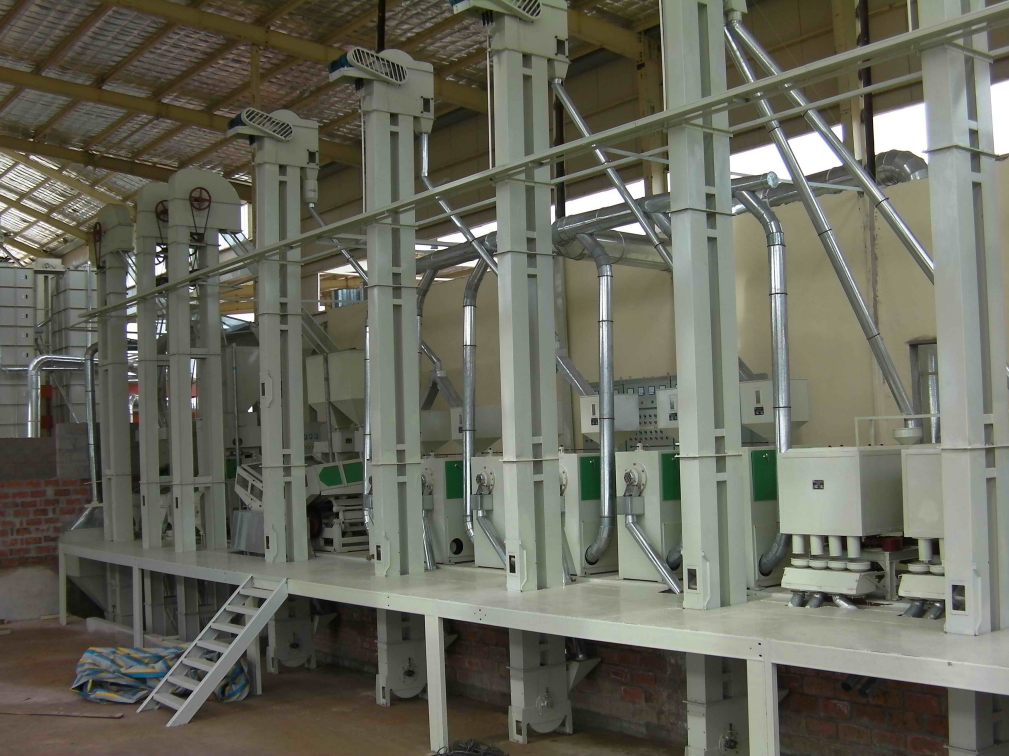
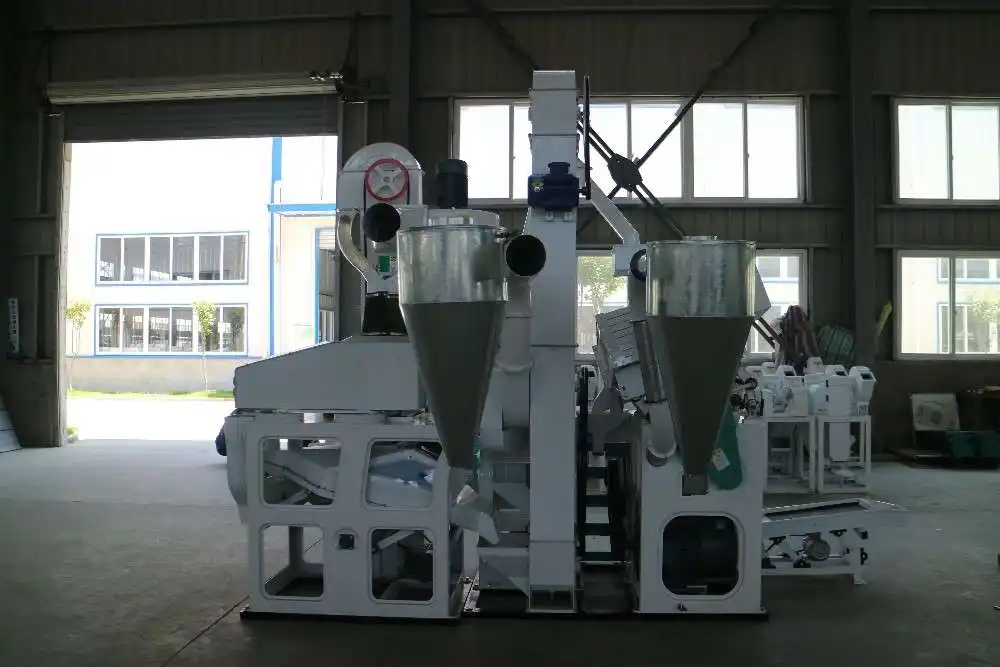
The equipment used depends on the required capacity and rice quality. Small rice mills may combine several functions in one machine ( such as ANON SB series rice mill). Larger rice milling plants usually use separate machines connected by conveyors. Some production lines also include automatic controls and dust collection systems.
Compared with traditional methods, modern rice milling can process more paddy in much less time. It also reduces manual work and gives operators better control over each step. With suitable equipment and settings, mills can improve rice quality and reduce broken grains. However, the final results also depend on the quality of the paddy and how the machines are operated.
Traditional vs. Modern Rice Milling: Key Differences
| Comparison factor | Traditional methods | Modern rice milling |
|---|---|---|
| Processing capacity | Usually suitable for smaller quantities | Can be configured for different production capacities |
| Labor requirements | Often more manual work | More mechanized and automated operation |
| Process control | Depends on method and operator | Separate stages allow more precise adjustment |
| Rice quality | May vary with equipment and operation | Can achieve more consistent results with suitable equipment |
| Broken rice control | Depends on the milling method | Multiple stages can help manage grain breakage |
| Scalability | May be limited | Production lines can be configured for larger output |
When Should You Upgrade to Modern Rice Milling Equipment?
If you run a rice mill, your current equipment may not meet your business needs as production grows. Here are some signs that it may be time to upgrade.
- Your production capacity is too low. Your current machines cannot process enough paddy to meet daily demand.
- You want better rice quality. You need more consistent rice and want to reduce the broken rice rate.
- Labor costs are increasing. Too many steps require manual work, making production slower and harder to manage.
- You need more processing functions. You want to add rice grading, color sorting, or automatic packing to meet customer requirements.
- You plan to expand your business. You need a larger production capacity to serve more customers and enter new markets.
The right upgrade depends on your production needs and budget. You may only need to replace one machine, or you may need a complete rice milling line. Explore ANON rice milling equipment to find suitable machines for your business.
Next, let’s look at the main steps in a modern rice milling process.
Explaining Rice Milling Machines and Their Functions
Drying
This is also a crucial step. Whether you dry rice by sun drying or using a dryer, you can only ensure rice milling efficiency and reduce broken rice rate by ensuring that the moisture content of the rice is at a safe level suitable for processing. For areas with a large amount of paddy rice that needs to be dried and where the weather is rainy, using a dryer to dry the paddy rice is a very wise choice. After drying, the rice needs to be placed in a grain silo to cool naturally before proceeding to the next processing step.
Cleaning
In the first stage, a paddy cleaner machine is used to remove larger and lighter impurities. Common equipment includes cylindrical pre-cleaners, planar rotary screens, and vibrating cleaning screens.
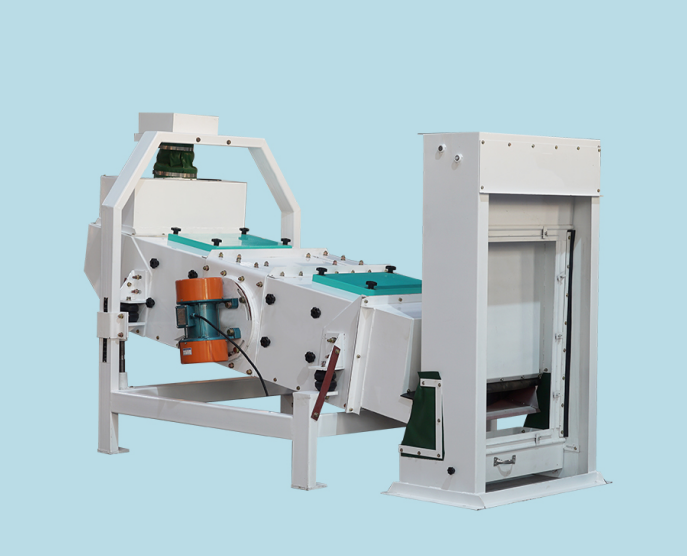
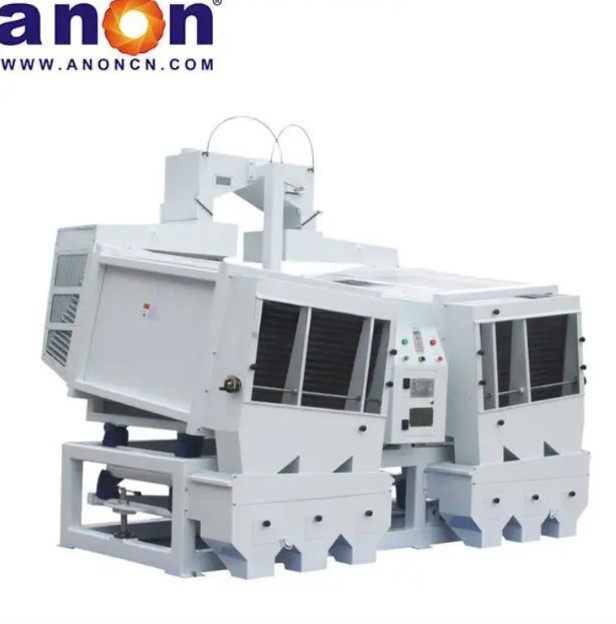
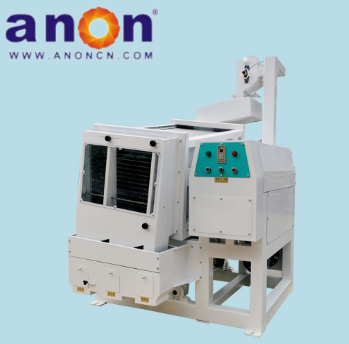
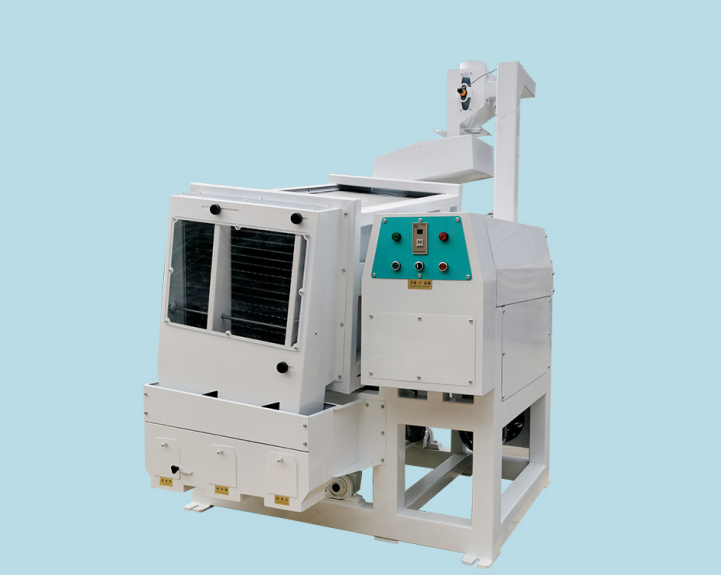
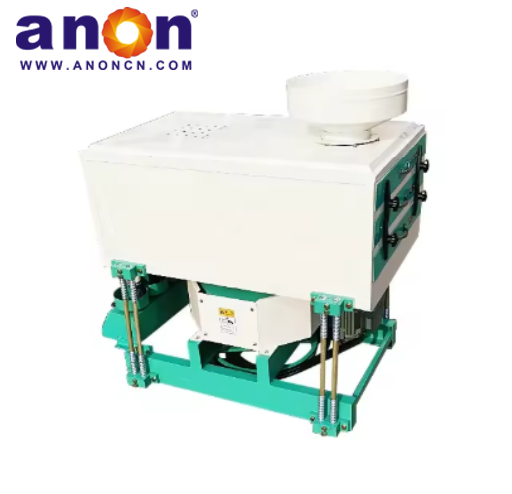
In the second stage, a rice destoner is used. The destoner separates stones from rice by combining screen vibration with airflow. On the destoning plate, airflow causes the rice and stones to form distinct layers—the lighter rice remains on top, while the heavier stones settle at the bottom. A tilted, textured plate (often referred to as a fish-scale plate) vibrates to gradually push the stones upward, while the rice, upon reaching an area without airflow, naturally drops down and is discharged from below.
As the first step in rice milling, the cleaning process is crucial. It ensures the smooth operation of all subsequent milling stages and guarantees the quality of the finished rice.
Drying Rice
Freshly harvested rice contains a high level of moisture, which can lead to increased grain breakage during milling. Therefore, drying the rice before milling is essential. Extensive research and testing have shown that a moisture content of 13.5%–14% is optimal for milling.
When traditional sun-drying methods can no longer meet demand, grain dryers provide an efficient solution, allowing large quantities of paddy to be dried in a single batch. Inside the dryer, hot air continuously evaporates and removes moisture from the rice. Once the moisture level reaches the desired standard, the rice can move on to the next processing stage.
Hulling the Husker
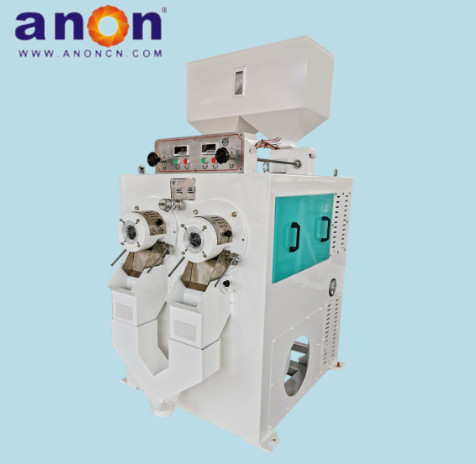
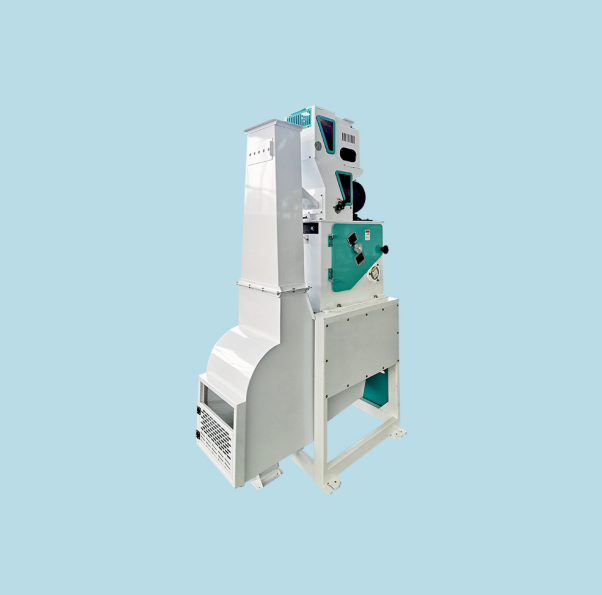
This step is carried out by a paddy huller. It uses two rubber rollers rotating at different speeds in opposite directions to squeeze and rub the paddy, separating the husk from the grain. Inside the husk separation chamber, a built-in fan blows away the husks, leaving only the grain behind. The rice obtained after complete dehusking is known as brown rice.
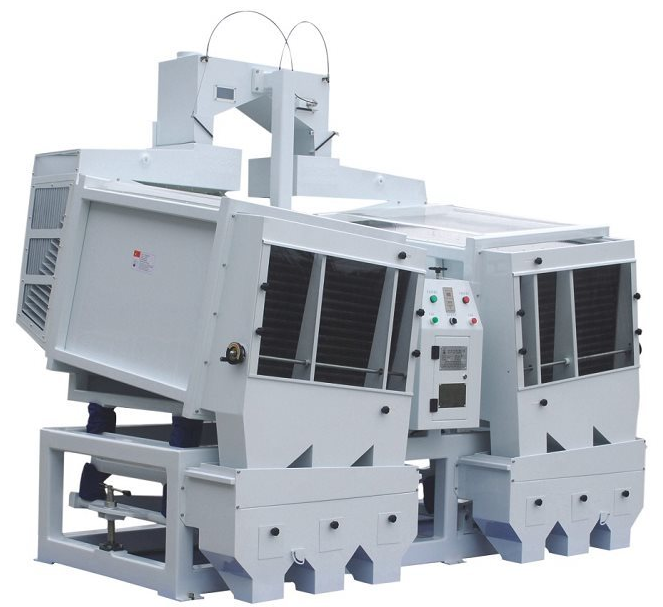
Paddy–Brown Rice Separation
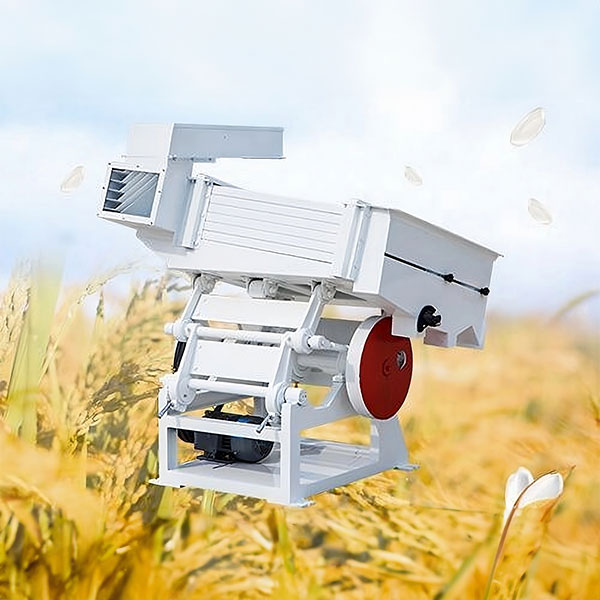
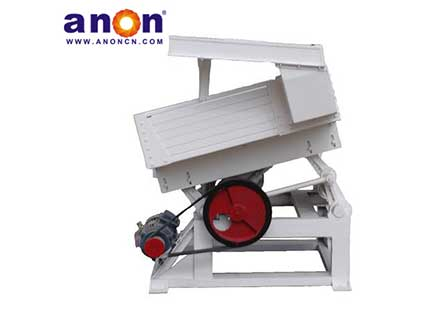
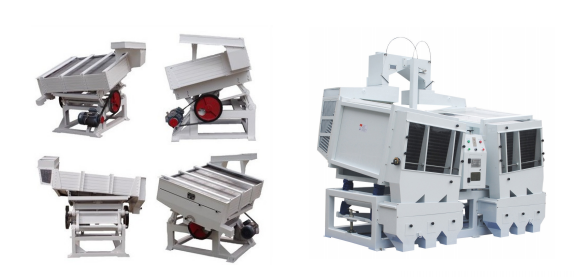
After the dehusking process, we obtain a mixture of brown rice (fully dehusked grains) and paddy (grains that are not yet completely dehusked). Before moving on to the next milling stage, this mixture must be further separated by a paddy separator.
The partially dehusked paddy is returned to the huller for another round of dehusking, while the separated brown rice proceeds to the milling stage. Any remaining paddy–brown rice mixture is sent back to the separator for repeated separation until the brown rice and paddy are completely separated.
Rice Whitening
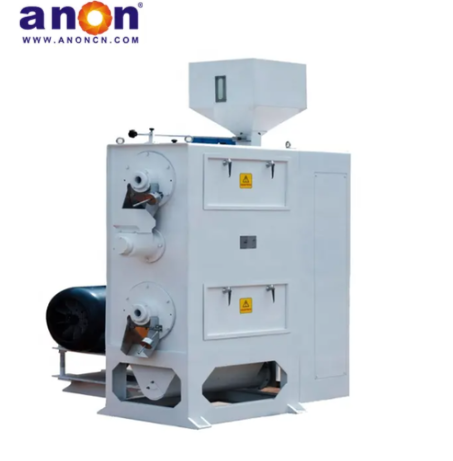
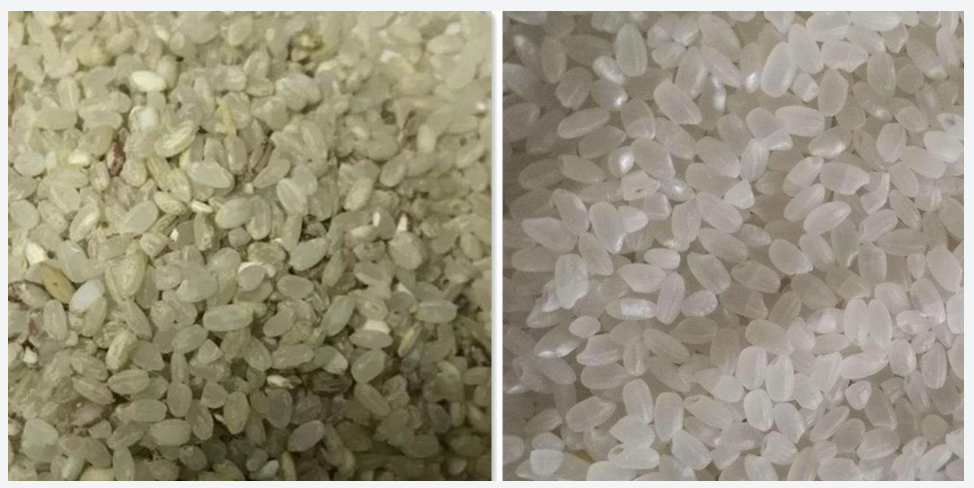
Brown rice has a yellowish color. If you want white rice, you’ll need the help of a rice whitening machine. The brown rice enters the milling chamber through the hopper, where the high-speed rotating drum grinds away the yellow outer bran layer and continues polishing the grain. Through this whitening process, we obtain the white rice commonly consumed in daily life.
Grading the Rice
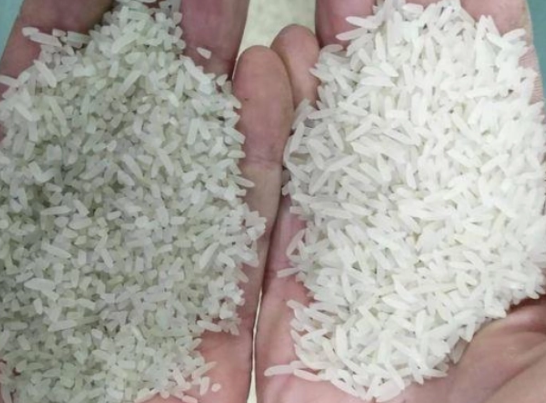
After going through the various processing stages above, some degree of grain breakage in the rice is inevitable. Therefore, separating broken rice from whole grains is essential. Traditionally, this was done manually using a winnowing basket. In mechanized production, we use a rice grading machine for this task.
The grader is equipped with a series of sieves arranged from top to bottom, with hole sizes decreasing at each level. This design allows us to separate whole grains, large broken pieces, medium broken pieces, and small broken pieces. The whole grains are the desired final product, while the broken rice can be used as animal feed or for other purposes.
Sorting the Color
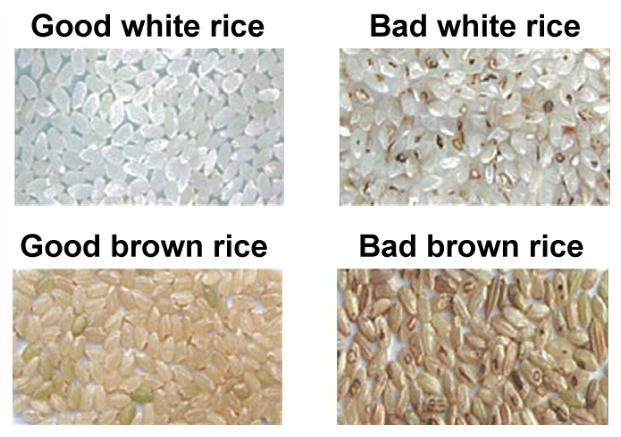
If you have high-quality requirements for your rice, you can invest in a color sorter, which removes discolored grains that are not easily visible to the naked eye. After setting the desired target color, the rice enters the feeding port and falls along a chute into the inspection chamber. By detecting differences in light intensity and color, the machine identifies off-color grains and sends a signal to the air jet valves, which blow these grains into the reject bin during their fall.
To minimize waste, the rejected grains are usually processed through the color sorter two more times to ensure complete sorting. The result is nearly perfect, uniformly colored rice grains.
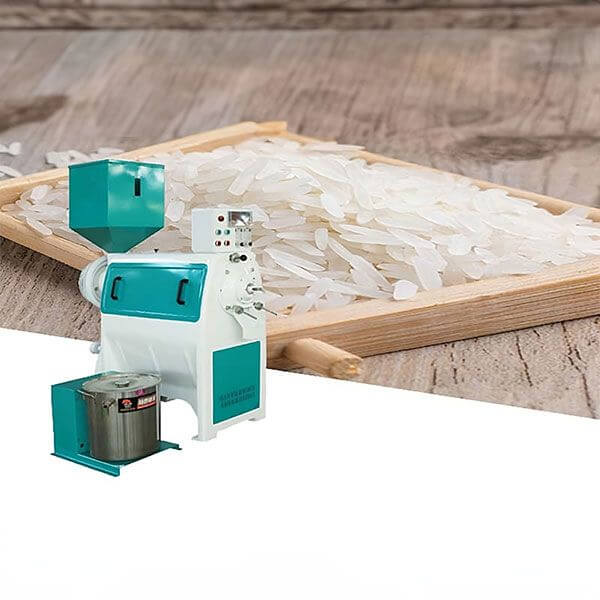
Rice Polishing
If you want your rice to have a more attractive appearance, you can invest in a rice polishing machine. When rice enters the polisher, it is first lightly sprayed with water to moisten the grains, forming a thin film on their surface. As the rice moves against the machine’s rotating components, it develops a smooth, crystal-like finish.
Polishing not only gives the rice a pearly luster but also removes residual bran from the grain surface. The process partially gelatinizes and pre-gelatinizes the surface starch, which helps fill in micro-cracks. As a result, the rice gains a bright, glossy appearance, improved storage stability, and enhanced eating quality, making rice polishing a highly worthwhile step.
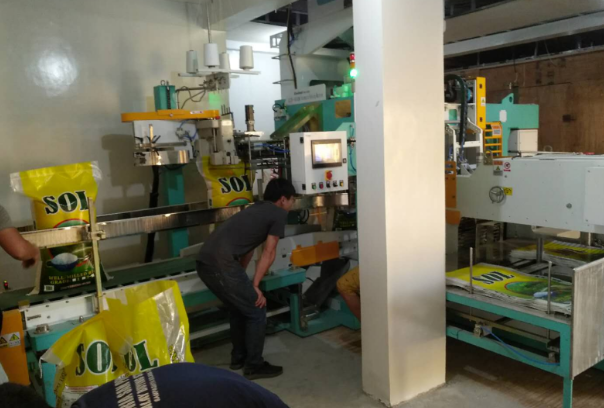
Packaging
Finally, there is the packaging stage. Operating the rice packaging machine is simple—you just need to set the desired weight. Once set, the machine will automatically package and seal the rice according to the specified weight.
With that, you now have a complete understanding of all the steps involved in rice processing.
How to Choose Rice Milling Equipment by Capacity
The right rice milling equipment depends on your daily paddy supply, budget, available space, and rice quality requirements. Explore the following options to find a suitable solution for your business.
A small household rice mill is suitable for local farmers, household use, and small commercial operations. A mini rice mill or basic machine combination can meet smaller processing needs with a lower initial investment.

A 15–30 TPD combined rice milling plant is suitable for businesses starting commercial rice production. The equipment can include cleaning, husking, paddy separation, and whitening machines, with optional grading and packaging systems.
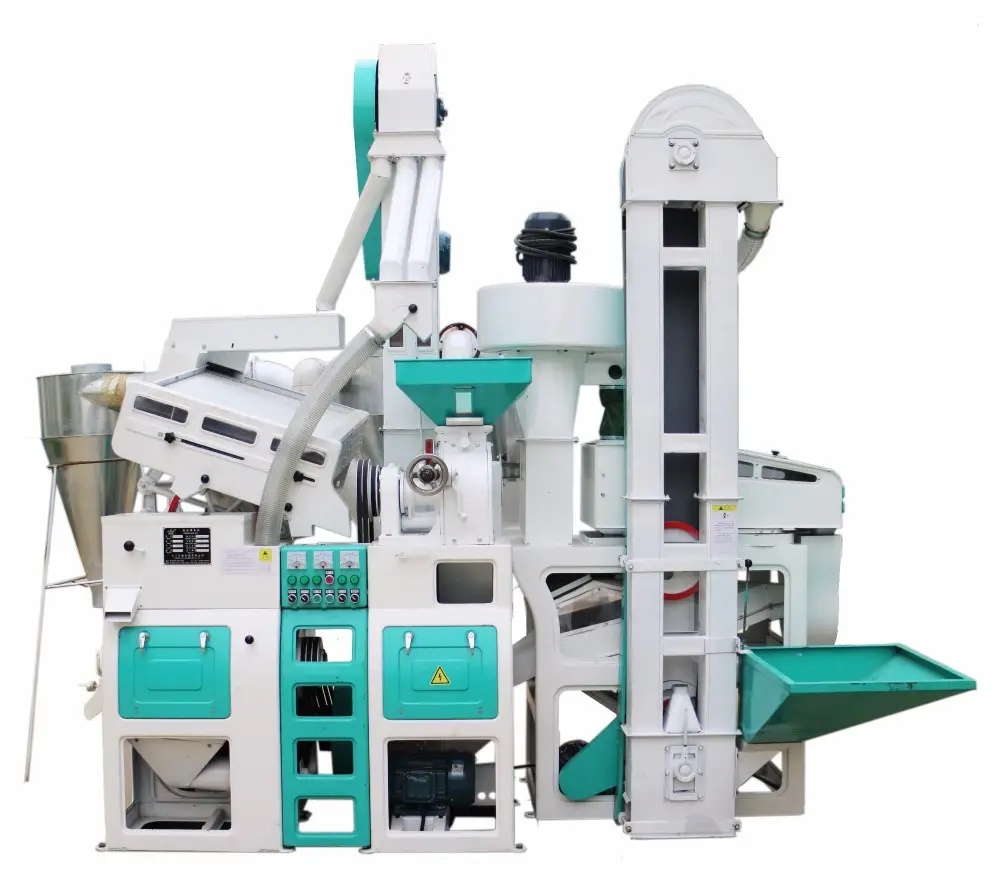
A 40–60 TPD rice milling plant suits commercial mills that need higher processing capacity. Proper equipment matching, material handling, and production layout help maintain smooth operation and consistent rice quality.
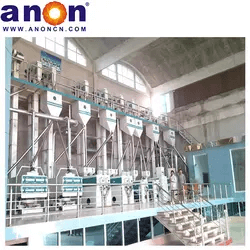
An 80–150 TPD rice milling plant is designed for larger commercial operations. A typical line includes cleaning, destoning, husking, paddy separation, whitening, grading, and packaging equipment, with configuration based on production needs.
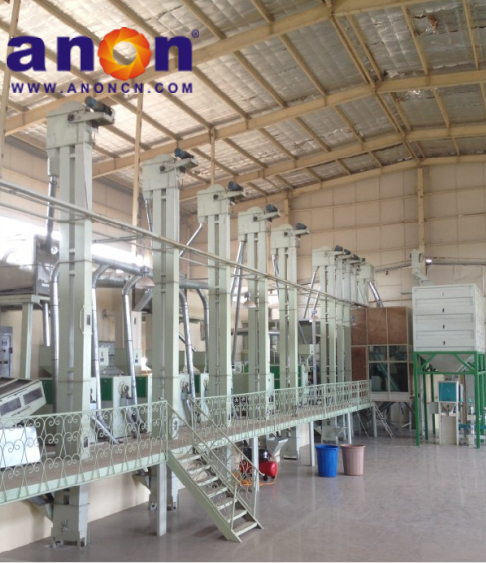
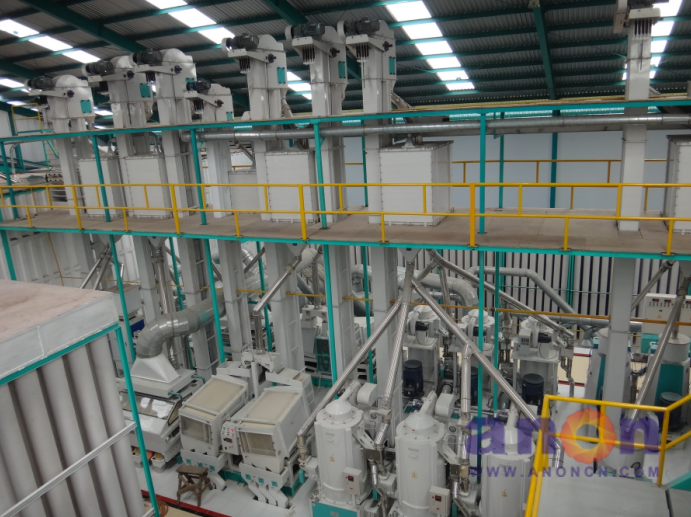
A 240–500 TPD industrial rice milling plant suits large-scale rice processing projects. These systems require careful planning for material handling, automated processing, packaging, and the collection of by-products such as rice husks and bran.
How to Calculate the Required Rice Mill Capacity
Choosing the right rice mill capacity starts with your available paddy supply and production targets.
- Check your paddy supply: Estimate how many tons of paddy you can obtain daily or annually.
- Calculate operating hours: Decide how many hours per day and days per year your mill will operate.
- Allow for processing losses: The actual output depends on paddy quality, moisture content, machine settings, and the required rice quality.
- Confirm the capacity definition: TPD usually means tons per day, but it is important to confirm whether the stated rice milling capacity refers to paddy input or finished rice output. Rated capacity may also differ from actual operating output due to paddy condition and rice variety.
To find the right rice mill plant capacity for your business, contact ANON with your available paddy supply, target daily output, local power conditions, and finished rice requirements. Our team can discuss a suitable equipment configuration based on your needs.
Factors That Affect Rice Milling Quality and Yield
Rice milling quality and yield depend on more than machine capacity. Paddy condition, machine settings, and equipment performance all affect the final results. Understanding these factors helps you choose suitable rice milling equipment and improve production efficiency.
Paddy Quality and Moisture Content
Correct rice milling machine settings help reduce grain damage and maintain consistent quality. Husking roller gaps, paddy separation settings, and whitening pressure should be adjusted according to the machine instructions and paddy condition. Regular rice milling equipment maintenance also helps prevent performance problems. In addition, each machine must have a suitable capacity to keep the entire production line running smoothly.
Machine Settings and Equipment Condition
Correct rice milling machine settings help reduce grain damage and maintain consistent quality. Husking roller gaps, paddy separation settings, and whitening pressure should be adjusted according to the machine instructions and paddy condition. Regular rice milling equipment maintenance also helps prevent performance problems. In addition, each machine must have a suitable capacity to keep the entire production line running smoothly.
Milling Recovery and Broken Rice Rate
Rice milling recovery refers to the proportion of finished rice obtained from the paddy processed. Head rice yield measures the proportion of whole or sufficiently intact rice kernels, according to the definition used. These indicators are related but measure different aspects of production. The broken rice rate also affects product value and customer satisfaction.
Actual rice milling yield depends on rice variety, paddy quality, moisture content, milling degree, and machine settings. No single recovery rate can be guaranteed for every production line. To improve results and reduce broken rice, select suitable equipment and adjust it to your raw materials and finished rice requirements.
How Much Does a Rice Milling Plant Cost?
The rice milling plant cost depends on processing capacity, equipment configuration, automation level, and auxiliary systems. For a detailed breakdown of investment costs and the factors affecting rice mill plant cost and rice milling machine price, read our rice milling plant buying and cost guide
Choose the Right Rice Milling Solution for Your Business
Choosing the right rice milling equipment depends on your paddy supply, target capacity, rice quality requirements, and budget. Whether you need a small rice mill or a complete industrial rice milling plant, ANON can help you explore suitable equipment options.
Contact ANON today and share your expected processing capacity, raw material conditions, local power supply, and finished rice requirements. Our team can help you discuss a suitable rice milling solution for your business.Rice By-Products after Rice Processing
After processing rice, you generate various by-products aside from rice. You can utilize these products to avoid waste. You can use rice husks as valuable raw materials for combustion in drying machines. Similarly, you can repurpose straw as livestock feed or use it in papermaking processes.
FAQ
When is rice harvested?
Rice is typically harvested between July and November, with the peak harvest period usually occurring in September and October. The exact timing depends on the rice variety, planting date, and local climate conditions.
How is rice harvested in the United States?
Once the rice plants mature, grains develop at the top of long panicles, with flowers branching in clusters. After the fields are drained, combine harvesters are used to harvest the rice, simultaneously separating the grains from the stalks.
Why is rice bran removed?
White rice is refined rice that has had the husk, bran, and germ removed. Refining changes the seed’s flavor, texture, and appearance; helps prevent spoilage (thus extending shelf life); and makes it easier to digest.
Why do Chinese people eat white rice instead of brown rice?
Although brown rice is known for its nutritional value, white rice is more commonly consumed in Chinese cuisine due to the combined effects of taste, texture, storage, and historical preferences. White rice is usually considered to have a milder taste, which can complement a wider range of dishes, and its longer shelf life makes it more suitable for storage and transportation.
What is the Rice By-Products after Rice Processing
After processing rice, you generate various by-products aside from rice. You can utilize these products to avoid waste. You can use rice husks as valuable raw materials for combustion in drying machines. Similarly, you can repurpose straw as livestock feed or use it in papermaking processes.