



SB Series Rice milling machines
A household rice milling machine is a small, multi-functional rice processing equipment that can directly process rice into fresh rice, keeping the rice aroma pure and the taste delicate, while effectively retaining the nutrients.
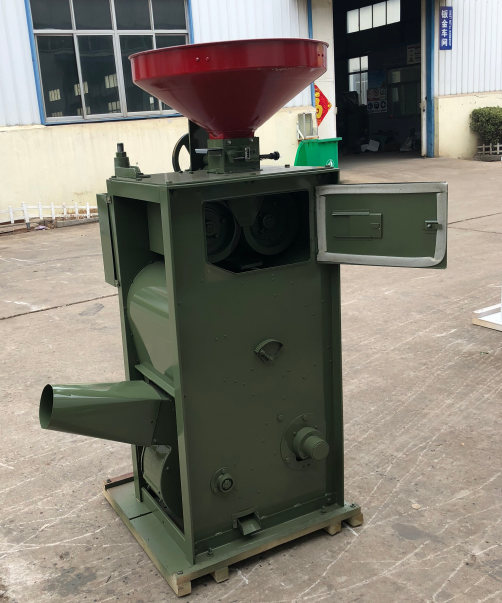
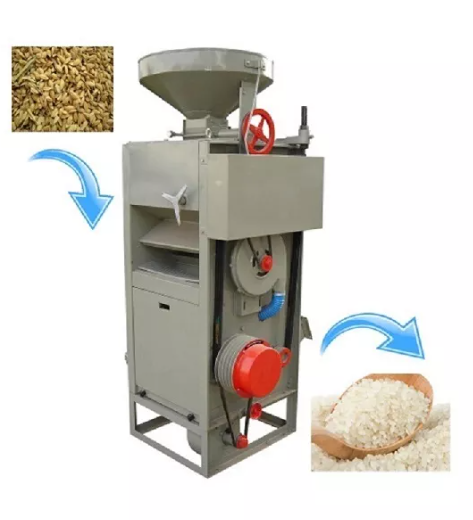
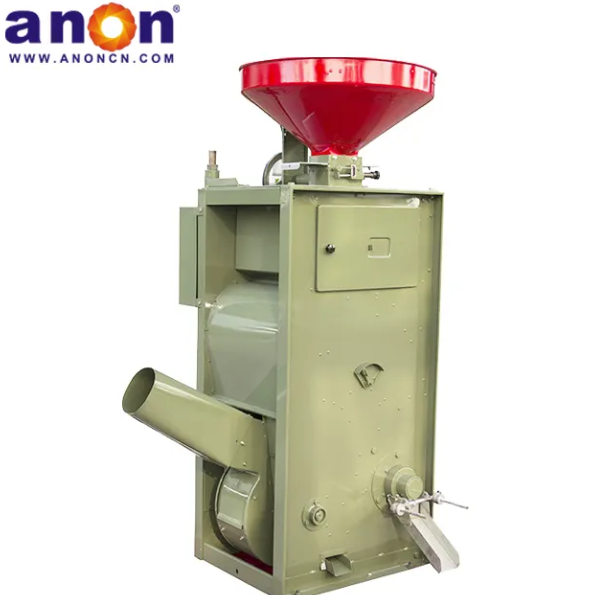
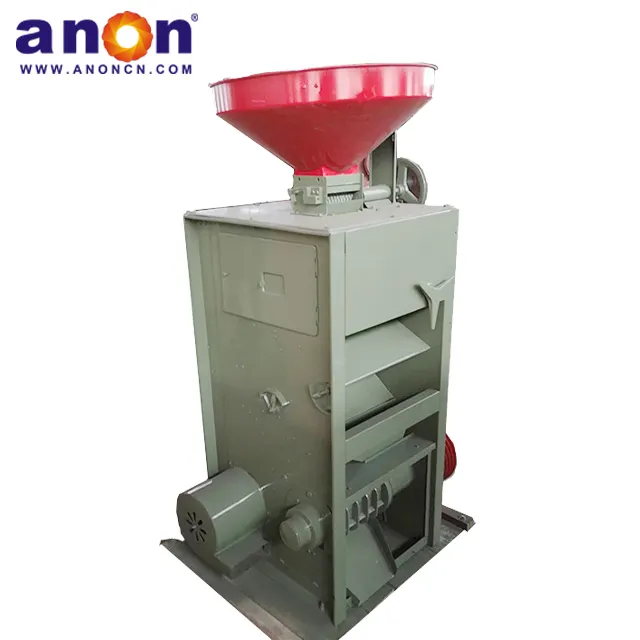
ANON SB series mini rice milling machine is an automatic machine that combines the cleaning, destoning, hulling, rice whitening, and polishing. They are small in size and have low noise. They have a high degree of automation and are suitable for both a family and a small rice mill factory.
The rice husks, rice bran, and white rice are discharged separately and can be collected individually. The final white rice has a low bran content and less broken rice, achieving a good milling effect.
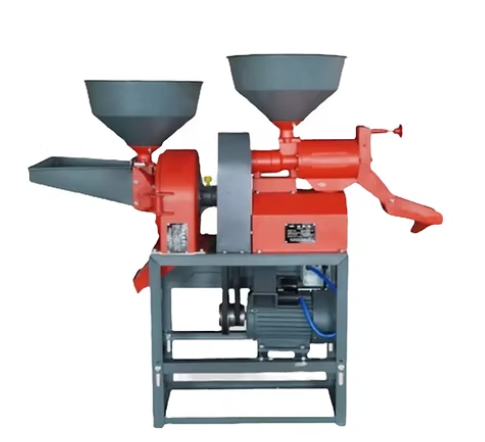
6N40 Rice Milling Machine
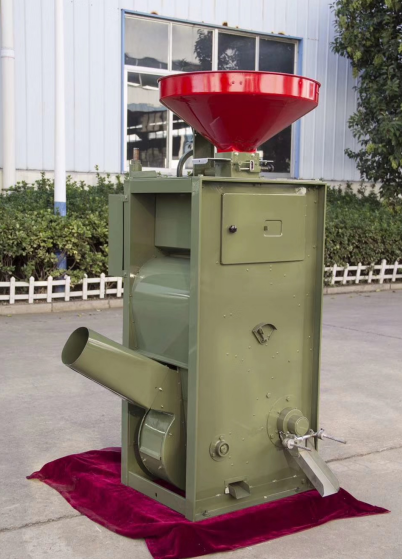
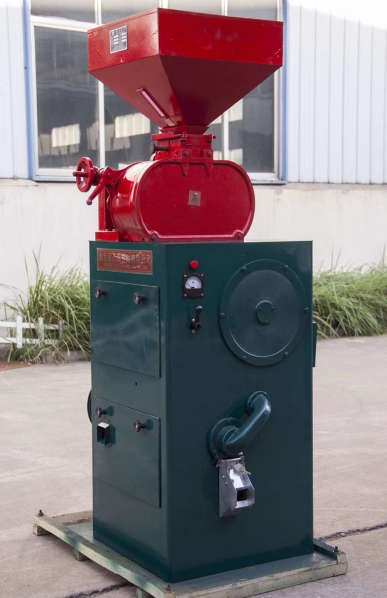
ANON 6N40 rice milling machine has a compact size, and it combines the functions of husking and whitening. It has a simple structure and is easy to operate. It is more suitable for family use or a small farm.




Our Products
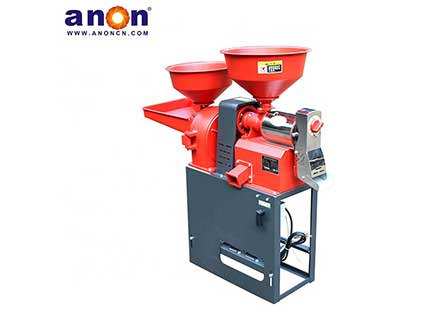
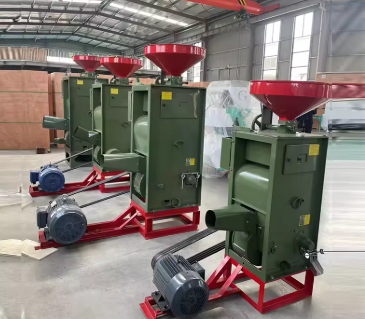
Integrate Structure
ANON household rice milling machines have the advantages of small size but multiple functions. You can easily move these mini rice mill machines to any place you want, which will be much more flexible than the rice mill plant. This integrated structure can help you finish paddy cleaning, hulling, whitening, polishing and broken rice screening in one pass. The whole process is automatic and you just need to pour the rice into the feed inlet and start the machine.
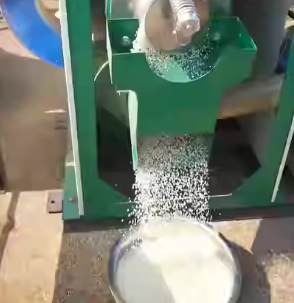
Less Broken Rate
ANON household rice milling machine can help you realize a low broken rate. These portable rice milling machines use sand rollers to mill the rice. The sanding roller has a high linear speed and relies on grinding action to whiten the brown rice, resulting in a low broken rice rate and high rice quality, making it suitable for processing refined white rice. Even pressure and strictly controlled grinding gap can both effectively help reduce the broken rice rate.
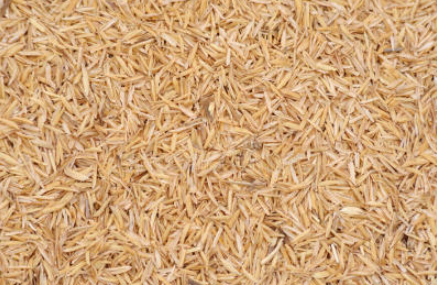
Automatic Rice Bran Separation
ANON household rice milling machines can bring you a clean and safe working environment. During the rice milling process, the rice bran, dust, and other impurities will be separated automatically and collected individually. The rice is discharged cleanly, without any chaff or dust. Simply rinse the rice before cooking; the rice will be clean, hygienic, and taste good.
Gain Fresh Rice
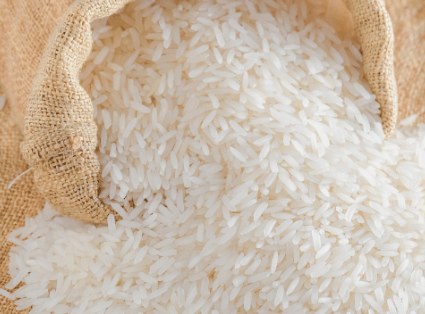
The rice sold in the market has been transported over long distances and stored for a long time, which causes serious loss of nutrients and may even add preservatives or polishing agents. The mini rice mill machine allows you to convert fresh rice into nutritious rice at home, retaining the vitamin B group, dietary fiber, and minerals in the germ and rice bran, so that every bite can be eaten safely and healthily.
Multi-level Adjustment
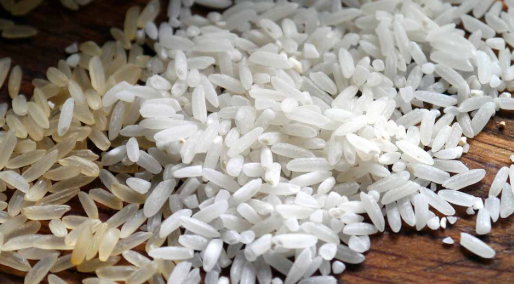
Both the SB series rice mill and the 6N40 rice mill machine support the free adjustment of the gear. You can easily mill various types of rice, including germ rice, nutritious brown rice, regular white rice, and refined white rice. It’s important to know that germ rice is very difficult to buy on the market. Considering storage and appearance, the germ is usually completely removed. But if you own our home used mini rice mill machine, you can adjust it according to your needs. If you’re looking for whole-grain nutrition, you can choose the “brown rice mode,” which removes the husk but not the bran, preserving all B vitamins and dietary fiber. If you have growing children or elderly people with digestive issues, you can choose the “germ rice mode.”
Why Choose ANON Household Rice Milling Machines?
Related Products
FAQ
Factors related to the rice itself: old rice and insufficient dryness (moisture content > 14%) will make husking difficult and reduce the rice yield (normal new rice yield is about 70%-75%).
Problems with machine adjustment: grinding pressure is too low and the cortex is not completely detached; try increasing the pressure (fine-tune 1/4 turn each time to avoid over-adjustment and resulting in broken rice).
Yes. The core function of a household rice mill is to husk and whiten rice. Some models support secondary processing of “brown rice → polished rice”, but cannot process other grains such as shelled peanuts and beans.
Common reasons:
Hard objects such as stones and metals in the rice grains get stuck in the rice milling chamber; the motor overheats due to long milling time (protection device activated); the hopper is short of grain, or the rice bran at the outlet is blocked.
Solution:
Open the rice milling chamber after power failure and remove foreign objects (you can use a wire brush to clean the gap); wait for the motor to cool down for 10-15 minutes before restarting; check the rice stock in the hopper and clean the rice bran at the outlet (it is recommended to use a brush for deep cleaning once a week).
The excessive broken rice during rice milling is usually caused by three main issues: operation, raw materials, or machine adjustment.
First, operation is crucial; the opening of the rice inlet and outlet is key. If the outlet is too small, the pressure inside the milling chamber will be too high, causing the rice grains to be squeezed and rubbed under high pressure, resulting in severe breakage.
Second, the paddy itself may have excessive moisture. High moisture content reduces the elasticity of the rice grains. The optimal moisture content for milling should be controlled between 15% and 18%. Exceeding this range will significantly increase the breakage rate.
Finally, the machine itself also needs adjustment. If the gap between the rice cutter and the rollers is too small, the milling pressure will be too high, also exacerbating breakage.
To solve these problems, you can try the following methods: appropriately increase the opening of the rice inlet to reduce the pressure inside the milling chamber; at the same time, check and adjust the gap between the rice cutter and the rollers to ensure it is in the correct position. In addition, it is best to use a moisture meter to confirm the moisture content of the paddy before milling to ensure it is within the ideal range.
Clean immediately after each use. After milling rice, always unplug the power cord first, then wipe the machine inside and out with a dry cloth, paying special attention to areas where residue tends to accumulate, such as the rice sieve and bran collection box. Residual bran or broken rice can easily mold and clump if it gets damp, affecting the machine’s continued use and accelerating component aging.
Regular lubrication of moving parts is also important. It is recommended to add a small amount of machine oil to designated mechanical moving parts such as bearings and gears every 2 to 3 weeks, or approximately every 10 milling cycles. However, be careful; “just a little oil is enough.” Too much oil will attract dust and may even seep into areas that shouldn’t be lubricated, causing contamination or malfunction.
Never mill damp rice. Before milling, ensure the rice is completely dry. High-moisture rice or freshly harvested damp rice will stick to the machine’s inner walls like a paste, making it difficult to clean and significantly increasing motor load and drum wear.
Proper storage is also crucial. When the machine is not in use, clean it thoroughly, then cover it with a breathable dust cloth or plastic bag and store it in a dry, well-ventilated place, avoiding direct sunlight and humid environments.