



Anon Rice Huller Product Type






Advantages of ANON Rice Huller
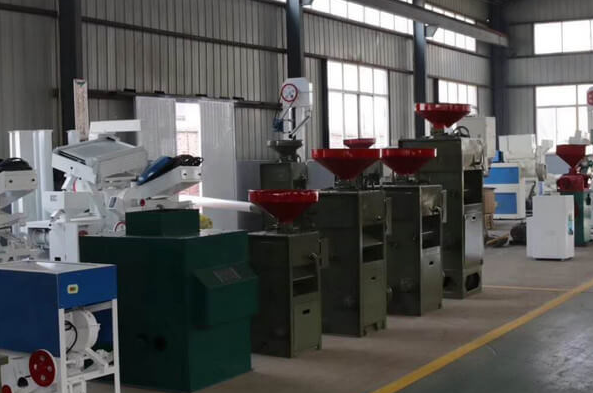
Explore Our Rice Huller Machine Range
Choosing a proper rice husker model to fit your milling needs can help maintain a stable production performance. Since hulling rice is the first key step in the rice milling process after harvesting, to preparing the brown rice for further separating, whitening, and polishing processes.
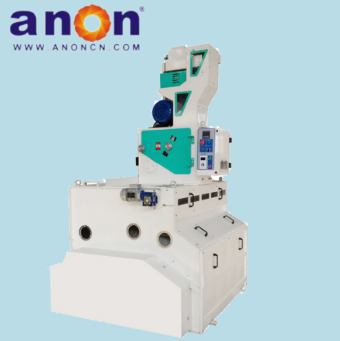
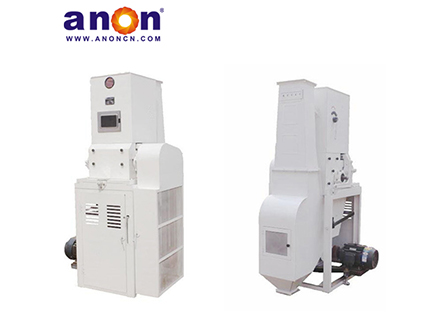
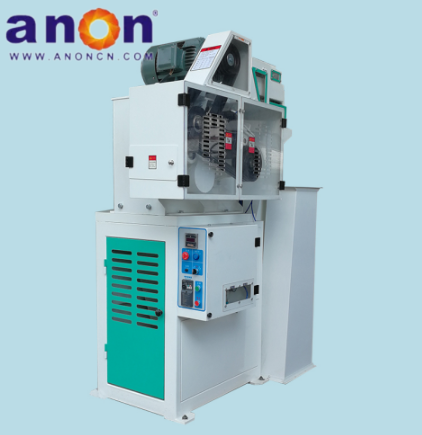
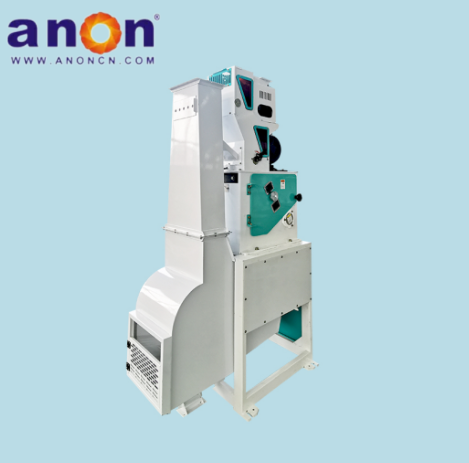
ANON manufactures three types of rice hullers – weight-pressure, pneumatic Rice Huller , and double-body rice huller – each has an emphasis on a different feature.
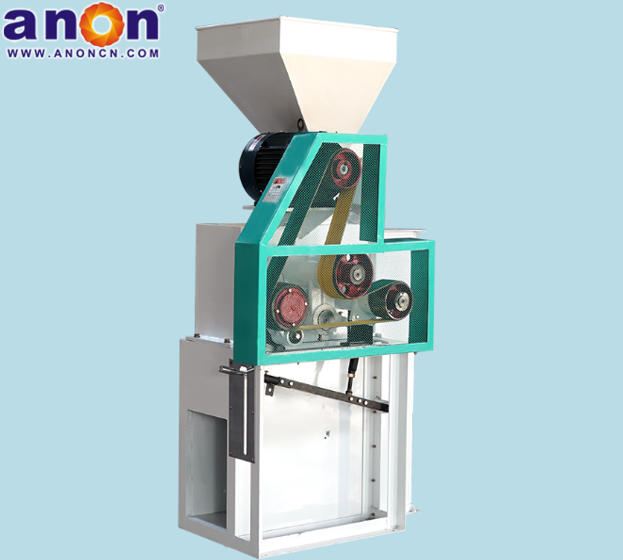
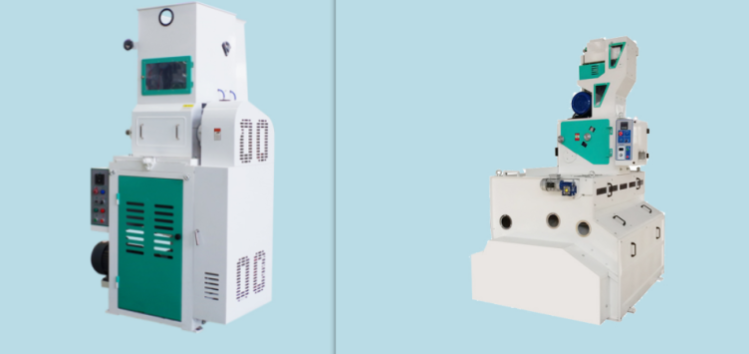
Pressure Type Rice Huller
Also known as a gravity rice husker, it is a more cost-effective option for small rice mills and low-budget users.
The gravity force and friction present between the two rubber rollers remove the husk from the paddy within the huller. A manual lever is used to adjust the gap between the rollers, which changes the pressure applied to the paddy during operation. The feeding system is controlled manually through the panel.
Proper roller gap adjustment to suit different rice varieties can effectively reduce the rice breakage rate in this type of rice husker. The easy-to-adjust pressure on the ANON pressure type model significantly improves the adaptability and the milling performance.
Its price, as well as repair costs, are relatively low. Also, the straightforward and stable mechanical design makes it simple to handle and easy to maintain.
In small-scale production, which does not require continuous high-volume processing and needs frequent roller gap adjustments, an automatic feeding system does not significantly improve efficiency.
Therefore, the pressure type is an economical machine for small mills and household use, as both the machine cost and operating cost are more affordable.
ANON BS10D and LTB20 are both manual rice huller models with a capacity of 5-8 tons per hour. Contact us for more information.
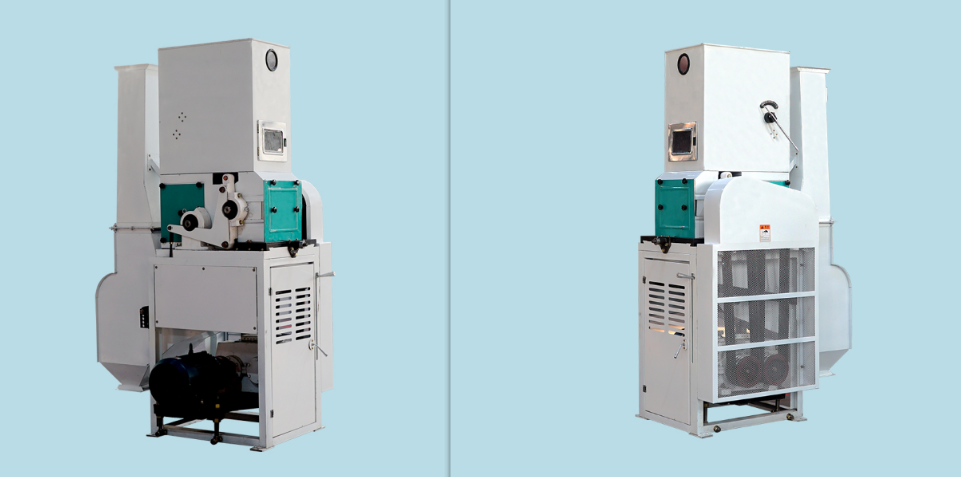
Pneumatic Rice Huller
Also known as an air-pressure rice huller, it is a more advanced model. ANON pneumatic rice huller is suitable for commercial rice milling plants and continuous production lines. It provides higher husk removal efficiency and cleaner separation.
Compressed air is used to control the pressure and the gap between the rubber rollers, allowing for more precise adjustment of the hulling pressure. Automatic feeding system, roller gap adjustment, and hopper opening and closing improve milling efficiency.
The stable performance of the pneumatic system reduces the need for secondary hulling, improving overall milling efficiency. Automatic control also allows more precise control of pressure levels, allowing it to adapt to different rice varieties.
Automatic control functions are integrated into this pneumatic rice huller model. With the help of built-in sensors, the hopper feed and roller gap can be automatically opened or closed when no paddy flow is detected. This greatly extends the lifespan of key wearing components—especially the rubber rollers—by reducing unnecessary friction and idle operation.
Overall, the pneumatic rice huller has lower rice breakage, extended roller life, and less need for manual assistance. This model is ideal for large-scale and industrial rice production, offering stable performance with high output capacity.
ANON offers various automatic rice huller models, including HU10C, BS10D, and MLGQ series. Contact us for specific technical parameters.
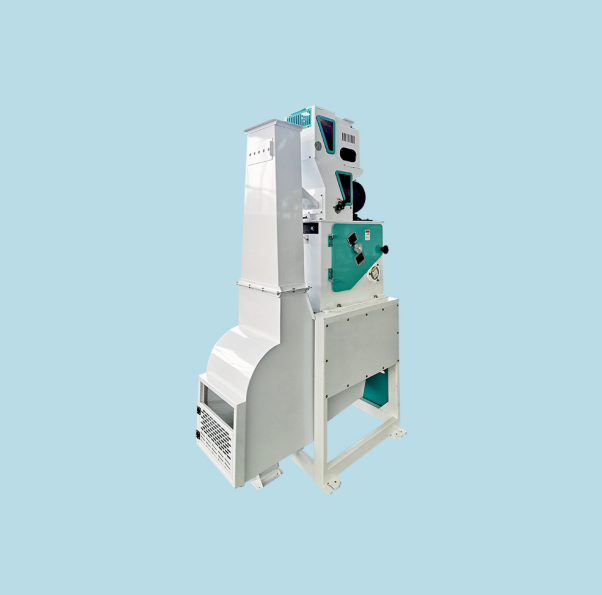
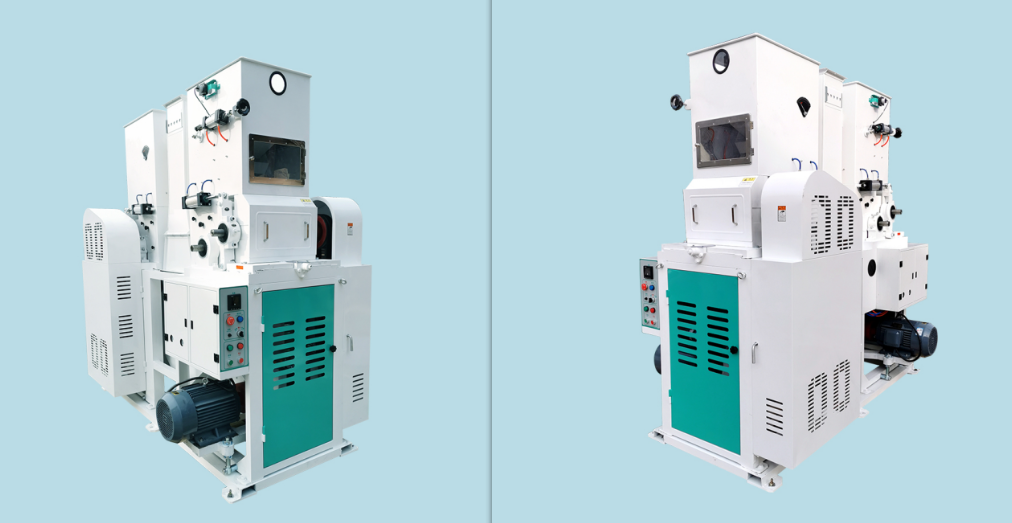
Double-Body Rice Huller
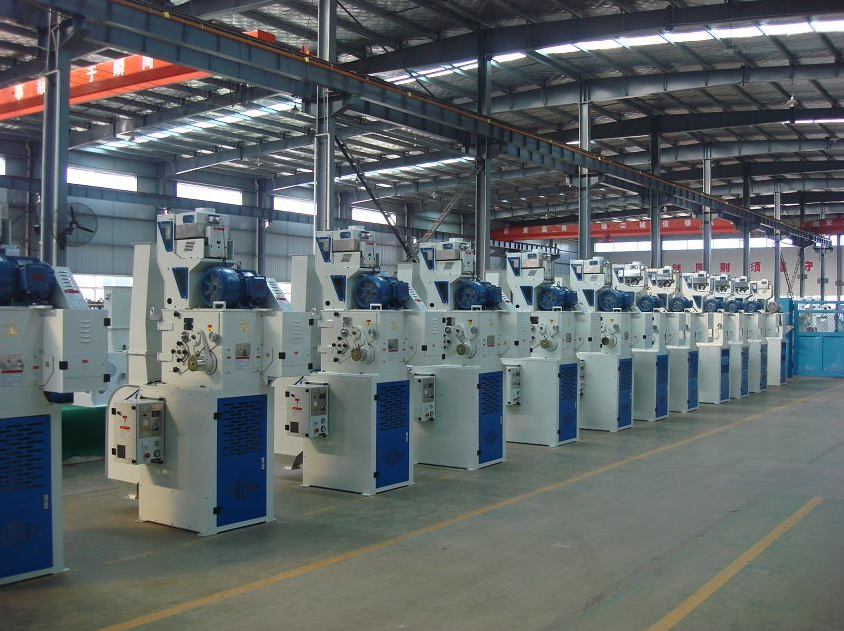
ANON Double-Body Rice Huller is equipped with two husking units (dual chambers with dual roller sets) within one machine frame. Designed to increase capacity, stability, and reduce downtime during operation for a large rice mill production line. The output capacity of this model ranges from 4 to 14 tons per hour. This model is suitable for mills with tight spaces.
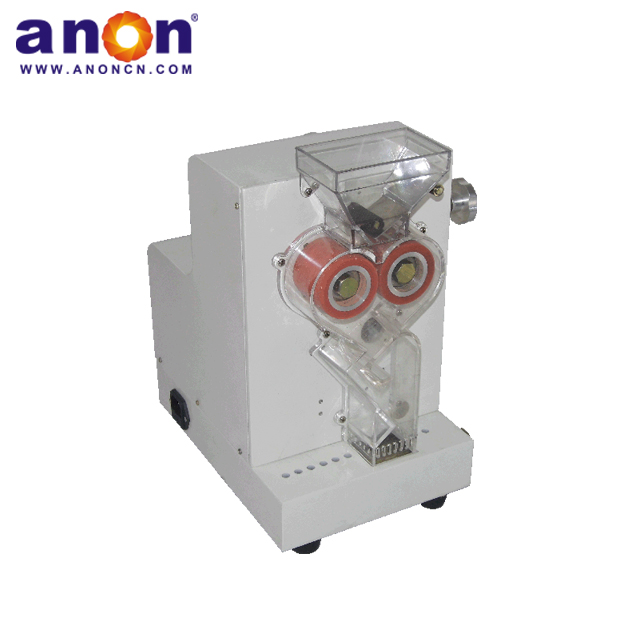
Laboratory Rice Huller
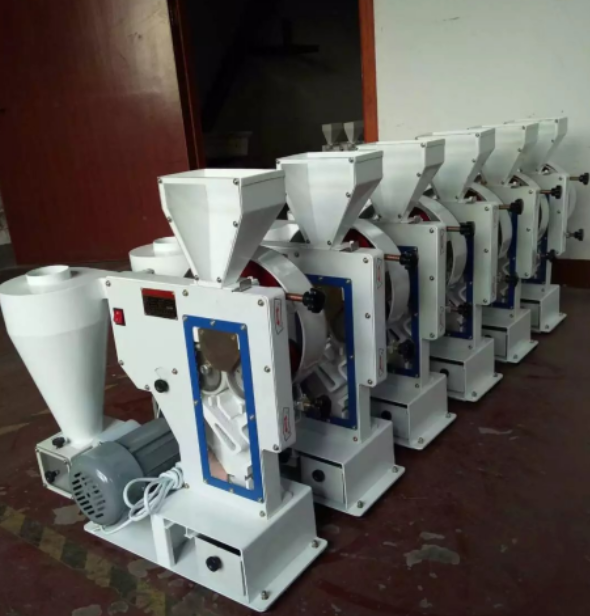
There is also a small lab rice huller. You need to manually adjust the distance and pressure between the rubber rollers. This machine helps you test the milling rate of different types of rice, so you can identify which rice is of better quality and avoid buying low-quality rice.
Our Company
ANON is Top Manufacturer & Supplier of rice milling plants in China, specializing in solutions ranging from small rice mills to large-scale commercial rice milling plants.
With over 20 years of experience in rice milling equipment manufacturing, our rice milling equipment is trusted by farmers and agricultural producers worldwide. Our rice husker machines are designed to meet the varying needs of modern rice mills that require high yield and consistently high quality.
We are committed to solving your concerns about rice husker machines and providing you with professional rice milling machinery. Contact us if you have any questions regarding our products.
Rice huller, you can also call it rice husker machine. Rice hullers are usually used in the rice milling process, to help you remove the husk from the rice. In the following content, we will explore the types, working principles, and benefits of rice hullers, to help you know more about this machine. Keep reading!
Parts of a Rice Huller
Let’s learn about the components of a rice huller to help you understand the working principle of a rice huller better.
1. Feed Hopper:
This is used to receive and store raw materials that need to be processed, ensuring that the material enters the processing area in an organized manner.
2. Flow Plate:
Located below the feed hopper, it ensures that incoming rice flows evenly toward the rubber rollers. It helps control the amount of rice being fed into the machine, preventing issues like uneven husking or machine blockages caused by too much or too little rice.
3. Rubber Rollers:
These are the key components of the rice husker, located below the flow plate. Usually used in pairs, the two rollers rotate in opposite directions to remove the husk from the rice.
4. Pressure Weight Adjustment Mechanism:
This is unique to the pressure weight-type rice husker. It adjusts the distance between the two rubber rollers by changing the weight of the pressure weight. In the pneumatic rice husker, air pressure components automatically control the roller gap. When there’s no material, the rollers automatically separate. When material is present, the rollers automatically come together.
5. Gearbox:
The gearbox transfers the power from the engine to the various parts of the rice husker, ensuring that all components work together smoothly for efficient operation.
6. Husk Separation Device:
This device separates the husk from the brown rice by using the different weights and suspension speeds of the two materials. It controls the airflow to separate the husk from the rice.
7. Rice Husk Outlet:
The rice husks are sucked out of the machine by air generated by the fan and are removed through the suction duct.
8. Brown Rice and Husk Mixture Outlet:
The brown rice and husk mixture, being heavier, cannot be carried away by air and falls to the outlet below.
How a Rice Huller Works
The rice hulling process can be simply divided into two stages: one is rice hulling, and the other is rice husk separation.
1. Rice husking
When the cleaned rice enters through the feed inlet, it falls onto the flow plate. The flow plate adjusts the rice so it evenly drops between a pair of elastic rubber rollers. As the rollers rotate in opposite directions, they rub, tear, and squeeze the rice, causing most of the rice husks to fall off.
2. Rice husk separation
When the cleaned rice enters through the feed inlet, it falls onto the flow plate. The flow plate adjusts the rice so it evenly drops between a pair of elastic rubber rollers. As the rollers rotate in opposite directions, they rub, tear, and squeeze the rice, causing most of the rice husks to fall off.
3. Factors to consider when choosing a rice huller
When you are looking to buy a rice husker, the following factors may help you make a better and more suitable choice.
1. Budget
First, consider the price of the rice husker. However, when buying a rice husker, you should not only think about the purchase cost, but also its long-term investment benefits. A high-quality rice husker lasts longer, produces rice with the quality you need, and reduces the need for repairs. This way, the return on investment for the rice husker will be higher.
2. Capacity
Rice huskers come in different sizes.
We categorize even the same type of rice husker by how much rice it can process into brown rice each day. For example, the common capacities for pressure weight-type rice huskers are 1.5 to 2 tons per hour, 2 to 2.5 tons, 3 to 4 tons, and 5 to 6 tons. Pneumatic rice huskers usually have capacities of 2.5 to 3.5 tons, 4 to 4.8 tons, and 6 to 8.5 tons. You should choose a husker based on your daily production needs to avoid wasting resources.
3. One-time shelling rate
Another important factor that many customers focus on is the initial husking rate. A higher husking rate reduces the work needed for further processing, which improves your rice milling efficiency.
Higher efficiency means higher output and lower production costs.
FAQs
1. What is a rice huller?
A rice huller, also known as a rice husker machine, is a rice milling equipment used to remove husk from paddy and produce brown rice. This is essential equipment in the milling process, whether you are producing brown rice, white rice, or even parboiled rice.
2. What is the advantage of a rubber roller rice huller?
Rubber roller rice huskers provide high hulling efficiency and low rice breakage rate, making them the most widely used type in industrial rice mills. All of the rice husker machines manufactured by ANON adopt high-quality rubber roller sets.
3. How does a rice husker work?
What is the working principle? Rice huskers use two rubber rollers to break up the unhusked rice. The two rubber rollers are installed adjacent (parallel) at a certain distance and rotate in opposite directions at different speeds.
4. What is the working principle of a double-body rice huller?
A double-body rice huller usually combines two individual husker units controlled by an integrated control panel. Both roller sets run at the same time, ensuring a higher throughput production.
ANON double-body huller equipped with a double motor system, ensuring the same hulling performance. The shared air separation design saves operational energy usage.
In sum, a double-body huller is a better choice for an industrial milling line with tight space. It lowers the operation downtime and provides higher capacity and stable operation.
5. What capacity rice huller should I choose?
Household or small mills: 200–1000 kg/h
Commercial or Medium rice mills: 1–5 ton/h
Large-scale or industrial rice mill plants: 5–20 ton/h
6. What affects rice breakage rate during rice hulling?
There are many factors affects the rice breakage, the rice-related issues, and the machine related. The main factors include:
Roller gap adjustment
Moisture content of paddy
Machine type
Operational stability
7. What is the difference between a rice huller and a rice mill?
A rice huller is one of the key machines in a rice milling line; it serves one purpose, that is to remove the husk from the paddy. The whole rice mill production line contains many other pieces of equipment serving cleaning, separating, whitening, polishing, grading, and color sorting purposes.
8.What to do with the rice husk from the rice huller machine?
Rice husk is a large amount of waste generated during rice production. It cannot decompose, thus causing serious environmental pollution. However, because rice husk contains two important elements, carbon and silicon, it is also a promising organic mineral feedstock. Rice husk can also serve as a good fuel.