



Introduction
Rice is a popular staple food worldwide, an indispensable part of the daily diet in many countries. However, few people know that the process from rice harvesting to white rice production is complex and meticulous. So, how is harvested rice processed into white rice? In this issue, ANON will answer these questions in detail.
Rice Harvesting and Processing Methods
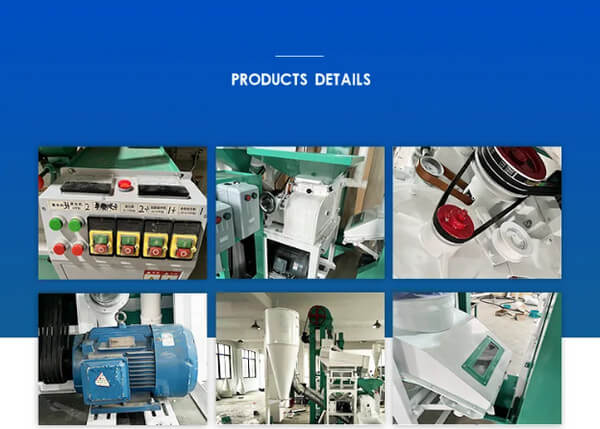
Rice harvesting and processing typically involve planting, harvesting, and processing rice.
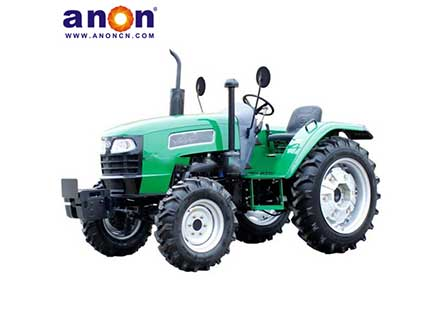
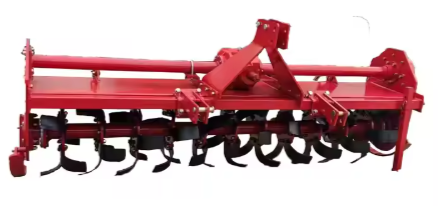
First, rice cultivation requires ample water and fertile soil, as well as regular irrigation and fertilization. After the rice matures, it needs to be harvested, traditionally by hand. However, the current demand for rice is enormous, resulting in a vast area under rice cultivation. Therefore, to harvest rice quickly, agricultural machinery such as combine harvesters and tractors must be used.
Next, if the rice is harvested whole, it needs to be threshed. The resulting rice then undergoes drying, cleaning, hulling, and whitening processes to become the white rice we consume.
With the help of modern technology, the efficiency and quality of rice processing have been greatly improved.
The ANON platform can provide you with the necessary rice milling equipment and agricultural machinery tools.
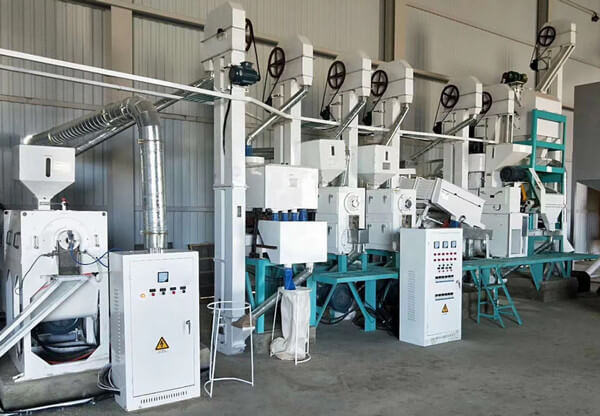
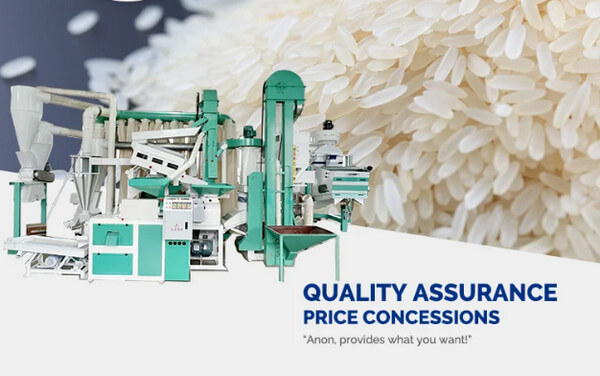
We can provide a 1-200 tons per day combined rice mill production line. If you also have rice milling needs, you can contact us.
How is White Rice Processed
First, let’s discuss the processing methods and steps of rice. What equipment is needed to produce high-quality white rice? After reading this article, you will understand. White rice refers to rice that has been processed to remove impurities such as husks and bran, resulting in pure rice grains. It is the part remaining after removing the husk, germ, and bran layer. The processing of white rice refers to a series of steps involving the handling of rice. These include cleaning, hulling, milling, and grading. The detailed basic steps are as follows:
Cleaning
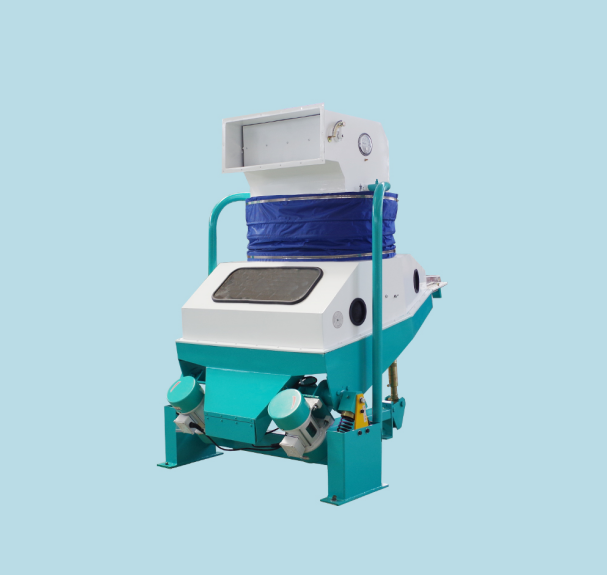
The rice grains enter cleaning machines, such as cylindrical cleaning screens, flat rotary screens, and vibrating cleaning screens. These cleaning machines mainly use the principle of screening to remove both large and fine impurities from the rice grains. Then, the rice grains enter destoners, which are mainly used to remove stones contained in the rice grains.
Hulling
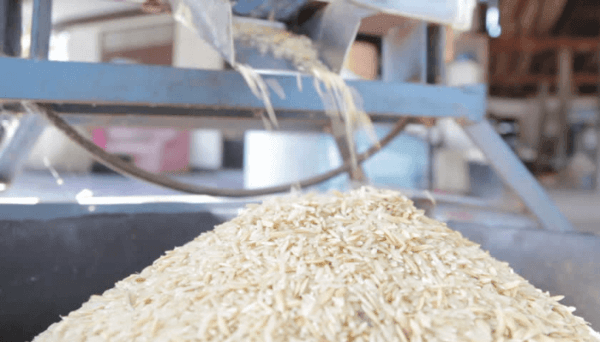
The cleaned paddy rice enters a rice husker machine, where a pair of counter-rotating rollers at unequal speeds remove the outer husk of the paddy rice, resulting in brown rice.
Paddy Separation
The brown rice after hulling may still contain some unhulled paddy grains. A paddy separator is used to separate the brown rice from the paddy mixture. The final product consists of brown rice, a paddy-brown rice mixture, and paddy rice. Brown rice can proceed to the next stage of processing, while paddy rice returns to the rice huller for a second hulling. The paddy-brown mixture then returns to the paddy-brown separator for a final sieving.
Milling
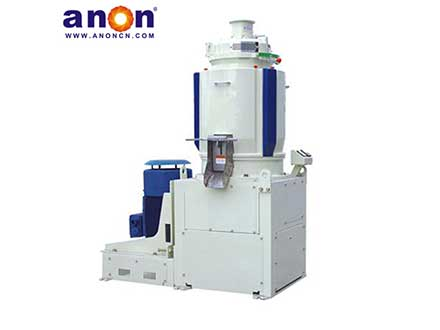
Brown rice enters the rice whitener, where the high-speed rotation of the milling drums whitens it, transforming it into the white rice we see daily.
Grading
The milled white rice contains broken grains, so it goes into a rice grader machine. This machine uses a sieve with decreasing aperture size from top to bottom to separate whole rice, large broken rice, medium broken rice, and small broken rice. Different processing methods can be applied as needed.
Color Sorting
White rice grains may vary in color. If you have strict quality control requirements, you can use a color sorter. Color sorters use the optical properties of rice to separate grains of different colors, maintaining a consistent standard in the finished product.
Polishing
If you want your rice to have a glossy finish and achieve higher quality, you can use a rice polishing machine to polish it. Polishing can fill in surface cracks, making the rice more aesthetically pleasing and increasing its commercial value.
Packaging
Processed rice needs to be packaged into a marketable finished product, which can be done using a rice packaging machine.
How to Use Rice Mill Equipment
Some friends here will ask, for farmers like us, how we should operate this large rice mill equipment?
I have never come across such a machine. How do I use a rice mill to process rice?
In fact, everyone’s worries are unnecessary. By using modern processing equipment,
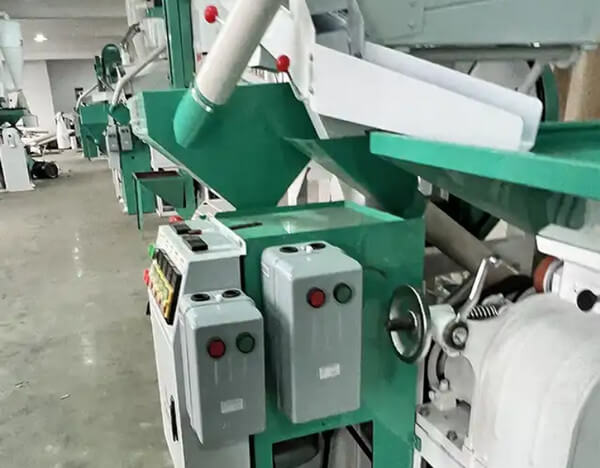
Before assembling into a rice mill or rice mill production line, our technical engineers will provide you with operational training.
Moreover, today’s rice mill equipment is simple to operate and can save a certain amount of labor costs.
Summarize
Rice processing is a complex process involving multiple steps.
Understanding the steps of processing helps us better understand the production and consumption of rice.
If your farmland needs harvesting equipment, or a processing plant wants to purchase a rice mill,
You can come to the ANON platform to learn more about agricultural machinery and equipment. Our products are sold in many countries.
If you have any questions about our equipment, you can leave a message online for details.
I believe we will provide you with a satisfactory solution.
FAQ
Is rice milling profitable?
What is the profit margin of a rice mill? The profit margin of a rice mill is affected by many factors, including paddy rice costs, white rice prices, and milling efficiency. However, a well-managed rice mill can achieve a profit margin of 20% to 30%.
What is the lifespan of a rice milling machine?
The lifespan of a rice milling machine is typically 10 to 20 years, depending on usage, maintenance, and the quality of the machine itself.