



Introduction
Sowing is a crucial and indispensable step in agricultural production. Traditional sowing typically involves digging furrows, sowing seeds, and finally covering with soil. Fertilization is also often added to the process, making it extremely tedious and labor-intensive. The advent of seeders can significantly improve work efficiency, saving you time and labor. If you are interested in seeders, read on!
What is a seeder?
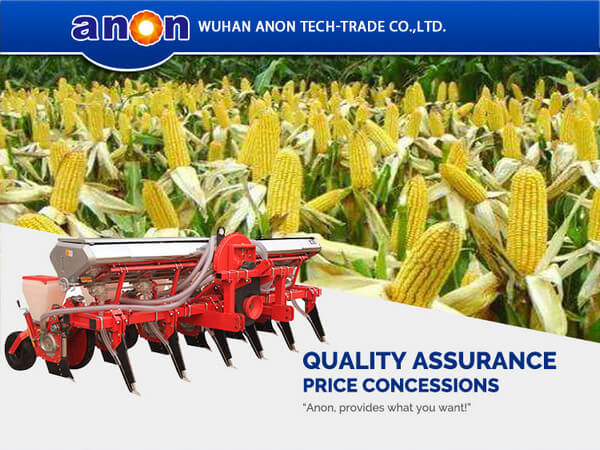
A seeder is a powerful machine that can quickly sow crop seeds into the soil. It can perform tasks such as furrowing, sowing, covering, and fertilizing. Using a seeder allows for precise sowing, with excellent control over row spacing, plant spacing, and sowing depth.
How does a seeder work?
The working principle of an agricultural seeder is realized through a series of internal structures and operational mechanisms. These structures are complex yet ingenious, working together to complete efficient and precise sowing tasks. Below, I will introduce you to the main components of a seeder and their functions.
Suspension Mechanism
A three-point suspension frame is used to connect the tractor, and the lifting of the entire machine can be controlled by a hydraulic system.
Transmission Device
The transmission device is responsible for transmitting power to various working components of the seeders, driving them to operate normally.
Trencher
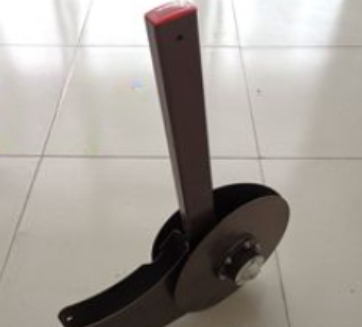
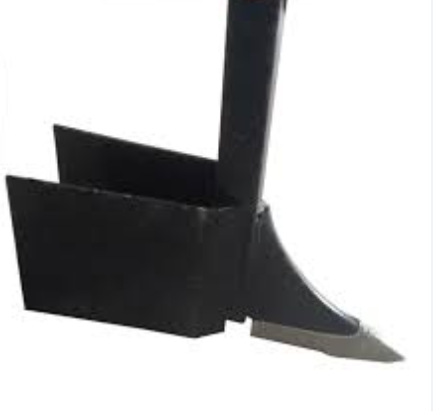
The trencher is used to cut into the soil to form seed trenches of appropriate depth, allowing seeds to be buried at a precise depth, which enhances germination rates. Common trenchers include disc-type and hoe-shovel-type, suitable for different soil conditions and sowing needs, respectively. The disc trencher creates a neat seed trench by alternating the action of two sharp discs to cut through the soil and push it aside. The hoe-shovel-type trencher has a simple structure and is suitable for specific environments. Relying on its own weight and additional gravity when in operation, it has a tendency to enter the soil under traction, thus providing good soil penetration.
Frame
The frame of a seeder is essentially its skeleton, and it significantly impacts its performance. For example, a parallel four-bar linkage contour-following frame ensures the furrow opener can independently adapt to uneven ground, guaranteeing consistent sowing depth. Seeders with double springs mounted on a parallel four-bar linkage frame are called suspended seeders, designed to handle uneven terrain. The springs provide adjustable and stable downward pressure, ensuring the furrow opener penetrates to the set depth in soils of varying hardness. Direct seeding machines, on the other hand, have only one linkage and no springs, resulting in a simpler structure suitable for direct sowing.
Seed Box and Fertilizer Box
The seed box and fertilizer box are devices used to store seeds and granular fertilizer, respectively. The large-capacity seed box and fertilizer box design of modern seeders ensures continuous sowing while also providing good sealing and easy addition of seeds and fertilizer.
Seed Meter Device
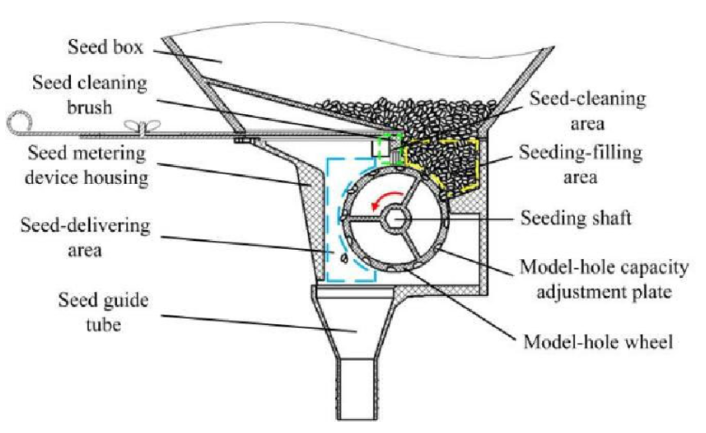
The seed metering device is one of the core components of a seeder, responsible for evenly and quantitatively discharging seeds from the seed box, ensuring sowing density and uniformity. Different types of seeders use different seed metering devices. Common types include external grooved wheel type, finger clamp type, spoon wheel type, air suction type, and air blow type. The external grooved wheel type is mainly used for row sowing of small seeds such as wheat and rice, and has a relatively simple structure. The spoon wheel type and finger clamp type are suitable for single-seed precision sowing of medium-sized seeds, allowing for precise control of plant spacing. The air suction type and air blow type seed metering devices use negative or positive pressure airflow to adsorb seeds, achieving high-speed precision sowing. They have low requirements for seed shape, cause minimal damage, and are among the most advanced technologies currently available.
Fertilizer Dispenser
A fertilizer dispenser is a device responsible for discharging a measured amount of fertilizer.
Seed/Fertilizer Delivery Tubes
As their names suggest, seed and fertilizer delivery tubes are devices that guide seeds and fertilizers from the seed metering device and fertilizer metering device to accurately fall into the seed furrow.
Soil Coverer
After seeds are sown, the soil coverer covers the trench with soil to prevent seeds from being exposed to the air, thus avoiding loss or affecting germination. The soil coverer can adjust the soil layer thickness as needed to ensure that seeds grow in a suitable soil environment.
Press Wheel
After soil covering, you need to compact the soil using a press wheel, which is usually composed of a compacting wheel or steel plate. This ensures tight contact between seeds and soil, effectively preventing the loss of temperature and humidity in the soil, which is beneficial for seed germination and growth.
Walking Wheels
Walking wheels support the movement of the seeders on the ground, ensuring it can work smoothly and continuously.
Detection Device
Some seeders are also equipped with detection devices that can help monitor the sowing process and troubleshoot any issues promptly when encountered.
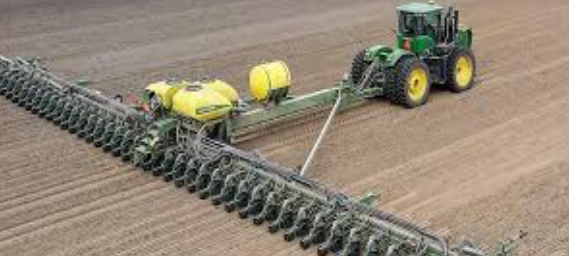
In general, the seeder achieves efficient and precise sowing operations through a series of workflows, including power transmission, seed and fertilizer distribution and discharge, trenching and sowing, soil covering and compaction, as well as adjustment and monitoring.
Types of Agricultural Seeders
According to different sowing methods, seeders can be divided into broadcast seeders, drill seeders, hill (or dibble) seeders, precision seeders, and combination seeders.
Broadcast Seeder
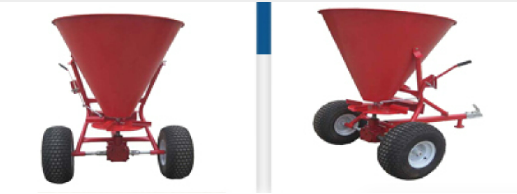
The broadcast seeder ensures uniform distribution of seeds across the land, facilitating rapid and even sowing. A most common model is the centrifugal broadcast seeder, typically mounted at the rear of agricultural trucks or even installed on agricultural aircraft. It consists of a seed box and a broadcast wheel. Seeds fall from the seed box onto the broadcast wheel and are thrown out tangentially by centrifugal force, covering a distance of 8 to 12 meters. Besides sowing, it can also help fertilize, distribute powdered or granular fertilizers, and spread lime and other materials.
Seed Drill Machine
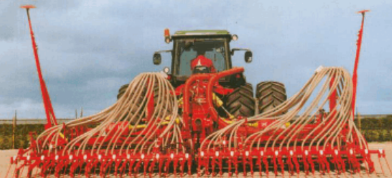
Seed drill machines sow seeds in rows at specified row spacings, depths, and quantities, followed by soil covering and compaction. During operation, seeds are discharged in a uniform stream. Users do not need to worry about seed spacing but only the number of seeds within a certain length. The consistent soil covering depth ensures more uniform seedling emergence, better sowing quality, and easier field management. They mainly sow cereals such as wheat, millet, sorghum, and rapeseed.
Hill Drop Planter
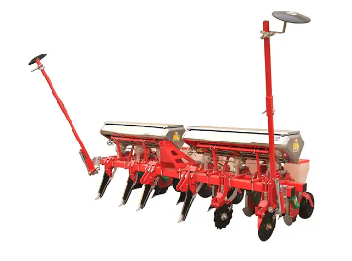
The hill drop planter sows seeds at specified row spacings, hole spacings, and depths by placing seeds into designated holes. This sowing method gives each seed its own independent growth space, making it ideal for root and tuber crops. Hole seeding ensures uniform distribution and reasonable spacing of seedlings in the field, enhancing the seedling emergence ability of crops planted in clusters, such as beans. Hole seeding machines are primarily sowing corn, cotton, peanuts, and other crops. Compared to seed drills, they help save seeds, reduce post-emergence thinning management, and improve seed emergence rates and operational efficiency by fully utilizing water and fertilizer conditions.
Precision seeder
A precision seeder is a machine that places seeds into the seedbed at a precise rate, spacing, and depth, and is used to plant cash crops with high accuracy and precision. Precision seeders differ from similar seeders in that they not only maintain consistent row spacing, but also precisely separate plants within the same row. Air suction seeder, pneumatic seeder, and spoon wheel seeders are all precision seeders.
Air Suction Seeder
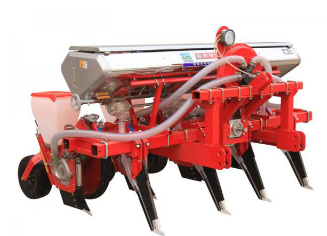
The air suction seeder uses negative pressure to pick up seeds for precise sowing, offering strong technical performance advantages over other mechanical seeders. It has a detection installation position inside the seed metering device to install seed detection equipment, enabling real-time monitoring during sowing to avoid missed or repeated sowing. It can achieve single-seed sowing, reducing seed usage and costs. With high sowing accuracy and minimal damage to seeds during sowing, it can also achieve high-speed sowing and is suitable for sowing various crops such as corn, soybeans, sorghum, sunflower oilseeds, rapeseed, and millet.
Pneumatic seeder
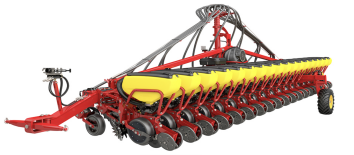
The pneumatic seeder uses the gas pressure generated by the pneumatic pump to transport the seeds from the seed box to the sowing tube, and then sows the seeds into the soil through the nozzle of the sowing tube. The control valve can adjust the pressure of the pneumatic pump and the sowing speed of the seeds as needed to achieve the best sowing effect. The air-blowing seeder uses airflow to quickly sow seeds in a designated area. By adjusting the control valve, the sowing speed and seed quantity can be accurately controlled to improve sowing efficiency.
Spoon Wheel Seeder
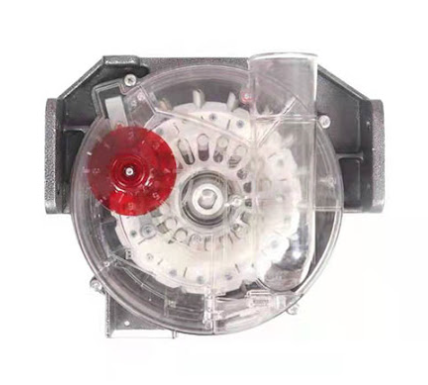
Separate individual seeds by a spoon wheel, then slide the seeds from the spoon onto the seeding tray, and finally drop them into the seed ditch through the rotation of the seeding tray. The spoon wheel seeder has the advantages of uniform sowing, simple structure, and easy maintenance. It is suitable for the precise sowing of various crops and can also fluctuate up and down with terrain to maintain consistent sowing depth, making it suitable for use on uneven land.
Finger-clamp seeder
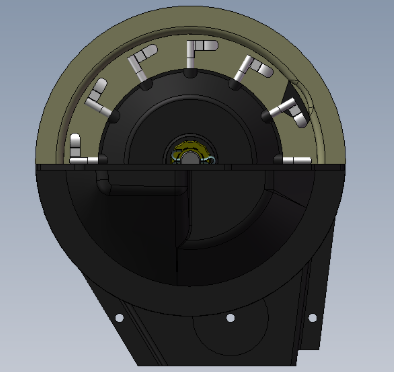
The finger-clamp seeder is a type of mechanical precision seeder known for its high sowing accuracy. It is commonly used for planting big seeds such as corn, soybeans, and cotton. The core component of this machine is the finger-clamp seed metering device, named for its working principle, which resembles fingers gripping a seed.
The seeder uses a set of finger-shaped clamps, usually made with springs or mechanical structures. As the device rotates, the clamps accurately pick up seeds from the seed box and release them at a specific point so the seeds fall into the seed furrow.
Unlike vacuum or air-suction seeders, the finger-clamp seeder relies on mechanical gripping, making it well-suited for large or irregularly shaped seeds. It can accurately plant one seed per hole, achieving high precision and a low rate of missed seeds.
Combined Seeder
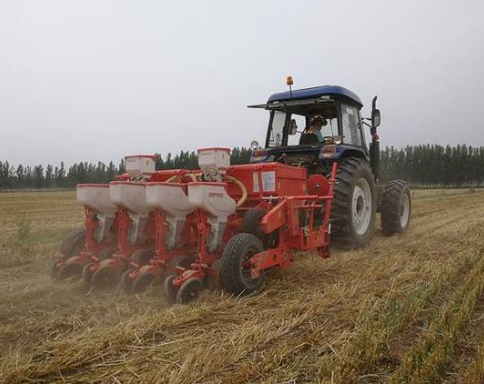
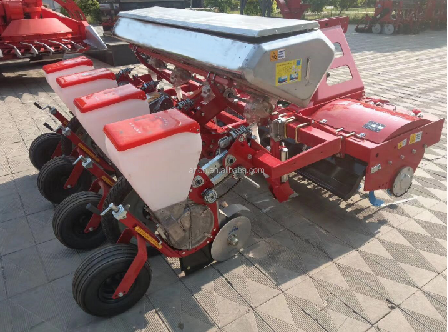
Combined seeders and no-till seeders refer to grain drills equipped with fertilizer boxes, fertilizer distributors, and fertilizer conveying pipes, enabling simultaneous sowing and fertilizing to maximize sowing efficiency. A combined harvester integrated with land tillage, pesticide and herbicide spraying, and plastic film laying can even complete tasks such as tillage, seed and fertilizer application, soil sterilization, drainage ditch excavation, sowing, pesticide and herbicide application in one pass. No-till seeders directly open seed trenches in the stubble field after harvesting the previous crop, also known as direct seeders or hard-stubble seeders. This sowing method helps prevent soil erosion and save costs, and it has a global use for sowing crops such as cereals, forage, and silage corn.
Maintenance of Agricultural Seeders
Seeders, frequently operating outdoors under harsh conditions, are prone to damage. Proper maintenance can help extend their service life.
Regularly Lubricate and Check Parts
Firstly, for the seeder’s transmission devices, seed metering drive units, furrow opener bearings, and other components, using the professional lubricant to lubricate them regularly. In order to ensure smooth operation, you should inject oil into various parts before starting the machine. After a period of use, check all bolts for tightness, loss, or damage, and promptly replace or repair them. Repaint any peeling paint on the seeder with spray paint to prevent metal rust and corrosion.

Keep Clean
Keep the seeder clean. After use, thoroughly clean out residual seeds, fertilizer, weeds, soil, and other debris. Uncleaned seeds in the seed box may mold due to moisture, clogging the seed metering device. Wet fertilizer can solidify on the fertilizer distributor, rendering it unusable, and fertilizer also corrodes metal. If you don’t use the seeder for a long time, clean off weeds and mud from the transmission belt, press wheels, etc., and store it indoors in a dry place. If stored outdoors, cover it with plastic or tarpaulin to protect it from wind and rain.
Choosing the Right Agricultural Seeders
How to choose the appropriate seeder?
Types of Seeds
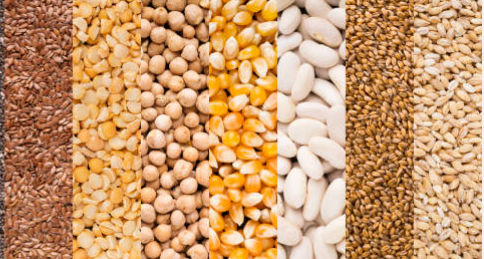
Firstly, select a seeder suitable for the type of seed you intend to plant. Seeders, according to crop type, have grain seeders and vegetable seeders. Manufacturers typically specify the seed types suitable for their machines, like corn seeders, cotton seeders, wheat seeders, etc. Generally, seed drills can plant most grains effectively. For high-density crops like cotton and peanuts, use a hole seeding machine. The combined seeder is suitable to plant grains, forage, and apply fertilizer simultaneously. As for higher-precision planting, consider an air suction seeder or spoon wheel seeder. At last, for crops with no specific row spacing requirements, you can use a broadcast seeder.
Know Your Land
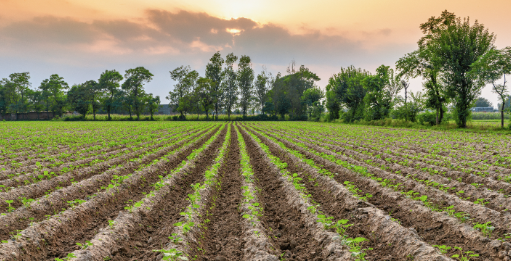
Consider the size of your land, soil type, and terrain when choosing a seeder. If your farm is small and the daily seeding requirement is low, you can choose either a seed drill or a hole seeding machine. However, for larger areas with demands for faster operation, a combined seeder is more recommended. The soil type and terrain can also affect the performance of the seeder. For example, due to insufficient power, some seeders may not be suitable for uncultivated soil. The spoon wheel seeder is suitable for uneven land operations.
Consider the Seeder Itself
Before purchasing a seeder, it’s very important to understand its features clearly. For example, you need to know its material, corrosion resistance, adjustability of row spacing and width according to different seed planting needs, availability of spare parts, and the horsepower of the tractor required for traction. These factors directly determine your subsequent user experience.
Budget Consideration
Lastly, consider your budget, including maintenance, repair, and operating costs. Research the prices and quality of different manufacturers to purchase the most cost-effective machine.
Conclusion
After reading this article, you may gain an insight into agricultural seeders. Hoping it will be useful for you on how to choose your seeder. ANON Agricultural Machinery always aims to provide efficient and easy-to-operate machines to clients worldwide. ANON, accompanying you through every stage of your farming endeavors.
FAQ
No-till and minimum-till seed drills are designed to place seeds directly into the soil with minimal disturbance and offer several benefits, such as maintaining soil structure, supporting soil biology, and increasing soil water-holding capacity.