



How to Start a Small Rice Mill Business: Equipment, Cost and Profit Analysis
Starting a small rice mill business requires more than simply purchasing machines. Choosing the right rice milling machines is an important step because the best solution depends on your paddy supply, production target, rice quality requirements, and future business plans.
Before investing in a rice mill, you need to understand your actual processing needs, choose the right rice mill capacity, and decide whether a combined rice mill or a complete rice milling line is more suitable.
This guide explains how to evaluate your business goals, select suitable equipment, control investment costs, and build a practical rice milling solution for long-term growth.
Evaluate Your Rice Milling Business Goals Before Choosing Equipment
Choosing the right rice mill equipment is an important step when starting a rice milling business. However, the best solution is not always the biggest or most advanced machine.
Before choosing a rice mill, you need to first understand your business situation, including your paddy supply, production target, rice quality requirements, and future growth plans.
A suitable rice milling solution should match your actual needs. Before investing in equipment, ask yourself the following questions:
Q1:Where does your paddy supply come from?
Situation A: You Own Farmland and Want to Process Your Own Rice
Some farmers, family farms, and agricultural cooperatives invest in a small rice mill to process their own harvested paddy.
In this situation, the main purpose is usually to reduce dependence on outside rice processors and produce rice for local consumption or sales.
Before choosing equipment, consider:
- How much paddy can you produce each year?
- Is your paddy supply mainly available during the harvest season?
- Do you have enough storage space for paddy after harvesting?
- Do you have at least 30 meter square space in side to place the rice mill machines? if not, consider a mini rice mill, or household rice mill machine.
For this type of business, a small capacity rice mill is often a practical choice. It requires lower investment and can meet the processing needs of farms, villages, or small local markets.
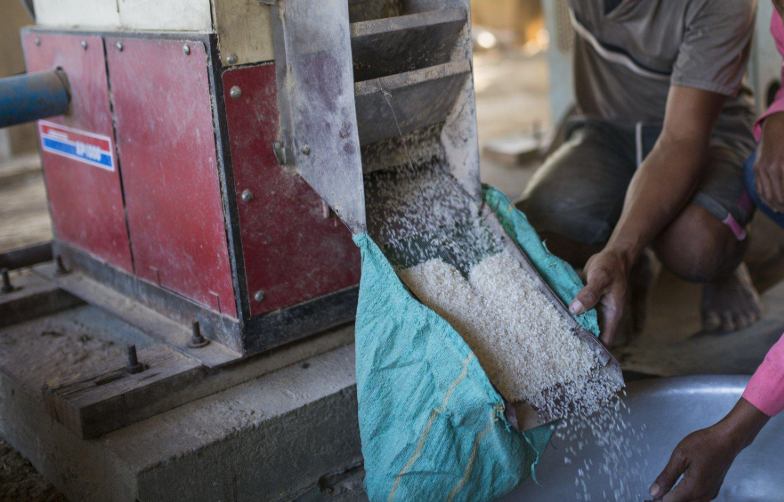
Situation B: You Have Stable Paddy Suppliers from Local Farmers
If you do not grow rice yourself but purchase paddy from local farmers, you need to pay more attention to production capacity and continuous operation.
For example, if you are a rice trader or local rice processor, you need equipment that can handle a stable daily supply of paddy and keep your production running efficiently.
Before choosing a rice milling solution, consider:
- How much paddy can you collect every day?
- Do you have enough suppliers to maintain continuous production?
- What is your target rice output?
If you have a stable paddy supply, choosing a higher-capacity rice mill or a complete rice milling line can help you improve efficiency and achieve better long-term returns.

Situation C: You Already Operate a Small Household Rice Mill and Want to Upgrade
Many rice businesses start with simple household rice milling equipment and upgrade when customer demand increases.
If you already have a small rice mill, your goal may not be to start from zero, but to improve production capacity and rice quality.
In this case, you should evaluate:
- Is your current output enough for your customers?
- Do you have a high broken rice rate during milling?
- Do you need better rice appearance and quality control?
Depending on your needs, you may upgrade individual machines or move to a small scale complete milling line solution with better processing efficiency.
A suitable upgrade can help increase output, reduce grain loss, and produce higher-quality rice for the market.
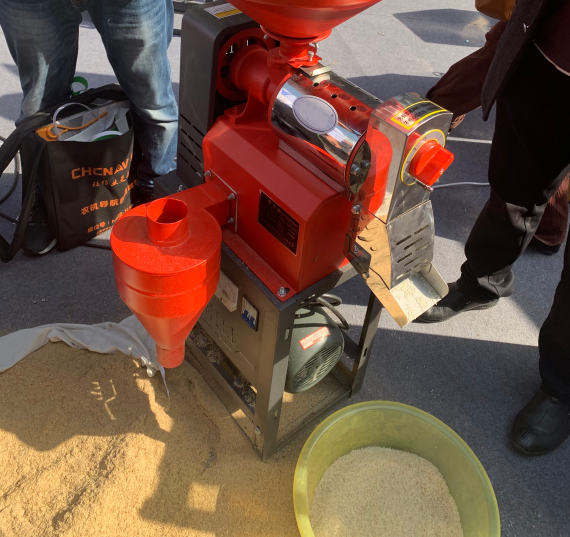
Summary
Before purchasing a rice mill, clearly understanding your business situation is the first step. Your paddy supply, expected production volume, and rice quality requirements will determine whether you need a small capacity rice mill, upgraded equipment, or a complete rice milling solution.
Q2. What is your target market?
Before choosing rice milling equipment, you need to understand what type of rice you plan to produce and sell.
Ask yourself:
- Are you selling ordinary rice to local markets?
- Are you producing premium packaged rice for supermarkets or retail customers?
- Do you plan to supply export-quality rice?
- What type of rice do you want to process?
For example:
- Long-grain rice, such as indica rice, is commonly consumed in many Asian, African, and South American markets.
- Medium-grain rice and short-grain rice, such as japonica rice, are popular in markets where softer and stickier rice is preferred.
- Specialty rice, such as aromatic rice, jasmine rice, or basmati rice, usually requires better control of processing quality to maintain appearance and grain integrity.
Different rice varieties have different grain characteristics, hardness, and processing requirements. Therefore, you may need different combinations of milling and polishing equipment to achieve better milling performance, reduce broken rice, and produce rice that meets your market requirements.
For example, a rice grader, rice polisher, or color sorter may be added when you need higher-quality finished rice or want to enter premium and export markets.
Q3. What is your expected future growth?
Before choosing a rice milling solution, consider your future business plans.
Ask yourself:
- Do you plan to serve only local customers?
- Do you expect to increase production in the next 3-5 years?
If you plan to expand your business, choosing equipment with upgrade potential can help avoid replacing the entire system later. A suitable rice mill should meet your current needs while leaving room for future growth.
How to Choose the Right Rice Mill Capacity?
Choosing the right rice mill capacity is one of the most important decisions when starting a rice milling business. A machine that is too small may not meet your production needs, while an oversized rice mill can increase investment costs and reduce equipment utilization.
The right capacity should match your paddy supply, market demand, and future business growth.

Step 1: Estimate Your Available Paddy Supply
Before selecting a rice mill, first evaluate how much paddy you can process.
If you process rice from your own farmland, consider:
- cultivated area
- annual rice yield
- harvesting season
If you purchase paddy from farmers, consider:
- number of suppliers
- daily paddy availability
- storage capacity
If you are upgrading an existing small rice mill, consider:
- current production output
- equipment limitations
- rice quality problems, such as high broken rice rate
Understanding your actual paddy supply helps avoid choosing a rice mill capacity that is too large or too small.
Step 2: Match Rice Mill Capacity With Your Business Stage
After understanding your paddy supply, you can choose a suitable rice milling solution based on your current business stage.
Small Capacity Rice Mill
A small capacity rice mill is usually suitable for beginners entering the rice milling business, farmers processing their own rice, and small local rice processors.
This type of rice mill is a practical choice when:
- your paddy supply is limited;
- you mainly serve a local market;
- you want to start with lower investment.
The main advantages include:
- lower initial investment;
- simpler operation and maintenance;
- easier management for small businesses.
However, small rice mills also have limitations. If your customer base grows quickly, the production capacity may not be enough for future expansion.
Medium Capacity Rice Mill
A medium capacity rice mill is suitable for businesses with a more stable paddy supply and regular customers.
Typical users include:
- local rice traders;
- agricultural cooperatives;
- rice processors serving regional markets.
Compared with small rice mills, medium capacity solutions provide a better balance between investment and production efficiency.
They can help businesses:
- process more paddy every day;
- improve production consistency;
- achieve better returns from equipment investment.
For many growing rice milling businesses, a medium capacity rice mill is often a suitable choice because it provides room for future development without requiring the investment of a large-scale plant.
Choose Capacity Based on Your Real Needs
The best rice mill capacity is not always the largest one. A suitable rice milling solution should match your available paddy supply, target market, investment budget, and future expansion plans.
By selecting the right capacity at the beginning, you can reduce unnecessary costs and build a more profitable rice milling business.
Combined Rice Mill or Complete Rice Milling Line: Which One Should You Choose?
Choosing between a combined rice mill and a complete rice milling line depends on your business size, investment budget, paddy supply, and future development plans. Both solutions have their own advantages and are suitable for different processing needs.
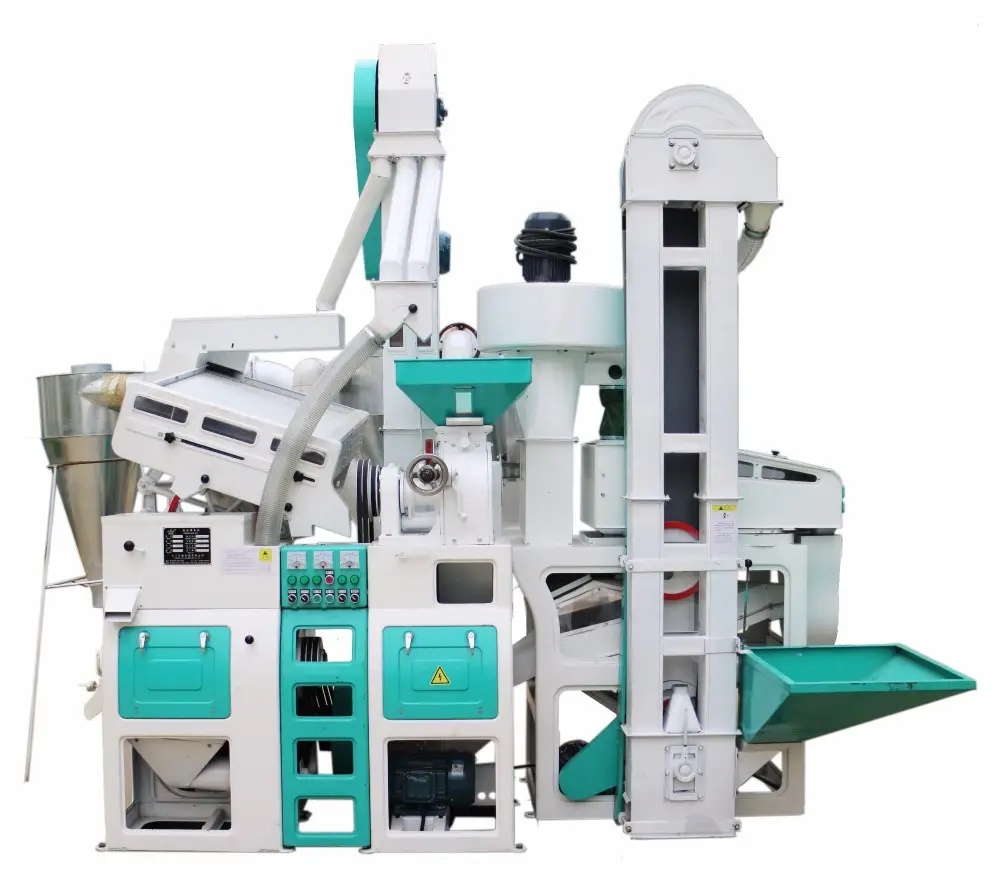
Option 1: Combined Rice Mill 15-30TPD
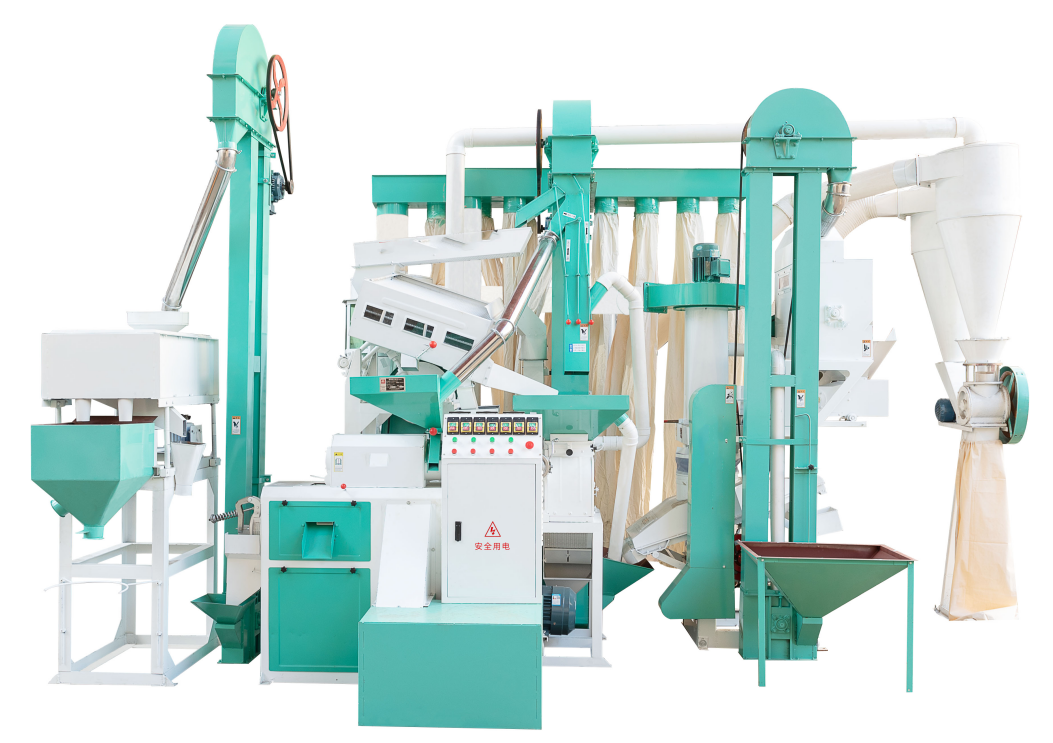
A combined rice mill integrates several basic rice processing steps into one machine, producing 15-30 tons of rice per day of operation. It is a practical choice for small businesses that are just starting their rice milling journey.
It is suitable for:
- startup rice milling businesses;
- farmers or small processors with limited paddy supply;
- businesses with lower initial investment budgets.
Advantages:
- lower investment cost;
- compact design and less space requirement;
- easier operation and maintenance.
However, combined rice mills usually have limitations in production capacity and flexibility. If your business grows significantly, upgrading to a more complete system may be necessary.
Option 2: Complete Rice Milling Line 40-60TPD
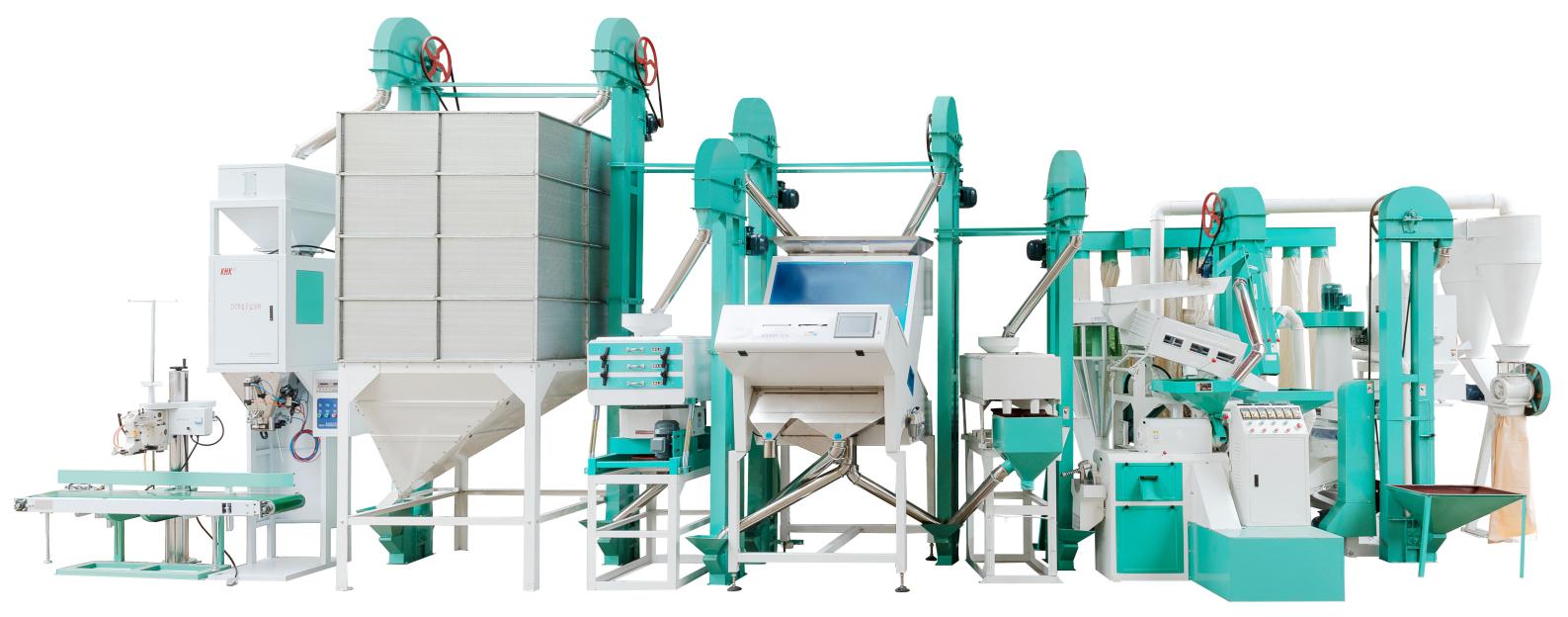
A 40-60TPD rice processing line consists of multiple machines working together to handle the full rice processing process, from cleaning and husking to whitening, grading, and packaging.
It is suitable for:
- commercial rice processing businesses;
- companies with stable paddy supply;
- businesses planning long-term expansion.
Advantages:
- higher production efficiency;
- better control of rice quality;
- flexible equipment configuration based on processing requirements.
The main limitation is the higher initial investment compared with a combined rice mill. However, it provides more opportunities for future expansion and improved processing performance.
How to Make the Right Choice?
The best option depends on your current business stage and future goals.
A combined rice mill may be a better choice if you want to start with lower investment and process a smaller amount of paddy.
A complete rice milling line is more suitable if you already have stable raw material supply and plan to build a long-term rice processing business.
Before making a decision, consider your current production needs, available paddy supply, target rice quality, and future expansion plans.
Which Rice Milling Equipment Is Worth the Extra Investment?
Not every additional machine is necessary when starting a rice milling business. The right equipment depends on your target market, rice quality requirements, and available budget.
1. Rice Color Sorter: Is It Necessary?
A rice color sorter is mainly used to remove discolored and defective grains.
It is recommended for premium rice brands, export markets, or customers with strict appearance requirements. For small rice mills serving local markets, it may not be necessary at the beginning.
2. Rice Grader
A rice grader separates rice by size and quality, helping produce more consistent finished rice.
It is worth investing in when you want to sell different rice grades or improve product presentation for larger markets.
3. Paddy Separator and Rice Polisher
Paddy separator and rice polisher directly affect milling performance and rice quality.
A good paddy separator can improve milling recovery, while a suitable rice polisher helps achieve better appearance and raise its market value.
Recommended Rice Milling Solutions for Different Business Situations
Different rice milling businesses have different production goals and investment plans. The following table provides a simple guide to help you choose a suitable rice milling solution.
| Business Situation | Common Needs | Recommended Solution |
|---|---|---|
| Farmer or small investor starting a rice milling business | Limited paddy supply, lower initial investment, simple operation | Small combined rice mill |
| Local rice trader or processor with stable paddy supply | Higher daily output, continuous production, better rice quality control | Small or medium complete rice milling line |
| Existing rice mill looking to increase production and improve quality | Higher capacity, lower broken rice rate, better finished rice appearance | Upgrade existing equipment with rice grader, color sorter, or advanced whitening system |
Before selecting equipment, consider your paddy supply, target market, production capacity, and future expansion plans to choose the most suitable rice milling solution.
How to Choose a Reliable Rice Mill Manufacturer?
Choosing the right rice mill manufacturer is as important as selecting the right equipment. A reliable supplier should not only provide machines but also help design a suitable rice milling solution based on your business needs.
When evaluating a manufacturer, consider the following factors:
1. Engineering Capability
A professional manufacturer should be able to analyze your paddy supply, production requirements, and rice quality goals to recommend a suitable equipment configuration.
2. Complete Product Range
A comprehensive supplier with both single rice milling machines and complete rice milling plants can provide more flexible solutions. This allows you to start small and upgrade your system in the future.
3. Installation and After-sales Support
Good technical support is important for smooth operation. Check whether the manufacturer provides installation guidance, operation training, spare parts supply, and maintenance support.
4. Customization Ability
Every rice milling business has different requirements. A reliable manufacturer should be able to customize solutions according to local conditions, such as available space, power supply, raw material quality, and production capacity.
With more than 20 years of experience in international export, ANON has supplied Chinese rice milling equipment to customers across Africa, Asia, the Middle East, and some European and American markets.
Combining reliable quality, competitive pricing, and customized engineering support, ANON provides practical rice milling solutions for farmers, investors, and rice processors worldwide.
How Much Does It Cost to Start a Small Rice Mill Business?
The cost of starting a small rice mill business depends on several factors. There is no fixed investment amount because every rice milling project has different requirements.
The main factors affecting the cost include:
- Rice mill capacity: Larger processing capacity requires more equipment and a higher investment.
- Equipment configuration: A basic rice mill and a complete rice milling line with cleaning, grading, polishing, and color sorting systems have different costs.
- Automation level: Automatic systems can reduce labor requirements and improve efficiency but require a higher initial investment.
- Building requirements: Space, foundation, storage facilities, and installation conditions can also affect the total project cost.
Before making an investment decision, it is important to select equipment based on your actual paddy supply, target output, and future business plans.
For a more detailed breakdown of rice mill investment costs, you can refer to our guide: Rice Mill Plant Cost: Complete Buying Guide.
FAQ
1. How much does it cost to start a small rice mill business?
The cost of a small rice mill business depends on rice mill capacity, equipment configuration, automation level, and installation requirements. A customized solution is recommended based on your production needs.
2. What equipment is needed for a small rice mill business?
A small rice mill business usually needs essential small rice mill equipment such as a cleaner, husker, paddy separator, and rice whitener. Additional machines can be added according to rice quality requirements.
3. How do I choose the right rice mill capacity?
The right rice mill capacity depends on your paddy supply, market demand, and future growth plans. You should choose equipment that matches your current production needs instead of selecting the largest capacity.
4. Should I choose a combined rice mill or a complete rice milling line?
A combined rice mill is suitable for small businesses with limited investment, while a complete rice milling line is better for commercial processing and future expansion.
5. Is a color sorter necessary for a small rice mill business?
A color sorter is not always necessary for a small rice mill business. It is mainly recommended for premium rice, export markets, and customers requiring higher appearance quality.
6. How can I choose a reliable rice mill manufacturer?
A reliable rice mill manufacturer should provide customized solutions, complete equipment options, technical support, and after-sales service based on your rice milling business requirements.
7. Can I upgrade my existing small rice mill equipment?
Yes, existing small rice mill equipment can often be upgraded by adding machines such as rice graders, color sorters, or improved whitening systems to increase output and rice quality.
8. What factors affect rice mill cost?
Rice mill cost is mainly affected by capacity, equipment configuration, automation level, building requirements, and installation conditions. A suitable configuration can help control investment while meeting production goals.