



Introduction
Peanuts are one of the important oil-bearing crops. Whether processed into food or oil, they have rich nutritional value. However, before processing, they need to be shelled, and doing this by hand is very slow. If you also have this problem, keep reading for my introduction to peanut shelling machines!
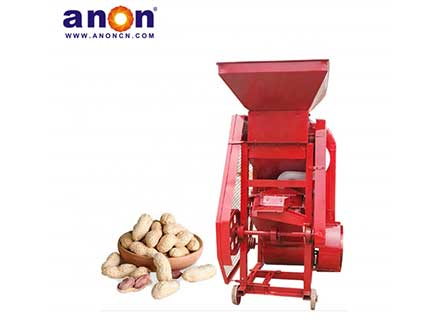
What is a Peanut Sheller?
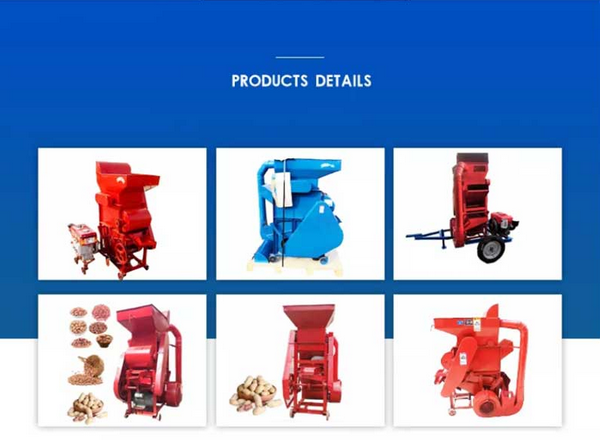
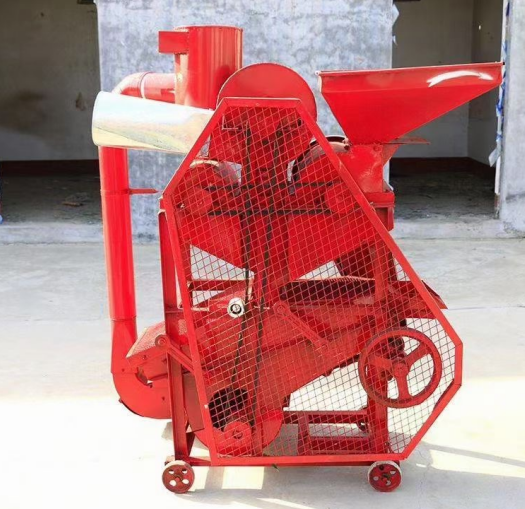
A peanut sheller is a device used to shell peanuts. Through vibration and pressure, it efficiently separates the kernels from the shells, allowing the shelled peanuts to be easily processed for the next step. This machine is commonly used in peanut cultivation and processing, significantly improving processing efficiency and quality.

Main Components of Peanut Sheller
Feeding Hopper
This is the entrance for peanuts to enter the shelling machine. It is used to feed peanuts into the machine in a measured, even, and continuous way, helping to prevent problems or poor shelling results due to uneven feeding.
Peeling Mechanism
Drum: This is a key part of the peanut shelling machine. It consists of a suspended cylinder and is divided into a front drum and a rear drum. These drums repeatedly compress, rub, and collide with the peanuts, breaking the shells.
Concave plate: This is a grating type that works with the drums to effectively shell the peanuts
Fan Mechanism
Upper Fan: This blows the removed peanut shells out of the machine, helping to clean and separate them during the shelling process.
Lower Fan: The lower fan pneumatically conveys unshelled small peanuts to the rear drum for secondary shelling.
Screening Mechanism
A specific gravity screen separates fully shelled kernels from unshelled small peanuts.
Engine or Motor
This provides power for the machine to operate and drives all the parts. You can choose between a gasoline engine and a diesel engine.
V-belt Pulley and its Drive V-belt
These transfer the power generated by the motor or engine to the parts that need power.
Frame
This is the support structure of the entire peanut shelling machine. It ensures the stable operation of other parts and prevents the machine from shaking or moving.
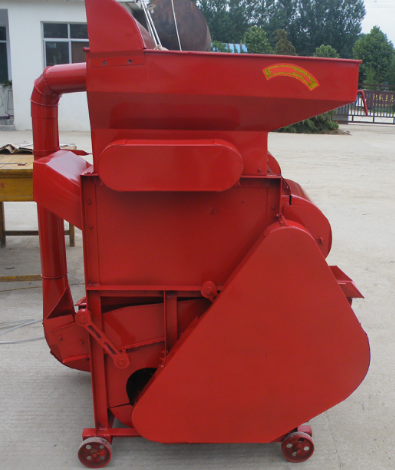
How Does a Peanut Sheller Work?
Step1. Feeding
First, peanuts are fed manually into the feeding hopper.
Step2. Peeling
They enter the machine evenly and reach the front roller. The rotating suspended cylinder and the grating concave plate work together to separate the peanuts from their shells, achieving shell and kernel separation.
Step3. Screening
The separated peanut kernels, peanuts, and peanut shells pass through the front concave plate and then drop down. As they go through the front slide plate and the air channel, the high-speed airflow from the fan blows the lighter peanut shells out of the machine, achieving preliminary separation.
The peanuts and unshelled small peanuts fall into the specific gravity separation screen of the screening mechanism for sorting. The sorted peanuts move above the screen into the collecting device, while the unshelled small peanuts move below the screen, passing through the trough to reach the air delivery device.
Step4. Secondary Shelling
The lower fan in the fan mechanism blows the unshelled small peanuts to the rear roller for secondary shelling. The shelled peanuts and shells fall from the rear concave plate. After going through the air selection and the specific gravity separation screen, all the peanuts are fully shelled.
Step5. Finished product collection
Clean peanut kernels are discharged from the discharge port, and shell residue is discharged from the slag discharge port.
Benefits of Using a Peanut Sheller
When processing peanuts, the peanut shelling machine has two main advantages: it significantly increases efficiency and saves labor, while also ensuring a low damage rate and high shelling rate.
Increased Efficiency
Traditional manual peanut shelling is very inefficient. Even with simple tools, the efficiency is still not good, and it may damage the peanuts. Manual efficiency is also affected by time and environment. When there is a large batch of peanuts to process, it just can’t keep up.
In contrast, the peanut shelling machine can achieve a production rate of 800 kg per hour, effectively solving the problem of low efficiency.
Reduced Labor Costs
When manually shelling peanuts, a lot of labor is needed, and the process can make a person’s body feel tired and sore. Long hours of shelling require good physical condition.
In contrast, the peanut shelling machine needs much less labor, which can greatly free up your workforce.
High Shelling Quality
Advanced models utilize a combination of drum separation, air separation, or screening, achieving shelling rates exceeding 95%, maintaining a high kernel integrity rate, and minimizing peanut waste.
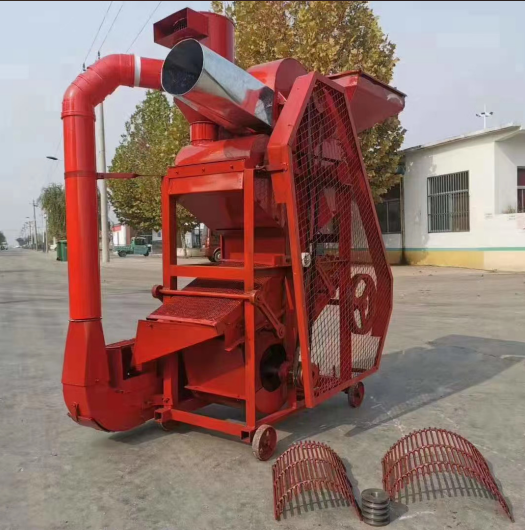
Factors to Consider When Choosing a Peanut Sheller
Production Capacity
When choosing a peanut shelling machine, you should consider your production capacity. Each machine has different efficiencies for processing peanuts, so you need to select one based on your production needs to ensure it meets your requirements.
Size and Space Requirements
In addition to production capacity, you also need to have enough space to place the peanut shelling machine and operate it normally. Therefore, you should consider the size of the machine and the space you need to work around it.
4 Things to Note When Using a Peanut Sheller
Check Peanut Sheller Setup
Before using the peanut shelling machine, you need to check if any parts are loose. If they are, tighten them promptly. Also, make sure all moving parts are flexible and apply lubricant to the bearings. Additionally, the machine should be placed on a flat surface.
Select the Proper Screen
Different varieties and regions of peanuts have varying sizes. You need to choose the right screen based on the size of the peanuts to ensure the efficiency and proper operation of the peanut shelling machine. Before powering it on, turn the machine a few times. If you hear any strange noises, check for the cause right away.
Ensure Proper Peanut Moisture
The moisture content of peanuts used for shelling should be kept within an appropriate range, usually between 9% and 13%. If the peanuts are too dry, they can break easily. If they are too wet, it can affect the speed and quality of shelling.
Test Run
After powering on the peanut shelling machine, you should not start working immediately. First, perform a test run. Once you ensure the machine is running smoothly and normally, you can then pour the peanuts into the feeding hopper and begin the shelling process.
Conclusion
If you need to process peanuts, a peanut shelling machine will definitely be a great investment. We, at ANON, are an experienced agricultural equipment supplier, and we can provide you with the highest quality machines and the best service. If you have any questions or needs, feel free to reach out to us anytime!
FAQ
1. How to obtain the ideal shelling result?
Before shelling groundnuts, please ensure the specification is uniform; otherwise, it will cause peanut cracking, unshelled peanut increase in unshelled peanuts, etc. Another factor is to keep the moisture content between 9-13% evenly.
2. Why does the peanut sheller capacity drop after a certain period of running
The peanut sheller is driven by triangle belts. After a certain period of running, the triangle belts become loose naturally; such situations may cause low capacity, low shelling ratio, and jam problems, so it is necessary to check each triangle belt’s tension during daily operations.
3. What should I do if the shelling rate is below 90%?
Check the drum speed, concave plate clearance, and belt tension. Also check the peanut moisture content (it should be 9-13%). If the peanuts are too dry or too wet, the shelling efficiency will decrease.