



Introduction
When you run a farm, you will find that you need to complete a variety of tasks and require a variety of tools, especially in grain cultivation. Tractors are almost necessary, so how can you maximize the benefits of the tractor you purchase? Next, I will introduce some supporting agricultural tools for tractors and their functions, which can help you improve work efficiency.
Understanding Tractor Attachment Methods
Tractor attachments can be connected in three positions: front, middle, and rear.
Firstly, some compact tractors can have front-mounted attachments such as loaders and snowplows. These are controlled by the tractor’s hydraulic system via front-mounted cylinders for lifting and lowering. This connection method provides good visibility, allowing the driver to directly observe the working status of the implement and facilitating precise operation.
Secondly, there is the mid-mounted connection, which is less common and typically used for some mower decks for mowing and weed control.
Finally, the most common and versatile method is the rear-mounted connection, usually a three-point hitch system, often combined with a power take-off (PTO) shaft to provide power to the implement, such as tillers and seeders.
Essential Tractor Attachments
Tillage Machines
Before sowing, you need some tractor attachments to improve the soil structure, enhance soil aeration, and reduce soil compaction so that the roots of crops can penetrate deep into the soil. So you need to plow the land, which requires the use of many tillage machines. Below, I will introduce them to you one by one.
Plough
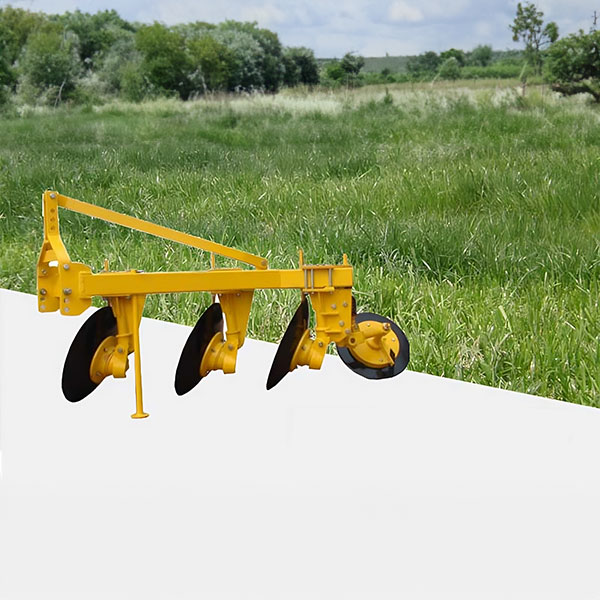
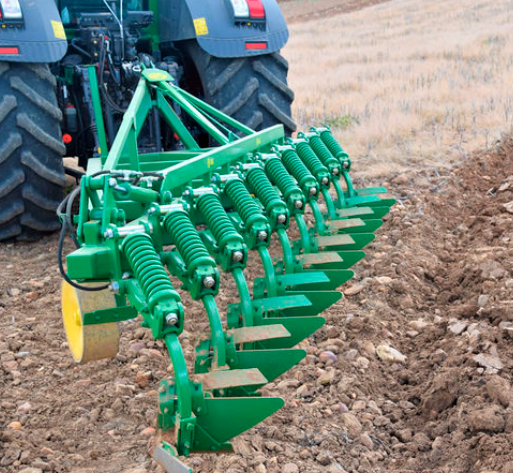
A plough is an indispensable agricultural tool in agricultural production, widely used in plowing, soil turning, loosening, and other operations. Plows can be divided into hydraulic flip ploughs and disc ploughs, and different types of plows are suitable for different soil conditions and cultivation needs. The hydraulic flipping plough is relatively flexible and has a small idle stroke. The ploughing, turning, and covering effects of the plow are relatively good. The disc plough is more adaptable to harsh environments, such as weeds and moist soil.
Harrow
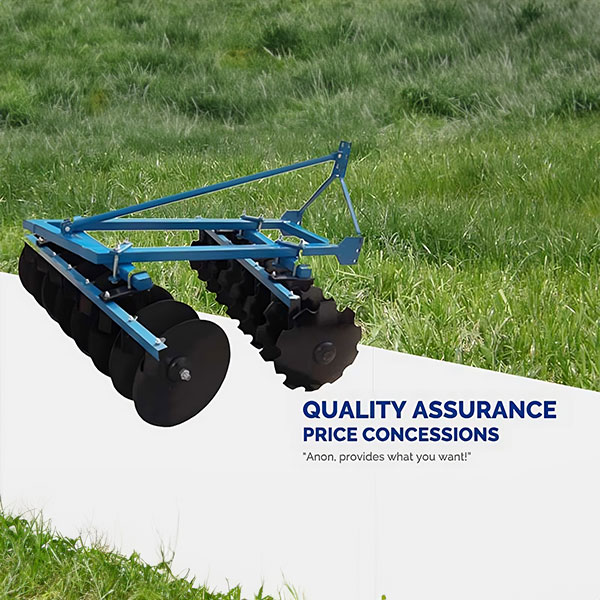
Harrows can be divided into disc harrows and drive harrows. Disc harrows can be classified into three types based on machine weight, target depth, and rake blade diameter: heavy, medium, and light. Heavy disc harrows are suitable for land reclamation and can also adapt to unfavorable land conditions; medium-sized disc harrows are suitable for crushing soil after plowing, while lightweight disc harrows can also crush soil after plowing, but unlike medium-sized disc harrows, they cannot work in clay. The driving rake requires the power output of the tractor’s power output shaft to drive the working components. It has a better soil-crushing effect and can operate at a depth of up to 30 centimeters, which is beneficial for water storage, soil moisture preservation, and crop root growth.
Rotary tiller
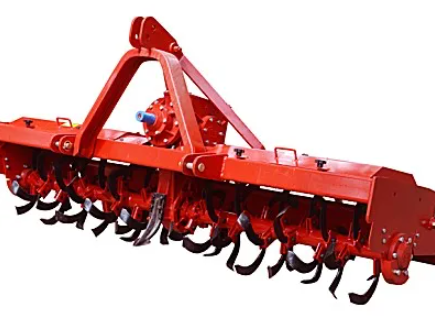
In addition to using plows and rakes, tractors can also work in conjunction with rotary tillers. Rotary tillers have strong soil-crushing capabilities with blade rollers as their core components. These rollers are equipped with multiple blades that cut and turn soil during rotation, flattening the cultivated land and chopping up buried roots. This creates easy operation for seeders and optimal seedbed conditions.
Subsoiler
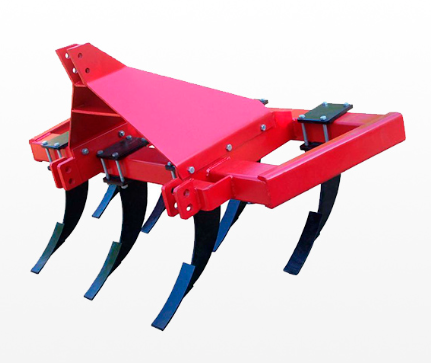
A subsoiler is a type of tillage machinery used in conjunction with high-powered tractors, mainly for mechanized tillage of deep soil between rows or in all directions. The subsoiler can effectively loosen the underlying soil while maintaining a flat ground and improving soil structure. It can help you eliminate some weeds to effectively reduce the occurrence of pests and diseases, enhance soil water storage and moisture retention, increase drought and flood resistance, and promote grain production. It should be noted that the soil moisture content should be controlled between 15-22% during the operation of the deep loosening machine to ensure the effectiveness of the operation.
Ridging Machine
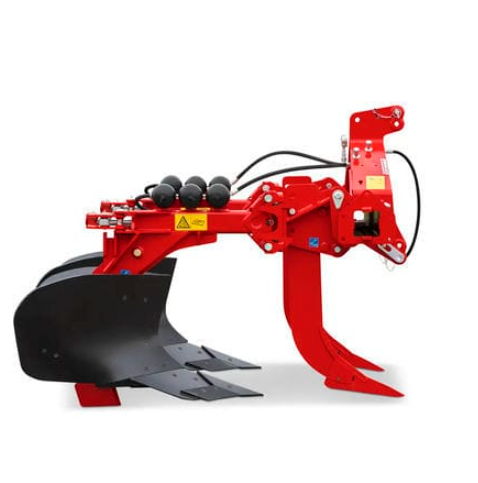
A ridging machine is an agricultural machine mainly used for ridge-raising operations after field tillage. The ridging machine can help you efficiently complete the ridging work, and the ridging surface completed by the ridging machine is solid and smooth, reducing work steps, saving labor, and lowering costs. Ridging machine operations can break soil compaction and improve soil permeability and water retention. Loose soil is conducive to the growth and development of crop roots, improving crop yield and quality; A uniform ridge surface is not only beneficial for early sowing, but also for later mechanical harvesting.
Digging machine
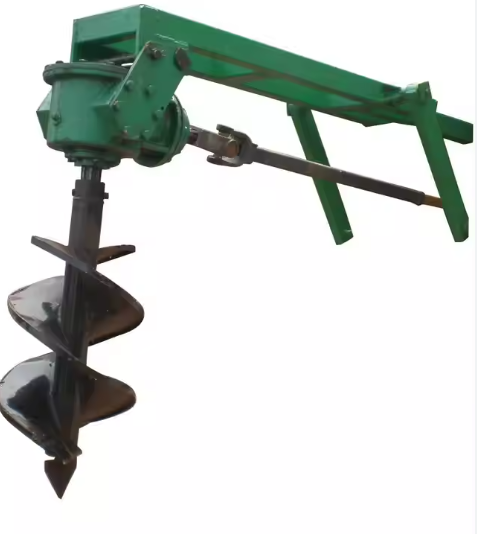
A digging machine is mainly used for efficient digging operations in fields, mainly for digging tree pits, planting pits, etc. Excavators can flip over soil structures, improve soil permeability, and create favorable growth conditions for crops. Compared to manual digging, they can significantly improve operational efficiency, reduce labor intensity, and save labor costs.
Grader
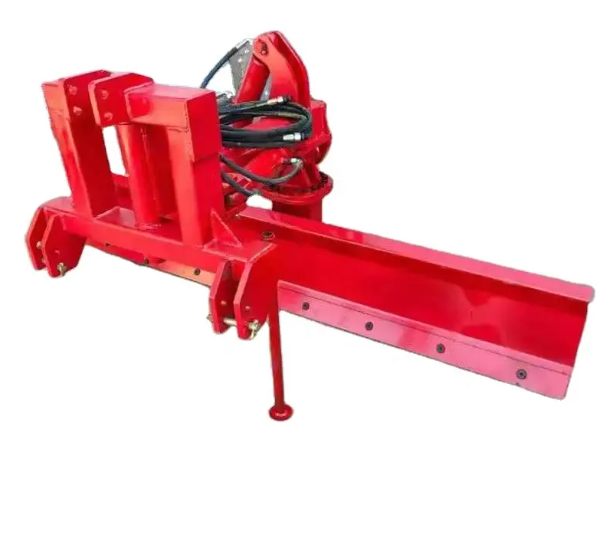
After you flip the land, they need to use a grader to level the soil evenly. This facilitates subsequent work, such as planting and watering. You can also use land levelers to repair land and road surfaces, as well as for snow removal operations.
Sowing and fertilizing
Seeder
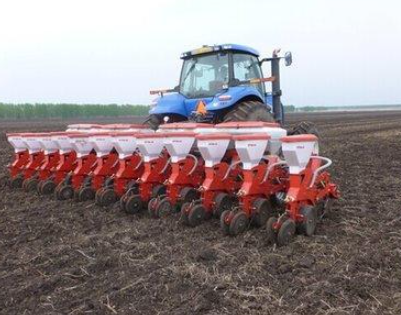
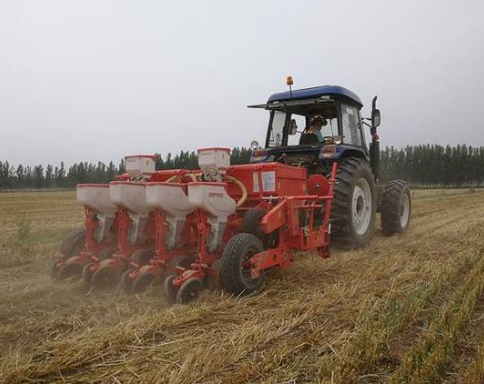
Once the land preparation is complete, you can begin planting. A tractor can be connected to a planter for sowing. Seeders often combine the functions of furrowing, sowing, and covering the seeds with soil. Combined seeders can even perform additional functions such as fertilizing and mulching simultaneously, greatly improving work efficiency. You can purchase the appropriate planter based on the crops you intend to plant; there are corn planters, wheat planters, potato planters, garlic planters, vegetable planters, and so on. Planters can be classified into row planters, hill planters, and precision planters based on their sowing method. You need to carefully choose the right planter based on the type of seeds, row spacing, plant spacing, planting depth, and seeding rate.
Fertilizer
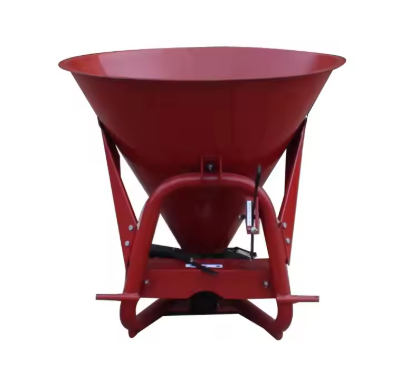
Before planting, you need to fertilize the land to provide nutrients for seed growth, promoting germination and sprouting. Tractor attachments, such as centrifugal spreaders and fertilizer spreaders, are commonly used for this task. Fertilizer spreaders are versatile. It can handle organic fertilizers, dry or wet manure, and other materials like lime and distillers’ grains.
Field management
Cultivator
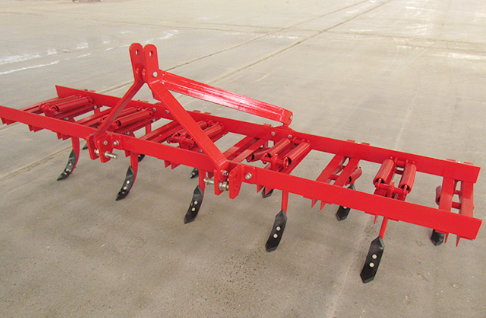
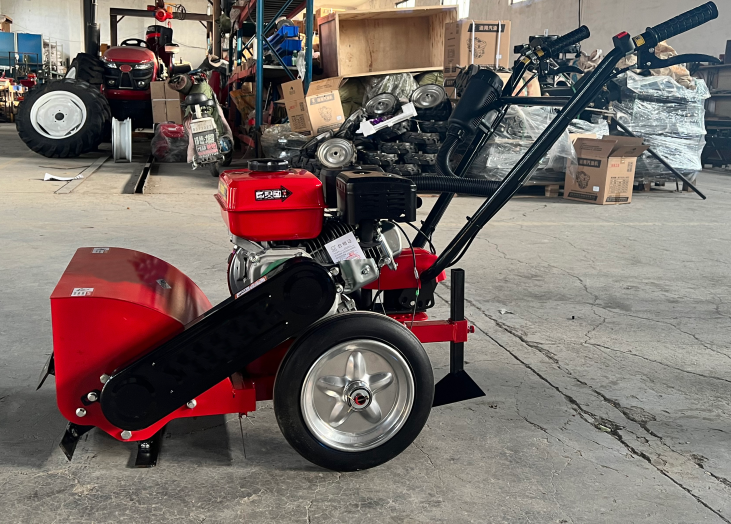
A cultivator is an agricultural machine used for tasks such as weeding, loosening soil, breaking surface soil compaction, cultivating soil and ridges, or simultaneous fertilization during crop growth. Unlike other plowing tools, people generally use the cultivator for work during crop growth to improve soil structure, promote crop growth, increase yield and quality, and meet the cultivation needs of different crops and plots.
Sprayer
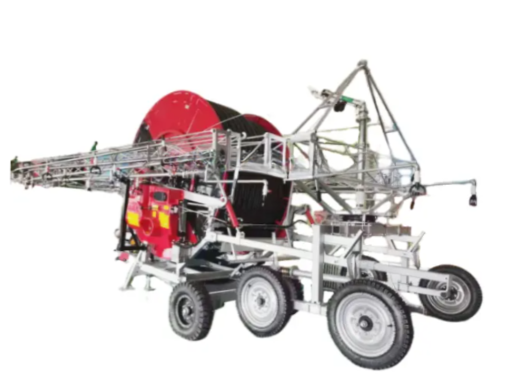
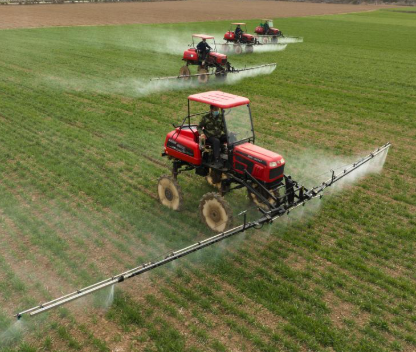
The sprayer is a machine that disperses liquid into a mist. You can use the spray together with the tractor by traction or suspension. It is suitable for pesticide application in orchards or farmland. You can use it to spray pesticides and fertilizers, prevent pests, achieve rapid and efficient spray operations, and promote the growth of crops.
Furrowing Machine
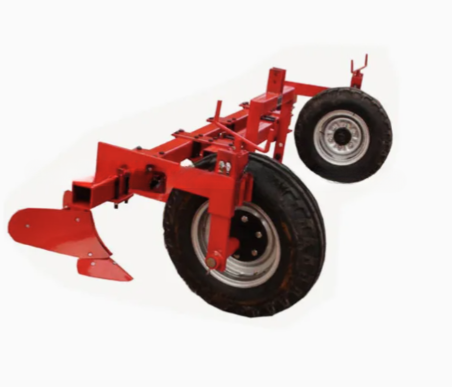
Furrowing machines are used to dig drainage or irrigation ditches, as well as trenches for cables or planting. Types include moldboard furrow plows, disc plows, and chain trenchers, all of which can be used with tractors.
Gardening and animal husbandry
Lawn Mower
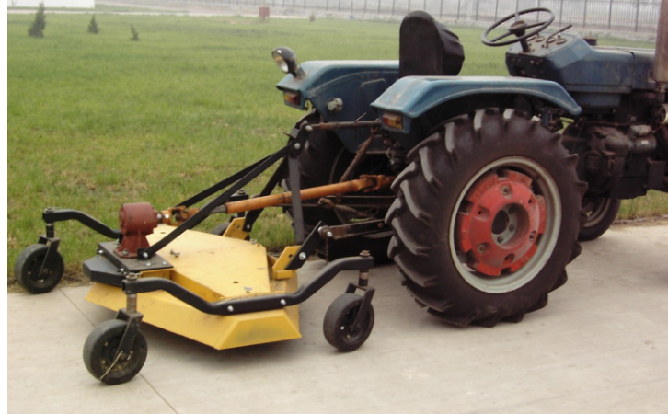
When you need to cut grass, consider using tractor attachments like a mower. For mowing lawns, orchards, and fields, you can choose a rotary mower. Its blades spin at high speed, cutting grass quickly and thoroughly, making it very efficient. If you need to mow on ditches or slopes, a disc mower is a good choice as it handles these conditions well. For cutting hay, a reciprocating mower is ideal. It requires less power, puts less pressure on the ground, and causes minimal damage to the grass, allowing it to recover and grow faster.
Rakes
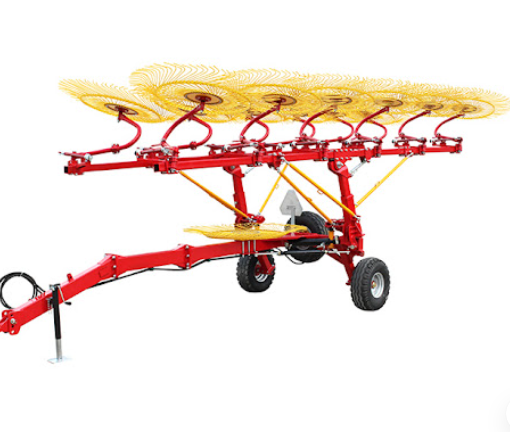
When you need to collect cut grass, using tractor attachments like a rake is essential. If your grass yield is low, you can use a dump rake. For higher yields, a bar rake is better. It forms grass rows through its rotating tines, which helps with drying and further processing. If you need to clear leftover crop residues and soil debris, a wheel rake is suitable. You can also use it for turning grass. For a versatile tool, consider a rotary rake, as it can rake, spread, and turn grass, providing even and clean raking with minimal crop loss and high efficiency.
Baler
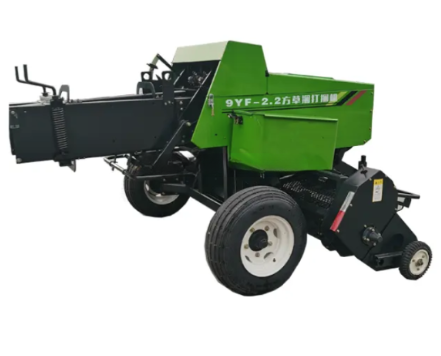
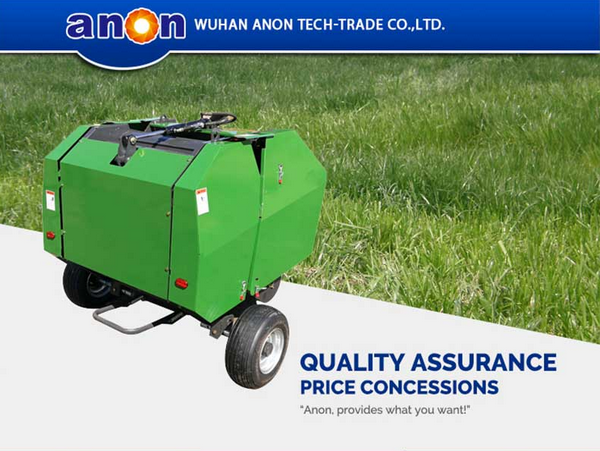
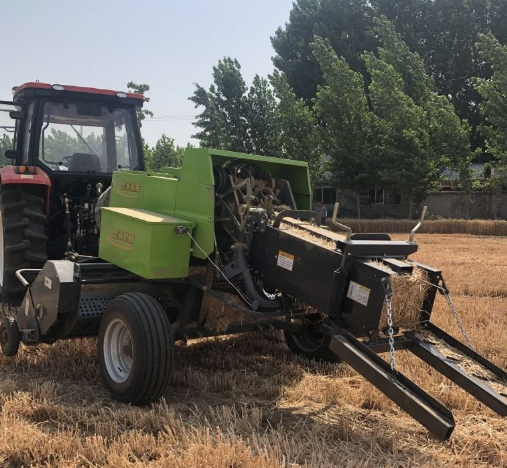
A baler is a mechanical device that packs and bundles materials like crop straw and grass. They are divided into round balers, square balers, and baler-wrapper machines. After mowing the grass, farmers concentrate it into strips, making it suitable for further operation by the baler. The baler reduces the volume of the bundled grass, which makes it easier to stack and transport. This process also helps maintain the nutrition and quality of the grass. Farmers need to use the baler in conjunction with a tractor. This can significantly improve operational efficiency and reduce labor costs. This combination can also adapt to different terrains and operating conditions, reducing the volume of the bundled material and facilitating stacking and transportation.
Harvesting and processing
Harvester
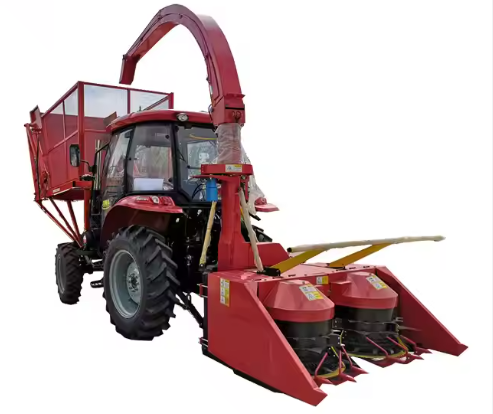
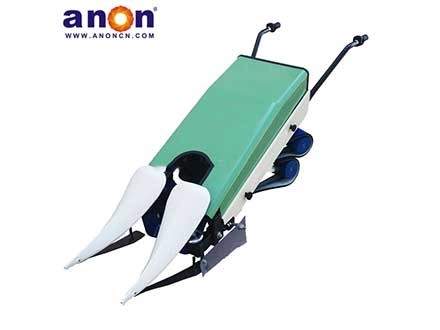
A harvester is a machine specifically designed for harvesting crops, such as a reaper-binder, and is commonly used to harvest crops like wheat, rice, corn, and soybeans. It comes in various types, including cutting, spreading, and collecting types, and can be used in conjunction with a tractor to achieve fast and efficient harvesting operations, significantly increasing agricultural productivity and reducing labor intensity.
Threshing Machine
A threshing machine is used to thresh harvested crops such as wheat, rice, and corn. These machines can be connected to a tractor and operate directly in the field, making the process very convenient and efficient.
Auxiliary Machine
Loader
Loaders are responsible for moving things and short-distance transportation. By replacing different auxiliary working devices, such as forks, shovels, and clamps, they can perform tasks such as bulldozing, lifting, and loading and unloading timber.
Trailer
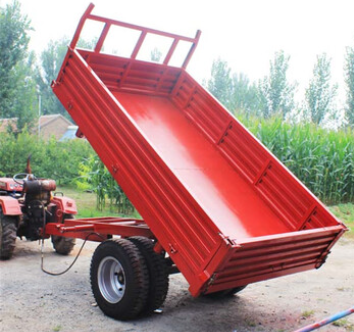
Trailers are mainly used for transporting materials. Connected to a tractor, they can transport large quantities of materials.
Snowplow
In winter, a tractor equipped with a snowplow can help clear snow from roads or land.
How do I choose the right attachments for my tractor?
This is the most crucial question; Consider the following four points:
Power Matching: Ensure your tractor has enough horsepower to pull or drive the attachment. Always check the minimum power requirements specified in the attachment’s manual to avoid damaging the tractor due to insufficient power or wasting power due to excessive horsepower.
Mounting Method Matching: Carefully check if your tractor has the necessary connection methods for the attachment, such as the rear three-point hitch, front hydraulic interfaces, and whether the PTO (power take-off) specifications and speed match.
Operational Needs Matching: Choose based on the crops you mainly grow, the size of your fields, and the terrain characteristics. Smaller fields should prioritize flexible equipment with a small turning radius, while larger fields are suitable for wider, high-efficiency equipment to improve work speed.
Brand and Versatility: Attachments from well-known brands usually offer better compatibility and durability. You can also consider attachments with a “universal frame” design, which can perform multiple functions by changing different working parts, offering better value for money.
Conclusion
After reading this article, I’m sure you have an idea of what kind of attachments to choose. At ANON, as agriculture experts with over a decade of experience in exporting agricultural machinery, we offer a wide range of attachments for tractors. If you want to buy attachments for tractors, feel free to consult us. We will provide you with the best machines and top-quality service.
FAQ
How should tractor attachments be maintained and stored?
Proper maintenance can significantly extend the lifespan of accessories. When maintaining and storing tractor accessories, you should promptly clean off dirt, weeds, and crop residue after each use to prevent corrosion; regularly lubricate all bearings, universal joints, and chains according to the instructions; frequently check and tighten bolts and nuts that may loosen due to operating vibrations; before long-term storage, it’s best to elevate the accessories and place them in a dry place, apply rust-preventive oil to exposed metal parts such as plowshares and blades, and remember to release the pressure in the hydraulic system. This will effectively extend their service life.