



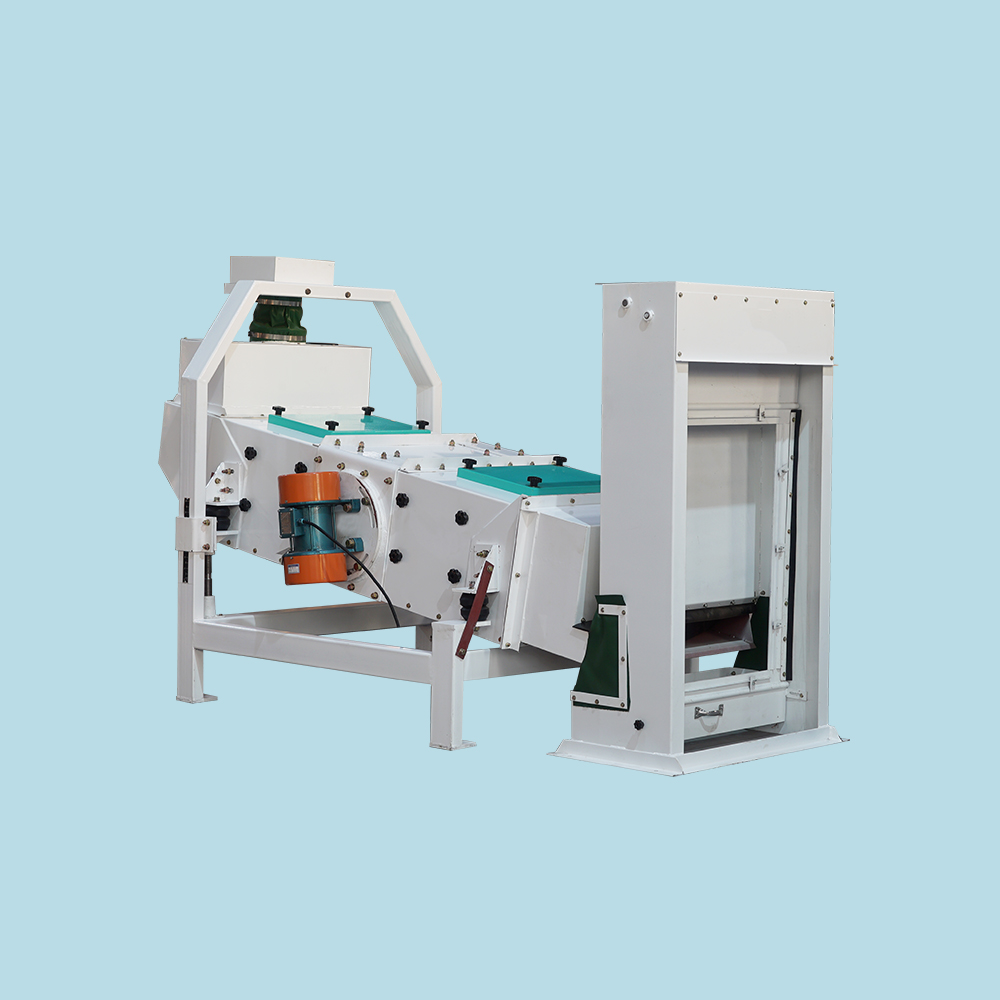
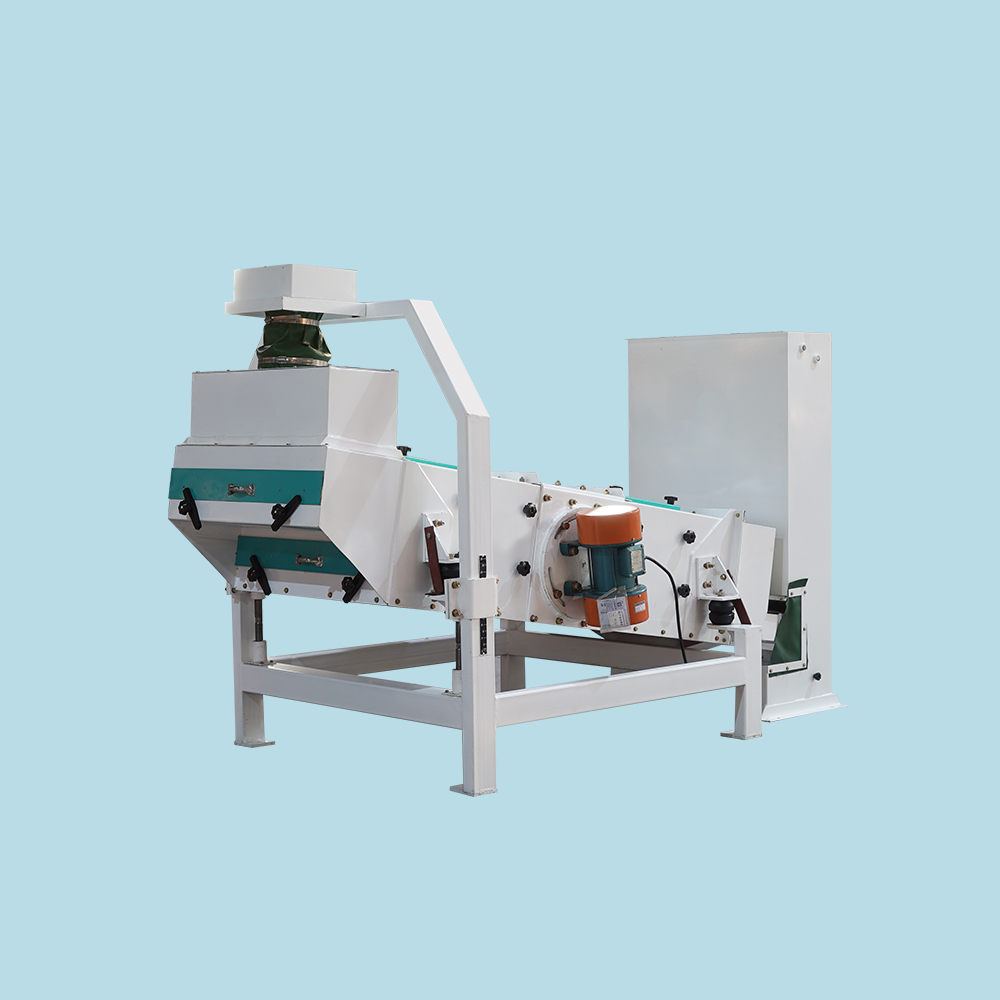
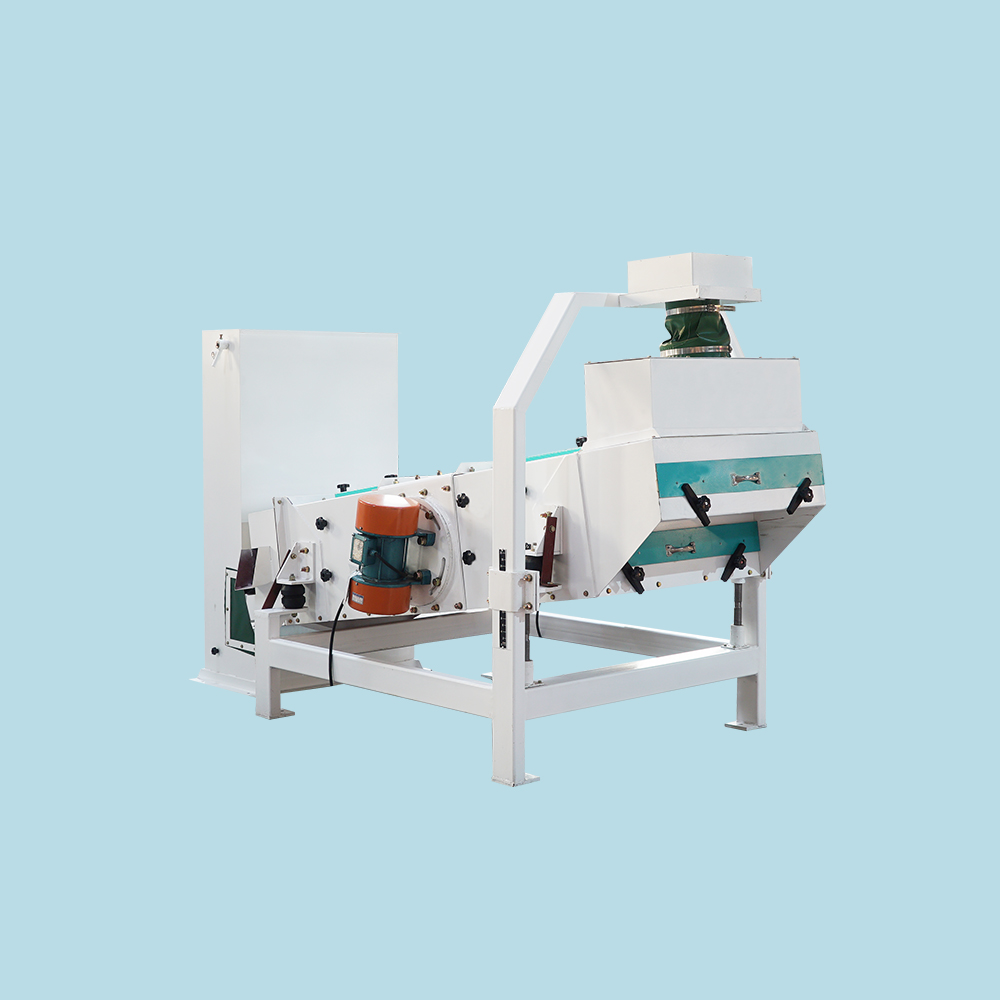
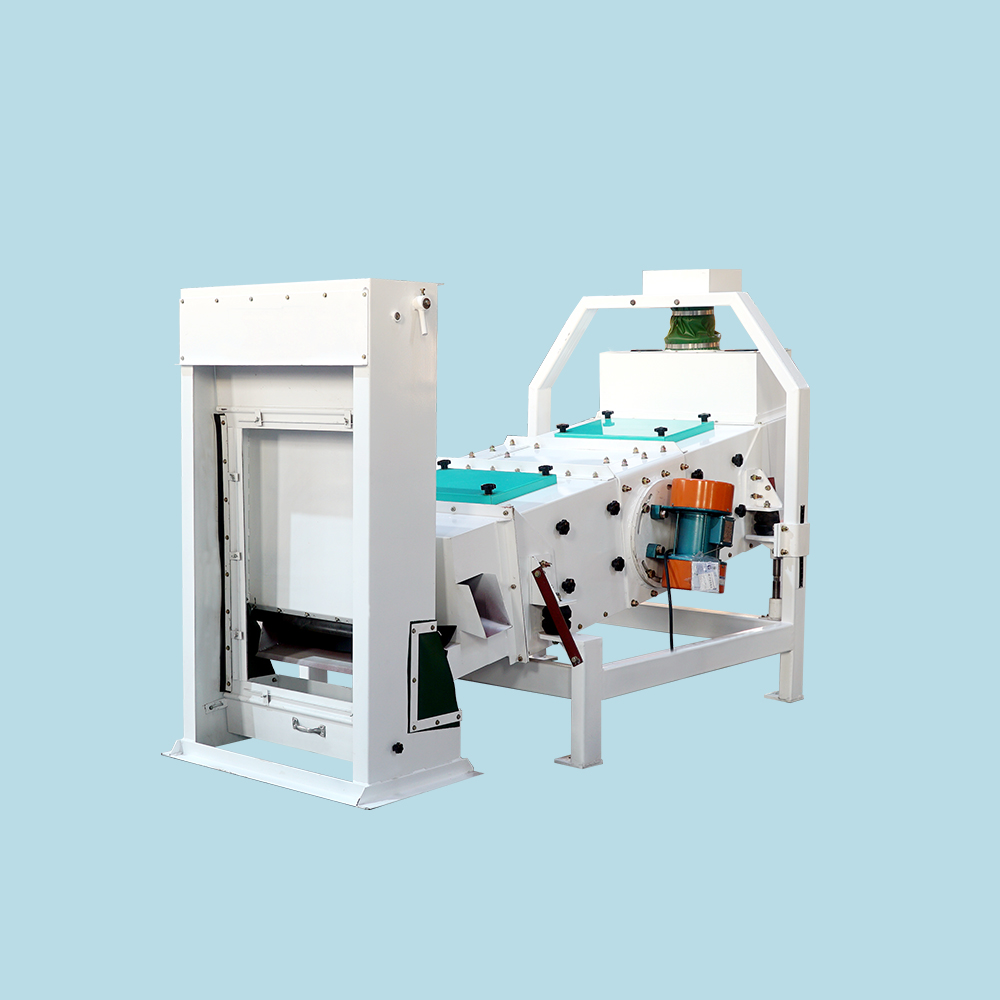
Vibrating Screen
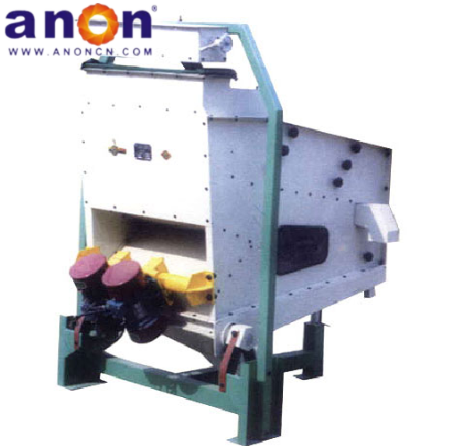
The ANON vibrating cleaner is a device that uses vibration principles to sort and clean materials. It is widely used in grain processing, feed production, and chemical raw material screening. Its core function is to use high-frequency vibrations to achieve rapid classification, impurity removal, and purification of materials, thereby improving production efficiency and ensuring product purity.
1. Quickly separates materials into multiple particle size levels, improving production efficiency.
2.Offers accurate screening to meet various particle size requirements.
3.Made of high-quality materials with a robust structure, ensuring long service life.
4.Low noise and minimal dust generation, promoting a cleaner working environment.
5.Advanced control systems precisely adjust vibration frequency and amplitude to suit different material characteristics, reduce manual intervention, and lower operating costs.







Our Products
High-Efficiency Separation
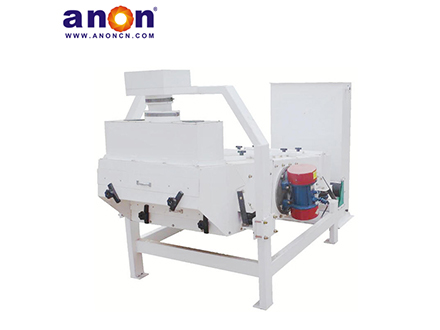
The ANON vibrating cleaner uses a dual-motor vibration system with eccentric blocks, generating linear, elliptical, or reciprocating vibrations. This high-frequency tossing and stratifying action on the screen surface enables three-stage separation: intercepting large impurities, sifting qualified materials, and removing light debris via air separation. With a single pass, it achieves an impurity removal rate of over 95%. The upper screen is used to handle large volume impurities such as straw, leaf debris, hemp rope, and so on; the lower screen is mainly used to filter small particle impurities such as dust, shriveled grains, and sand. The multi-layer screen design allows for coarse and fine cleaning simultaneously, replacing multiple processes with just one operation.
High Capacity
The ANON vibrating screen provides substantial advantages regarding production capacity. If your facility’s daily output surpasses 40 tons, this equipment represents a crucial investment. It is specifically engineered to support the continuous operational demands of large-scale processing environments. Once initiated, the system operates with consistent stability over extended periods, minimizing the need for frequent manual adjustments or supervision. During demanding times, such as peak grain purchasing or processing seasons, this robust capacity directly results in higher throughput and more efficient processing cycles. For grain processing enterprises, effectively removing a bottleneck from their workflow can significantly enhance the overall efficiency across the entire production line.

Adaptable to Different Materials
Our vibrating screen can be used to screen different kinds of materials such as wheat, rice, soybeans, and oilseeds. All you need to do is change the screen plates of different aperture sizes. ANON vibrating screen can realize that one machine covers the cleaning needs of multiple materials, eliminating the need for dedicated cleaning equipment for each raw material. This can significantly reduce your equipment investment costs.
This machine can be used for grain cleaning as well as fine screening of chemical raw materials. For challenging materials, such as high-moisture grains or flammable and explosive chemical materials, it features anti-clogging designs and explosion-proof motors to ensure safe and stable operation.

High Product Quality
For flour mills, rice mills, and oil mills, the cleaning process is the first and also the most important step that determines the quality of the finished product. Our vibrating cleaning screens can thoroughly remove impurities from grains at the source, creating favorable conditions for subsequent milling, grading, and packaging processes. And improve the quality of the products, and also protect the subsequent machines. Take rice as an example, rice with uniform color and high purity can help you have a higher price in this highly competitive market and achieve brand premium. ANON always manufactures our machines with the goal of maximizing your benefits.
Improve Working Environment
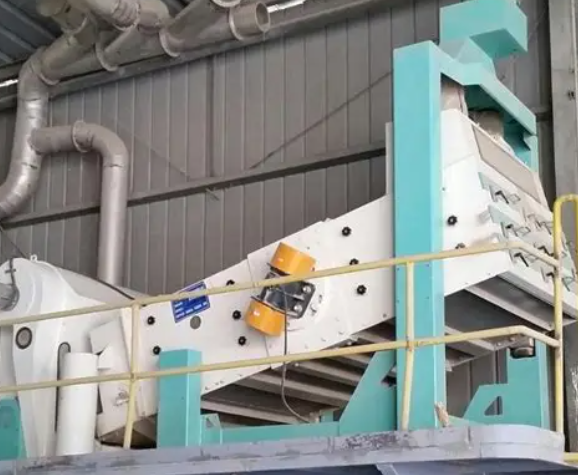
ANON vibrating cleaning screen features a fully sealed screen body design, confining materials and dust within an enclosed space during operation, effectively preventing dust leakage. Some models are also equipped with front and rear dust collection devices to further reduce dust concentration, improve the workshop working environment for you, and maintain low operating noise. This not only meets the increasingly stringent environmental protection requirements of the grain processing industry but also provides operators with a healthier working environment. The low noise level also helps reduce workshop noise pollution and improve employee comfort.
Multiple Configurations Available
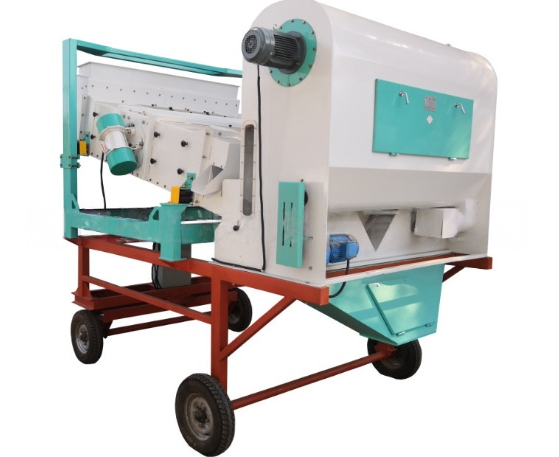
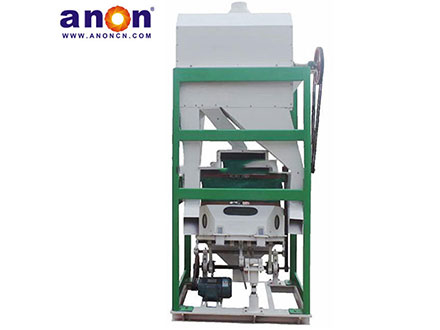
ANON vibrating cleaning screens offer a variety of configurations to meet user needs: stationary models are suitable for production lines with long-term fixed operations; mobile models are equipped with wheels and positioning devices, suitable for scenarios requiring frequent relocation such as grain depots and purchasing stations; combined models integrate the cleaning screen and destoner into one unit, which can complete both impurity removal and destone removal processes simultaneously, completing multiple cleaning processes with a single feed, achieving multi-purpose functionality. Whether you operate a large flour mill, rice mill, or a small to medium-sized grain depot or feed mill, you can find the most suitable configuration solution at ANON.
Easy to Operate and Maintain
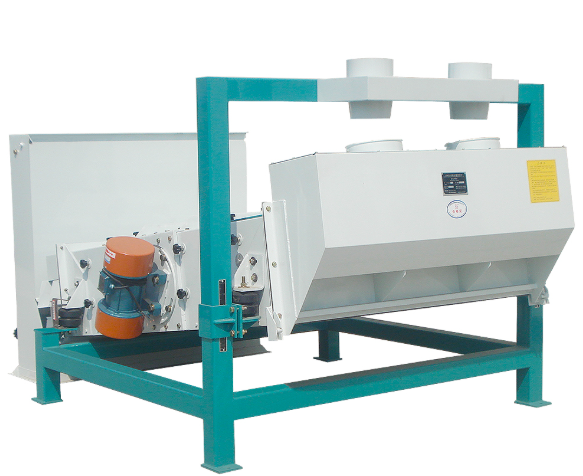
The operating interface of the vibrating cleaning screen is simple and clear. After startup, you only need to adjust the feed gate to control the feed flow rate, without the need for complex parameter settings. Routine maintenance mainly focuses on screen surface cleaning and screen inspection, minimizing maintenance workload.
Simplified mechanical structure reduces the failure rate. The screen is the only vulnerable part of the vibrating cleaning screen, requiring infrequent replacement and simple operation. Screen replacement can be completed using simple clips or bolts, taking only 10-15 minutes for an average operator, without the need for professional maintenance personnel. The vibrating motor does not require routine maintenance such as belt tensioning, significantly reducing the workload of daily maintenance. Long overall operating time and low failure rate ensure continuous and stable operation of the production line.
Related Products
FAQ
Make sure the drive bearings are well lubricated and the grease lines are intact. Check the grease lines to confirm they are in good working order and tighten if necessary. Also, watch the machine for excess grease leaks. Perform a visual inspection of the screen.
Depending on the determined range, according to the above formula, the efficiency should be between 90%-95%. The feed rate is the main parameter that determines the efficiency. If the flow rate is lower than the capacity of the medium, the system runs idle, and therefore no work can be performed.
The screen inclination angle can be adjusted by adjusting the installation height of the frame beam, with an adjustment range of 0-12°. Increasing the inclination angle accelerates the material flow towards the lower end, increasing throughput but reducing separation accuracy; decreasing the inclination angle slows the material flow, resulting in more thorough classification but decreasing capacity. Users can adjust flexibly according to material characteristics and capacity requirements. Adjustments should be made gradually, observing the separation effect until it stabilizes before further adjustments.
If you encounter screen clogging, you can first stop the machine and use a soft brush or compressed air to clean the blockage on the screen. Be careful to avoid using hard objects to scrape the screen to prevent damage. Then check and adjust the feed rate to ensure that the material is evenly distributed on the screen surface and that no local material layer is too thick. If the material has a high moisture content, it is recommended to dry it in the previous process. For highly viscous materials, you can also appropriately increase the vibration angle to enhance the projection and diffusion effect of the material on the screen surface, thereby effectively improving the clogging problem.