



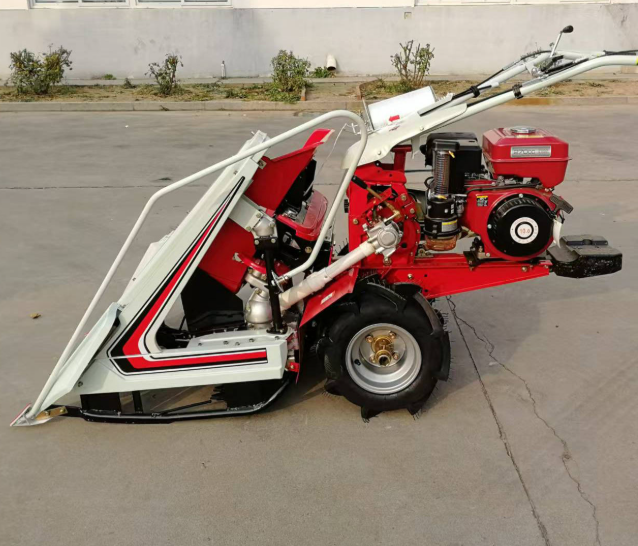
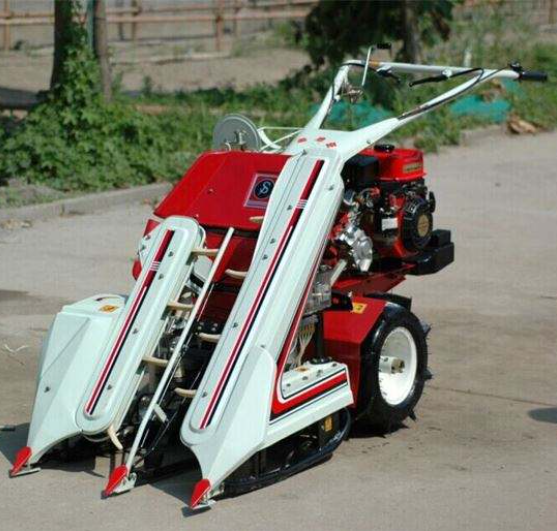
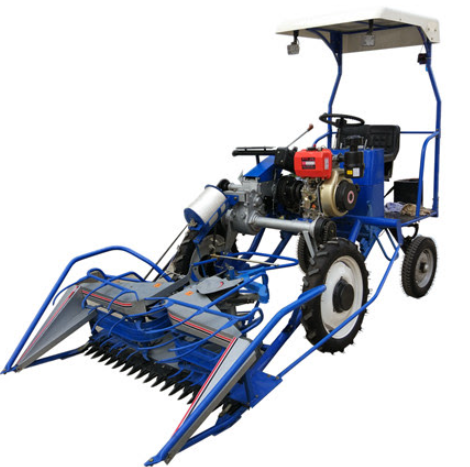
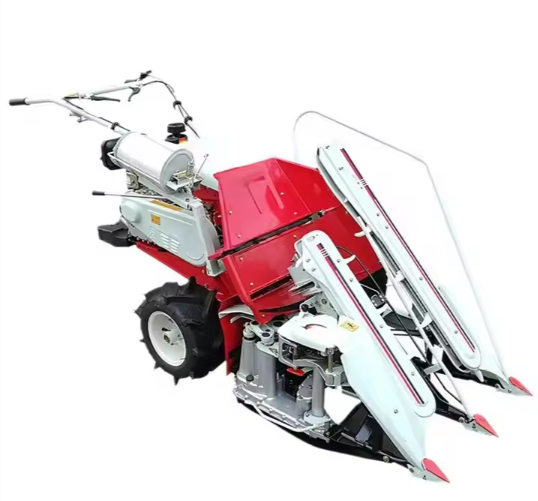
ANON Reaper Binder
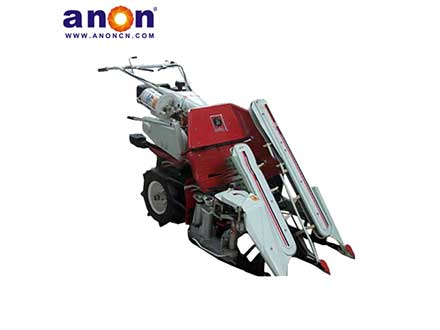
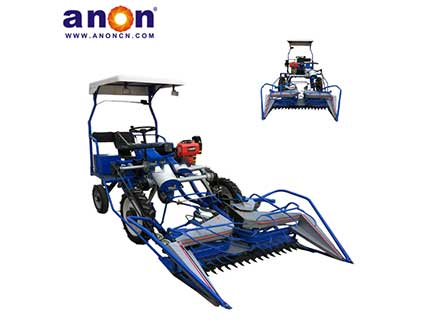
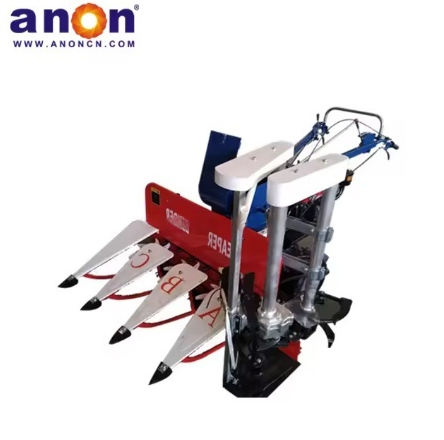
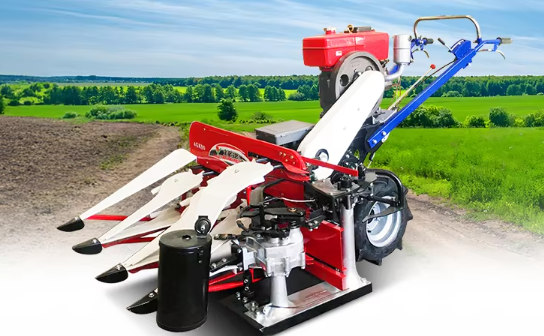
The ANON reaper binder is a highly efficient agricultural machine that integrates cutting, collecting, and baling. It is primarily used for harvesting and baling crops such as forage, wheat straw, and rice straw. During operation, as the machine moves forward, the divider separates the crops, the lifting device straightens lodged stalks, the cutter cuts the crops, and then the conveyor system feeds the crops into the baling mechanism. After automatically completing the baling, the unbaling device neatly places the bales in the field. It not only significantly improves harvesting efficiency but also neatly bundles scattered straw, facilitating subsequent processing.
1. The cutting height can be adjusted to adapt to different crops.
2. The bundling size can be adjusted to meet different bundling needs.
3. Compact body and light weight.
4. Smooth and safe operation.
Application
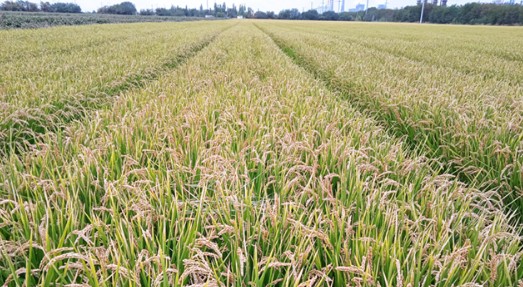
The ANON reaper binder is widely used for harvesting and bundling grass in pastures and grasslands, collecting wheat and rice straw in major grain producing areas, and efficiently collecting raw materials for ecological breeding farms and feed processing plants, meeting the needs of straw and grass utilization in multiple scenarios.






Our Products
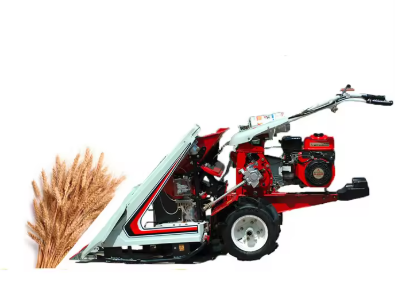
Highly Efficient Operation
ANON reaper binders offer a fully automated operation process, from crop cutting and conveying to feeding, baling, automatic knotting, and unbaling. One person can operate the entire process, eliminating the need for multiple assistants to pick up and tie the crops. A single small self-propelled baler can replace a harvesting and baling team of ten or more, significantly reducing labor requirements and allowing you to seize the opportune time during peak farming seasons to ensure a successful harvest. Furthermore, the balers produce uniformly sized and neatly arranged bales, facilitating subsequent collection, transportation, and stacking, greatly reducing labor intensity.
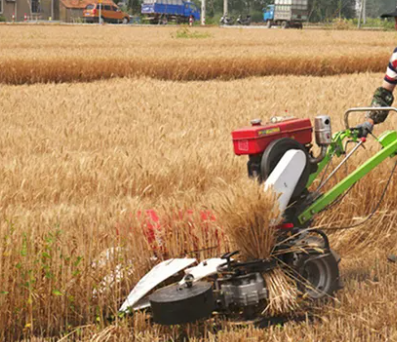
Automatic Knotting
The ANON reaper binder is equipped with a high-precision automatic knotter, which knots quickly and securely, achieving a success rate of over 99% for each bale. It prevents bales from coming undone or detaching midway through the process. This reduces subsequent work, eliminating the need for manual re-bundling and reinforcement, saving on baling costs, and preventing crop waste due to weak manual knots. From harvesting to bale, the entire process is worry-free and labor-saving.
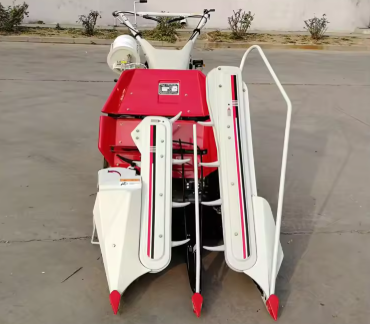
Low Crop Loss Rate
ANON hreaper binders are equipped with high-precision, wide-width headers and sharp, wear-resistant blades, resulting in fast cutting speeds and clean cuts. They operate close to the ground, effectively reducing crop losses due to missed cuts and shattered ears. For grain crops such as wheat and rice, grain loss is controlled to within 3%; for crops such as forage and rapeseed, the harvest recovery rate reaches over 95%, ensuring no harvest is wasted. The loss control advantage is even more pronounced in fields with mature crops prone to grain shattering.
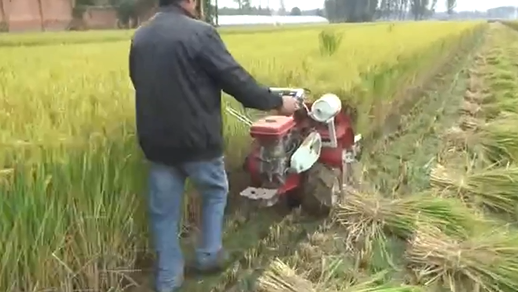
Multi-crop compatibility
ANON reaper binders can harvest and bale not only grain crops such as wheat and rice, but also forage crops such as rapeseed, alfalfa, rye grass, and oats, as well as crop stalks such as corn and soybeans. One machine covers multiple crop types and seasons, with a utilization rate of over 90%. You no longer need to purchase dedicated harvesting and baling equipment, significantly saving on purchase costs and storage space, making it extremely cost-effective.
Integrated Operation
During peak harvest season, every minute counts—rain can cause lodging, mold, or grain loss if harvesting is delayed. The ANON reaper binders combines cutting, gathering, and baling into one seamless operation. It completes cutting, conveying, automatic tying, and bale unloading in a single pass, making it 10–20 times more efficient than manual labor, significantly boosting productivity while reducing labor costs. You can complete more tasks in a day, especially during the peak harvest season for wheat and rice. You can quickly finish the harvest before rain or lodging, avoiding crop mold and grain loss. You have a greater advantage in seizing the farming season, and your work efficiency is more than 60% higher than the traditional model.
All-Terrain Adaptability
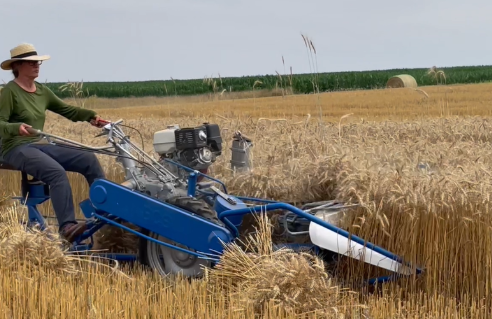
The ANON harvester’s header features an independent contour-following floating design, automatically adjusting its height to adapt to varying ground conditions. It operates stably on slopes, low-lying areas, terraces, and irregular plots, ensuring no missed cuts, no soil scraping, and no clod dragging. Whether it’s a large, leveled field, a small plot, or land where crops have lodged, it adapts quickly, eliminating the need for manual re-cutting and ensuring efficient harvesting on every plot.
Anti-clogging Design
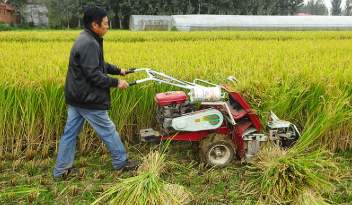
ANON balers feature a forced feeding mechanism combined with an anti-tangling design, which quickly transports harvested crops to the baling system. Even in fields with high crop density, high humidity, and abundant weeds, there will be no tangling, clogging, or dragging. You don’t need to stop frequently for cleaning; the operation is highly continuous and can run stably even during long periods of high-intensity work, making it particularly suitable for harvesting scenarios with large amounts of straw and complex field conditions.
Related Products
FAQ
Its working process is: the mature crops are cut off by the cutting device, sorted into neat “bundles” by the conveying mechanism, and then automatically tied into cylindrical or square bales by the tying mechanism with hemp rope or plastic rope, and finally discharged into the field in an orderly manner, without the need for human intervention throughout the process.
The price of a harvester baler in Pakistan ranges from $1,500 to $5,000 or even more, depending on the model, brand, and features.
It allowed people to harvest large tracts of land faster than people wielding sickles could. Because farmers were able to harvest more, they were able to grow more crops.
When encountering lodged crops, firstly, work against the direction of lodging as much as possible. This will allow the harvester to effectively lift the plants. Secondly, reduce the operating speed to a low gear, giving the harvester enough time to handle the lodged plants. Simultaneously, lower the header height appropriately, bringing the harvester teeth closer to the ground to minimize missed harvests. For severely lodged fields, it is recommended to use a multi-stage harvesting method—first harvest in one direction, then supplement with harvesting from the vertical direction to minimize losses.
When a baler is not used for an extended period, proper storage and maintenance are crucial. First, thoroughly clean the entire machine, removing all dirt and straw residue, especially debris around the pickup and knotter. Then, apply rust-preventive oil to all rotating parts, chains, and blades to prevent metal parts from rusting and corroding. At the same time, loosen all drive chains appropriately to avoid fatigue and deformation caused by prolonged tension. Special attention should be paid to the knotter, as it is a core component; it should be coated with rust-preventive oil and wrapped in cloth to prevent dust. The machine should be stored in a dry, well-ventilated warehouse to avoid sun and rain exposure, which can cause rubber parts to age and metal parts to rust. If it is a rubber-wheeled model, the tires should be properly elevated to prevent deformation from prolonged pressure.
When operating a baler, first carefully observe the crop condition, including crop density, degree of lodging, and whether there are obstacles such as stones or tree roots in the field. Simultaneously, adjust the operating speed according to crop conditions and terrain changes. Use a low speed when crops are dense or severely lodged, and reduce speed appropriately when traversing ditches and slopes to ensure smooth operation. If material accumulation or blockage is found during operation, immediately disconnect the power and turn off the engine. Manually clear the blockage only after all moving parts have completely stopped; never operate the machine while it is running. Furthermore, regularly check the remaining amount of baling rope and the smoothness of the rope path to ensure the baling mechanism continues to work normally and avoid downtime due to insufficient rope or rope jams.