



Agro Machine
Baler Machine
If you are engaged in animal husbandry, a hay baler is an indispensable partner for you. The ANON hay baler can help compress freshly cut hay and other bulk crops into regular-shaped bales. After baling, the forage has a smaller volume and higher density, making it easier to transport, store, and feed — a common piece of equipment in livestock farming.
ANON provides a wide range of balers, including round balers, square balers, bale wrappers, mini balers, and large-scale balers. Whether you need to bale pasture grass, hay, or corn stalks, ANON offers hay balers in various sizes to maximize your productivity and help produce the highest-quality forage, meeting different baling needs.
Choose the right product for you
Providing quality products and services.
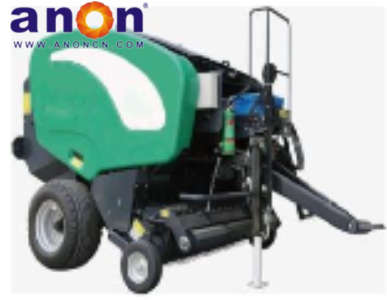
ANON AN9Y-1.4 Agricultural Machinery Round Straw Baler
Product Descriptions ANON round straw baler is a piece of farm machinery used to compress a cut and raked crop into compact round bales that are easy to handle, transport,…
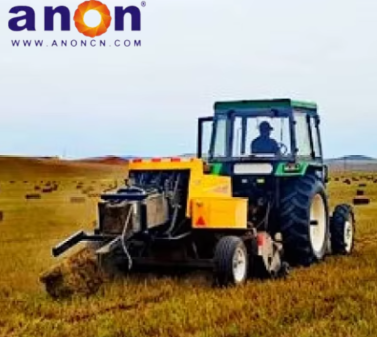
ANON high quality corn wheat rice straw square baler
Product Description The square baler is a common agricultural machine that is used to automatically pick up, compress, and bind crop straw (such as corn straw, wheat straw, and rice…
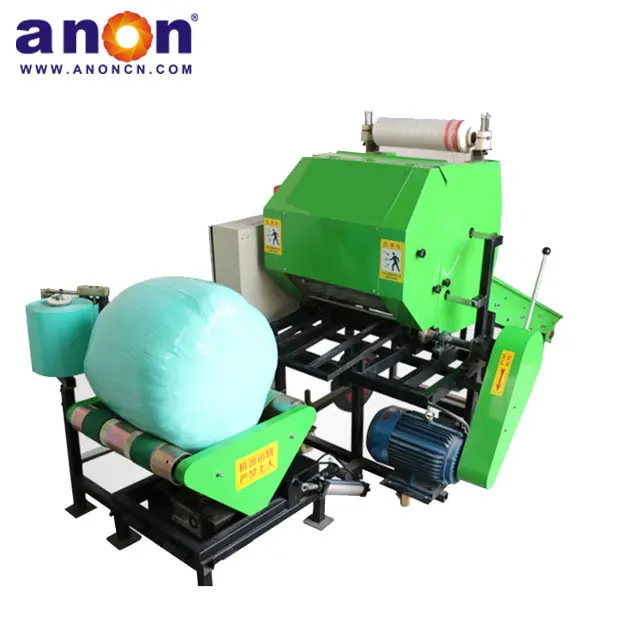
ANON Straw Baler Machine,Silage Baler
The ANON silage baler is a silage processing equipment that integrates baling and wrapping functions, enabling automated processing of silage. It automatically bales and wraps straw, hay, silage, peanut vines,…
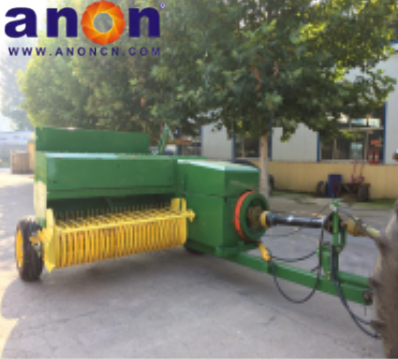
ANON ANRFK5070 Square Baling Equipment
The ANON square baling equipment, tractor-tethered, is used to collect scattered straw, wheat straw, soybean stalks, corn stalks, or hay in fields and compress them into square bales for easy…
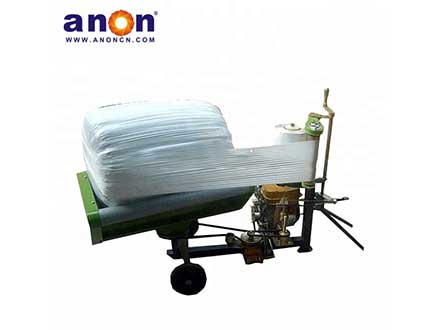
ANON Mini Hay Baler,Best Mini Round Baler
The ANON Mini Hay Baler is a small agricultural machine used to bale and wrap crop residues such as hay and fodder into compact packages. It is suitable for crops…
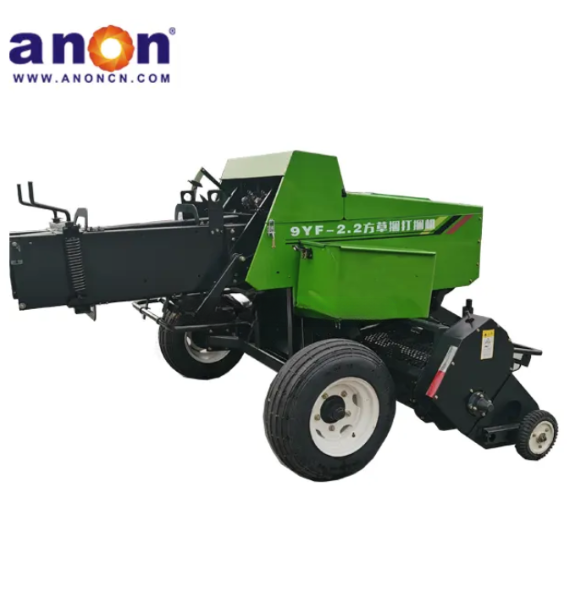
ANON AN9YF-2.2 big square type hay square baler knotter machine square pine straw baler
This big square baler is matched with a tractor to work. It has a high efficiency, and its square bales are easy to transport and store. It is suitable for…
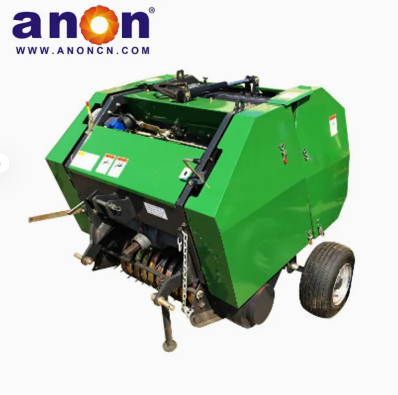
Anon China Tractor Mounted Round Straw Hay Baler Machine
The ANMRB8070 baler is an economical, practical, and highly efficient baler. It consists of a main unit, pickup section, compression rollers, automatic hay bale tying system, hydraulic ejection system, and…
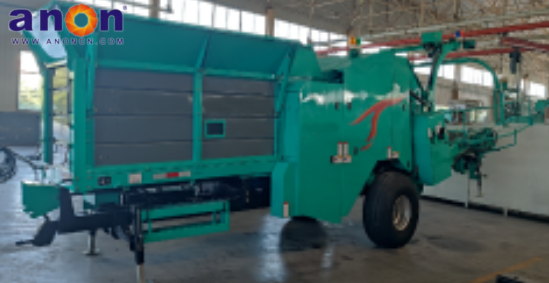
ANON Agricultural Equipment Self-propelled Cropper Green fodder round bale baling and wrapping machine
Production Descriptions 1. Year-round supply of green fodder is achieved After fermenting for about 1 month, the silage bales can be fed. In the following 1 year, they can remain…
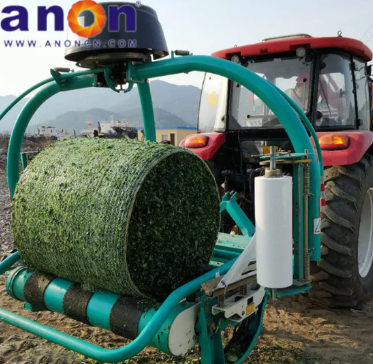
Forage Grass Baler Wrapper Machine Full Automatic Silage Round Bale Wrapping Machine
Product Description 1 . This wrapping machine is our patented machine and it is widely used in large farms 2: It is the tractor-driven type and the work efficiency is…
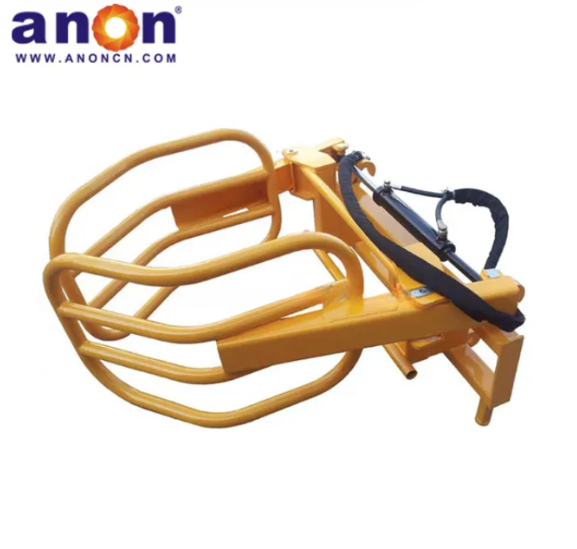
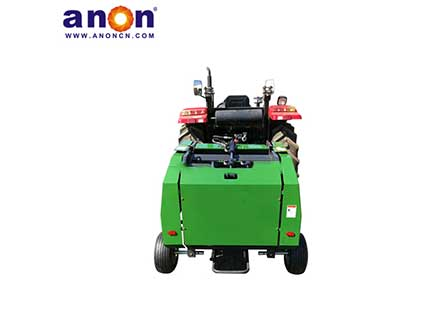
Introduction
ANON offers various hay balers for you t choose from. We have round baler, square balers , baling and wrapping machine.
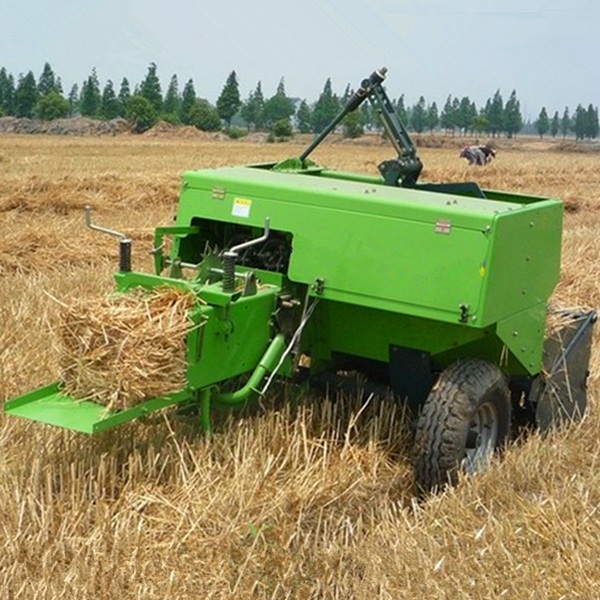
The round baler machine produces round bales. This round hay baler machine features a simple structure, and convenient operation and maintenance. It produces bales with low density and good aeration, facilitating field transportation. It is suitable for short-term storage of feed or straw for farm self-use.
The square hay baler produce the square bales.They have high density, regular size, and are easy to stack, store, and transport over long distances. The structure of the square hay baler is more precise and suitable for straw or grass that needs to be sold and transported multiple times.
The bale wrapper is a machine that integrates both baling and wrapping, making it especially suitable for silage baling. Using advanced sealing technology, the wrapper ensures tighter and more secure bales, preventing moisture and pests from entering, thereby maintaining the quality and shelf life of the hay. This is extremely important for farmers and ranchers, as it guarantees that hay remains undamaged during storage and transportation.
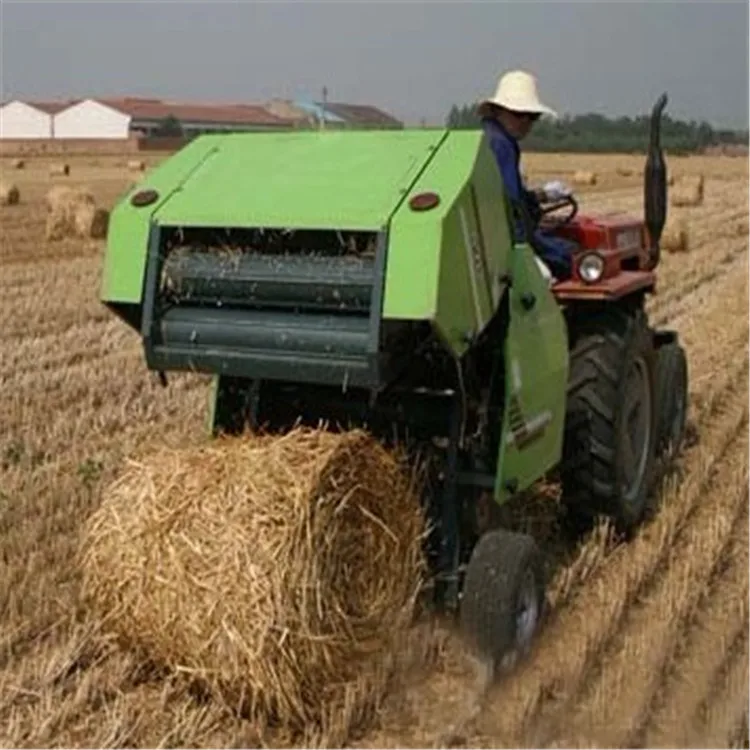
We offer both mini and standard/large balers, so you can pick the perfect size for your needs.
The mini hay baler is a compact and efficient agricultural machine, specially designed to bale hay into round or rectangular packages and seal them to preserve quality and extend shelf life. With advanced technology and structural design, it can bale hay quickly and effectively, making storage and transportation easier. Featuring small size, light weight, and simple operation, it is ideal for farmers and ranchers who need to bale hay on a small scale.
The large-scale hay baler is more efficient and needs more power to drive. It is suitable for large farms and grasslands to deal with thousands of acres of contiguous crops.
For the power, we have the tractor drive, fixed operation, and self-propelled hay balers. Generally, they are tractor-driven. The fixed one can be powered by electricity or fuel. And the self-propelled hay baler has it won power, which is suitable for the large farm operation.
Features
1. High-Efficiency Collectio
Picks up, compresses, and ties hay in one process — no need for manual handling of loose forage. It directly transforms scattered field hay into uniform bales, greatly improving harvesting efficiency and reducing labor. Think about one machine can help reduce the labor cost of dozens of workers and can quickly finished the large scale operation. This will be an investment that cuts costs and boosts efficiency.
2. Space-Saving
The process of baling is to compress the forage or straw into a uniform standard shape, and then bale. With high-density compression, the volume of hay is reduced by 50%–70% after baling, help saving storage space and transportation costs. The uniform bales are easy to load, unload, and transport with machinery, further reducing labor and logistics expenses.
3. Reduce the risk of mold growth
Regular bundling can reduce the scattering and loss of hay during transportation and storage, and high-density compression can suppress moisture retention and reduce the probability of mold growth, especially when equipped with coating technology. Using 2 to 4 layers of adjustable coating to isolate oxygen, prevent bale spoilage, extend storage life, and reduce feed waste.
4. Convenient for Feeding or Resale
The consistent shape and size of the bales make them easy to handle and transport. They can be directly connected to feeding machines, biomass power plants, or feed processing facilities, without the need for secondary processing.
5. Versatile Applications
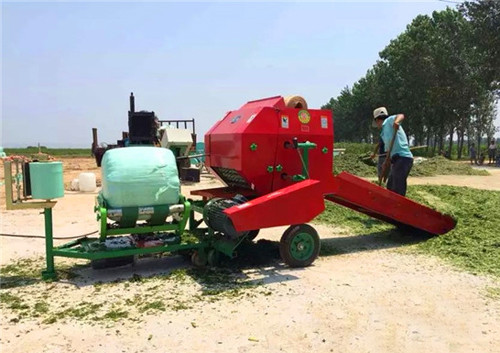
By replacing different pickers and adjusting parameters, the ANON hay baler can bale not only hay but also wheat straw, rice straw, and corn stalks, achieving multi-functional utilization. The tractor type model can flexibly match tractors of different horsepower and has a wide adaptability.
6. Integrated Industry Chain
When used together with a mower and a bale wrapper, it enables full mechanization of mowing, baling, and silage preparation. Through the process of baling and wrapping, a completely sealed and oxygen free environment is created for silage feed, allowing for the long-term preservation of fresh grass as high-quality feed with rich impact through lactic acid bacteria fermentation, eliminating the need for subsequent specialized fermentation work.
7. Environmental Protection
The use of balers can effectively handle waste such as straw and grass, avoid incineration pollution, and can also be converted into silage feed to solve the problem of food shortage for cattle and sheep in winter. Biomass fuels or paper making materials can form an ecological loop.
8. Reliable and durable
ANON adopts high-strength steel and wear-resistant components are reinforced in key areas such as knotters, compressors, chains, etc. The knotters are lubricated using centralized oil injection blocks for easy lubrication and maintenance. Ensure that the baler can operate stably for a long time even under harsh working conditions.
Conclusion
The ANON platform hay baler offers the following advantages for our farms: It can quickly bale large quantities of hay into round or rectangular bales, improving productivity. It also operates continuously, reducing downtime and increasing productivity. Adjustable and customizable settings accommodate hay bales of varying sizes and shapes. Whether round or rectangular, it can be easily completed, meeting the needs of diverse users. The baler utilizes advanced sealing technology to tightly pack hay, preventing moisture and pests from entering, thereby maintaining its quality and shelf life. This is crucial for farmers and ranchers, ensuring hay is protected during storage and transportation. If you’re looking for a baler, please contact us! ANON has been deeply involved in the agricultural industry for over 20 years, guaranteeing quality and exceptional service!
FAQ
1. How much does the baler cost?
Let’s discuss the average cost. The average price of a baler depends on its type, capacity, and functionality. Horizontal balers typically range from $20000 to $80000, vertical balers range from $10000 to $50000, and two ram balers range from $30000 to $100000.
2. How many bales of hay can be produced per acre?
The number of hay bales per acre varies widely, but is generally estimated to be 50 to 200 small square bales per acre, or 5 to 10 large round bales per acre. The exact number depends on several factors, including hay type, weather conditions, soil quality, and cutting frequency.
3. What size tractor do you need to operate a hay baler?
The size of the tractor required for baling hay depends on the type and size of the baler, as well as the terrain and area. For smaller square balers, a tractor with 20-30 horsepower is sufficient, while larger round balers require a tractor with 40-50 horsepower or more. Factors such as site size, terrain, and the specific task also affect the ideal horsepower.
4. Is it cheaper to buy or make hay?
If you have limited land available for growing hay, buying hay and grazing it on these lands to efficiently harvest feed may be more cost-effective. With more acres, you can spread the cost over more land.
5. What is the expected lifespan of the baler?
They are used for high-yield MRF and fiber recycling operations. Although most balers can last for 10 to 15 years based on their usage and maintenance, the typical lifecycle of a double plunger baler is about five years before metal fatigue and component wear cause damage.
6. Why the baler produce loose packages?
There are three core reasons for loose packaging: firstly, improper adjustment of the rope tension. If the tension is too low, it can lead to weak bundling. The tension can be increased by adjusting the tension knob on the equipment. The tension values of different materials need to be repeatedly adjusted (the tension of dry straw is slightly higher, and the tension of wet straw is moderate); The second issue is uneven dryness and wetness of the material. A high proportion of wet straw can reduce the bundling density. It is recommended to work when the material has a moisture content of 15% -30%, and wait for the surface moisture to evaporate after rain before operation; The third issue is the malfunction of the pickup or pressure roller. The deformation of the pickup teeth can cause uneven feeding of materials, and if the gap between the pressure rollers is too large, the materials cannot be compacted. Therefore, it is necessary to correct the teeth or adjust the gap between the pressure rollers.
Contact for detailed service
Anon cooperates with a number of factories to improve efficiency and service quality, and provide technical support and services to customers.
Get Support