







Introduction
Are you confused about whether to choose a pressure-type rice husker or a pneumatic rice husker? Both effectively remove the husks from rice, serving the same purpose, but they differ in many aspects. This article will comprehensively explain the differences between these two rice hulling technologies from several perspectives, including working principles, hulling effect, components, automation, cost and maintenance, production capacity, and application scenarios. If you are interested, please read on!
Concept Introduction
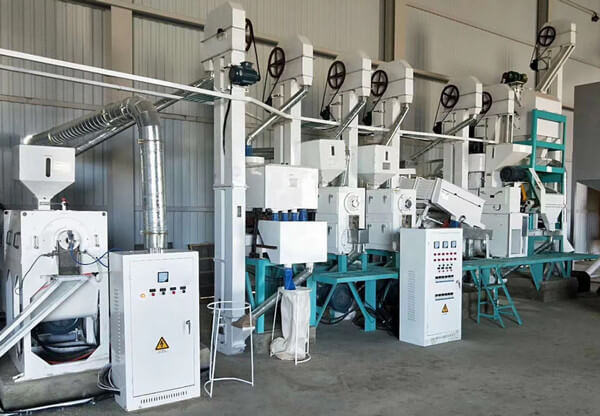
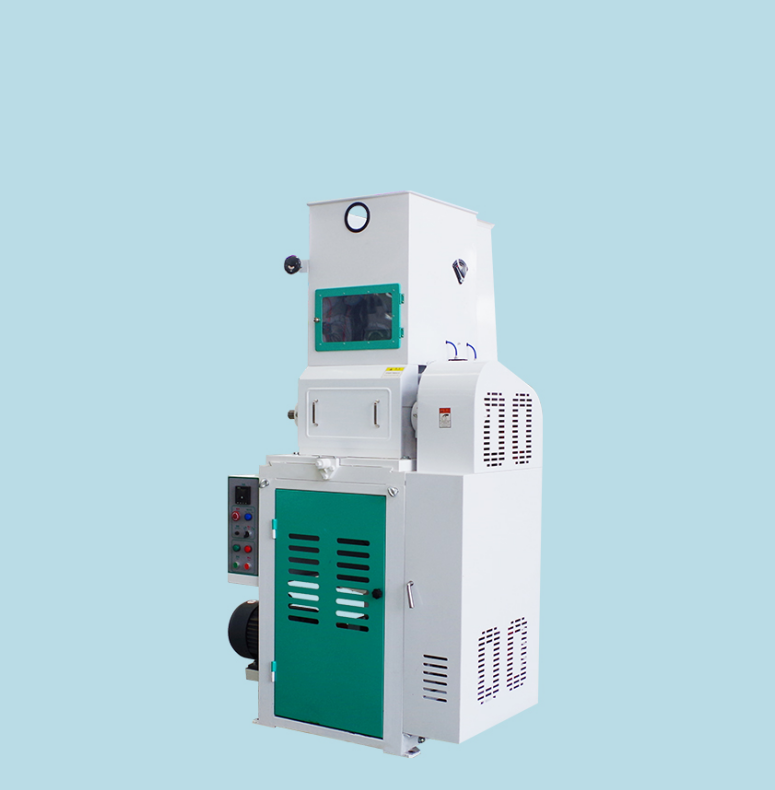
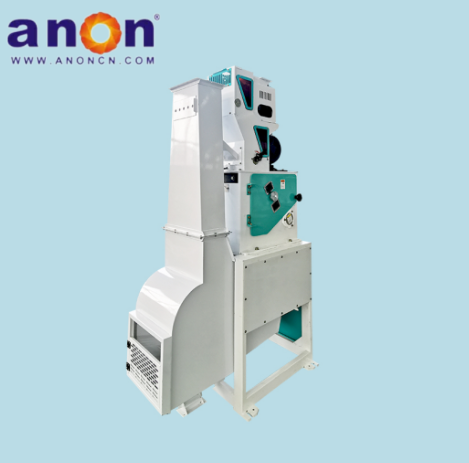
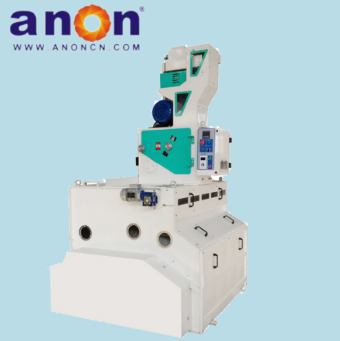
A rice huller is a machine used to remove the husk from paddy rice, obtaining whole brown rice. Its performance directly determines the rice yield and head rice rate, making it a core step in rice processing.
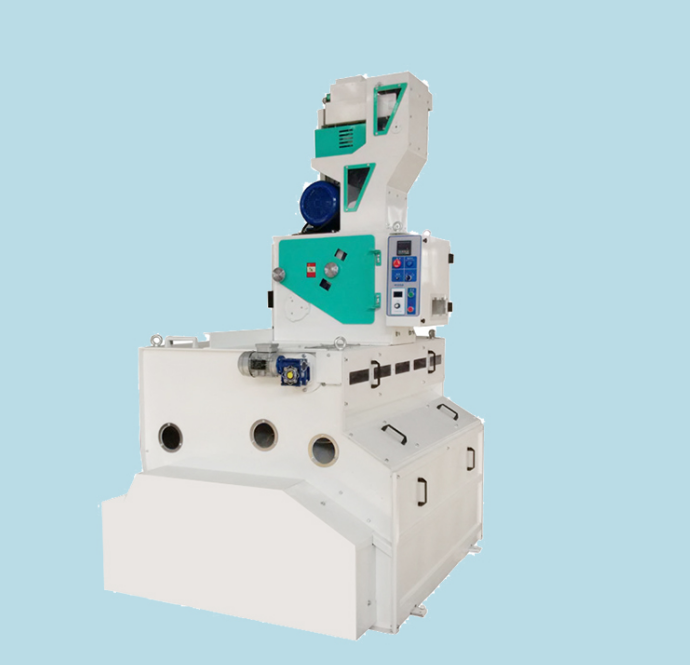
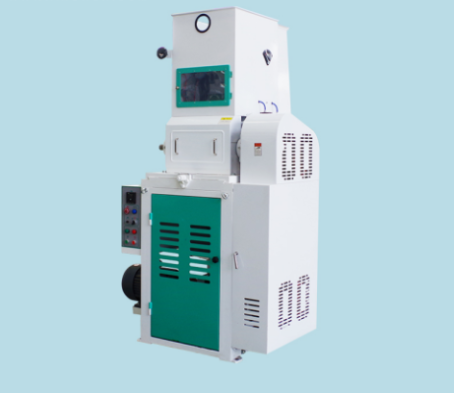
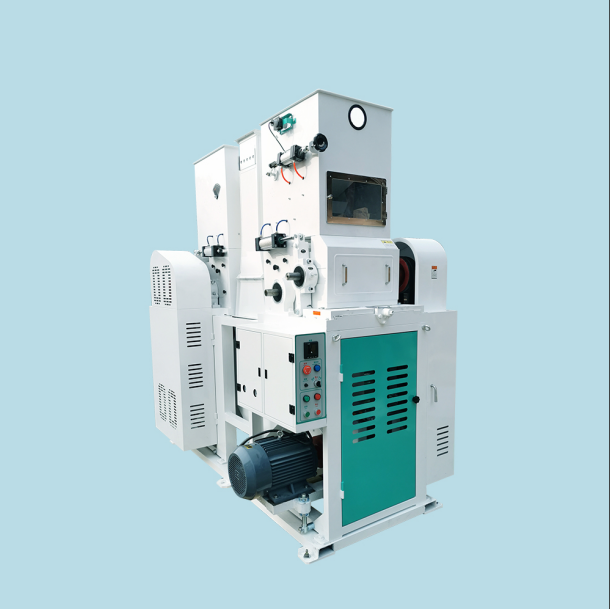
A pressure-type rice huller uses a counterweight (pressure roller) to adjust the constant pressure between the rollers. The difference in linear speed between the two rollers squeezes and tears the paddy rice to complete the hulling process. Once the pressure is set, it remains essentially constant throughout a complete processing cycle.
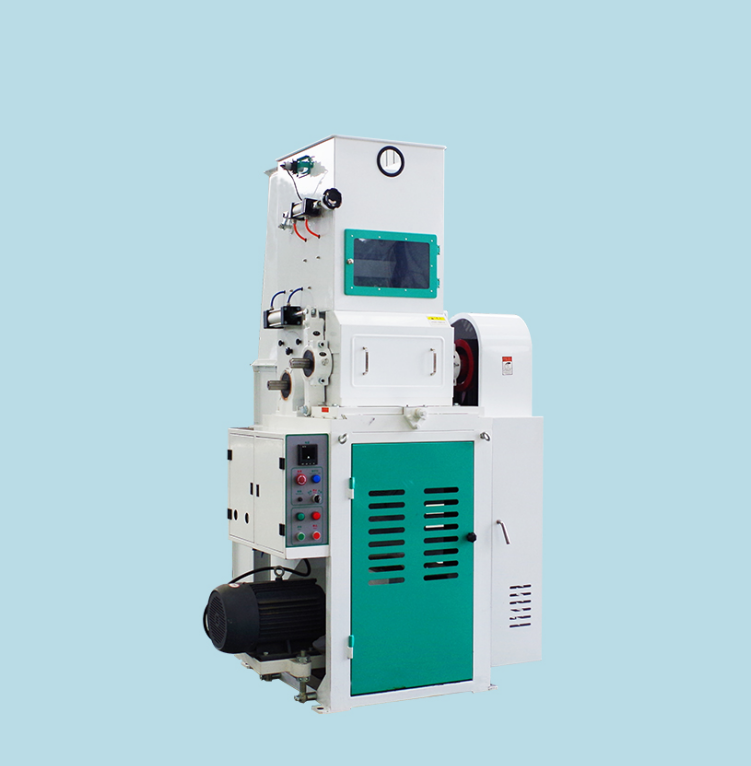
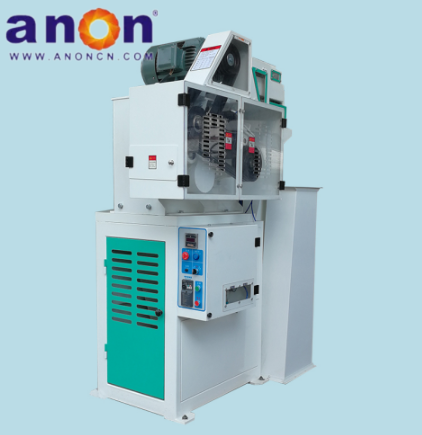
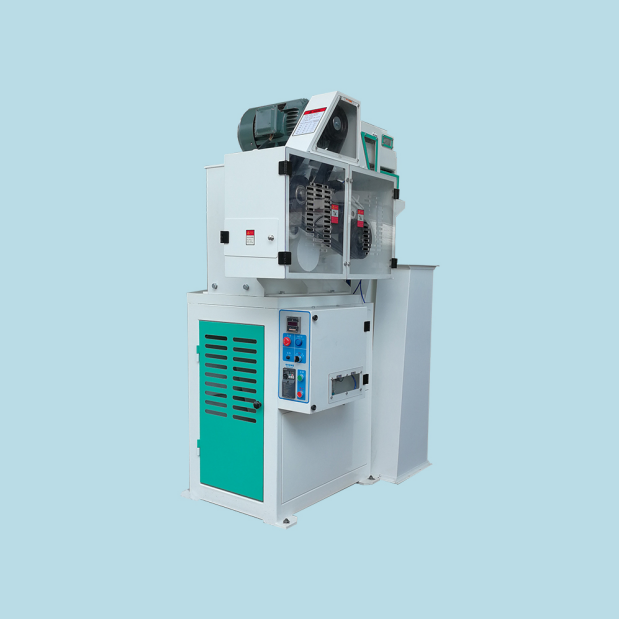
A pneumatic rice huller relies on a dynamic air pressure control system. Compressed air drives cylinders to precisely control the pressure between the rollers, and the pressure can be dynamically adjusted according to material conditions such as variety, moisture content, and flow rate. The equipment automatically powers on after being plugged in, requiring no manual operation. It is equipped with an automatic sensor; when raw material enters, the rollers automatically close to begin hulling, but when no raw material is available, the rollers automatically separate, stopping operation to prevent roller burnout.
Differences:
Working principle
After the paddy rice is cleaned to remove light and hard impurities, it enters the huller through the feeding inlet. It is evenly fed into the gap between the rubber rollers by the feeding board. The internal operation of the two types of machines differs during this process.
The pressure-type rice husker applies pressure to the rubber rollers through the weight to remove the husk. The gap between the rubber rollers is manually adjusted using a lever. In contrast, the pneumatic rice husker adjusts the rubber roller pressure infinitely with air pressure. It is equipped with an automatic sensor. When the material enters, the rubber rollers automatically close to husk the rice. When there is no material, the rollers automatically open.
After husking, the mixture of rice and husks enters the husk separation chamber, where the husks are blown away by a fan, separating them from the grains.
Components
The two machines have some common components, as well as their own unique parts, which help ensure the complete operation of each machine system.
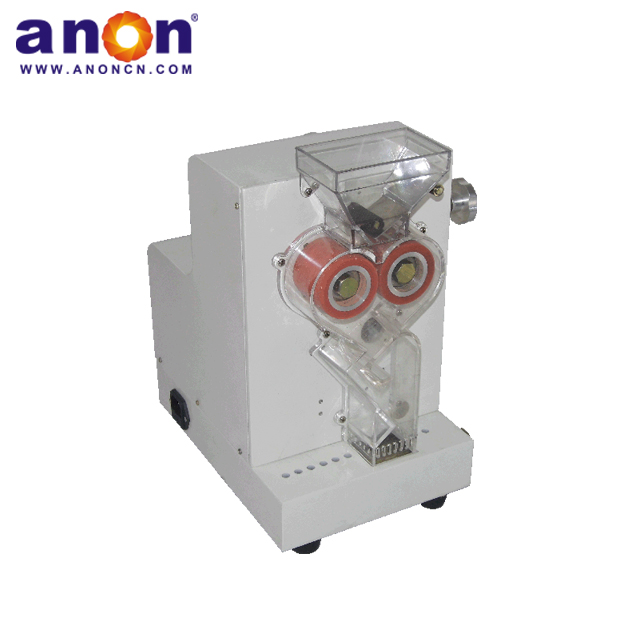
The pressure-type rice husker uses mechanical pressure, with a weight applying force to the rubber rollers to perform the hulling function. Its main components include the feeding system, rubber rollers, weight, adjustment mechanism, drive system, gear transmission box, husk separation chamber, and frame.
1. Feeding Device
The feeding device consists of a hopper, a flow control system, and a feeding plate. It evenly delivers grains into the hulling rubber rollers for husking.
2. Rubber Rollers
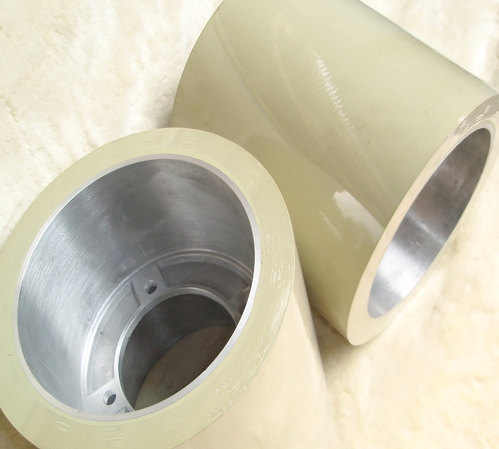
The rubber rollers are the key working components of the huller. They are typically a pair of rubber or plastic rollers mounted on cast iron cylinders. One roller is fixed in place, while the other is adjustable to change the gap between them. As the rice passes through the gap, the rollers rotate at different speeds, with a speed difference of 2 to 3.2 meters per second. The pressure and friction between the rollers remove the husk from the rice.

3. Adjustment Mechanism
The adjustment mechanism includes the feeding adjustment system and the weight gap adjustment system. It is used to control the rice feeding rate and the gap between the weight and the rubber rollers.
4. Gear Transmission Box
The gear transmission box alternates the use of fast and slow rollers, ensuring stable linear speed and speed differences, which improves production efficiency. It adjusts the rotation speed to meet different working requirements while reducing wear on the rubber rollers and drive system, thus extending the equipment’s lifespan.
5. Husk Separation Chamber
The husk separation chamber includes a fan and a screening device. The fan extracts the husk, while the screening device helps reduce the amount of husk in the paddy mixture.
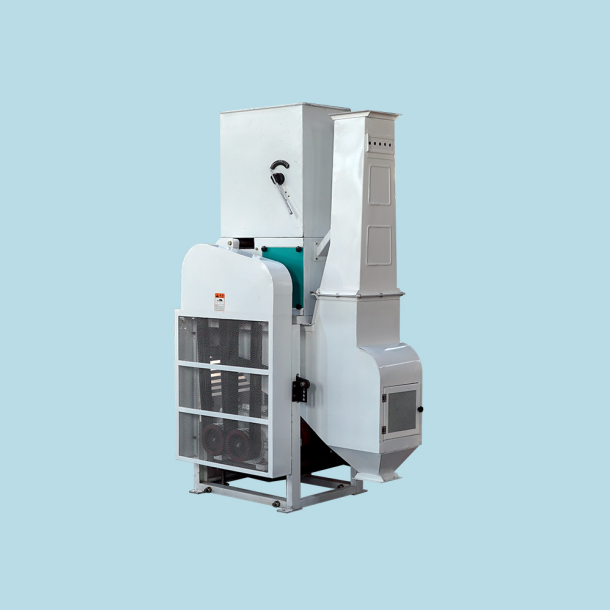
The pneumatic rice husker uses a pneumatic system to apply pressure by adjusting the compressed air pressure on the rubber rollers to husk the rice. Compared to the pressure-type rice husker, it is more complex, as it includes a pneumatic system and automated control components.
1. Pneumatic System
The pneumatic system consists of a cylinder, a pressure regulator valve, and a compressed air system. The cylinder applies pressure to the rice huller, the pressure regulator valve controls the air pressure, and the air pump supplies the compressed air.
2. Automatic Control System
The automatic control system includes sensors and a controller, which monitor and adjust the machine’s operation in real time. For example, the automatic sensors efficiently detect the incoming rice, automatically adjusting the rollers to close and separate, saving labor while ensuring optimal husking performance.
Automation Degree
Pressure-type rice hullers require manual operation, relying on the operator’s feel and experience for adjustments, thus demanding a certain level of expertise from the operator.
Pneumatic rice hullers, on the other hand, rely on a pneumatic system to precisely adjust pressure. They can dynamically adjust the hulling pressure according to the condition of the rice, offering a high degree of automation. They can also automatically close and separate the rollers based on the presence or absence of material, protecting the equipment and reducing reliance on manual labor.
Production Efficiency
The sturdy and durable pressure-type rice huller can operate reliably and continuously for extended periods under stable processing conditions, offering high cost-effectiveness. However, changes in raw materials require manual pressure adjustments and can impact continuous operation time.
The pneumatic rice huller relies on stepless air pressure adjustment, resulting in more uniform pressure and better adaptability to different types of rice. Its advanced vibrating feeding device ensures even and continuous feeding, automatically closing the rollers when there is material and automatically loosening them when there is no material, reducing wear and tear on the rollers and minimizing downtime for adjustments.
Hulling effect
The hulling effect is a key indicator for judging the performance of a rice huller. There is a significant difference in hulling efficiency between pressure-type and pneumatic rice hullers. It’s important to note that before hulling, you need to ensure the moisture content of your rice does not exceed 14%, as rubber rollers are less effective at hulling rice with high moisture content.
Pressure-type rice hullers work well with single-variety rice in stable conditions. However, when the rice variety or moisture content changes, such as when the rice contains immature or hard grains, the hulling effect may worsen, and the broken rice rate may increase significantly. Manual adjustment can also lead to inaccurate pressure control, resulting in low hulling efficiency, with some rice remaining in its husk or not fully hulled.
Pneumatic rice hullers have pneumatic devices that precisely control pressure, adjusting the air pressure according to the rice variety and moisture content. This results in more uniform and efficient hulling, consistently maintaining a high hulling rate and low broken rice rate, making them suitable for processing multiple varieties.
Application Scenario
Both pressure-type rice hullers and pneumatic rice hullers can be used in rice milling production lines. However, considering production efficiency and hulling effect, pressure-type rice hullers tend to require a second hulling process after the initial hulling stage, following the paddy separation.
Pressure-type rice hullers are suitable for small, traditional rice mills and workshops with limited budgets, processing a single, stable variety of rice, and possessing experienced operators. Pneumatic rice hullers, on the other hand, are suitable for medium to large-scale modern rice mills and refined rice processing lines that process diverse rice varieties, have strict requirements for rice yield and quality, and pursue automated and data-driven production management.
Maintenance
In terms of routine maintenance, the pressure-type rice huller has a simple structure and a low purchase cost. Its energy consumption mainly comes from the main motor, and maintenance is mostly for mechanical parts, making it easy to repair. In contrast, the pneumatic rice huller requires an air compressor, resulting in higher overall energy consumption and necessitating the location of the air circuit for maintenance. Relatively speaking, the tumbler-type is more economical, while the pneumatic type offers high performance and automated production.
The pressure-type rice huller has a simple structure with fewer components. During regular maintenance, you need to clean the machine regularly to prevent blockages and lubricate the bearings. When using the pressure-type rice huller, ensure that the rice is fed evenly to avoid the rubber rollers spinning without material, which can damage the rollers. It is also important to regularly check and replace parts, as the weight, rubber rollers, and drive belts will wear out over time. Replacing them regularly helps maintain production efficiency. Due to the machine’s design, replacing the rubber rollers on the pressure-type rice huller is not very convenient.
The pneumatic rice huller requires regular checks of the pneumatic system to ensure stable air pressure and prevent leaks or insufficient pressure. In daily operation, you also need to clean the machine and lubricate its components to ensure its normal operation. Replacing the rubber rollers on the pneumatic rice huller is more convenient.
Cost
The pneumatic rice huller uses more advanced technology, which can significantly reduce labor costs. However, it is typically priced at least 4,000 yuan higher than the pressure-type huller. The exact price depends on the production capacity and model. Therefore, the choice should be based on your specific application needs.
How to choose your rice huller?
If you are a newly established rice processor with a tight budget, primarily processing your own or locally grown single-variety rice, or if you have experienced operators, then a pressure-type rice huller is the best choice.
If you operate a medium to large-sized rice mill targeting the market, processing a variety of raw materials, have strict requirements for hulling and breakage rates, or want to reduce labor costs and maximize automation, then a pneumatic rice huller would be your ideal option.
There is no single best choice; the best choice is the one that suits your needs!
Conclusion
In summary, both the pressure-type rice husker and the pneumatic rice husker are effective machines for removing rice husks. Each has its own advantages, and the choice should be based on the specific application, price, and maintenance considerations mentioned above. ANON Agricultural Machinery aims to provide machines that meet the needs of every customer, helping to enhance food production.
FAQ
What is the difference between a husk and a hull?
Husk (or hull) in botany is the outer shell or coating of a seed. In the United States, the term husk often refers to the leafy outer covering of an ear of maize (corn) as it grows on the plant. Literally, a husk or hull includes the protective outer covering of a seed, fruit, or vegetable.
What is the traditional method of husking rice?
Crush the rice in a mortar until the rice husk separates from the rice. Repeat the process until the desired quality is achieved. Then, pour the rice into a separate container and perform air selection to remove the outer shell from the grains. This process is rice husking.
How often should the rubber rollers be replaced?
A: Rubber rollers are core wear parts. When the hulling rate continues to decline, the broken rice rate increases, or noticeable grooves appear on the rollers, replacement or roller swapping (interchanging the positions of the two rollers to even out wear) is necessary. The replacement cycle depends on the processing volume, rice variety, and operating pressure, ranging from hundreds to thousands of tons.
Is rice husk a waste?
Rice husk is a large-tonnage waste left from rice production. It is not subject to humification and therefore becomes a serious environmental pollutant. Due to the presence of two essential elements—carbon and silicon—in its composition, rice husk is a promising organo-mineral raw material.