



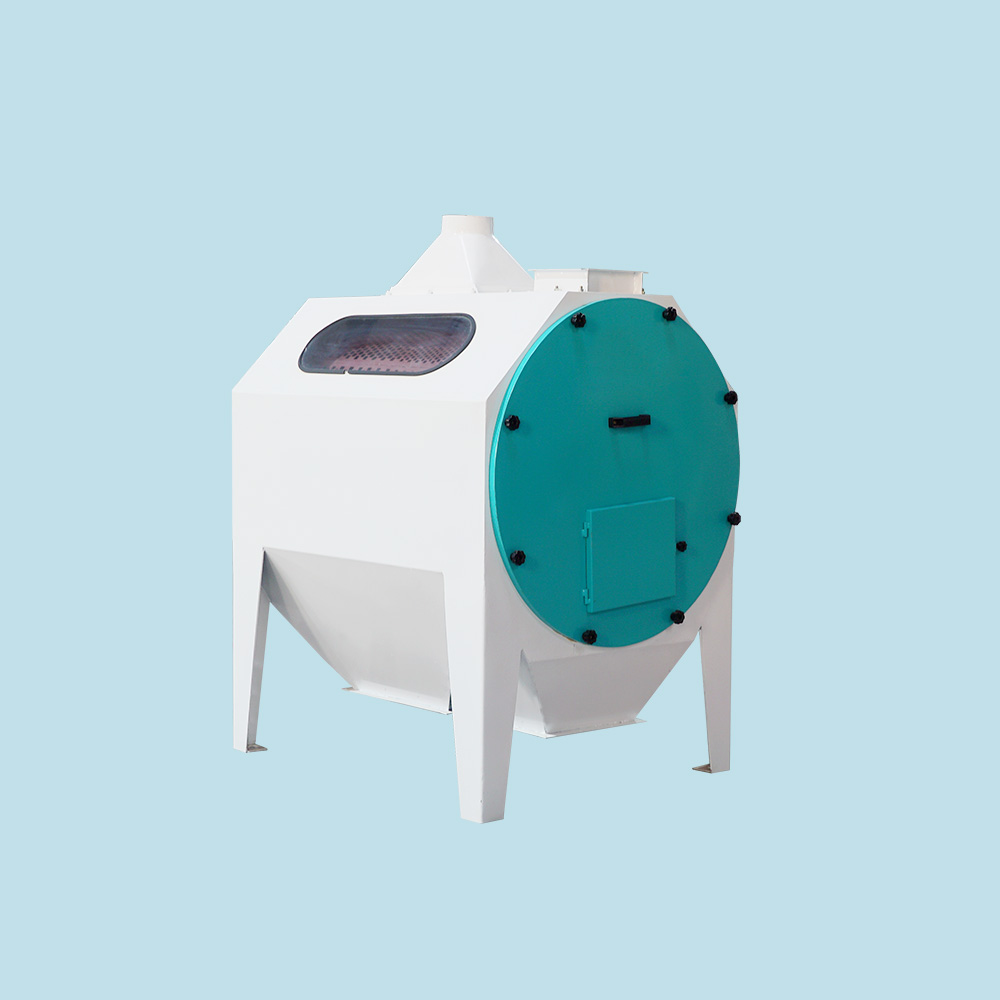
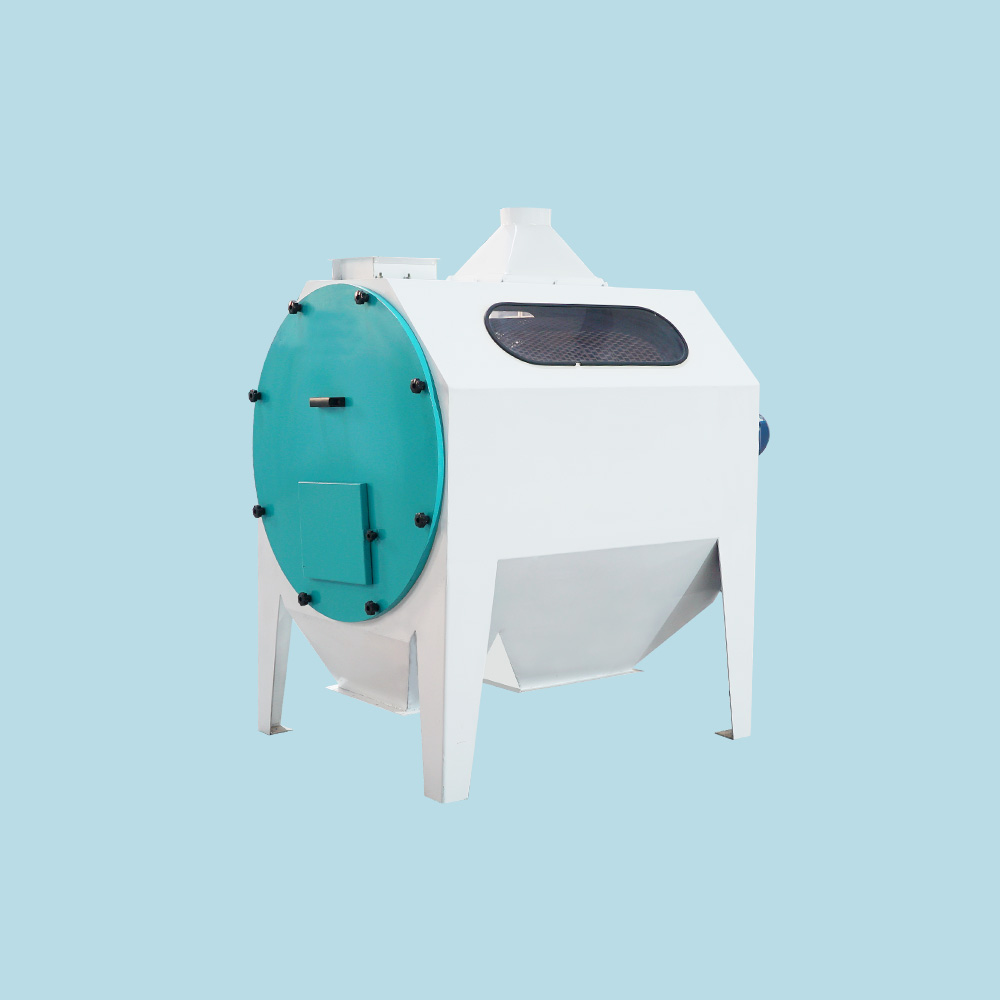
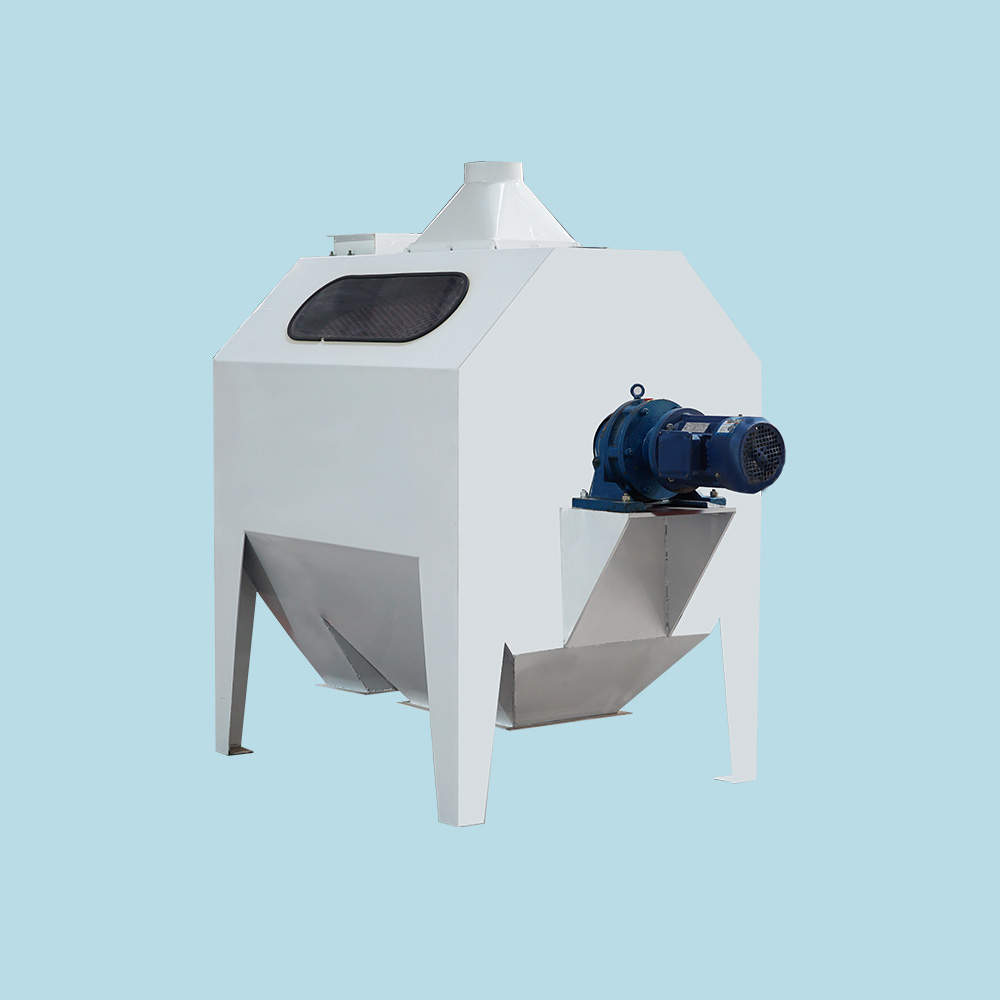
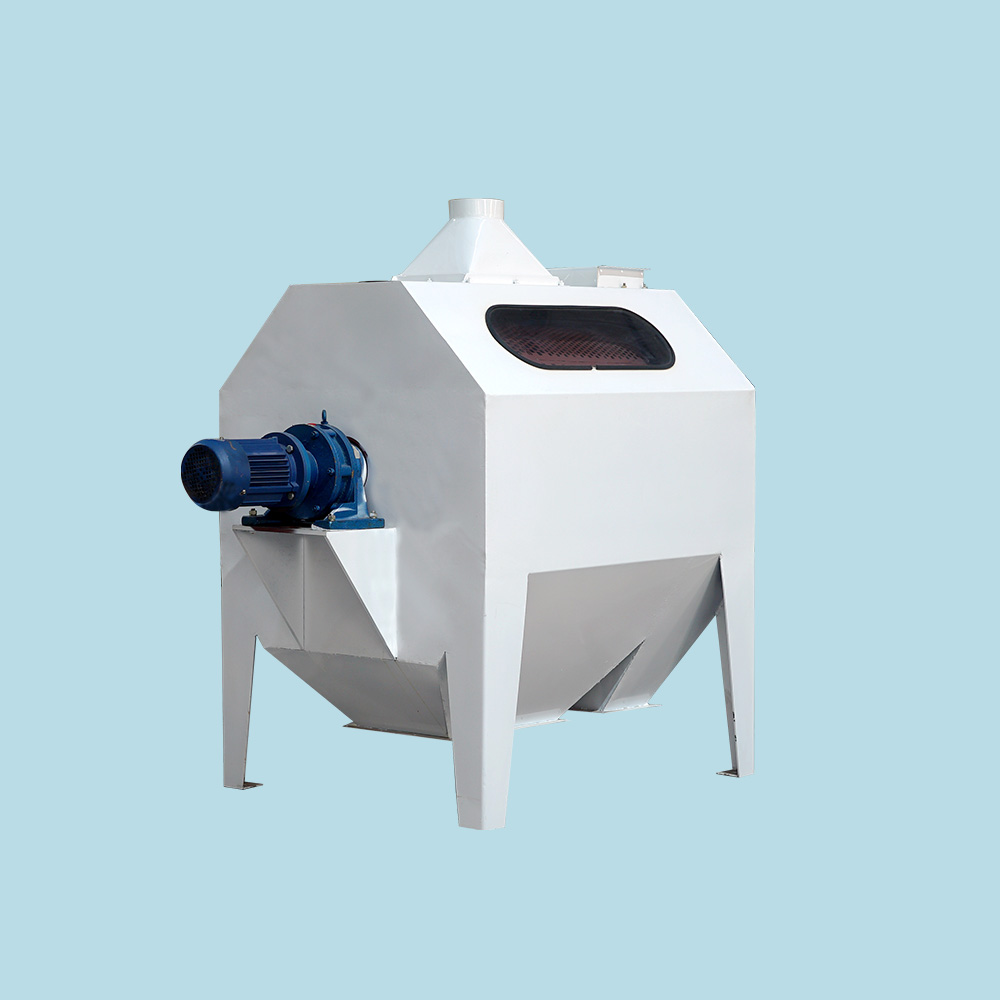
Rotary Grain Cleaner
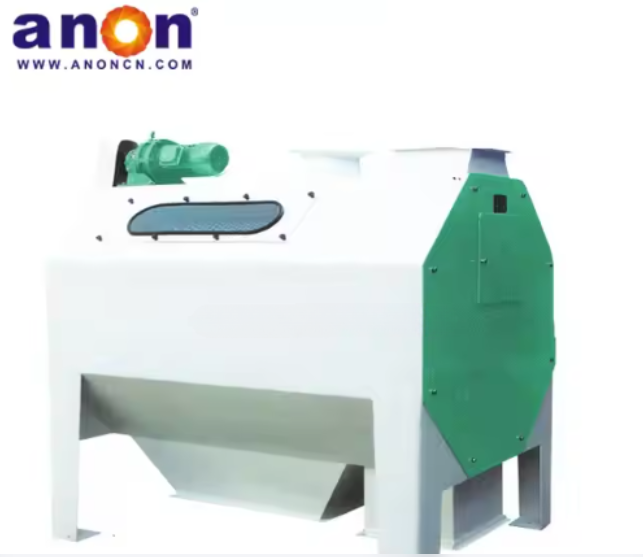
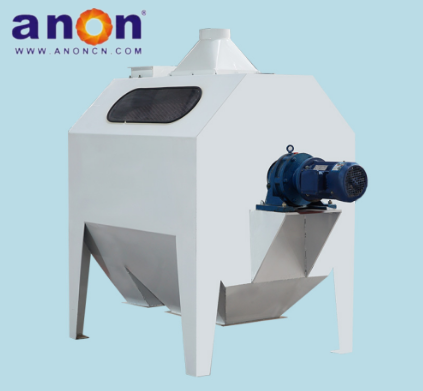
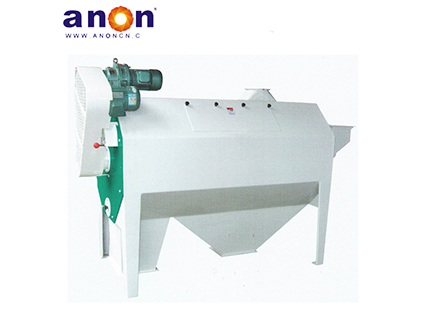
ANON rotary grain cleaner is a highly efficient grain pre-cleaning machine used to separate impurities from the clean paddy. The rotary drum type cleaning machine is the most effective and low-cost step to remove 98-99% of coarse impurities.
Capacity: We provide a wide range of capacity options to adapt to your capacity needs and your local voltage and frequency requirements.
Application: ANON Rotary grain cleaner machine can be utilized as the main grain cleaning equipment for a small rice factory. It can also be integrated into your rice milling production line, serving as the first step during the paddy cleaning.
Suitable for: Our rotary grain cleaners are designed for paddy and rice; however, they are also able to clean other common grain types, including maize, wheat, barley, oats, sorghum, millet, and pulses.






Our Products
Build for your local power conditions
Reliable operation even in regions with unstable power supply.
Custom Voltage & Frequency
Every ANON rotary grain cleaner is configured according to your local electrical standards and operating conditions. We provide custom voltage & frequency, including:
>> 220V/ 380V/ 400V/ 415V/ 440V
>> 50Hz or 60Hz
>> single-phase or three-phase motors
For factories experiencing frequent voltage fluctuations, we also supply a compatible automatic voltage regulator to ensure stable equipment operation.
Diesel Generator
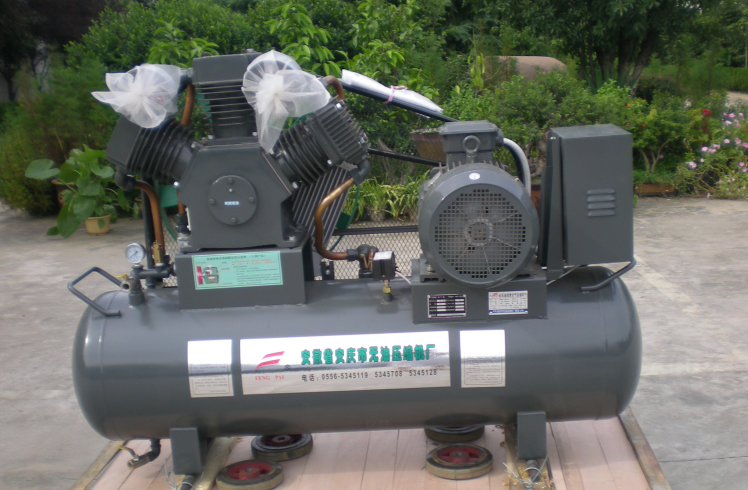
For factories that have unreliable electricity or frequent power outages, we offer a compatible diesel generator matched to the machine.
Before production, our professional engineering team will confirm your local voltage, frequency, and power supply conditions to make sure the machine is ready to work perfectly in your local factory.
Increase your milling efficiency
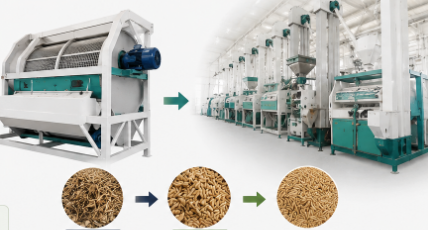
ANON rotary grain cleaners improve the overall efficiency of your rice milling plant by removing large impurities such as straw, stones, dust, ropes, and other foreign materials before they enter the production line.
Without pre-cleaning, these impurities are carried into downstream equipment, where they can cause blockages and interrupt material flow. Operators must stop the production line to remove accumulated debris, resulting in unnecessary downtime and reduced productivity.
By removing large impurities at the very beginning, ANON high-capacity rotary grain cleaners provide a cleaner and more consistent material flow, allowing your entire rice milling line to operate more smoothly with fewer interruptions and higher processing efficiency.
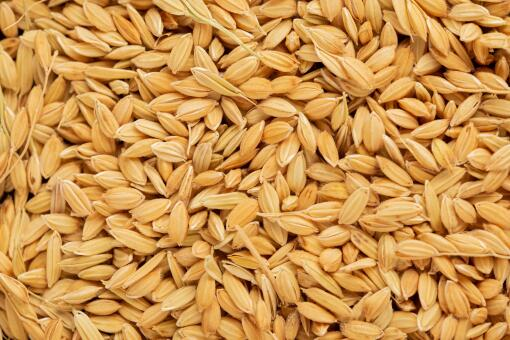
Wide Capacity Range
ANON provides a different capacity range for different rice mill scales.
5-10 T/H for small rice mills and rural processing
10-20 T/H for medium-scale rice milling plants
20-40 T/H for industrial rice processing line
All models can be integrated into complete rice mill plants and pre-cleaning systems.
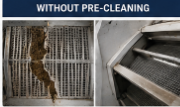
Protect your subsequent equipments
Designed to remove large foreign material ahead of the rice milling process, ANON rotary grain cleaners will help protect expensive equipment located further downstream.
Hard impurities such as large stones, metal fragments, and wood pieces can cause severe damage to key equipment, including paddy huskers, separators, whiteners, and polishers. These contaminants may also lead to blockages, excessive wear, and unexpected downtime.
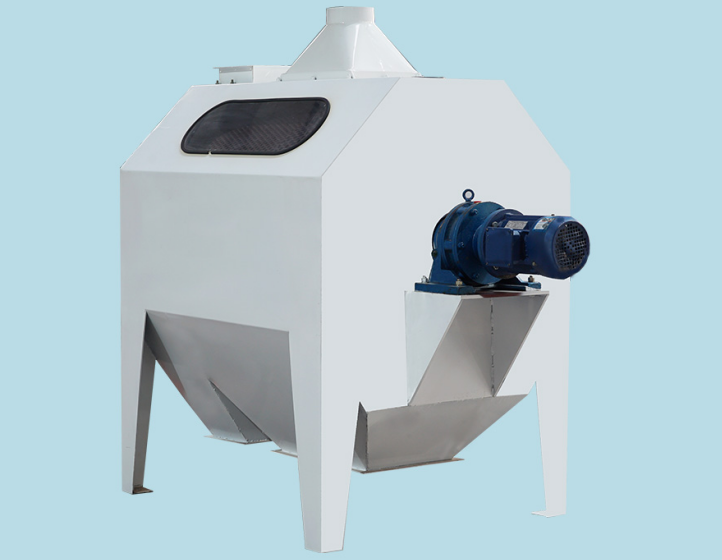
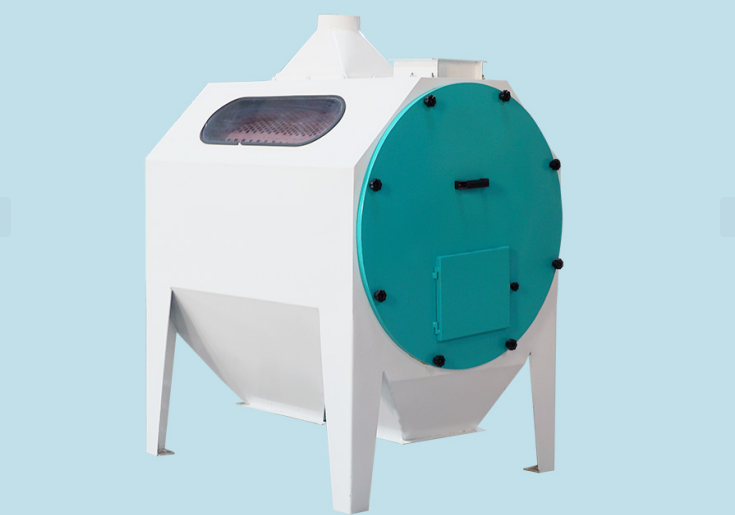
Our rotary grain cleaner features a two-layer drum sieve design. The inner screen allows clean grain to pass through while retaining oversized foreign materials, ensuring that only properly cleaned paddy enters the next processing stage.
Related Products
FAQ
On the one hand, the drum sieve machine uses a gentle rotating tumbling screening method to screen. Compared to some machines that use strong vibration, the rotary drum screen causes less damage to the paddy and a lower broken rice rate. It can protect the integrity and value of the material for you. And it is also an ideal initial cleaning machine for the seeds, because it can maximize the germination rate of seeds. On the other hand, though small in size, our drum sieve is heavy in weight. This can ensure the stable operation of the machine. Avoiding the risk of broken rice caused by internal device angle deviation during operation, and greatly ensuring the screening quality of the materials.
No. The drum sieve is best suited for dry or slightly moist materials (moisture content ≤14%), not easy to sieve high-moisture material, easy to stick screen. It is suggested to pre-dry or use other pre-cleaning machine such as vibrating screen.
First, you need to consider your capacity. Choose according to your production line’s output requirements, and make sure to leave a certain margin.
Second, what grains do you mainly want to clean? Are impurities mainly large or small impurities?Select the appropriate mesh configuration and suction power based on the characteristics of impurities.
Poor cleaning performance: This could be caused by clogged screen holes, worn or torn screens, or insufficient air intake. In this case, you should stop the machine for inspection, clean or replace the screens, and adjust the air intake.
Unusual noise or vibration: Stop the machine to check for bearing damage, loose fasteners, or large foreign objects stuck in the screen drum. Tighten the screws accordingly, remove the foreign objects, or replace the bearings.
Motor overheating: This could be caused by an over-tightened drive belt, excessive load, or poor bearing lubrication.
Firstly, it is necessary to ensure that the feeding is continuous and uniform, avoiding fluctuations in quantity that may affect the cleaning effect or even cause blockages. At the same time, pay attention to the suction volume and adjust the air consumption to the optimal state, which can effectively absorb light impurities without sucking up good materials.
Pay attention to whether the equipment runs smoothly and has low noise. If there is an abnormal collision sound, the machine should be stopped immediately for inspection.
It doesn’t necessarily have to be broken, you can check from these three.
- Whether the mesh aperture is appropriate. For example, when using an 8mm sieve to screen corn, small stones may not leak out; If a 15mm sieve is used to screen wheat, small pieces of straw may leak out. Just replace the sieve with the corresponding specification;
- Check if the sieve is damaged. Check if there are any holes or loose edges on the sieve. If there are holes, small impurities may leak into the clean grain through the holes. You can replace the sieve with a new one in a timely manner before processing;
- Is the feeding too fast: If the grain is fed too quickly, the cylinder will not have enough time to push out impurities, which will mix into the clean grain. So you can adjust the feeding amount to allow enough time for the grains to separate in the cylinder, in order to achieve good screening effect.
The drum sieve can be used to screen a variety of grains. Just by simply exchanging the respective screens, you can achieve the effect of screening different types of grains. Its processing capacity basically covers everything from small to large, and you can almost always see it on a production line of any output. And often, large-scale cleaning requires the use of cylindrical initial screening. It can be installed quickly alone or in a production line or mobile, without site or circuit modification. The drum sieve is mostly used in the grain industry, which is very suitable for cleaning large and light impurities in raw materials such as wheat, corn, and rice, with a removal rate of over 98%. It can also be used in feed production to protect subsequent crushing equipment.
Firstly, you can check the dust collection bag. If the bag is full, it will clog and the suction will be weak. Then, you can remove the dust collection bag, clean it thoroughly, and reinstall it. You can also check once to see if the air intake is blocked by grains or impurities, or if the air volume is too low. If it is blocked, make sure to clean the blockage of the air intake after stopping the machine. If the air volume is too low, adjust the air volume.