



Introduction
Zero-turn lawnmowers are renowned for their flexibility and are beloved by gardening enthusiasts. But are zero-turn lawnmowers worth buying? This article will take you through a deep dive into the advantages and disadvantages of zero-turn lawnmowers to help you better understand them.
What is the Advantage of a Zero-turn Mower
Zero-turn mowers are advantageous due to their small turning radius, high speed, and high mowing efficiency.
Small Turning Radius
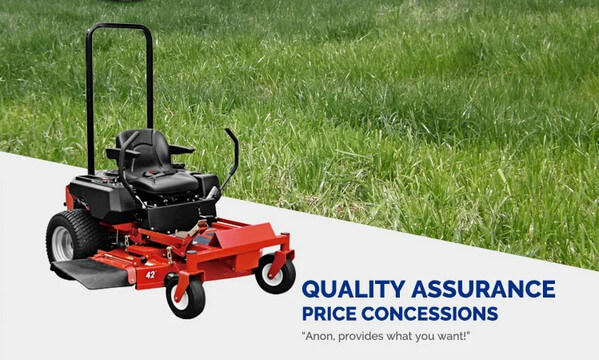
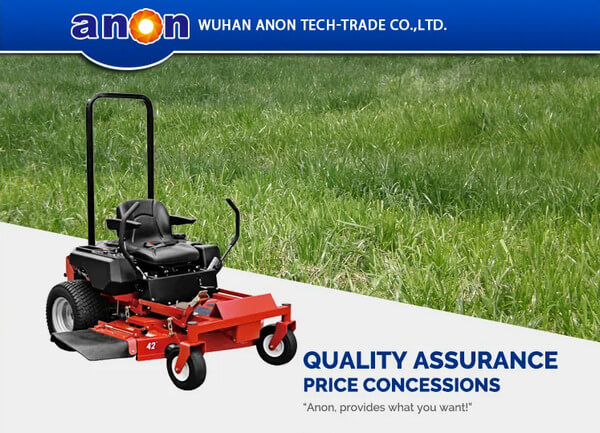
The zero-turn lawnmower gets its name from this key feature. When a turn is needed, it can rotate 360 degrees, allowing for on-the-spot turns. This easily avoids trees or other obstacles on the lawn while cutting, making it ideal for complex terrain.
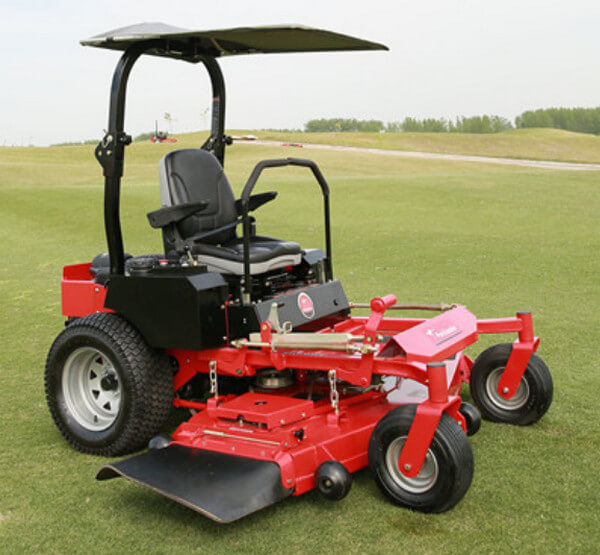
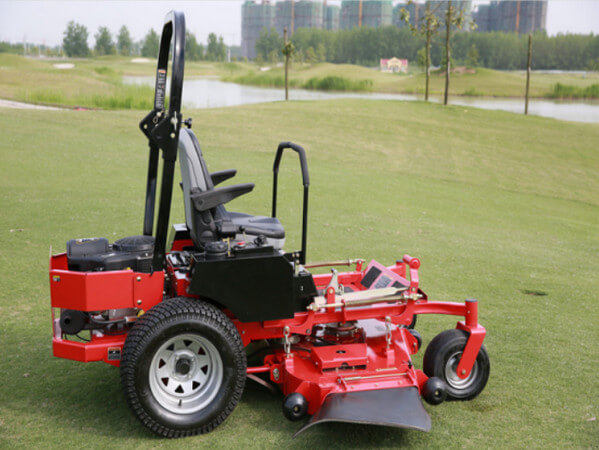
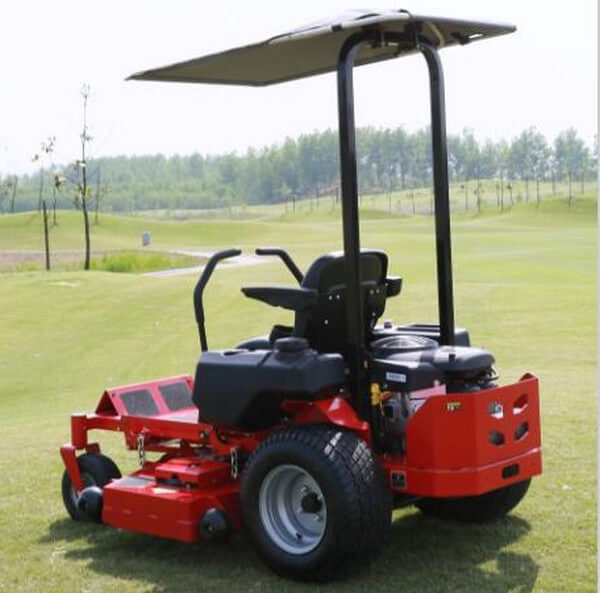
For example, the zero-turn lawnmower offered on our ANON platform features independently rotating wheels. This allows for flexible maneuverability on various terrains. This is particularly useful for mowing lawns on slopes or irregular surfaces. It features ergonomic designs such as a comfortable seat and adjustable joysticks. These features reduce user fatigue during extended use and provide a better mowing experience. It can cover a larger area in a shorter time, thus shortening mowing time.
This is highly attractive to users who want to complete their mowing tasks within a limited time.
High Speed
The zero-turn lawnmower is faster than a typical ride-on lawnmower, significantly reducing work time and allowing you to finish mowing faster, leaving more time for other things.
High Efficiency
Zero-turn lawnmowers are not only fast, but their cutting platform is also wider than that of ordinary lawnmowers, making them ideal for large-area mowing work. This allows you to easily cover large areas of lawn, and the mowing effect is excellent. Zero-turning ensures that no area is missed and that the lawn is not damaged by sharp turns, contributing to better lawn quality.
Zero-turn Lawn Mower Disadvantages
Of course, any mechanical equipment has its advantages and disadvantages. For those considering purchasing a zero-turn lawnmower, the following points should be considered:
Cost
Due to the more complex design and functions of this type of machine, its cost is naturally higher than other types of lawnmowers, such as riding lawn mowers. Daily fuel consumption will be higher than a regular lawnmower. Maintenance costs are also relatively higher, mainly in terms of engine oil and the cost of replacing wear parts such as filters and blades.
Safety
Zero-turn lawnmowers have poor stability on steep slopes and may experience rollover accidents. This is a drawback to their agile turning ability. Therefore, they are more suitable for use on flat or gentle slopes. You can choose based on the condition of your lawn.
Driving Difficulty
Zero-turn lawnmowers use a lever to operate the machine forward, backward, and turn, rather than a steering wheel. For those who have never driven a zero-turn lawnmower before, it takes some time to adapt to its operating method.
Conclusion
To sum up, ANON believes that the advantages and disadvantages of zero-turn lawn mowers are obvious. Whether it’s worth buying depends on the user’s specific needs and circumstances. Before purchasing a zero-turn lawn mower, you should also consider the size of your lawn or difficult terrain. Make sure it matches what you can afford and what your actual needs are. If you have any questions about this model of equipment, you can also consult the professional team on our platform. I believe we will give you a satisfactory solution.
FAQ
What is the average lifespan of a zero-turn lawnmower?
The lifespan of a zero-turn lawnmower is typically 5 to 15 years, or approximately 500 to 3500+ working hours. Key factors include maintenance, frequency of use, and storage conditions.
Are zero-turn lawnmowers better than ride-on lawnmowers?
Zero-turn lawnmowers generally excel in speed, efficiency, and obstacle avoidance, especially on large, flat lawns, often cutting mowing time in half. However, traditional ride-on lawnmowers are better suited for uneven terrain and steep slopes, offer more attachment options, and are typically cheaper.