



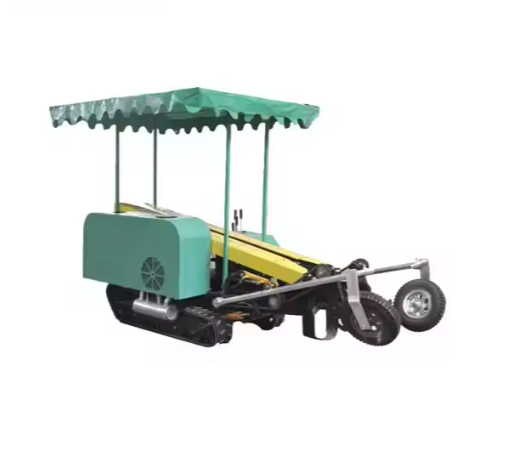
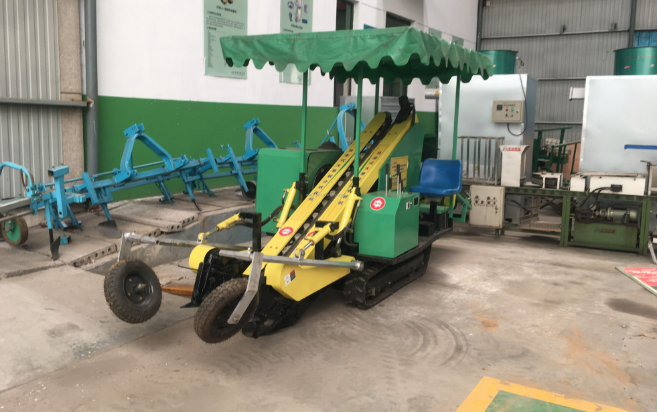
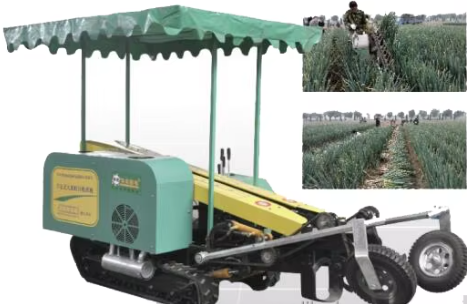
ANON Spring Onion Harvester
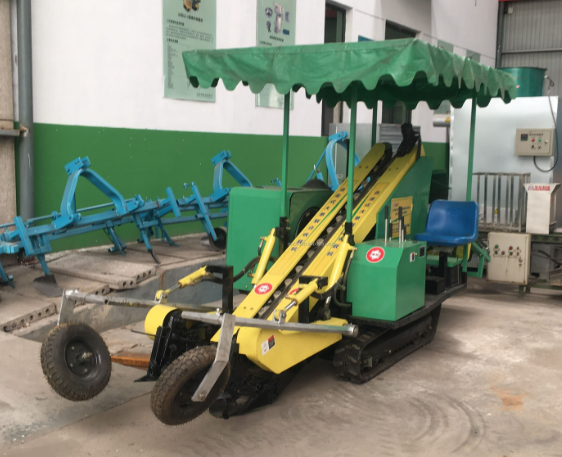
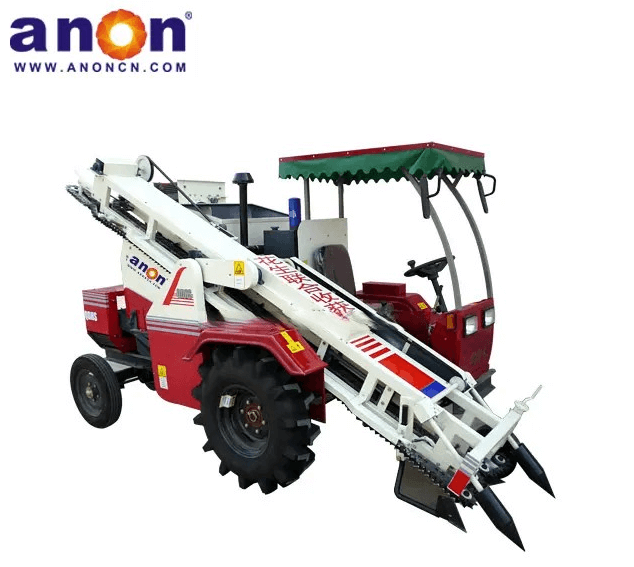
The spring onion harvester is a machine specifically designed for mechanized green onion harvesting. It integrates pulling, demudding, straightening, and conveying functions, significantly improving harvesting efficiency and reducing manual labor.
1. Powerful and adaptable 2.25-horsepower air-cooled twin-cylinder diesel engine.
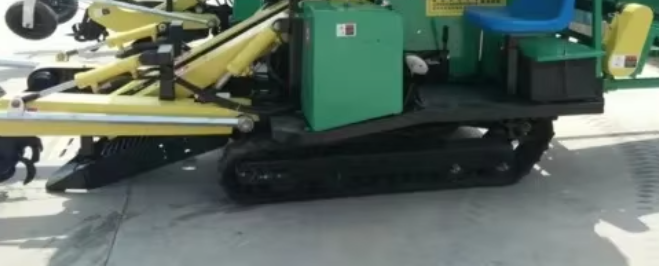
2. Tracked travel provides enhanced grip.
3. High operating efficiency significantly reduces harvesting time.
4. Harvested green onions can be temporarily stacked when they reach a certain weight, reducing labor.





Our Products
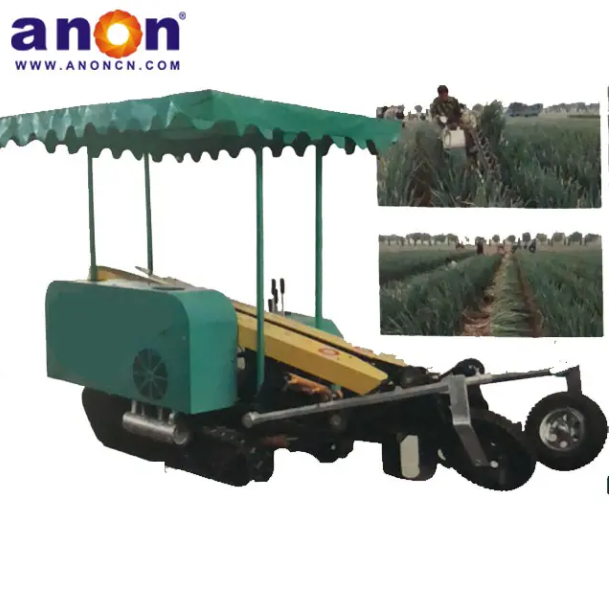
Integrated Operation
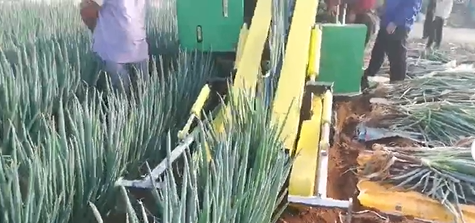
The ANON green onion harvester integrates four core functions: digging, shaking, conveying, and sorting. It precisely excavates green onions from the soil, removes soil from the roots using a vibrating sieve, and achieves a sieving rate of over 85%. The green onions are then neatly laid out on a conveyor belt or directly bagged, eliminating the need for manual bending, achieving a one-stop harvest.
Low Damage Rate
The ANON green onion harvester utilizes a dedicated shovel blade and a flexible gripping conveyor mechanism to minimize squeezing of the green onion bulbs and damage to the skin. The specially designed digging blade precisely cuts through the soil without damaging the roots, ensuring consistent extraction depth and minimal damage to the green onions. This ensures that the harvested green onions remain intact, increasing the marketability by 15%-20%. It also prevents the scallion bulbs from aging due to manual labor, preserving the green onions’ freshness and flavor.
Easy Operation
The green onion harvester is rationally designed and easy to operate. First, the buttons and control knobs are strategically arranged and clearly labeled. With a brief training session, the operator can quickly master the functions of each button and easily perform basic operations such as starting, stopping, and adjusting the speed of the harvester. Secondly, the green onion harvester utilizes either a hydraulic or electronic control system, allowing the operator to easily control parameters such as the harvester’s travel direction, digging depth, and conveying speed using a joystick or steering wheel. The crawler-type travel mechanism offers excellent stability and maneuverability, enabling it to navigate complex field terrain and offering flexible steering.
High Cleanliness
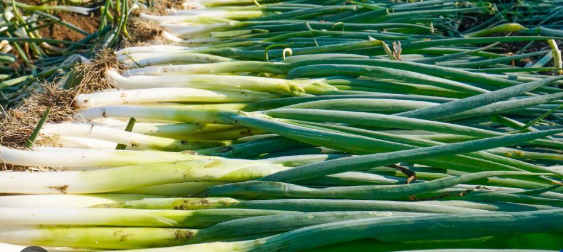
The ANON green onion harvester harvests green onions with minimal soil residue, leaving them neatly harvested, free of weeds and mud, making them easier to sort and pack. The specialized curved blade ensures precise cutting from the root, sparing the onions and preventing mud from entering. The adjustable digging depth ensures the appropriate digging depth, preventing the removal of excess soil. The vibrating conveying and shaking mechanism is used to shake off the excess dirt naturally, and the cleaning scraper is used to assist. In this way, the harvested green onions have less dirt residue and are highly clean.
Related Products
FAQ
Daily maintenance is crucial to extending the life of the machine. After each operation, you should thoroughly clean the machine, especially removing dirt and debris from the cleaning mechanism, conveyor belt, and chain. Keep the machine clean to prevent rust from these debris. Before operation, first check all fasteners for looseness, check the hydraulic oil level, and re-grease all grease points. Regularly inspect wear and tear on wearing parts such as the clamping belt, cleaning brush, and digging shovel, and replace them promptly.
High cleanliness is the result of the coordinated efforts of multiple steps.
First, harvest at the appropriate time; avoid operating immediately after rain. Second, correctly adjust the vibration frequency, the angle of the cleaning brush or rubber fingers, and the pressure according to soil conditions. Stop the machine periodically during operation to remove weeds and dirt entangled in the cleaning mechanism to ensure the cleanliness of the harvested green onions.
When purchasing a green onion planter, you should pay special attention to the following aspects of the machine’s performance.
Damage rate: This refers to the number of broken, bruised, or cracked green onions. The lower the better (excellent models can keep this rate below 3%-4%). Loss rate: This refers to the portion of green onions left in the field without being harvested. The lower the better.
Waste rate: This refers to the proportion of impurities such as soil and weeds in the harvested product, which is directly related to its “cleanliness.”
In addition, operating efficiency (acres/hour) and adaptability (the ability to adjust to different soils and row spacing) are equally important.
Common malfunctions include damaged cutter blades, broken blade bars, slipping header pushers, clogged rollers, and broken chains. Cutter blade damage can be prevented and resolved by avoiding obstacles and correctly installing the cutter; cutter bar breakage can be handled by adjusting the installation position of the cutter and cutter drive mechanism; header pusher slippage can be resolved by adjusting the gap between the spiral blade and the header base plate; roller blockage can be eliminated by increasing the gap between the roller and the concave plate, reducing the forward speed of the locomotive, etc.; chain breakage can be prevented and resolved by keeping the sprockets in the same rotation plane, checking the chain wear, and correctly adjusting the chain tightness, etc.
It is mainly controlled and adjusted in two ways.
(1) Depth-limiting wheel: This is the most common method. The digging depth is fixed by adjusting the height of the wheel relative to the digging shovel.
(2) Hydraulic system: On more advanced models, the driver can adjust the digging depth in real time and steplessly through the hydraulic handle directly in the cab, which is more accurate and convenient.
Usually, at least two people are required: a main driver who is responsible for operating the machine. An assistant is responsible for transferring, boxing, or observing the quality of the harvested green onions on the collection platform or at the laying outlet, and communicating with the driver in a timely manner. Some highly automated models with large collection boxes can theoretically be operated by one person, but it is still safer and more efficient to have an assistant.
Safety always comes first. So please read the manual carefully before operating. After the machine is completely shut down, use tools (never your hands) to clear any obstructions in the excavator shovel or conveyor mechanism.
During operation, pay attention to your surroundings and avoid standing in front of or behind the machine to avoid danger. When moving the machine by road, always ensure the machine is in transport mode and display warning signs.