



Paddy Drum Seeder
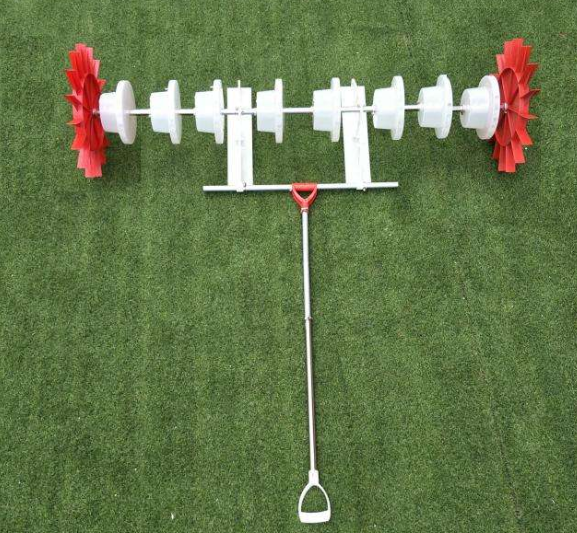
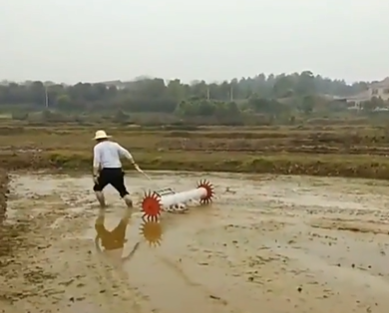
The paddy drum seeder is an agricultural machine that sows rice seeds directly into prepared fields, skipping the seedling raising and transplanting stages. Its core working principle relies on a seeding roller with uniform holes to operate. When working, people drag the machine forward, the drum rotates, and the holes scoop a certain amount of seeds from the seed box. The excess seeds are scraped off by a fixed seed scraper to ensure that each hole carries the same number of seeds. When the hole is rotated to a specific position, the seeds fall into the seed delivery tube by gravity or auxiliary devices, and are eventually evenly sown into the field.
1. It can greatly help reducing yout larbor cots and improve working efficiency. One hectare can be sown in one day.
2. The sowing and plant density are uniform.
3. The crop matures 7-10 days earlier than transplanted rice.
4. It is light and easy to carry.
15. It is suitable for either dry direct seeding or wet direct seeding of rice and is an important piece of equipment for simplifying, saving labor, and increasing efficiency in rice planting.





Our Products
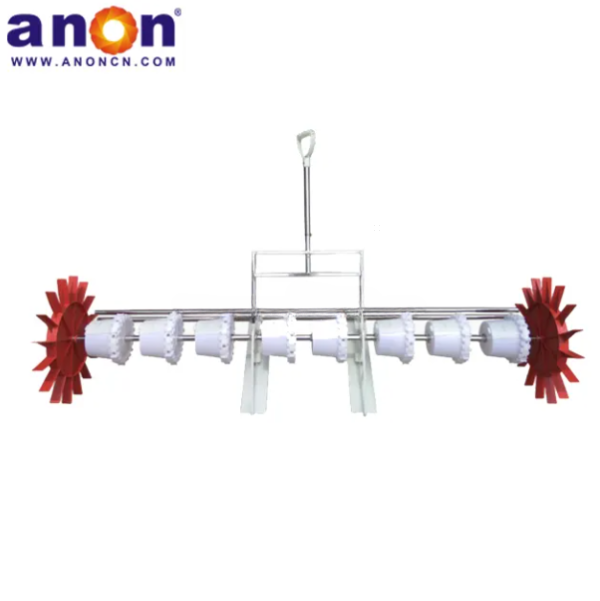
Lightweight and Simple
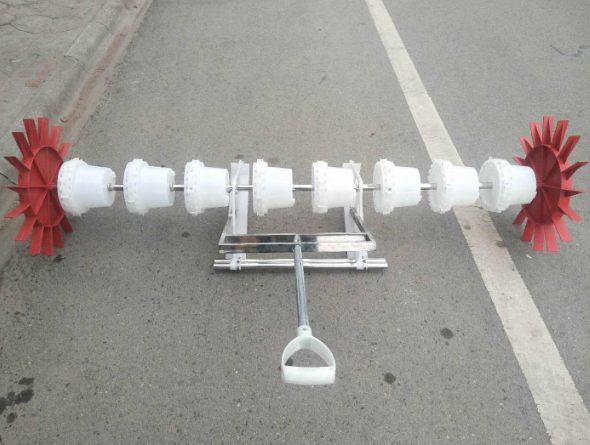
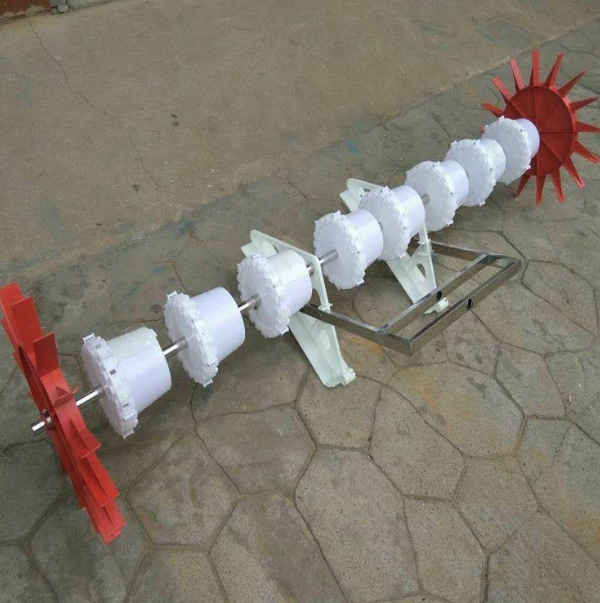
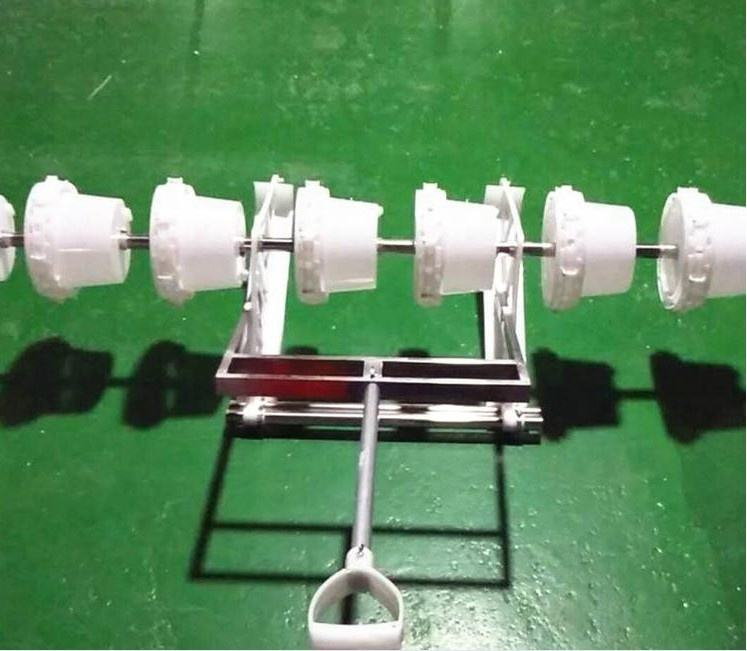
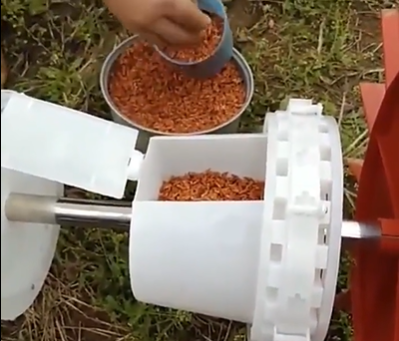
The ANON paddy drum seeder has a simple structure, primarily consisting of a seed box, ground wheels, and a traction bar. This means it has a very low failure rate, simple maintenance, and an affordable price. Its compact size, small size, and light weight allow it to be operated by a single person pushing or dragging it. The pull force is cleverly converted through the ground wheels into rotational power for the seed drum, requiring no external oil or electricity. Simply hold the handles and drag at a steady speed to sew, making it easy to operate.
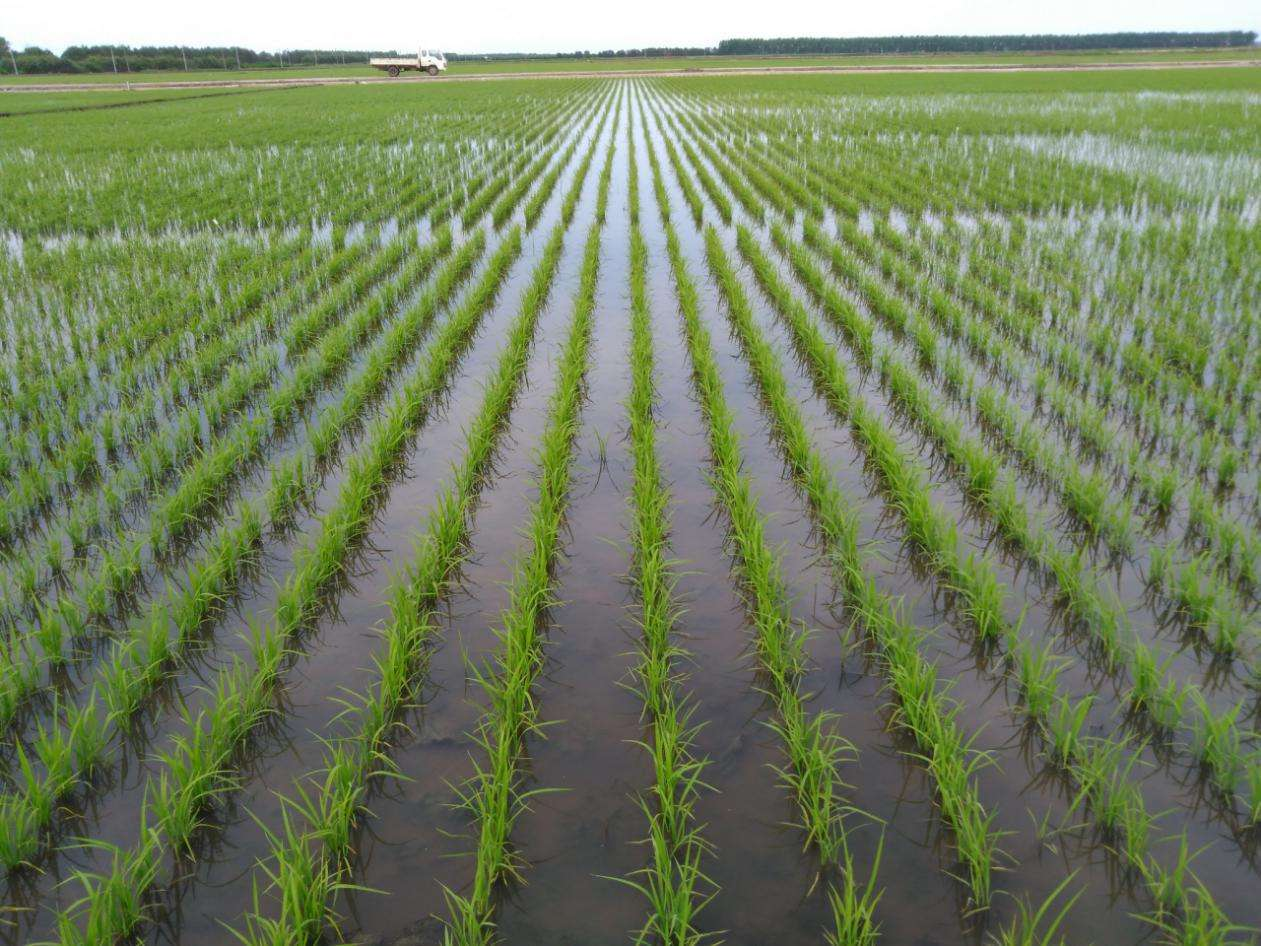
Even sowing
Sowing with a drum seeder ensures even sowing, eliminating the uneven seeding associated with traditional manual sowing. This creates a better growth environment for rice seedlings, resulting in more even emergence, effectively reducing the risk of disease and lodging, and laying a solid foundation for increased yields. Furthermore, the seed meter holes can be adjusted to suit seed diameter and sowing requirements, allowing for precise control of seeding rates and minimizing seed waste. A fixed number of seeds per hole eliminates the waste of blindly increasing seeding rates during manual sowing for fear of uneven emergence. This saves 1-2 catties of seed per mu, reducing planting costs.
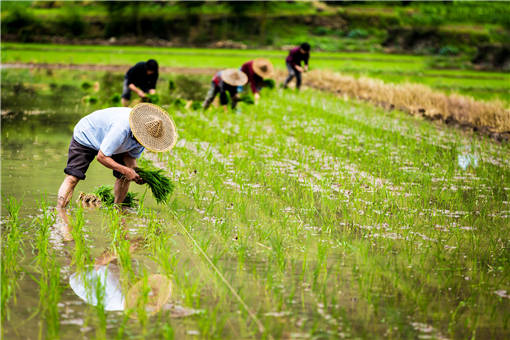
Reduced Planting Steps
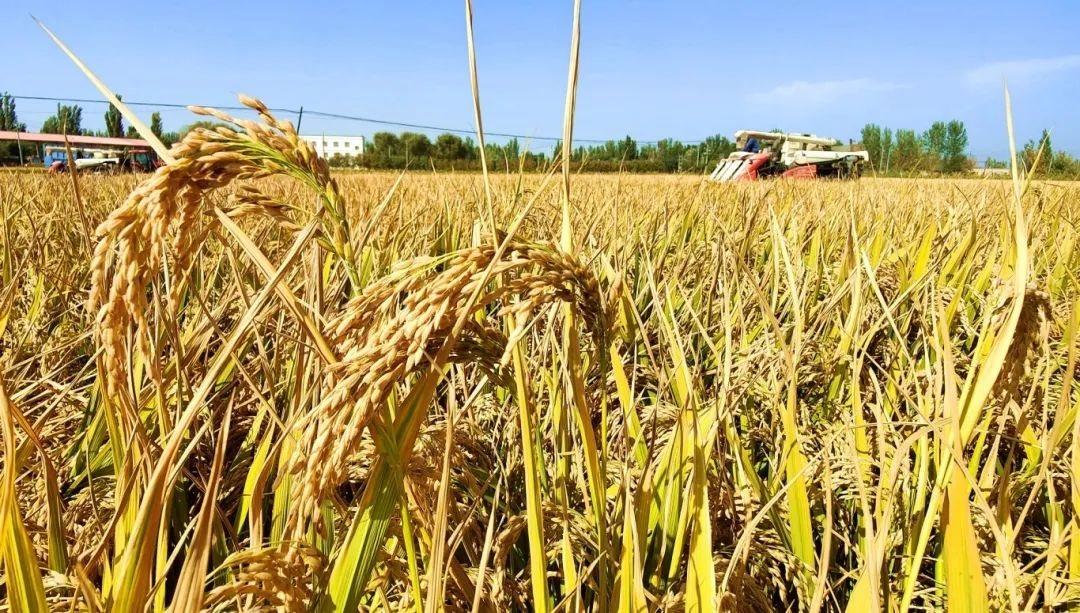
The ANON rice drum seeder uses direct seeding, eliminating the steps of raising, transporting, and transplanting rice seedlings. This simplifies the planting process and saves time and labor. Furthermore, according to user feedback, direct seeding of rice seeds using this seeder can achieve maturity 7-10 days earlier than transplanting rice seedlings, improving land utilization and the economic benefits of crops. This not only reduces labor intensity and time, but also promotes earlier rice maturity.
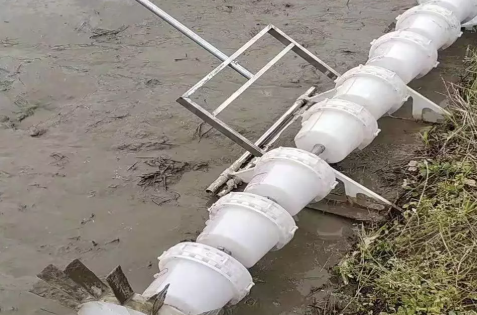
High Adaptability
The ANON rice drum seeder has a pure mechanical structure and can work stably even in environments with deep mud feet and high humidity in paddy fields. Regardless of the field conditions, the performance of heavy and muddy water fields in the south is still reliable. It also has relatively relaxed requirements for the state of seeds, whether it is dry grains, wet seeds soaked for germination, or coated seeds, mechanical scooping can adapt well, and the flowability requirements for seeds are relatively low. With the ANON drum type rice seeder, you can flexibly process seeds according to your local agricultural habits.
Highly Cost-Effective
The ANON rice drum seeder doesn’t rely on mechanical power like a tractor; it’s completely manual, requiring no fuel or electricity. Its purchase price is relatively low, and its simple structure and ongoing maintenance costs are also relatively low. Its high seeding efficiency reduces the labor of bending over to sow seeds, resulting in more uniform and faster seeding than manual sowing. Its short payback period and virtually no operating costs make this machine a very cost-effective option for those on a tight budget.
Related Products
FAQ
The paddy drum seeder is used to sow germinated rice seeds directly into wetland fields. No transplanting is required. It is a manually pulled seeder. It can sow 8 rows at a time with a row spacing of 20 cm.
After completing the homework, it is necessary to clean up in a timely manner: use a brush or high-pressure air gun to clean the remaining seeds, soil, and weeds on the surface of the drum, seed discharge port, and soil covering device to avoid scaling and mold growth; Check if the drum holes are blocked. If there are coating residues or soil, gently unclog with a fine wire and do not forcefully tap the drum. The suction model needs to clean the negative pressure pump filter element to discharge the accumulated water and oil in the air storage tank. Finally, move the machine to a dry and ventilated place for storage, avoiding rain and moisture. Metal parts can be coated with a small amount of anti-rust oil to prevent rusting.
It is important that the seeds remain on the soil surface. Seeds buried more than one centimeter into the soil will have reduced viability or fail to germinate due to insufficient oxygen. Rice seeds require an adequate supply of oxygen to germinate.
Instructions: Adjust the row spacing: Set the desired row spacing based on your planting requirements (usually approximately 20 cm to 25 cm). Load the seeds into the drum: Open the seeding drum and load the prepared rice seeds. Be sure not to overfill, as this will affect seed distribution.
The normal service life of a high-quality drum seeder (made of aluminum alloy or reinforced polypropylene material) is 3-5 years, and if maintained properly, it can be extended to 6-8 years.
The key to extending lifespan:
(1). Avoid contact with sharp objects to prevent scratches on the surface of the drum or deformation of the aperture.
(2). Do not sow seeds containing impurities such as stones and metal shavings to prevent drum wear.
(3). Before long-term storage, thoroughly clean the surface of the drum, apply a special protective agent, and store it separately in a dry place to avoid heavy pressure.
(4). When the drum hole is found to be worn, deformed, or the sealing strip is aging, the parts should be replaced in a timely manner to avoid affecting the seeding accuracy.