



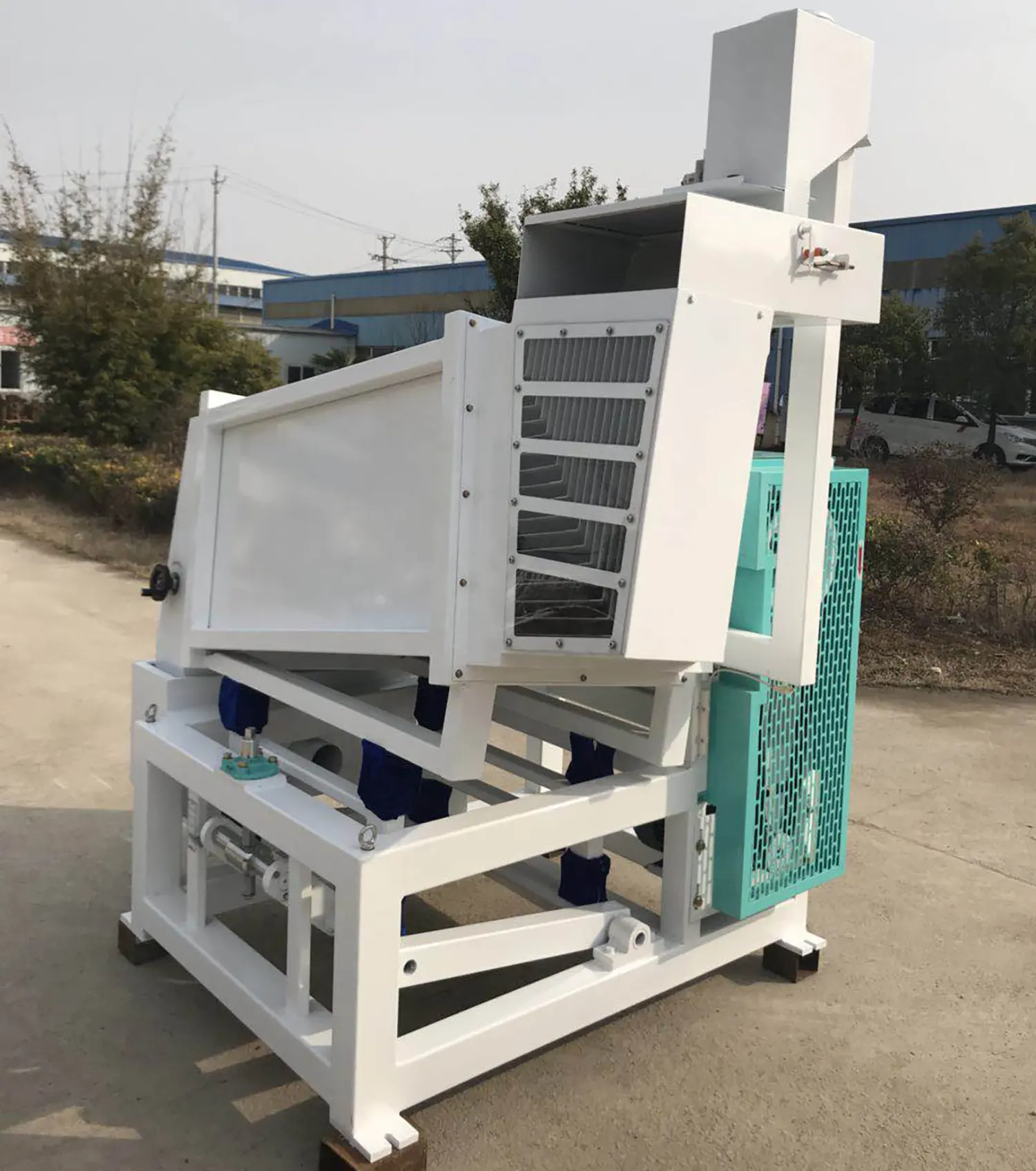
Single Body Paddy Separator
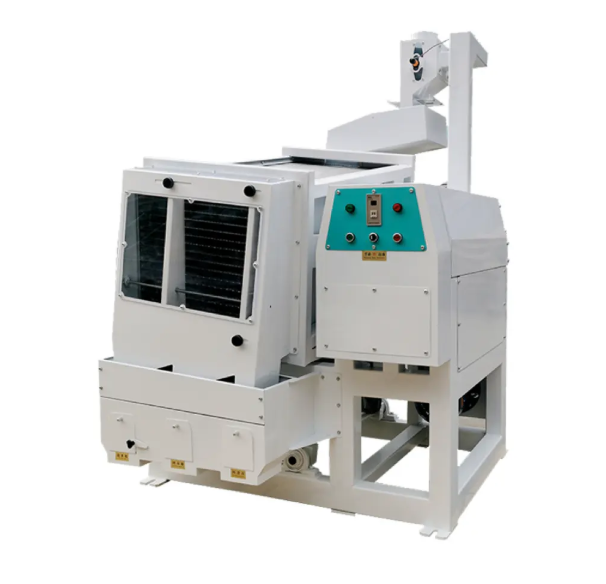
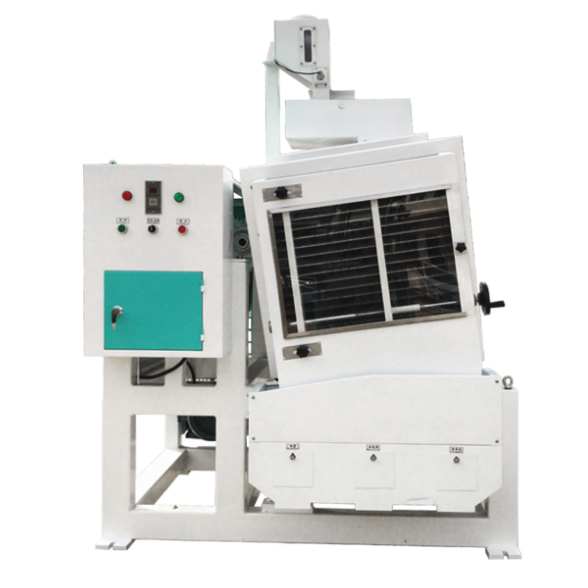
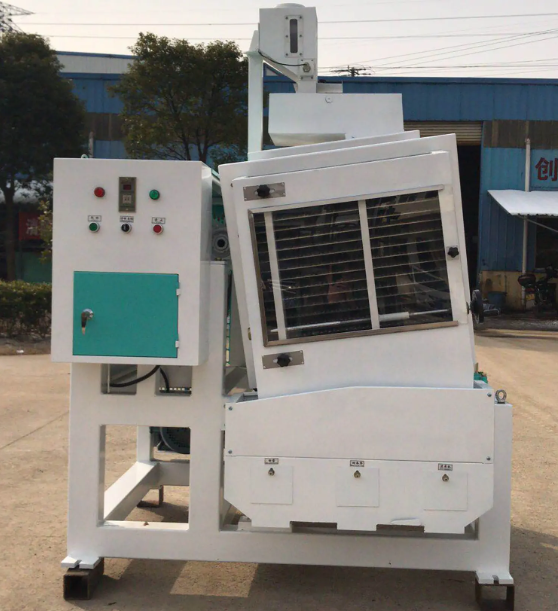
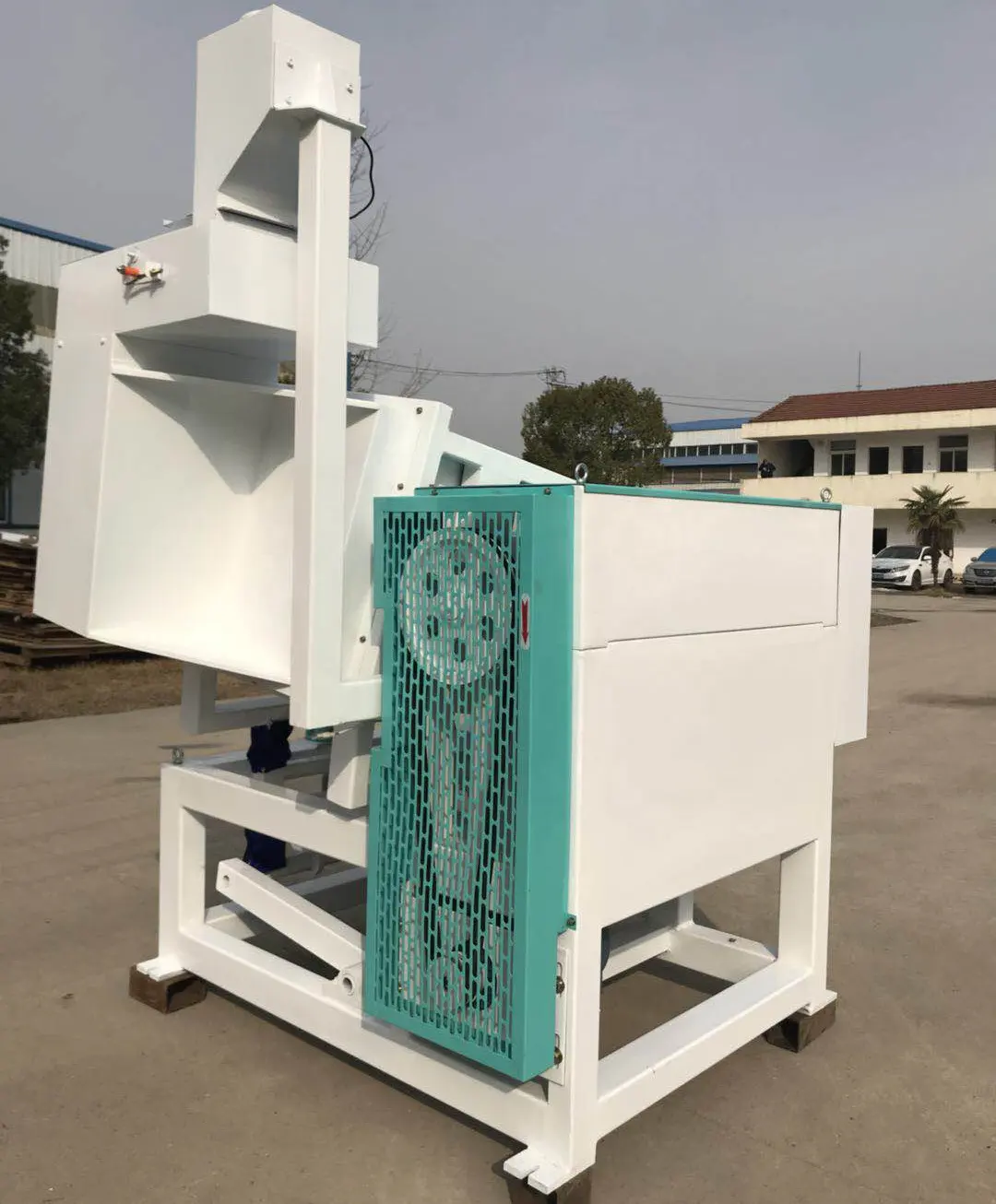
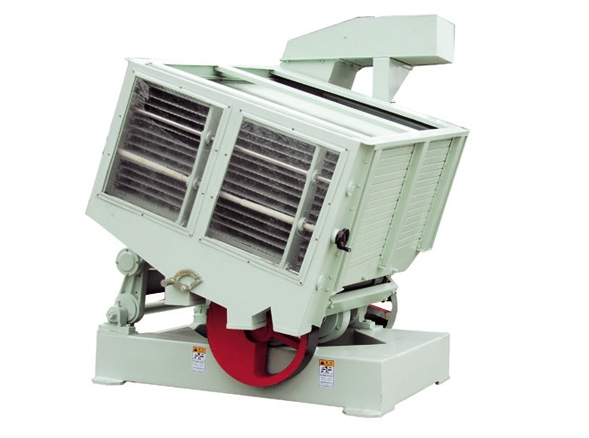
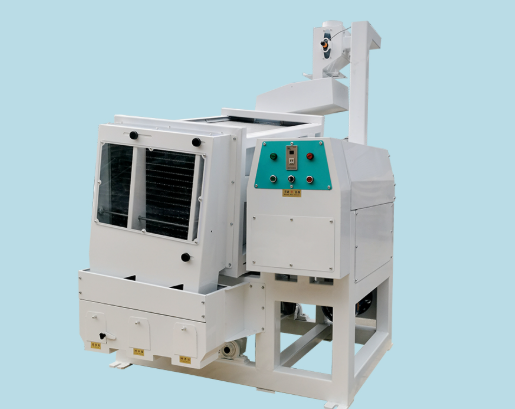
The ANON single body paddy separator is a key piece of equipment used in rice processing to separate dehulled rice from the paddy-husk mixture. It can effectively separate the unhulled paddy, allowing it to be sent back to the hulling machine for further processing. The remaining paddy-husk mixture is then recirculated through the separator for repeated separation, ensuring higher efficiency and improved yield.
- The material is automatically graded as it moves across the screen surface.
- The bi-directional inclined separating plates improve material flow efficiency and reduce the risk of clogging.
- The stainless steel screen has a smooth, dust-resistant surface and is highly wear-resistant.
- The machine automatically stops when the hopper is empty and resumes operation once new material is fed.








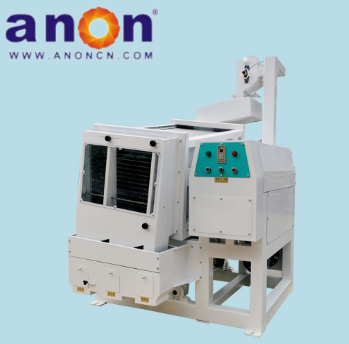
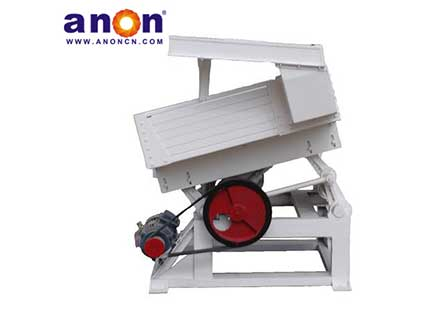
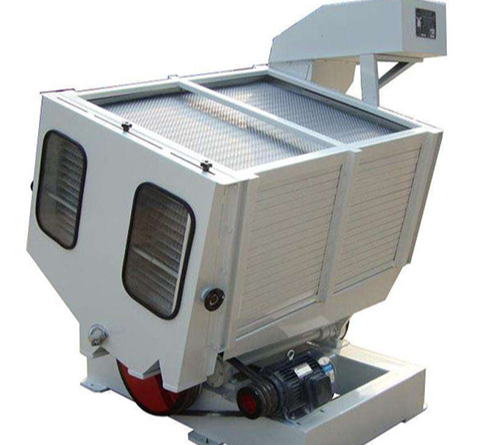
Excellent Separation
ANON single body paddy separator is valued for its clean separation. By leveraging differences in weight, grain size, and friction coefficient between paddy and brown rice, precise separation is achieved through screen vibration. This automated separation method offers high efficiency and reduces the need for manual intervention for you. The brown rice can be separated from the paddy and brown rice mixture thoroughly and go to the rice whitener machine for rice whitening. It also separates the paddy and sends it back to the rice huller for the second hulling. And the remaining mixture will not be give up either, they will have the second paddy separation process until all the brown rice and paddy are separated.
High Processing Capacity
The ANON single paddy separator has a bigger effective screen area and has a high processing capacity per unit time. Depending on the model, the processing capacity of a single unit can be 1-4 tons of grain per hour. It is suitable for small and medium-sized rice mills or single units of large processing lines and can be flexibly configured according to capacity requirements. And it can work continuously and automatically in the rice mill production line. Totally contains the processing capacity of the rice husker and makes your rice mill plant work in high-efficiency standards. Once start to work, no need for frequent adjustments, saving you time and increasing your working efficiency.
Strong Adaptability
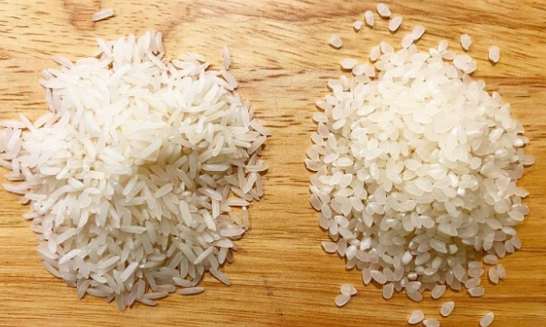
Our single body paddy separator can be adapted to different paddy types and moisture Levels. As we all know, rice from different places and regions will have their own features in shape and moisture. For example, indica rice has long and slender grains, while japonica rice has short and round grains. Don’t worry, ANON has taken this into full consideration. Through adjusting the tilt angle, vibration frequency, and amplitude, and screen replacement, our single body paddy separator machine can be adjusted to accommodate your various rice types, such as indica rice, japonica rice, hybrid varieties, and the main moisture content of grain, ensuring stable separation results for different raw materials.
High-quality Rice
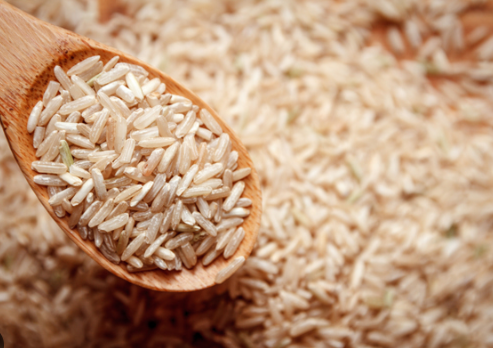
The rice milling process has strict limits on the paddy content of the brown rice. If there are paddy in the brown rice, it will not only accelerate the wear and tear on the milling machine and increase broken rice, but also affect the appearance and quality of the finished rice. Anon single body paddy separator can precisely separate the brown rice from the paddy brown rice mixture and feed high purity brown rice into the milling machine, resulting in rice grains with smooth surface, few cracks, and uniform color, improving the appearance, thus improving the prices. If you have a large-scale rice milling factory, this one translation can be a considerable increase in revenue.
Stable and Reliable
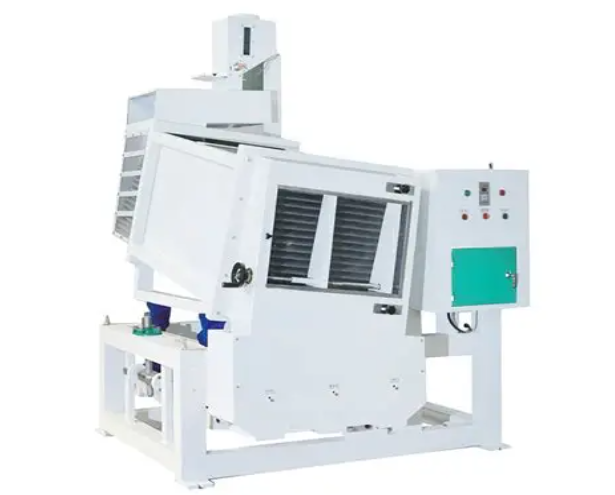
The screen of the ANON single body paddy separator is welded with high-quality steel, which has good rigidity and is well vibration-resistant. It will not deform during the long-term vibration and the reciprocating movements. The crankshaft and connecting rod of the drive mechanism are made of high-strength alloy materials, which is wear-resistant and fatigue-resistant, ensuring stable and reliable production for you. The daily maintenance is very easy. Just to clean the inside of the machine, lubricate bearings, or replace the screens.
Environmental Friendly
ANON single body paddy separator adopts a closed or semi-closed structure design that can avoid dust leakage. This can highly improve your working environment and prevent duct pollution and explosions. The observation window and access panel is arranged reasonably, which is convenient for you to observe the material’s situation and make some cleaning and maintenance.
Applications



Related Products
FAQ
When the rice-grain mixture falls onto the separator with a serrated surface and vibrates at an appropriate frequency, the rice settles below the rice layer. If the inclination of the separator plate surface exceeds the friction angle between rice and rice, the rice moves down along the separator plate surface above the rice layer.
Most models support one-button start, and equipment equipped with an intelligent control system can automatically monitor the separation effect and adjust parameters without the need for dedicated personnel. Newbies can master basic operations after 2-3 hours of training, and some models support a remote monitoring function (optional).
If the feed volume is too large or the grain moisture is too high, the screen may be clogged. It is recommended to stop the machine first to clean the impurities on the screen surface and adjust the feed speed to the rated range.
Single-body paddy separators have a single-unit structure. They are small in size and footprint, and are suitable for small to medium-sized rice mills, with a processing capacity of 1-4 tons/hour. Double body paddy separators consist of two parallel units, offering a larger processing capacity of 5-10 tons/hour, but are larger and more expensive. Single-body paddy separators have relatively lower processing efficiency and are not suitable for larger rice mills; double-body paddy separators are more widely used in large-scale rice mills. Single-body paddy separators have lower investment costs and flexible installation, making them suitable for small to medium-sized operations;double-body paddy separators have a large processing capacity and significant economies of scale, making them suitable for large processing plants with a daily output of 150 tons or more.