





Ear Corn Harvester
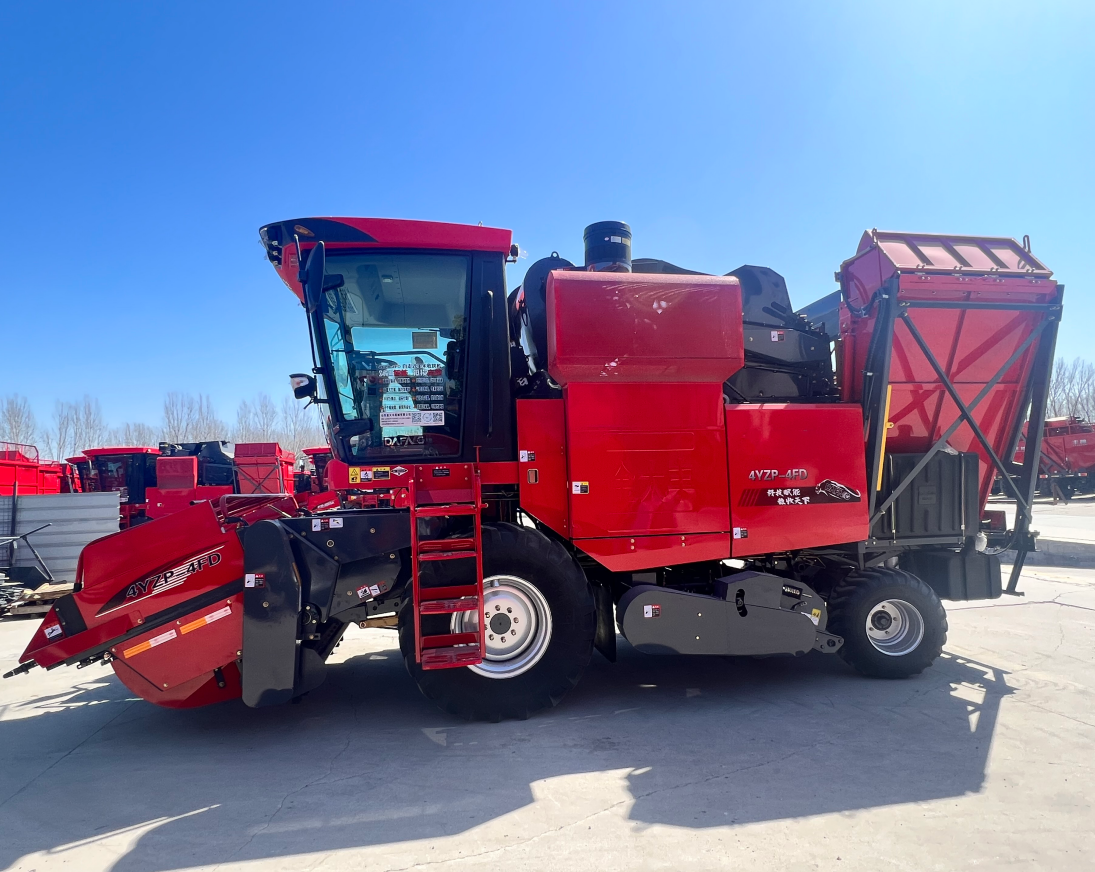
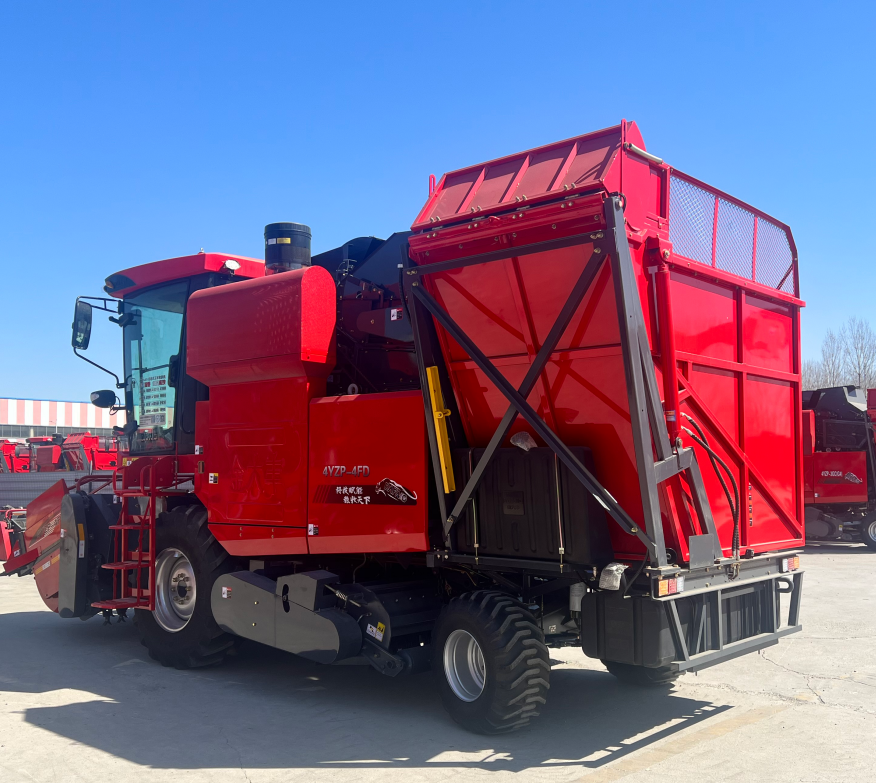
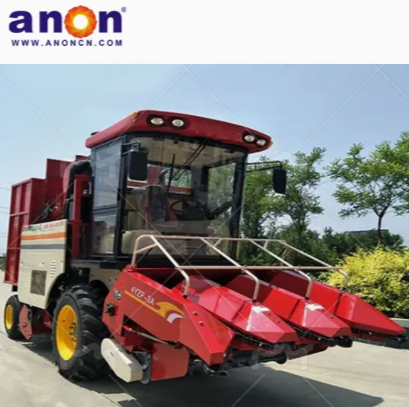
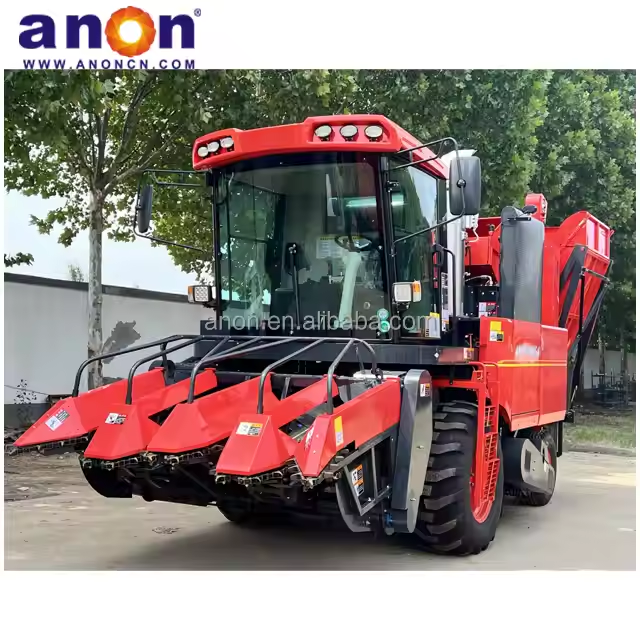
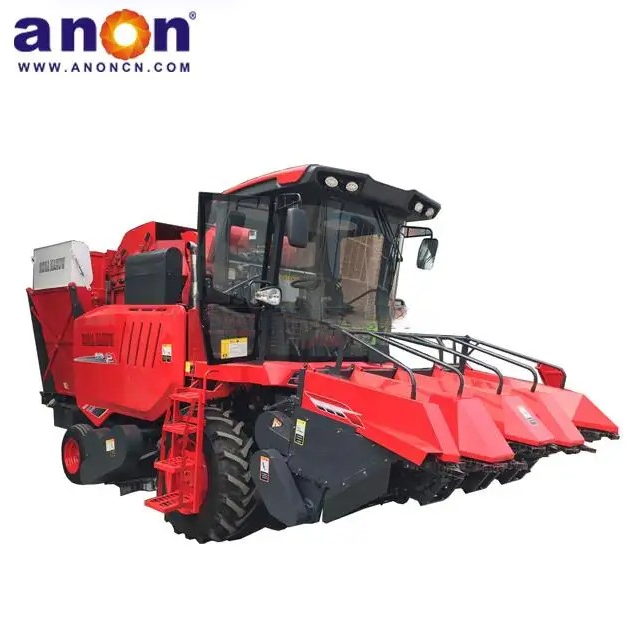
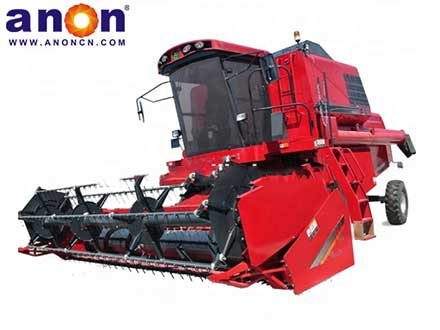
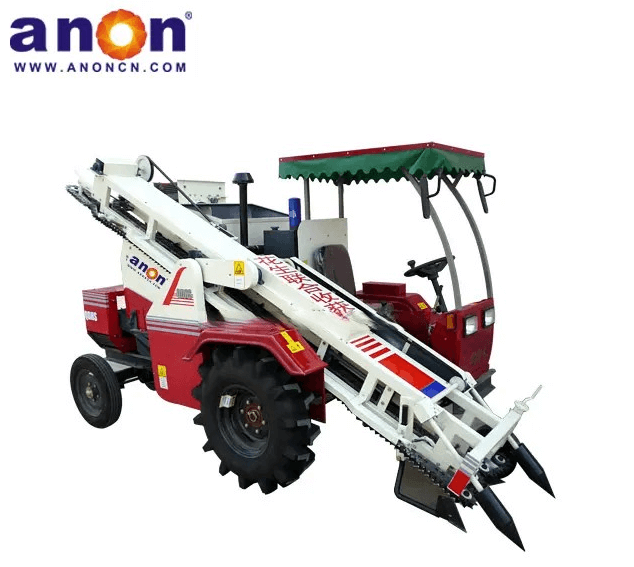
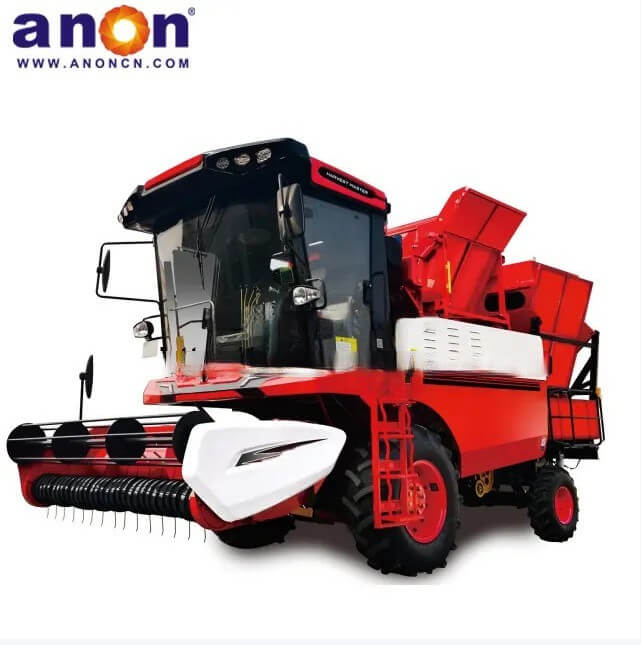
The ANON ear corn harvester, also known as a peeling corn harvester, can complete the whole process of harvesting, gently peeling, cleaning, collecting corn cobs, and chopping up the stalks in one integrated unit.
1. It uses a special roller made of rubber and cast iron to peel the corn really well (up to 95%!).
2. You can change how far apart the rollers are, either with hydraulics or by hand, so it works with different-sized corn.
3. A chain with teeth moves the corn into the peeler without jams.
4. There’s a screen at the bottom that catches any kernels that fall off while peeling and puts them in the grain tank, so you don’t lose any corn.
5. It even has a straw chopper or baler attached to take care of the leftover stalks.





Our Products
Cutting and Shelling Integrated
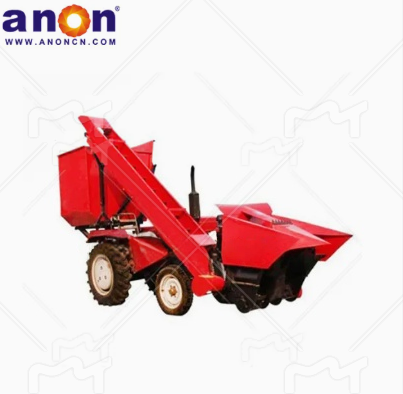
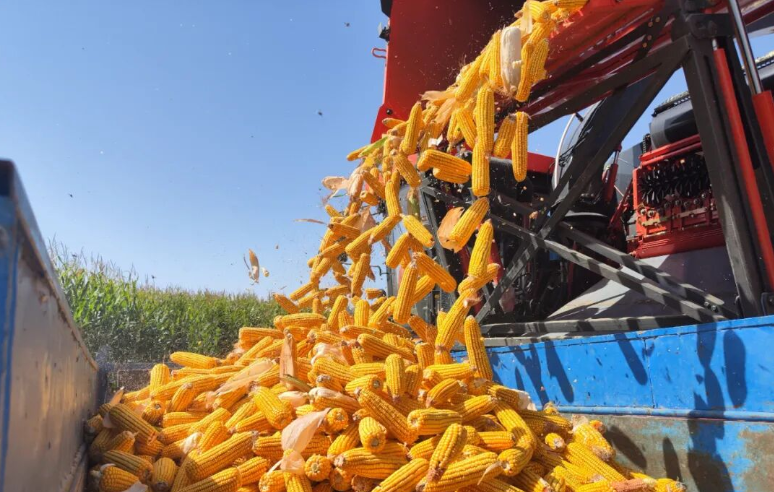
The ANON corn cob harvester handles everything from picking to collecting corn. Once the header cuts the stalk, the ear-picking roller grabs the cob and sends it to the hulling system to remove the husks. It’s all automated, so there is no need for manual handling or secondary operations. After hulling, the system cleans the cobs and drops them into the collection box. Alternatively, they can be directly conveyed to trailers via a conveyor. The entire process from harvesting to collection is uninterrupted. This significantly reduces the tedious and costly process of manual or subsequent machine hulling, lowering labor and time costs and improving harvesting efficiency.
High-efficiency Hulling
The ANON corn cob harvester employs a hulling mechanism combining multiple sets of flexible rubber rollers and cast iron rollers. These rollers work together to efficiently remove the husks through crushing and tearing action, which results in a high hulling rate and minimal husk residue on the corn cobs. You can change the hulling roller’s speed and spacing based on the corn type and moisture contents, making sure the hull rate is over 95%.
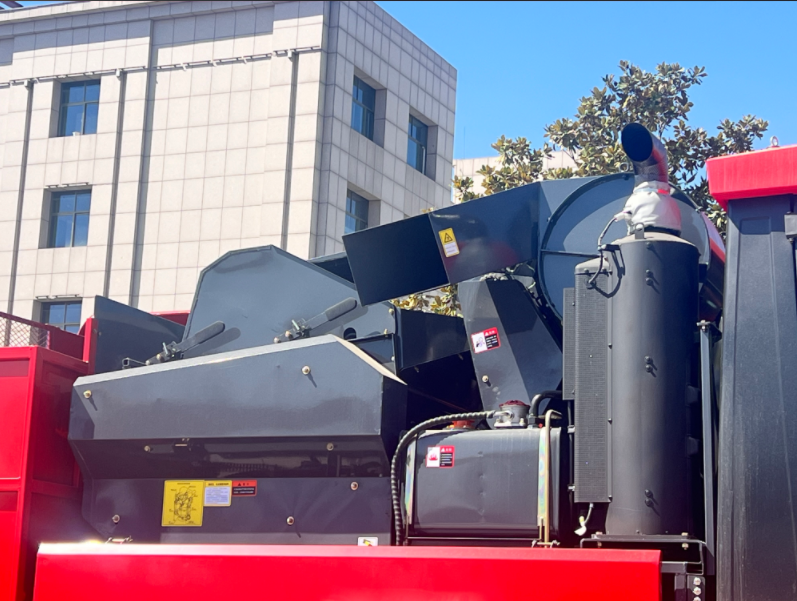
The ANON ear corn harvester comes with a straw crushing feature. It chops corn stalks into pieces and spreads them evenly back into the field. This helps improve the soil and cut down on fertilizer. Plus, it saves money on straw cleanup later. If you like, the chopped straw can go straight into a transport vehicle. We even offer a straw-baling option. This collected straw can be used to feed animals. It’s perfect for farmers who do both crops and livestock—one machine gets you both grain and feed. You can also sell the straw as fuel to earn extra money.
You can change the roller speed and space them out based on the corn type and how wet it is, so you get over 95% hulling.
Low-Damage Design
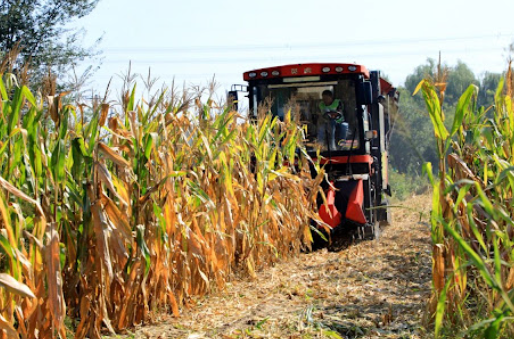
The ANON corn cob harvester’s picking roller has a special curved design that grabs the corn cobs, separating them from the stalk. This stops the corn cobs from breaking. The peeler has a part that presses the corn cob gently, getting rid of all the husk without squishing the kernels. Inside the collection box, we’ve added rubber pads to soften the fall, so you get clean, undamaged corn with very little husk left on it.

Adaptable to High Moisture Harvesting
The ANON ear corn harvester has more relaxed requirements on corn maturity and can harvest at high moisture levels. It can operate normally even when the corn kernels have a high moisture content, unlike corn combine harvesters, which have strict requirements on corn maturity and need really dry corn before they can start. The corn ear harvester has an irreplaceable advantage in areas with low temperatures and slow dehydration in autumn. The ear corn harvester has an irreplaceable advantage in areas with low temperatures and slow dehydration in autumn.
Strong Terrain Adaptability
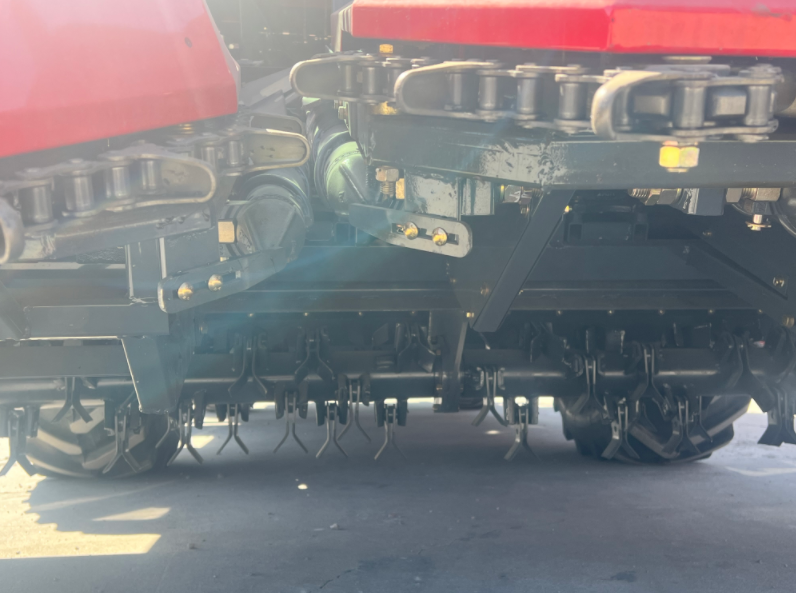
ANON ear corn harvesters are designed to be compact and easy to turn. Compared to corn combine harvesters, which are large machines unable to operate in smaller plots, our ear corn harvesters come in a variety of models, including large self-propelled models, as well as smaller and tractor-trailer models, flexibly adapting to various harvesting needs. Whether it’s small, scattered plots, large plains, or hilly terraces, they can easily turn and maneuver.

Straw Utilization
The ANON ear corn harvester comes with a straw crushing feature. It chops corn stalks into pieces and spreads them evenly back into the field. This helps improve the soil and cut down on fertilizer. Plus, it saves money on straw cleanup later. If you like, the chopped straw can go straight into a transport vehicle. We even offer a straw-baling option. This collected straw can be used to feed animals. It’s perfect for farmers who do both crops and livestock—one machine gets you both grain and feed. You can also sell the straw as fuel to earn extra money.
Related Products
FAQ
Peeling roller blockage: First, immediately stop the machine and turn off the engine. After ensuring safety, remove the blockage. Check for issues such as excessive feed rate, high corn moisture content, or improper peeling roller clearance.
The peeling rate is too low, and the bracts are not peeled clean: Inspect the wear of the peeling rollers. Replace them if the wear is severe. Adjust the gap between the peeling rollers and the gap between the peeling rollers and the star wheel feeder. Check and ensure the pressing spring of the peeling rollers has appropriate pressure.
Transmission noise:
Check whether the back nuts of the shift linkage and the connecting ball joint of the transmission are loose. If loose, retighten them while the transmission is in neutral. Inspect the transmission oil level and quality to ensure they are normal.
Estimated profits from an acre of corn vary widely, depending on factors such as yield, price, and production costs, but are generally between $100 and $350 per acre. Profits are calculated by subtracting total production costs (including land rent) from the revenue generated by the corn crop.
After each use of your ear corn harvester, give the peeling device a good once-over. Clear out any stuck leaves right away. See how worn the peeling roller is and if any blades are damaged. Make sure the picking parts are moving freely. This helps dodge issues later on. Keep the conveyor chain lubed and check its tightness. Swap out the engine oil and make sure there are no leaks in the lines. When you’re putting the machine away for a while, give it a solid cleaning, protect it from rust, cut the power, and then store it.
To achieve the best peeling results, you can adjust the gap between the peeling rollers to 3-5 cm according to the diameter of the corn cob (too wide will result in incomplete peeling, while too narrow will easily damage the ear). The peeling roller speed should be controlled at 350-450 rpm (adjust to 450-500 rpm if the corn has a high moisture content, and reduce to 300-350 rpm if the moisture content is low). At the same time, raise the last scraper shaft of the pressure conveyor by 10-15 mm to enhance the smoothness of the ear feeding into the peeling machine and reduce dropping.
When dealing with lodged corn, if the lodging direction is parallel to the planting row, you can harvest in the opposite direction of the lodging, and the machine can also straighten some of the lodged plants when it returns empty. If the lodging directions are inconsistent, you need to use a back-and-forth harvesting method, while lowering the header height by 5-10cm and slowing the forward speed to 1.5-2.5km/h. If the lodging is severe (>45°), it is recommended to manually straighten the plants in advance or abandon some areas to avoid excessive damage to the machine. In addition, when harvesting lodged corn, the gap between the ear-picking rollers should be appropriately increased to 18-22mm to prevent the stalks from blocking the corn.