



ANON Cotton Harvester
ANON cotton harvesters are designed for efficient mechanical cotton harvesting. We offer different cotton harvester machines for different farm sizes and field conditions. On this page, you can explore our cotton harvester models and learn how cotton harvesting machines work. You can also compare different types of cotton harvesters, understand their main benefits, and learn how to choose the right machine for your farm.
View ANON Cotton Harvester Models
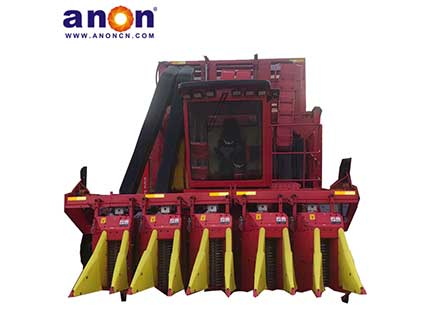
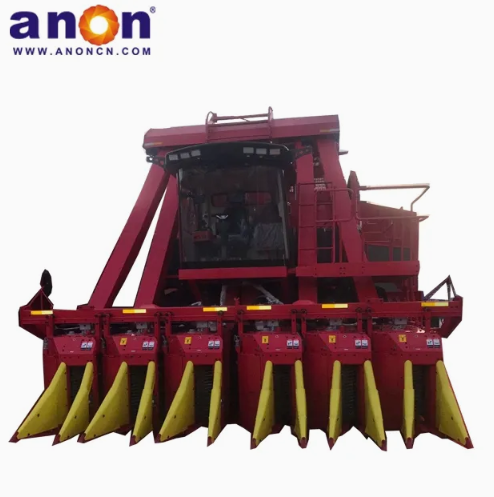
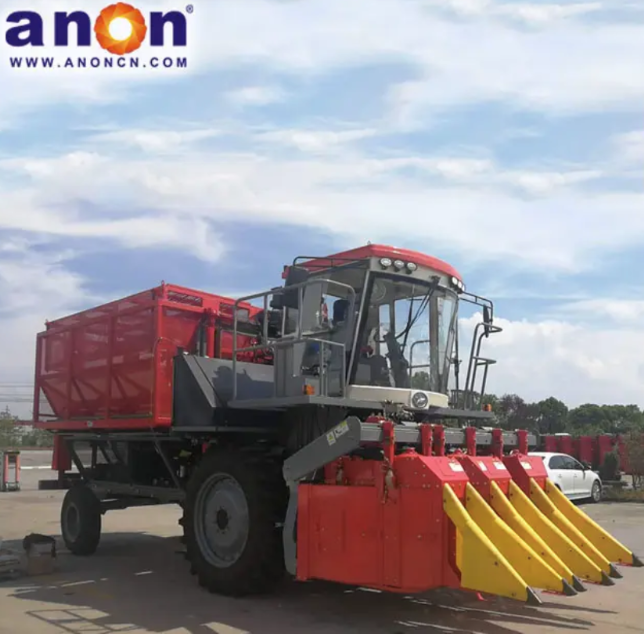




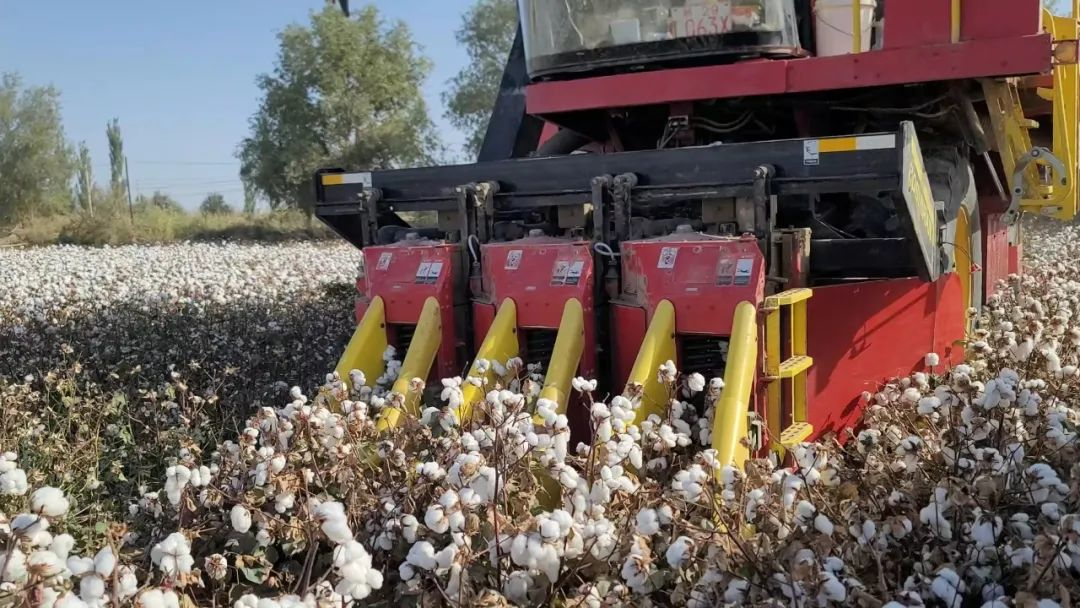
what is cotton harvester?
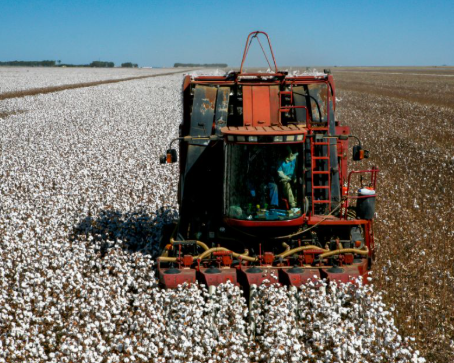
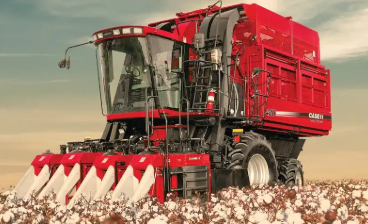
The cotton harvester, also known as the cotton picker, is a specialized harvesting machine designed to pick and collect mature cotton from the field directly. A cotton harvester greatly improves the efficiency of cotton collection and helps you pick cotton quickly. During operation, it pulls the cotton from the bolls, collects it, and packs it—completing large-scale harvesting in one go. A cotton harvester not only boosts harvesting efficiency but also reduces labor costs, helping you increase your overall economic returns.
Types of Cotton Harvesters - Picking Mechanism
Types of Cotton Harvesters - Cotton Collection System
How Does a Cotton Harvester Work?
Main Components
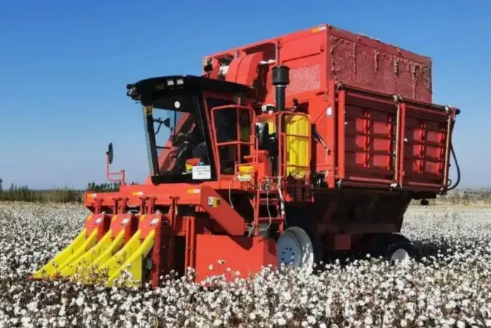
The main components of the horizontal spindle cotton harvesters include the cotton picking head, chassis, engine, electrical system, hydraulic system, cabin, control system, pneumatic cotton transport system, and cotton box.
The most important parts are the cotton-picking head and the pneumatic cotton transport system.
Cotton Picking Head:
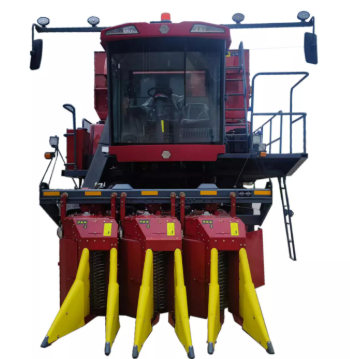
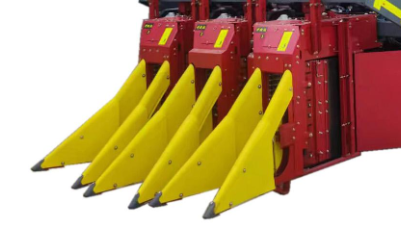
Divider: It gathers the cotton plants into the drum and can also lift fallen cotton plants.
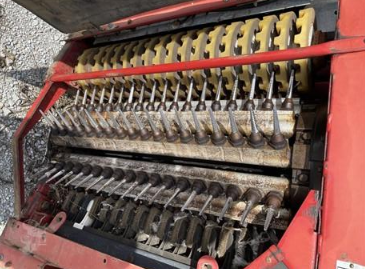
Cotton-picking drum: The drum is the key component of a level spindle-type cotton picking machine. Many grooved conical spindles are installed vertically on the cotton-picking drum. These spindles are called “picking spindles.”
Cotton separation disk assembly: This is made up of several separation disks, each with grooves that help remove the cotton from the picking spindles.
Pneumatic Cotton Conveying System:
Fan: The fan creates airflow, which helps transport the cotton to the cotton box.
Hydraulic clutch: It controls the fan’s drive, ensuring it works steadily and reliably.
Step-by-Step Operation
Step1
First, as you slowly drive the cotton-picking machine into the field of mature cotton, align the row divider with each row of cotton. The row divider at the front of the machine accurately gathers the cotton into the drum, preventing waste and helping to increase cotton yield.
Step2
When the cotton enters the cotton-picking drum, as I mentioned before, the conical picking spindles on the drum pull the cotton out of its bolls. These spindles rotate as the drum turns, effectively inserting into the cotton and pulling it out of the bolls. The debolled cotton then rotates inward with the spindles.
Step3
When the cotton on the picking spindle rotates into the cotton picking machine, it will hit the separation disks. The cotton separation disks move in the opposite direction of the cotton-picking drum, allowing the cotton to fall off the spindles.
Step4
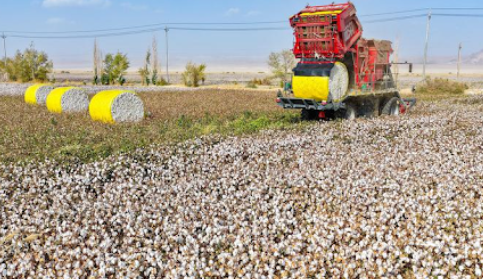
The fallen cotton is blown to the cotton bin by the airflow created by the fan in the pneumatic cotton transport system. Our ANON cotton picking machine is also equipped with a baler. When the collected cotton fills the cotton bin, it is sent to the round baler. The round baler compresses the incoming cotton, wraps it in protective film, and then cuts it off, so people do not need to re-bale it.
Harvest More Cotton in Less Time
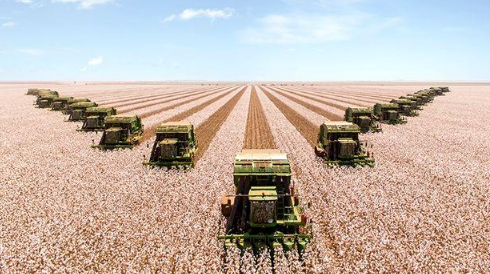
A cotton harvester can harvest much faster than manual picking. Skilled workers can only pick a limited amount of cotton by hand each day. In comparison, a six-row ANON cotton picker can replace a large number of manual workers and cover more cotton fields in a shorter time.
This higher efficiency is useful when you need to finish harvesting within a limited harvest season.
Maintain Better Cotton Quality
The picking system is designed to remove cotton from the plant while reducing damage to the cotton fibers. High-speed rotating spindles wrap and pick the cotton gently.
After picking, a smooth airflow conveying system sends the cotton to the cotton box. The initial cleaning process helps remove part of the impurities before further processing.
Reduce Manual Labor
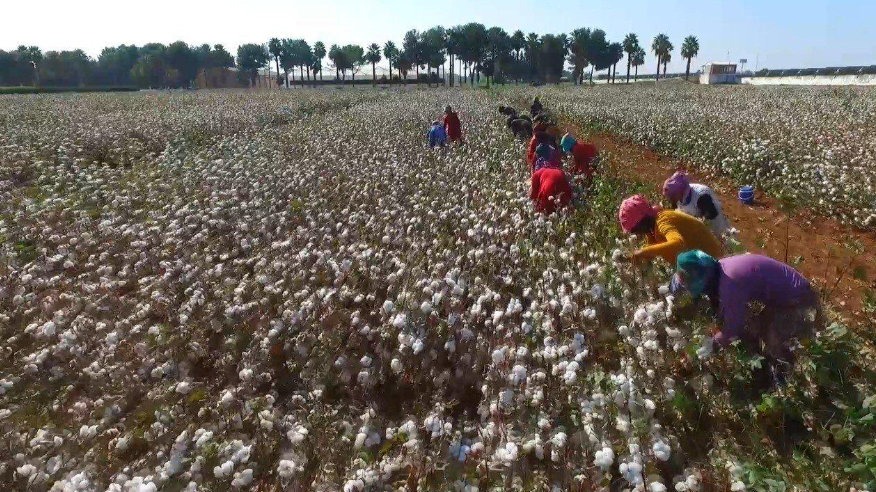
Cotton harvesting often requires many workers during the busy harvest season. A cotton harvester can greatly reduce this labor requirement.
The operator can control the machine from the cabin while the machine handles picking, conveying, cleaning, and collection. This reduces repetitive manual work and helps you manage large-scale cotton harvesting with fewer workers.
Reduce Transportation Costs
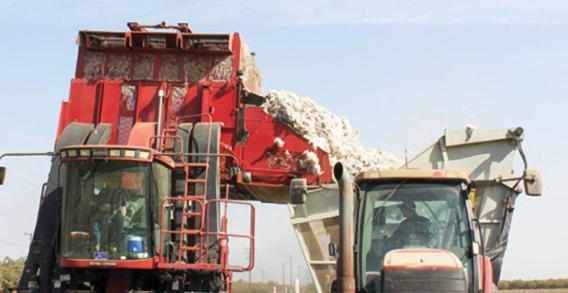
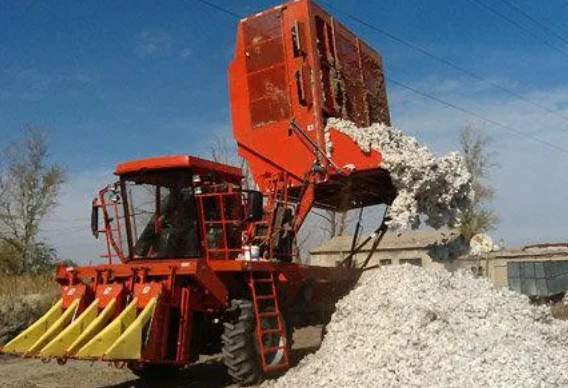
ANON cotton harvesters are available with large cotton storage boxes or baling systems. Box-type models can store a large amount of cotton before unloading, reducing the number of unloading operations.
Baling models can pick and package cotton in one operation. The improved bale density also allows more cotton to be transported in each load. The cleaning system helps reduce impurities, making better use of available transportation space.
How to Choose the Right Cotton Harvester?
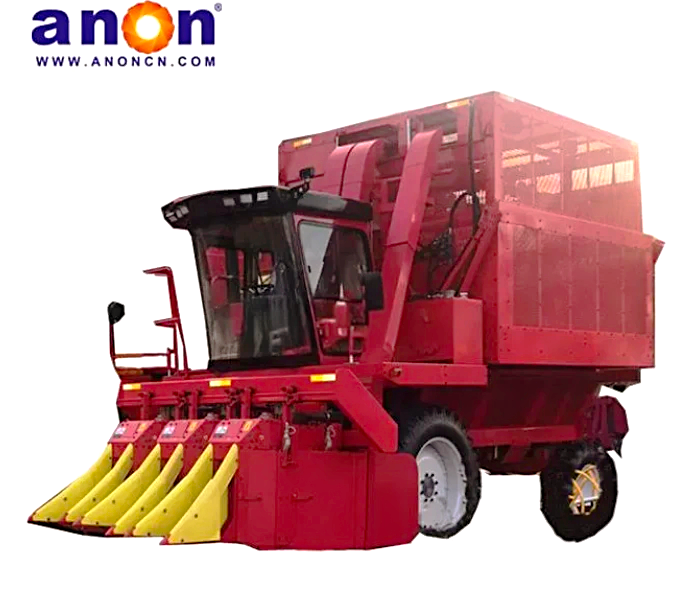
Choosing the right cotton harvester depends on your farm size, cotton variety, field conditions, and harvesting needs. Consider the number of rows you need to harvest at one time. For large-scale farms, a multi-row spindle cotton picker can provide higher efficiency. You can also choose between baling and non-baling models based on your storage and transportation needs.
If you are not sure which cotton harvester is right for you, send us your cotton variety, farm size, row spacing, and field conditions. ANON can help you choose a suitable machine.
Why Choose ANON Cotton Harvesters



Related Products
FAQs
What are the main types of cotton harvesters?
Horizontal Spindle cotton harvester: Uses horizontally rotating spindles with barbed hooks to pick cotton fibers. It is suitable for the cotton-growing regions in the USA, with a picking rate of about 90% and a trash content of 5-10%. Vertical Spindle cotton harvester: Features vertically rotating spindles with spiked teeth to pick cotton. It is used mainly in the former Soviet Union cotton regions, with a picking rate between 80-90%, but more cotton tends to fall to the ground. Airflow Type cotton harvester: Uses suction or blowing air to separate cotton, reducing mechanical damage. This type usually requires other devices to assist in harvesting. Picking Type: Uses comb-like teeth or pulling methods to comb the cotton plants, suitable for specific cotton varieties and planting patterns.
What are the maintenance points of cotton harvesters?
Daily inspection: chain wear, joint cotter pin, drive shaft bending, etc.
Lubrication system: Lubricate the drive chain regularly and use standard viscosity hydraulic oil.
Troubleshooting: If the steering is heavy, check the hydraulic oil. If the grass entrainment loss is too high, adjust the main clutch belt or threshing belt.
What are “baling” and “non-baling” cotton harvesting machines?
What are the tips for improving the cotton output?
When using a cotton harvester, you probably want to know how to pick more cotton. I have a few tips that can help you increase your cotton yield while using the machine.
Tip 1: Pre‑harvest Treatment
Before driving a cotton harvester, you need to process the cotton first, such as spraying defoliants and ripening agents on it. It is recommended that the defoliation rate of the cotton reach 90% and the boll opening rate reach more than 95% before harvesting. It is recommended to wait for about 20 days after the defoliation rate is reached before picking. This will not only help you pick more cotton but also reduce the impurity content in the cotton.
Tip 2: Plan Your Path
Once the cotton is ready, you can start picking. Plan the best route for the harvester and keep it moving in a straight line. When turning, stop the machine to avoid damaging the unpicked cotton plants.
Tip 3: Adjust the Speed
You should adjust the cotton harvester’s speed based on the density, height, and moisture of the cotton plants. This way, you can make sure to pick as much cotton as possible and reduce missed spots and jams, which will increase your cotton yield.
How to properly maintain the cotton harvester machine?
The structure of the cotton harvester is complex, and systematic measures need to be taken, including daily inspection, cleaning and maintenance, parts replacement, and safe operation.
1. Cleaning and maintenance
After working for a long time, the cotton harvester will accumulate dust and impurities, so the machine should be cleaned thoroughly regularly. First, open all the inspection hole covers of the machine, remove all protective covers, transmission chains, belts, cutters, screens and other parts, remove the remaining debris in the drum room and bridge, as well as the straw, weeds and soil on the cutting platform, driving platform, cleaning room bottom shell, fan volute inside and outside, gearbox outside, etc. The outside of the machine can be cleaned with pressurized water.
2. Parts maintenance and replacement
Regularly check the condition of parts, perform maintenance, and make replacements. Pay special attention to some parts that are easy to wear and deform, such as springs and tapes, and replace them immediately if they are damaged or severely deformed. For adjusting bolts, clutch claws, etc., apply engine oil for corrosion protection. The harvester has been exposed to wind, sun, collision, etc., for a long time, so it is also necessary to paint or spray paint in time for corrosion protection.
3. Troubleshooting
If a cotton harvester malfunctions, stop the machine immediately. Carefully inspect each component to determine the nature and extent of the problem. Refer to the user manual when necessary, or contact a professional technician for diagnosis and repair.
4. Storage and Maintenance
When storing the cotton harvester, make sure it is thoroughly cleaned. Release all tension springs to prevent compression fatigue and ensure that all hydraulic cylinders are in their non-working (retracted) position. Remove all belts, wipe them clean, inspect for damage, label their positions, apply talcum powder, and store them in a cool, well-ventilated area. Store the battery indoors and keep it charged; in winter, ensure it is properly insulated against freezing. Take fire safety precautions in the storage area. Once a month, add a small amount of engine oil to each cylinder, rotate the crankshaft one to two times, and operate each hydraulic lever several times to maintain system flexibility.
How can I reduce impurities in cotton while using a cotton picker?
Besides spraying defoliants on the cotton, as I mentioned, you also need to regularly check the machine. Make sure to inspect the filters and cotton boxes regularly, as this can help you reduce impurities when using the cotton picker.
How much cotton can one person pick in a day?
How much cotton a person can pick in a day depends on age, height, physical strength, picking method, and even luck – whether a man or a woman can pick 300 pounds (about 130 kilograms) a day, it is considered good.