



Whole Stalk Sugarcane Harvester
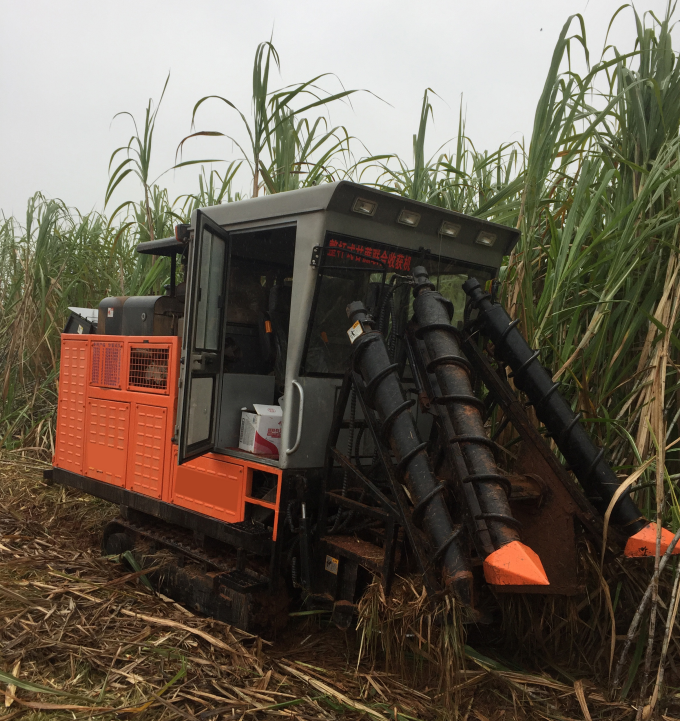
A whole-stalk sugarcane harvester is a specialized agricultural machine that harvests sugarcane in its entirety for subsequent transportation, manual or mechanical defoliation, and pressing. It is suitable for sugarcane planting areas that require manual defoliation or whole-stalk harvesting.
1. Whole stem harvesting reduces breakage and extends sugarcane storage time.
2. A high stem integrity rate, the sugar factory purchase price can be increased by 5% -10%.
3. The body is lightweight and has a light impact on sugarcane fields, protecting the sprouting of roots.
4. The combined model achieves harvesting, leaf stripping, and conveying in one go.
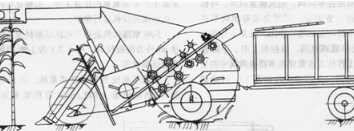
Working Structure
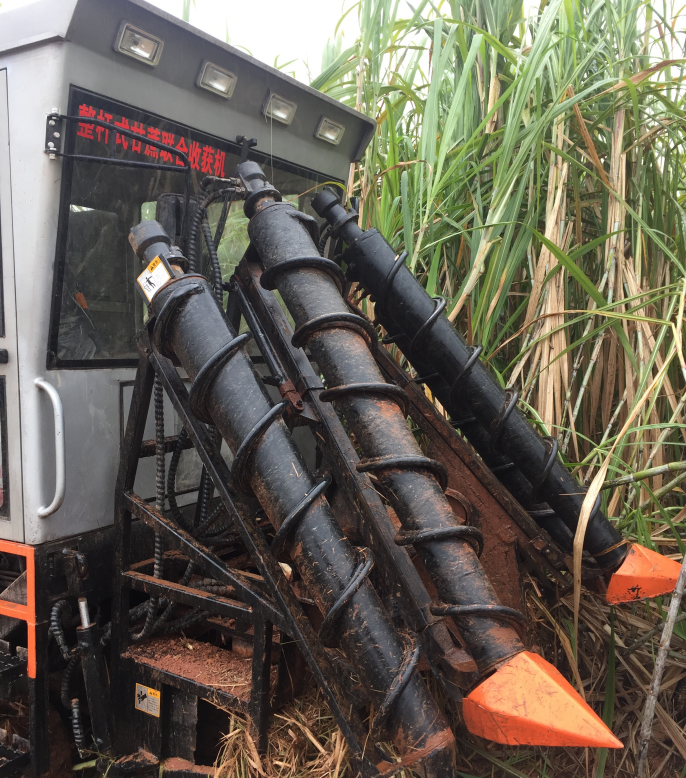
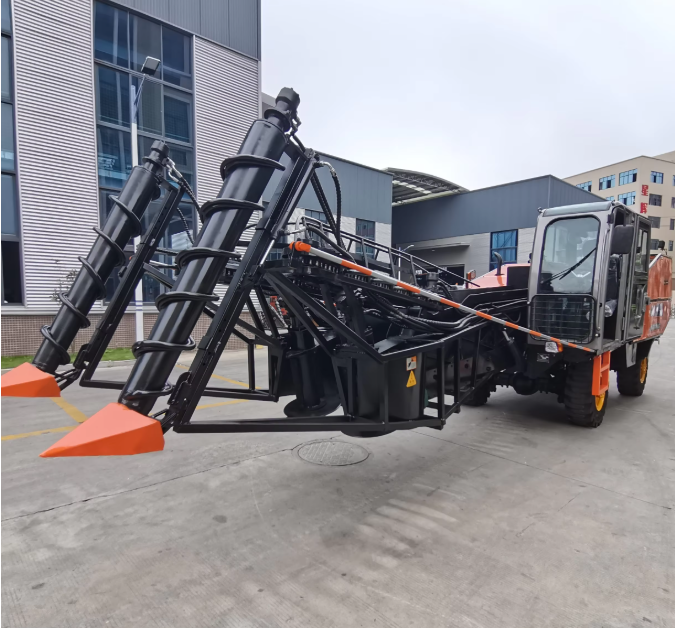
Sugarcane supporter: symmetrically distributed at the front end, it straightens the sugarcane through spiral rotation to prevent the stalks from falling over during harvesting.
Top cutter: a disc knife with adjustable height, used to cut the sugarcane tops (retaining effective stalks);
Sugarcane cutter: a double disc knife, 6-10 cm deep into the soil, to ensure that the roots are cut neatly;
Defoliator (some models), using a fan or rubber roller to partially remove sugarcane leaves
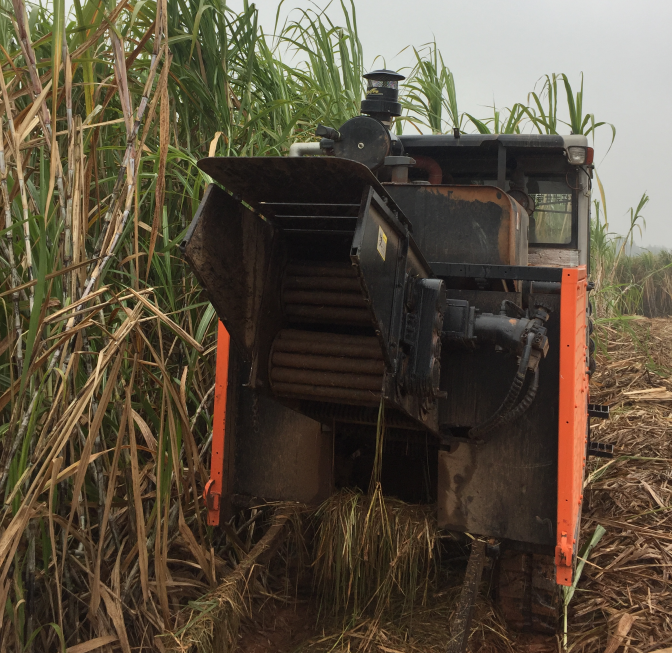
Conveyor chain: usually a conveyor arm or loading arm, which delivers the whole sugarcane into the sugarcane transport vehicle or piles it on the ground. Some models are equipped with a sugarcane pressing roller to prevent slipping.







Our Products
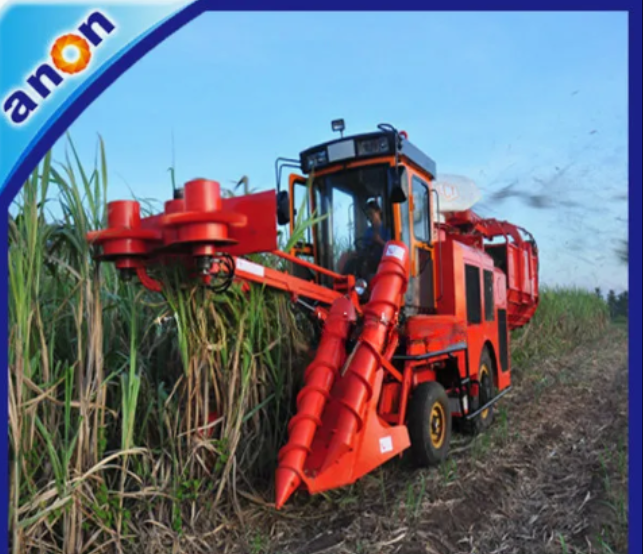
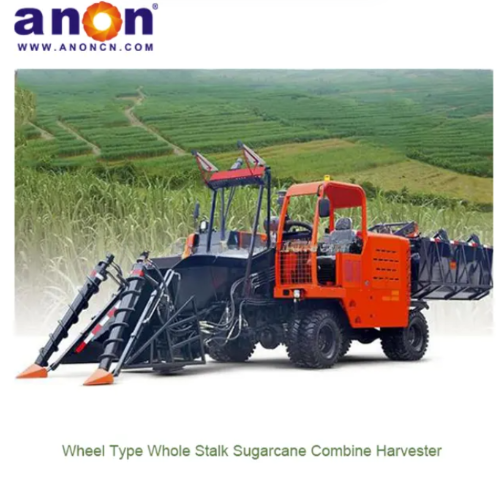
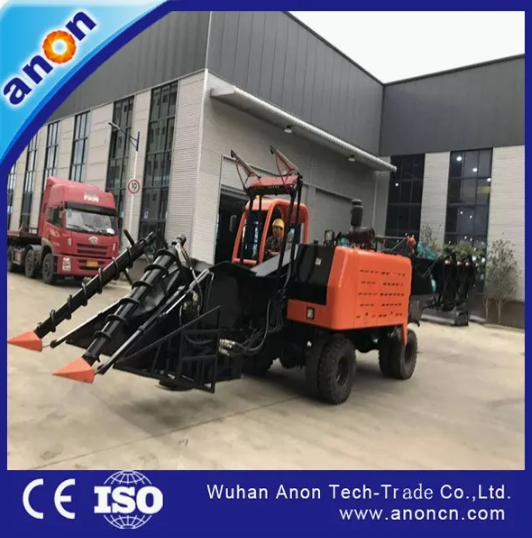
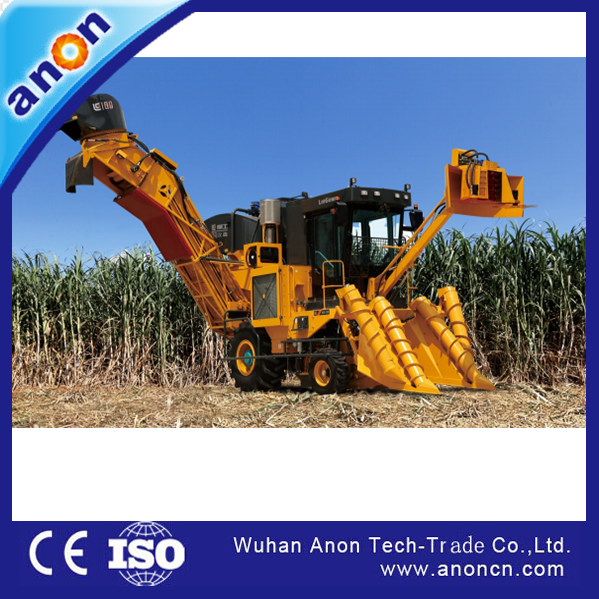
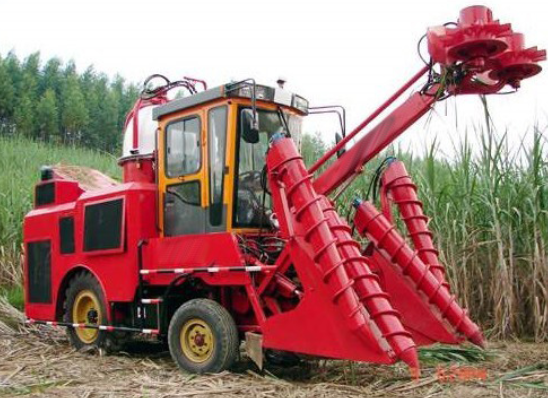
Highly Efficient Harvesting
The ANON whole-stalk sugarcane harvester employs a dual-disc rotary cutter for precise cutting and a flexible conveying system, completing the entire process of sugarcane harvesting—including supporting the stalks, trimming the tops, cutting the stalks, stripping leaves, and collecting—in one go. The harvested sugarcane retains its intact stalk shape, with a stalk integrity rate exceeding 98.5%. Whole-stalk harvesting not only preserves the integrity of the sugarcane, reducing juice loss and sugar content reduction caused by cutting, but also avoids the problem of short storage time associated with segmented harvesting. The leaf stripping device uses a multi-set rubber roller design, ensuring clean leaf stripping without damaging the sugarcane peel, effectively preventing pathogen invasion and extending the sugarcane’s shelf life. It is particularly suitable for scenarios requiring seed preservation or long-distance transportation.
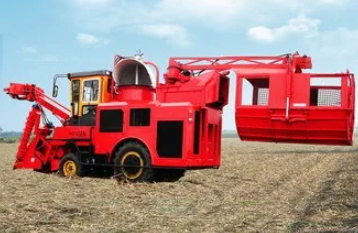
Highly adaptable to terrain
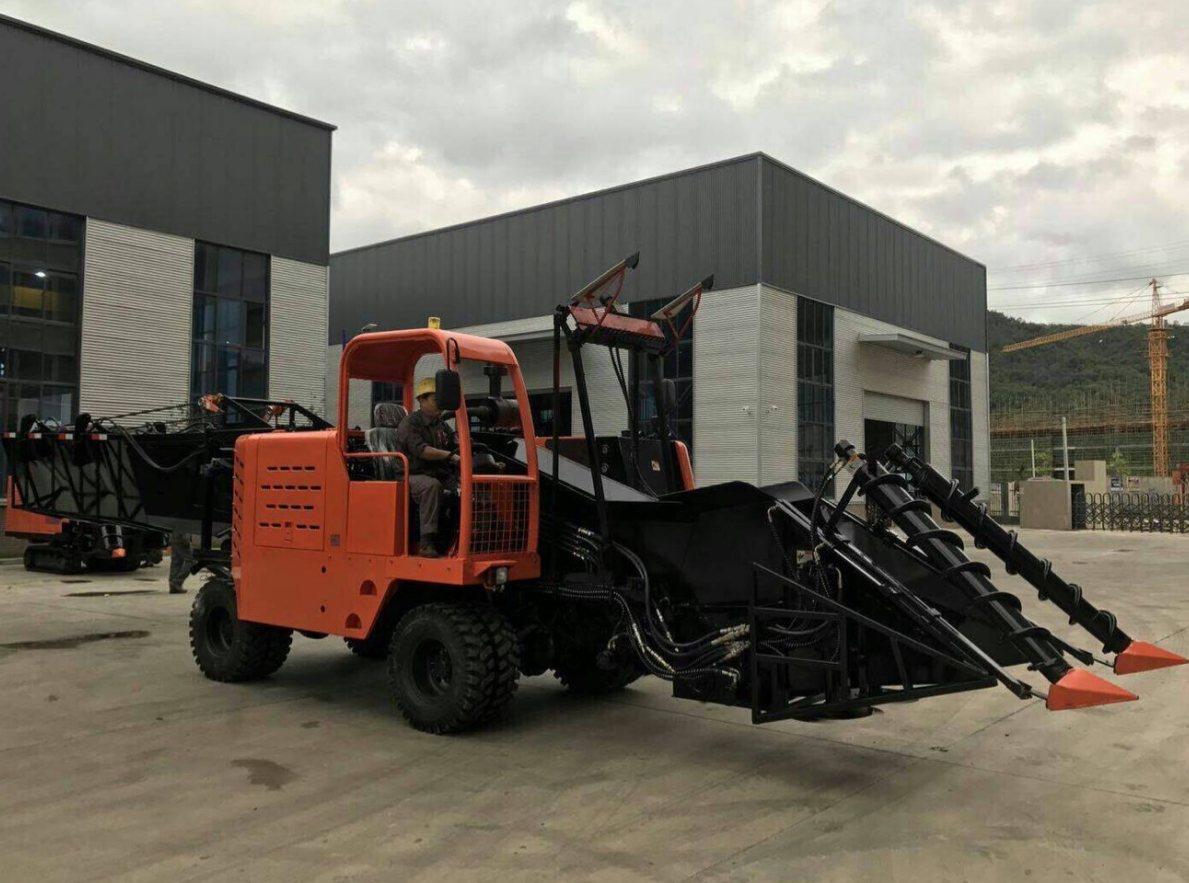
The ANON whole-stalk sugarcane harvester is available in both wheeled and tracked versions. Its lightweight design makes it lighter than the stalk-type harvester, reducing ground pressure. The tracked version is well-suited for hilly terrain and operates smoothly on slightly sloping fields without getting stuck or slipping. Its small turning radius allows for flexible handling of irregular terrain, solving the problem of large stalk harvesters being unable to enter or turn around.
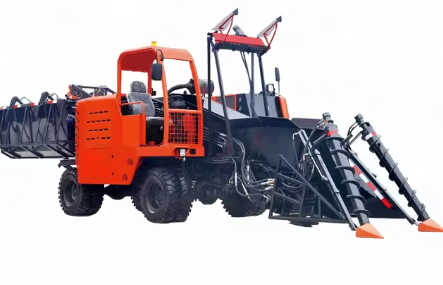
Low-loss design
The ANON whole-stalk harvester’s tip-cutting device can be precisely adjusted according to the sugarcane’s maturity, avoiding excessive removal of marketing rhizomes and sprouts. The cutting blade is made of wear-resistant alloy material, ensuring a clean, tear-free cut, effectively reducing sugarcane juice loss and minimizing sugar content loss. The leaf-peeling roller gap can be flexibly adjusted according to the thickness of the sugarcane stalks, preventing pinching and crushing. The impurity content is controlled to within 5%, far lower than the impurity standard for manual harvesting, saving costs for subsequent processing in sugar mills.
Improving Sugarcane Quality
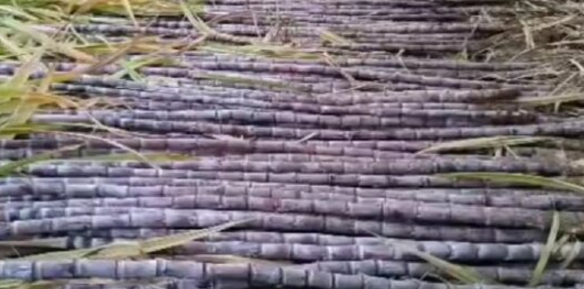
ANON’s whole-stalk sugarcane harvester is specifically designed for harvesting whole sugarcane stalks. Intact stalks and a low damage rate make the sugarcane more durable for storage and transportation, reducing losses during transport. For seed-producing users, whole stalks have a higher germination rate than damaged stalks, laying a good foundation for the next planting season. Sugar mills also prefer whole sugarcane because it has fewer impurities, higher sugar content, and can increase sugar extraction rates; some sugar mills even offer higher purchase prices.
Related Products
FAQ
After work, you should clean the sugarcane leaves and soil on the sugarcane supporter and conveyor chain in time to prevent the transmission parts from getting stuck; check the chain tension and add lubricating oil to the bearings, gears and other parts.
Regularly replace the blades of the cane cutter and sugarcane cutter, check the oil level of the hydraulic system, clean the filter, and avoid oil blockage that affects the lifting and lowering of the tool.
Before operation, you need to check whether the spiral blades of the sugarcane supporter are deformed, and the gap between the top cutter and the sugarcane cutter; remove stones and weeds in the field, and adjust the top cutter height, which is usually 2-2.5 meters from the ground according to the maturity of the sugarcane.
During operation, try to control the driving speed at 2-4 km/h, and drive at a constant speed and in a straight line to ensure that the strips are laid neatly; if the density of sugarcane suddenly increases, you need to reduce the speed to avoid the conveyor chain from getting stuck.
One acre of sugarcane typically yields 8,000 to 9,000 pounds of sugar, but yields vary significantly depending on region, variety, and growing conditions. In some areas, improved farming techniques have resulted in yields of 9,000 pounds or more. For example, the average yield in Louisiana in 2022 was approximately 8,500 pounds per acre, and specific varieties and superior cultivation methods can result in even higher yields.
During harvesting, if there are situations such as broken stems, broken skin, or damage to the sugarcane, you can first reduce the operating speed and not force the harvesting too quickly. At the same time, adjust the cutting height and feeding gap to avoid squeezing and bumping the sugarcane during transportation; It is also necessary to promptly check whether the sugarcane cutter and guide roller are worn or deformed, and deal with any problems in a timely manner; If the sugarcane itself is dry and brittle, remember to slow down the operation speed again, which can effectively reduce the occurrence of sugarcane damage and breakage.
If you encounter a situation where the sugarcane lifter can’t hold up lodged sugarcane or there are many missed harvests, you can first reduce your driving speed, and then adjust the angle and height of the lifter according to the degree of lodging. If the sugarcane is severely lodged, you can also use a reverse harvesting method, which can effectively improve the lifting rate and reduce the problem of missed harvests.