



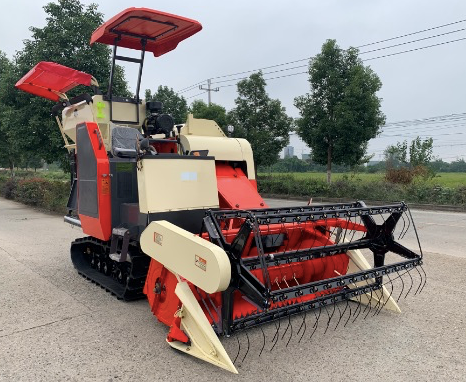
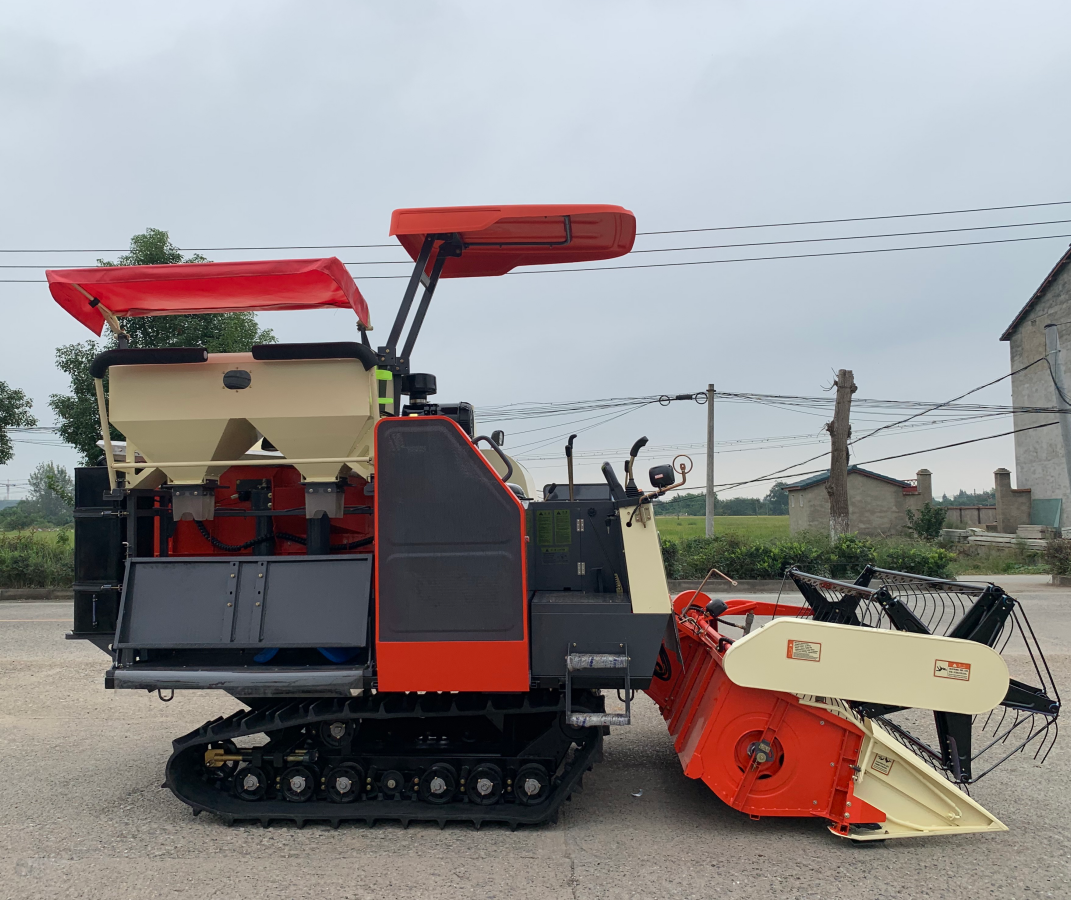
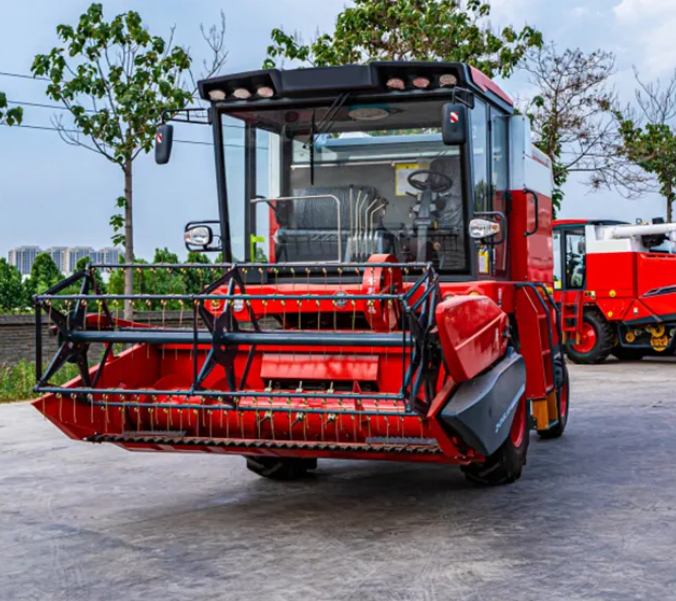
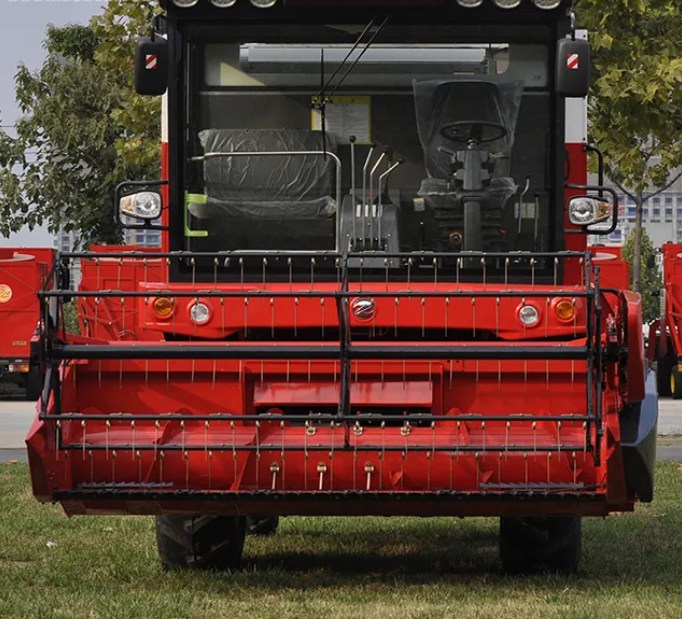
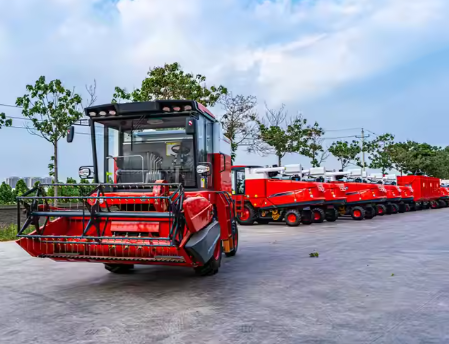
Wheat Harvester Machine
1. Equipped with an efficient threshing device, it has a high threshing rate and low crushing rate;
2. Vibration screen combined with an air separation system improves cleanliness and reduces inclusions
3. Support harvesting of wet wheat, lodging wheat, and dwarf varieties;
4. The crawler type is suitable for muddy fields, while the wheeled type is suitable for high-speed operations in large fields.
5. Suitable for small and medium-sized growers and cooperatives, with an optimal input-output ratio
Our Products
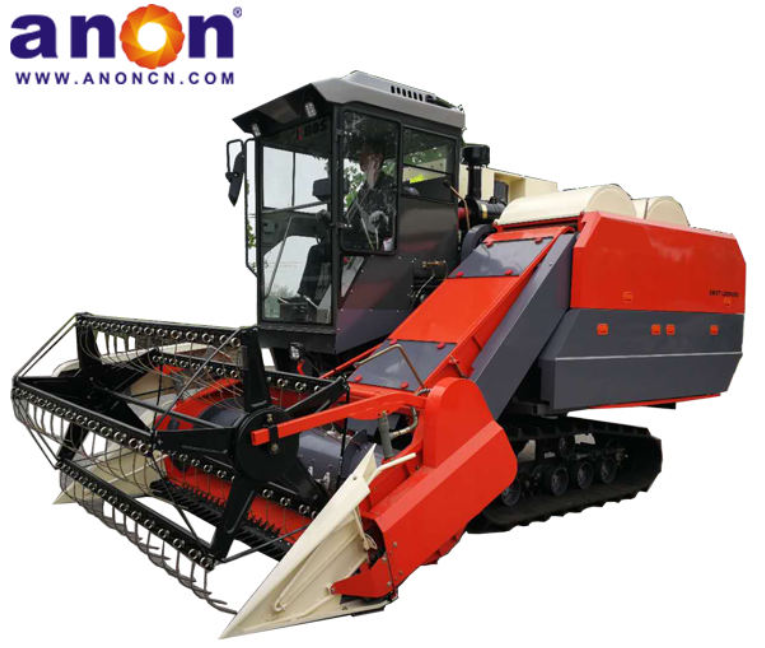
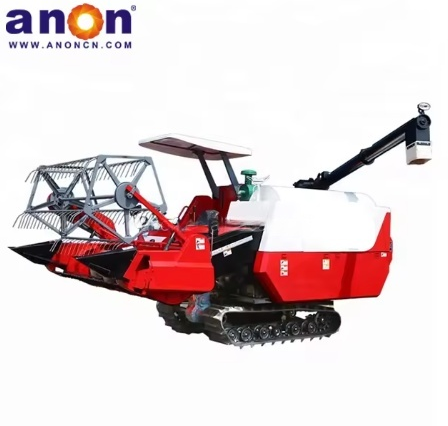
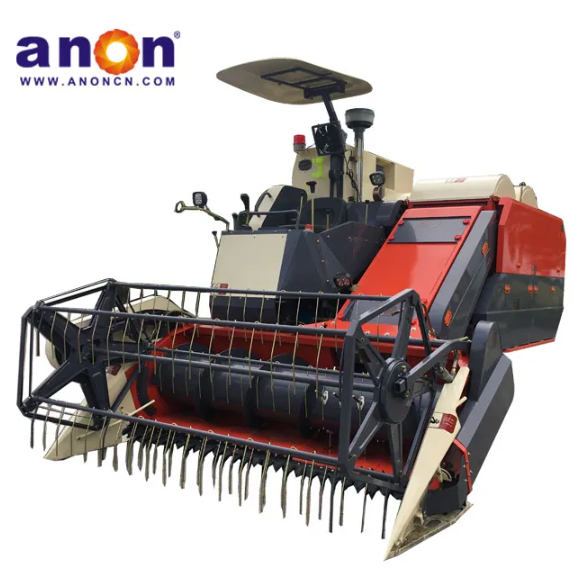
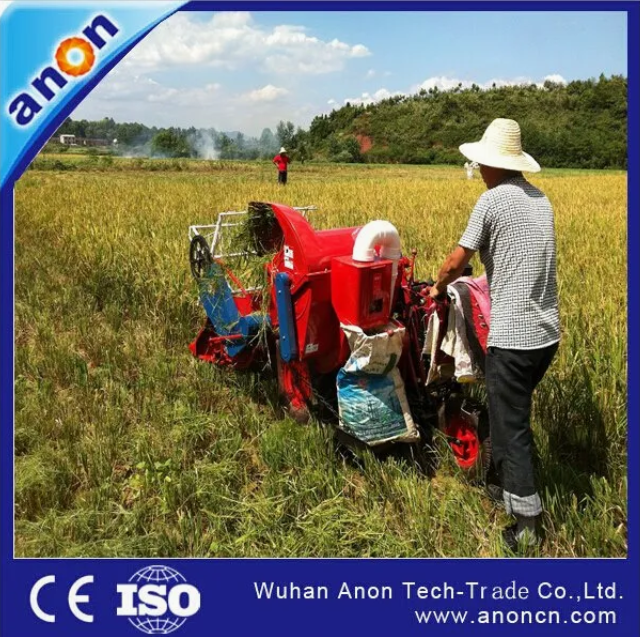
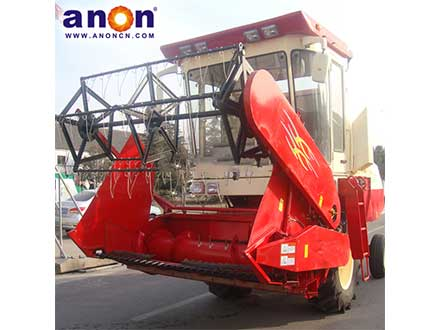





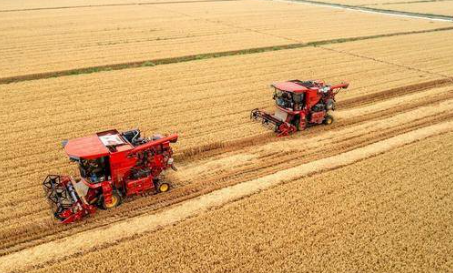
Integrated Operation
The ANON wheat harvester integrates six core functions: header harvesting, reeling and conveying, threshing and separating, cleaning and impurity removal, grain collection and storage, and straw processing. During operation, it can complete the entire process from field harvesting to grain bagging or storage in one go, eliminating the need for tedious manual processes such as cutting, threshing, drying, and screening. Equipped with a dedicated wheat header and adjustable reel, it can smoothly harvest upright and slightly lodged wheat. The core threshing device uses an axial flow drum and tangential flow drum design, adapted to the characteristics of wheat grains, ensuring thorough threshing without breaking the grains. The cleaning system, through a combination of a blower and a vibrating screen, can accurately separate straw, broken leaves, and other impurities, ensuring the cleanliness of the harvested grains. It can also be combined with straw return, crushing, or collection devices to simultaneously complete subsequent straw processing, enabling harvesting and field management to proceed concurrently.
Low Loss Rate
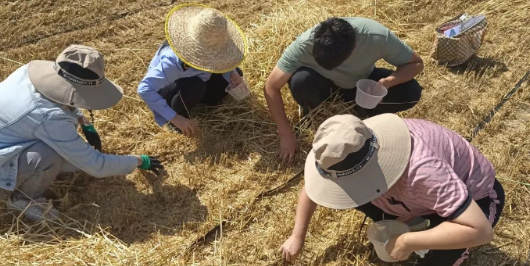
ANON wheat harvesters are professionally optimized for reducing losses during wheat harvesting. The header height can be flexibly adjusted according to wheat growth and stubble requirements, preventing soil from being picked up too low or grain loss from being picked up too high. The reel speed and travel speed are synchronized to prevent over-reeling and detachment of wheat ears. The threshing drum speed and cleaning fan airflow are both adjustable with multiple settings, allowing for precise adjustments based on wheat stalk moisture and maturity. This results in an overall harvest loss rate that is extremely low, far lower than that of manual harvesting. Furthermore, the grain hopper has a large capacity and convenient unloading, allowing direct connection to agricultural trailers to reduce spillage during grain transfer, thereby lowering the overall loss rate.
Highly Adaptable to Terrain
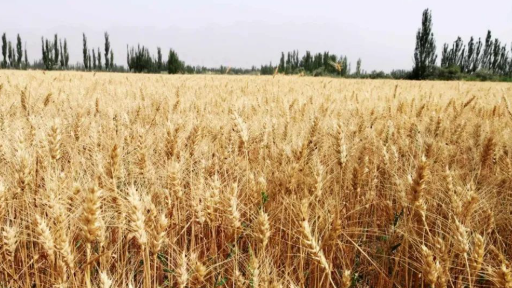
ANON wheat harvesters are designed with the diverse terrains of wheat-growing areas in mind, offering exceptional adaptability. Our wheeled wheat harvesters are robust and fast, ideal for large, contiguous fields in plains and dryland operations. Wide-heading models provide extensive coverage, suitable for efficient harvesting in large-scale planting. Tracked wheat harvesters offer a large ground contact area and low ground pressure, preventing slippage and getting stuck in heavy, sticky soil after rain, in paddy fields with rice stubble, or in hilly terrain. Their agility allows them to navigate irregular fields, solving the problem of mechanical harvesting in complex terrain. Smaller, lighter models are specifically designed for small backyard wheat fields and fragmented hilly land, featuring a small turning radius and excellent maneuverability, compensating for the operational blind spots of larger equipment.
Durable and Reliable
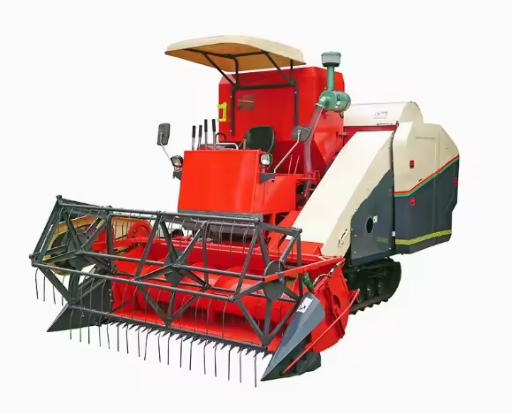
ANON wheat harvesters are welded from thickened, high-strength steel, making them resistant to bumps and impacts, and adaptable to long-term operation in complex field conditions. The core engine uses a dedicated diesel power source, providing strong power output and excellent heat dissipation, allowing for continuous high-load operation even in the high-temperature environment of wheat harvesting without overheating or shutdown. Key wear-prone components such as the cutter blades, threshing teeth, and screen are made of wear-resistant aluminum alloy, ensuring a long service life and resistance to wear. The entire machine’s transmission and hydraulic systems are designed to prevent dust and straw entanglement, reducing the failure rate and ensuring continuous operation during the crucial harvest season, avoiding delays in harvesting due to equipment malfunctions.
Applications
Wheat harvesters are widely used in large-scale continuous planting areas, hilly and complex terrain, small and medium-sized family farms, and agricultural machinery operation service teams. They can realize the integrated operations of wheat harvesting, transportation, threshing, screening, cleaning, and loading, effectively improving harvesting efficiency, reducing labor costs, and reducing grain losses. Some models also have good terrain adaptability and multi-crop compatibility, and are key equipment for promoting agricultural mechanization and ensuring grain production and yield.
Points for Attention
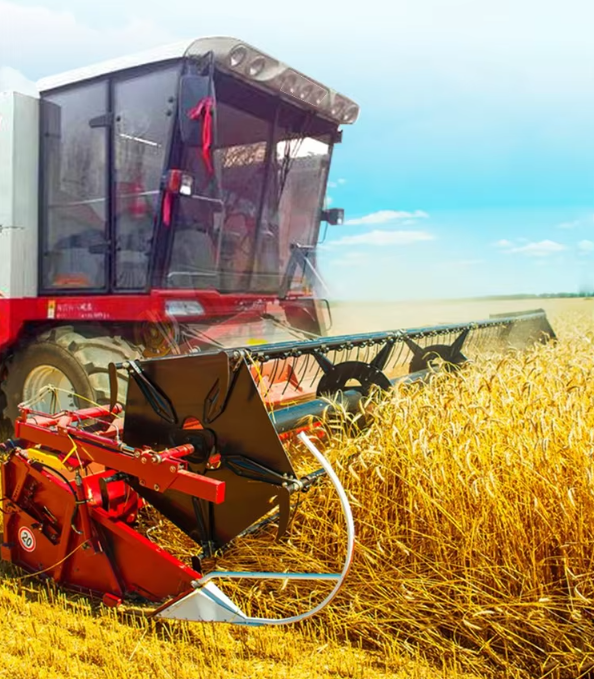
When using the wheat harvester machine, you should pay attention to the following tips.
Before the operation, you need to check the blades, conveyor chains, fans, tires, or tracks, and confirm that they are normal before starting the machine.
During operation, you need to pay attention to controlling the operation speed and adjusting the travel speed appropriately according to the density and dryness of the wheat.
After the operation, it is necessary to clean and maintain in time, clear the blockage points, prevent fire and impurities.
Pay attention to weather factors. Make sure the wheat is dry before harvesting to prevent the grains from getting wet or germinating.
Related Products
FAQ
Modern combine harvesters can typically harvest 25 to 30 acres of wheat per hour. The specific amount depends on the size and type of combine, field conditions, and harvesting speed.
It may be that the air volume is not appropriate, the screen opening is not appropriate, or the grain is too dry or too wet. You can adjust the air volume according to the moisture of the crop, such as increasing the air volume for wet grains and reducing the air volume for dry grains, and optimize the upper and lower screen openings to avoid clogging of the screen surface.
It may be caused by excessive feeding, too large a threshing gap, and low drum speed. You can try to reduce the gap between the threshing tiles and screens, increase the drum speed, adjust the threshing gap to a suitable range, and avoid operating when the crop is too wet.
You can start with three stages: header, threshing, and cleaning. First, during harvesting, ensure the header height is close to the base of the wheat to prevent excessive grain drop. Match the reel speed to the machine’s travel speed to avoid whipping the wheat ears. Maintain a constant speed during harvesting to prevent missed cuts and replanting at the field edges or between rows. Match the drum speed to the wheat’s moisture content to ensure clean threshing without breaking the grains. Ensure proper airflow from the blower and proper clearance between the vibrating screen to remove impurities without blowing out grains. During operation, periodically stop the machine to check for grain drop from the header, grains carried by straw, and waste material during cleaning; immediately fine-tune parameters if any abnormalities are found.
Yes, most mainstream models are expandable for multi-harvesting. By changing the header to a suitable type and adjusting the threshing and cleaning parameters, it can harvest various gramineous and oilseed crops such as barley, oats, rapeseed, rice, and millet. Some models, with minor modifications, can also handle legumes, covering harvesting operations in spring, summer, and autumn. This significantly improves the equipment’s annual utilization rate, avoiding long-term idleness after single-season use. After purchasing the machine, you can quickly recoup your investment by operating multiple crops and taking on orders across different regions.