



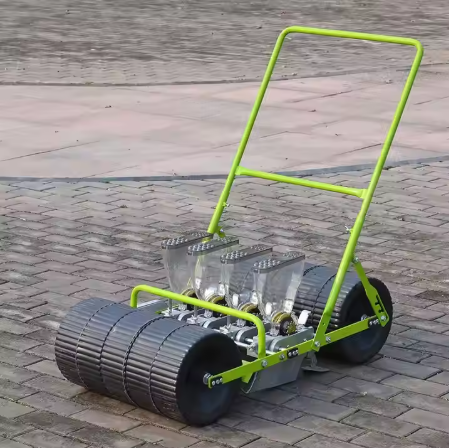
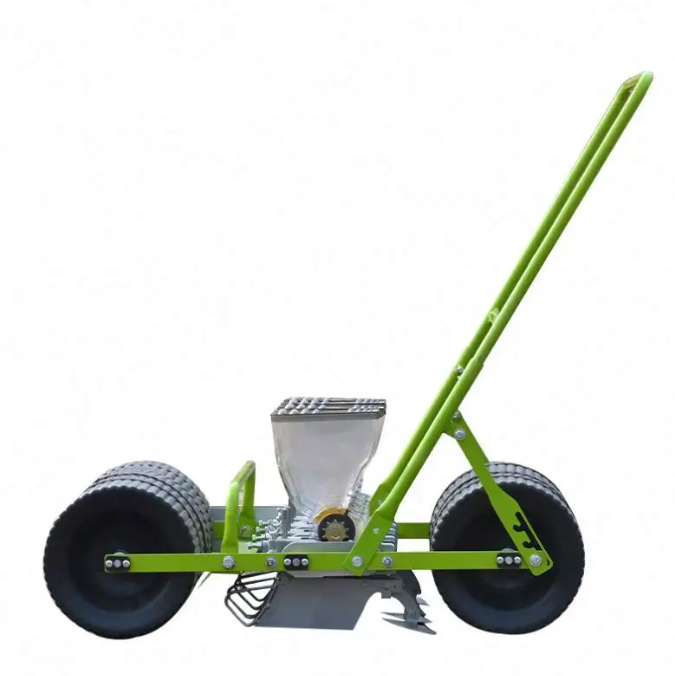
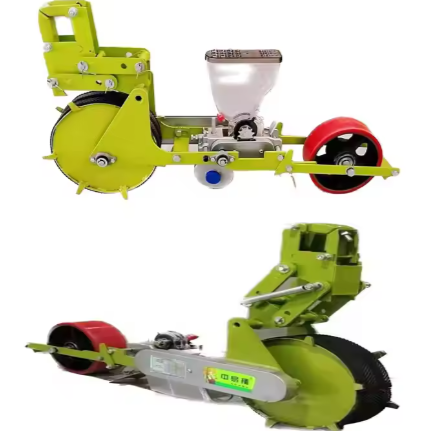
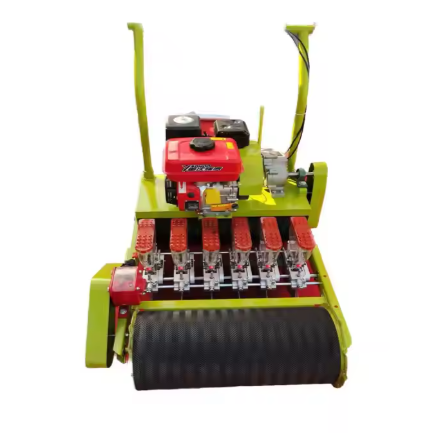
Vegetable Seeder
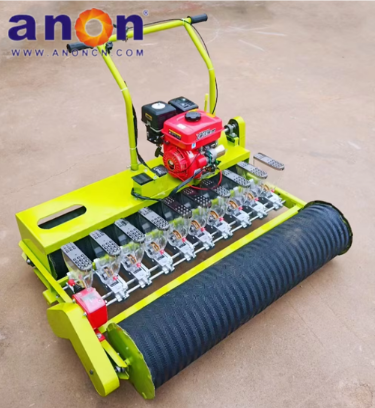
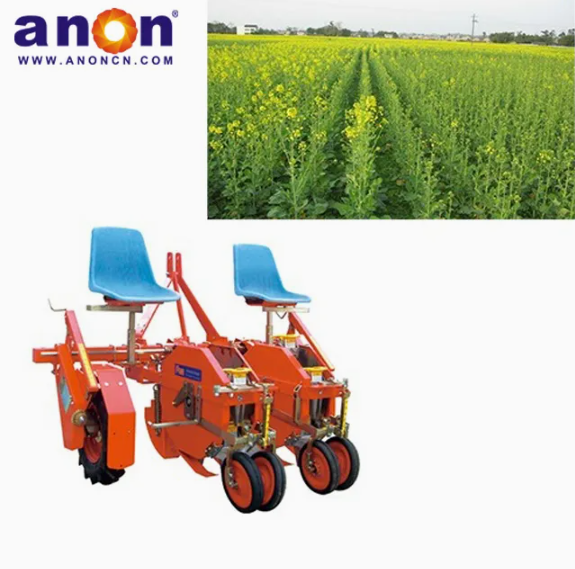
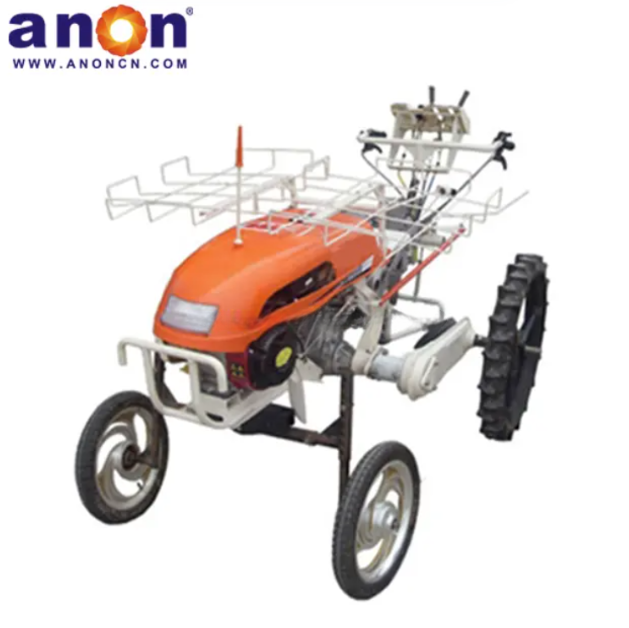
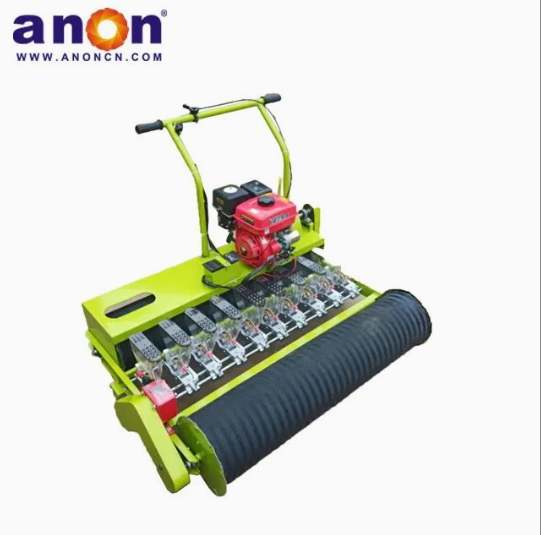
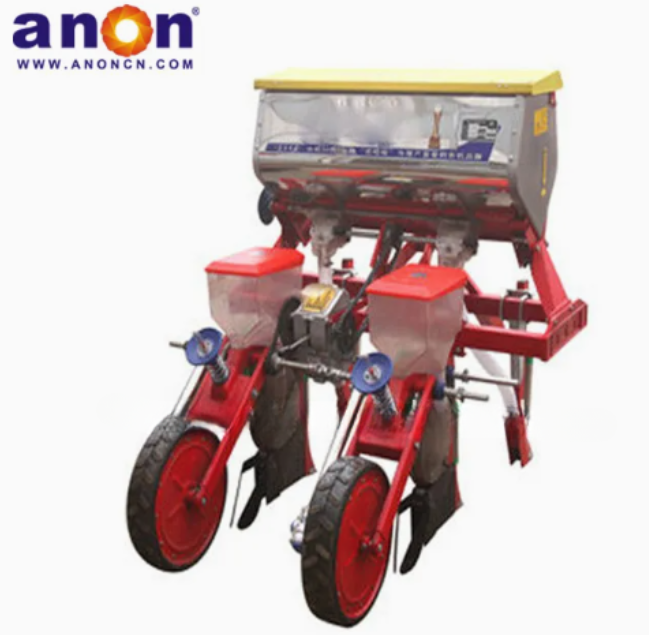
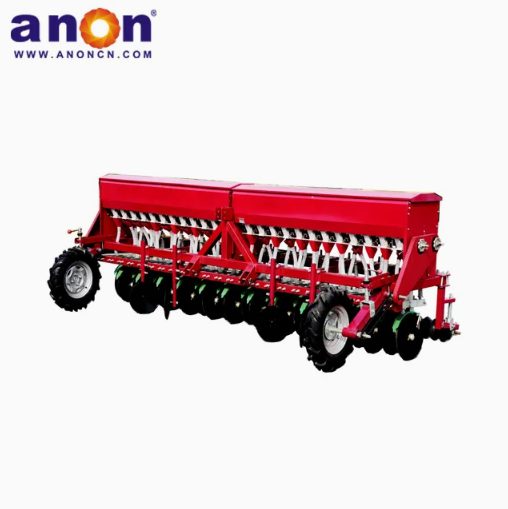
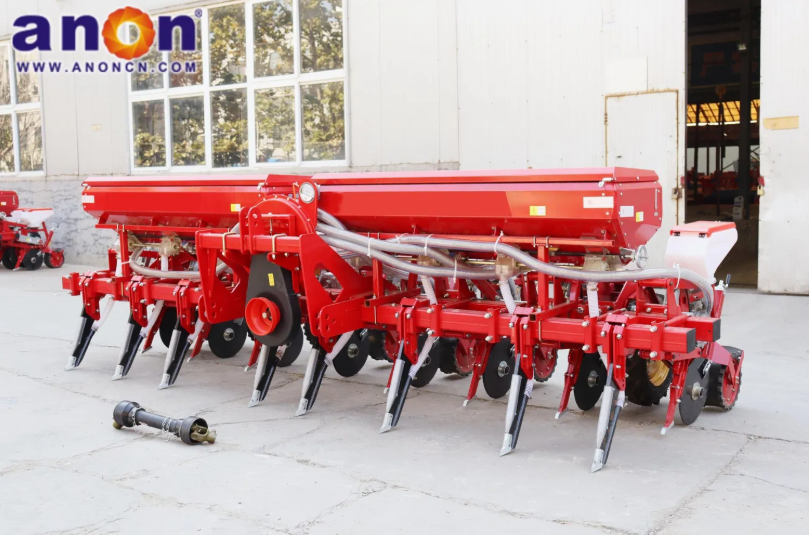
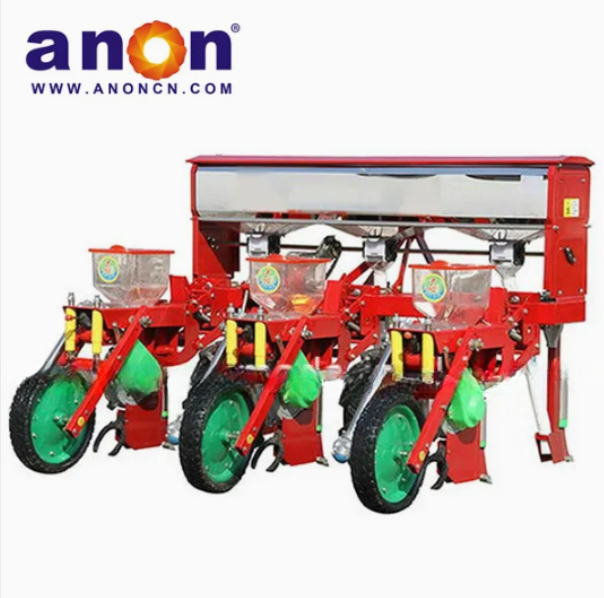
The vegetable seeder is a high-efficiency sowing equipment designed specifically for vegetable crops. It is widely used in the precision sowing of leafy vegetables, root vegetables, and fruit vegetables.
1. Support multi-row sowing, hole sowing/row sowing mode optional;
2. Adapt to tractor traction or hand-push power structure;
3. High sowing accuracy, save seeds, save labor, and improve germination rate;
4. Suitable for a variety of seed specifications and sowing density requirements.




Our Products
Applications
The vegetable seeder is widely used in large-scale operations of vegetable planting bases, precision sowing in greenhouses, and planting scenarios with high density and uniformity requirements in organic farms. At the same time, it is also suitable for the mechanized operation needs of agricultural machinery cooperatives and agricultural service organizations, especially for small vegetable growers in hilly and mountainous areas and scattered plots, effectively improving sowing efficiency and seedling consistency.
Using Tips
In order to improve the operating effect of the vegetable seeder, it is recommended to screen the seeds and pre-treat them appropriately before sowing to ensure that the land is fine and flat and the soil moisture is suitable; adjust the row spacing, plant spacing and sowing depth reasonably according to the type, and conduct trial sowing to confirm uniformity; after the operation, clean the seed meter and residual impurities in time, and lubricate the transmission parts regularly to ensure sowing accuracy and equipment life.
Related Products
FAQ
Radishes. Radishes are probably the fastest-growing vegetable in your garden, ready to be picked in as little as 30 days from sowing. Their spicy flavor is perfect on a vegetable platter or added to a fresh salad.
Choosing the right seeder depends on the area you need to harvest and the amount of work required. In addition to the area you want to plant, you also need to consider the type of seed you want to plant, the soil you want to plant it in, and how you want to plant it.
If you plan to plant new plants, be sure to water the soil in the garden first. Of course, if it rains, your soil may already be moist enough. Alternatively, if you have an irrigation system, you may not need to water the garden soil again before planting.