


ANON Reaper Machine

Helping you solve the problems of uneven maturity and slow drying in the field during large-scale crop harvesting.

Contact us now
Reaper Machine 1 2 3
Reaper Machine

Reaper Machine

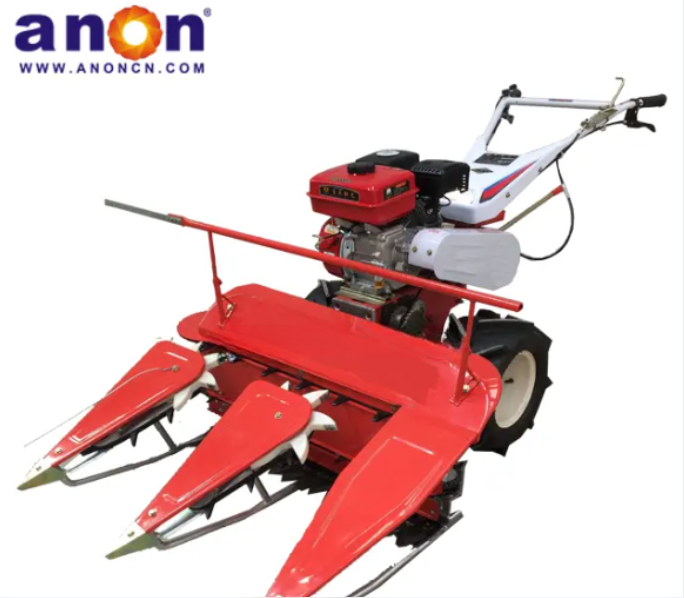
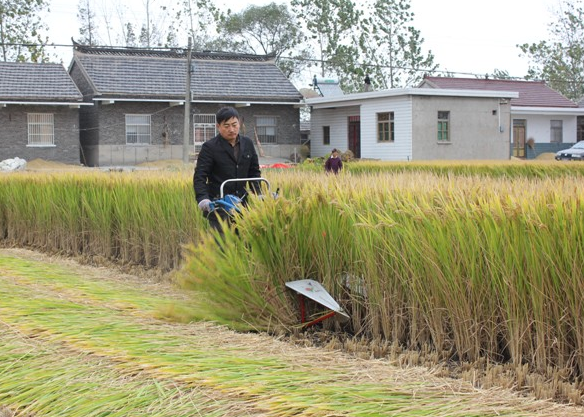
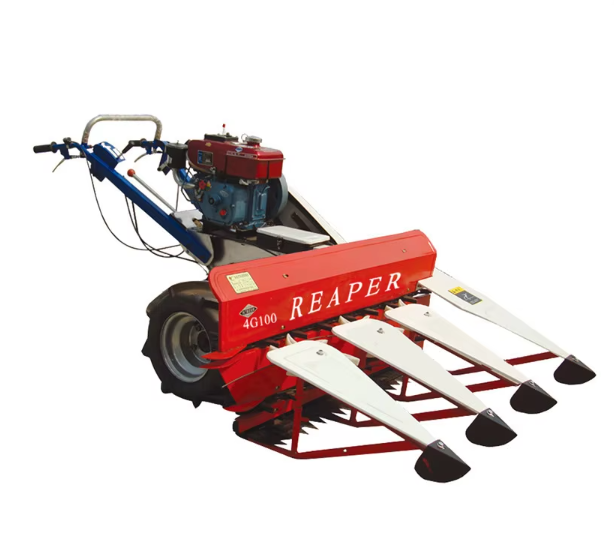
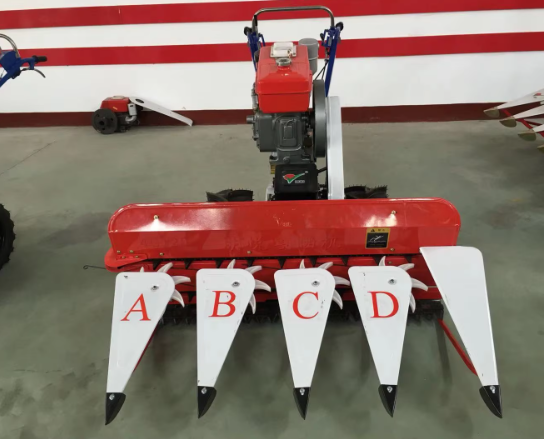
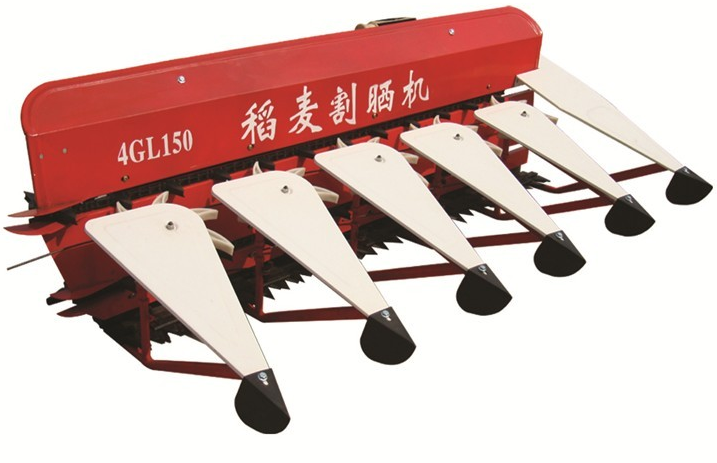
A reaper machine is an agricultural machine used for pre-treatment before crop harvesting. Its main function is to neatly cut mature crops such as wheat, rapeseed, beans, etc., and lay them in rows for drying, threshing, or bundling operations. Unlike combine harvesters, reaper machines do not directly thresh, but prepare for subsequent grain pickers or combine harvesters. 

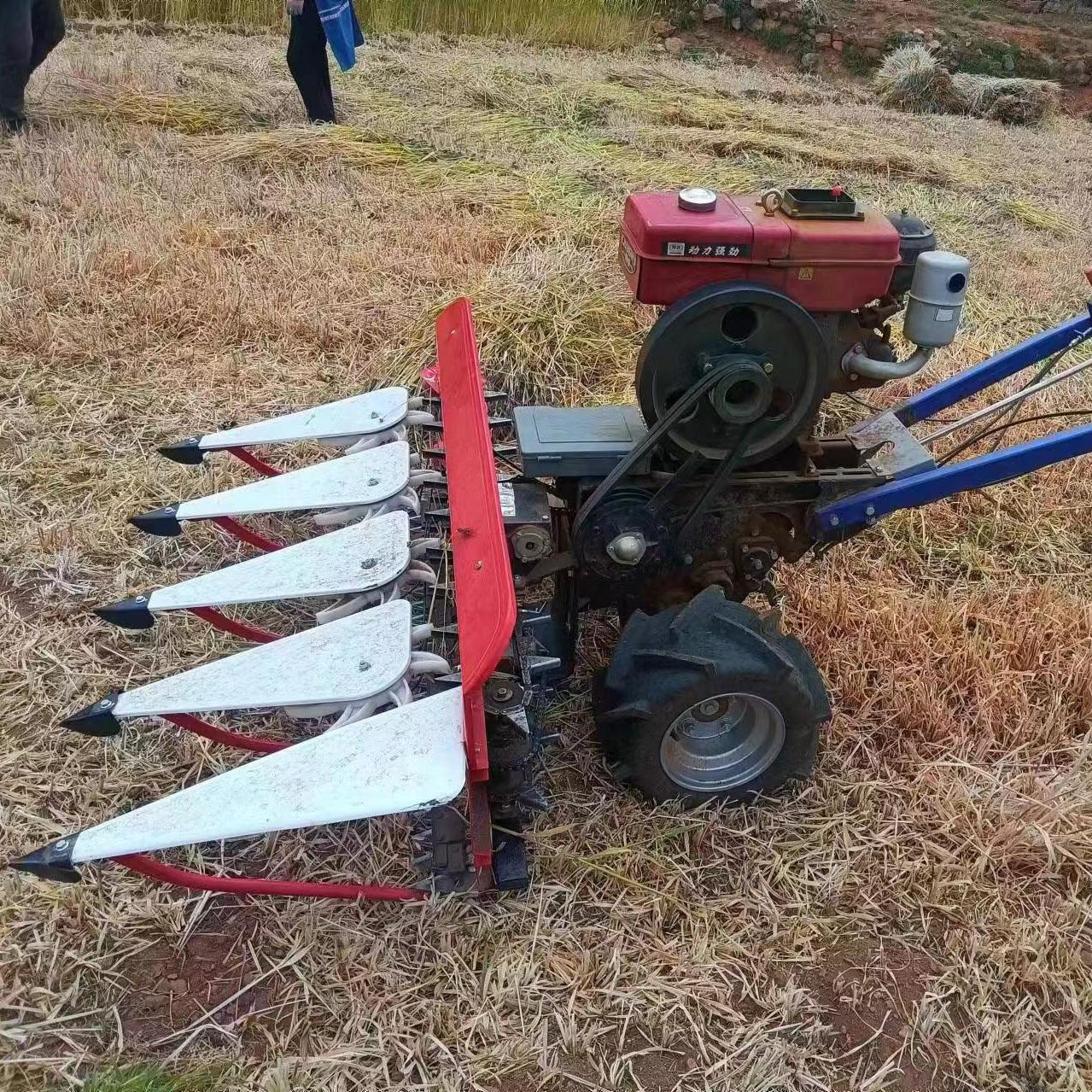
1. Equipped with reciprocating blades that work in tandem, moving and stationary blades ensure precise cutting.

2. Adjustable cutting height to suit various crop types and field conditions.

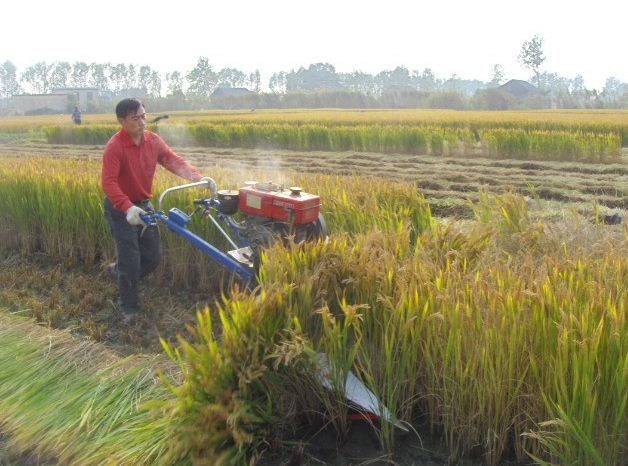
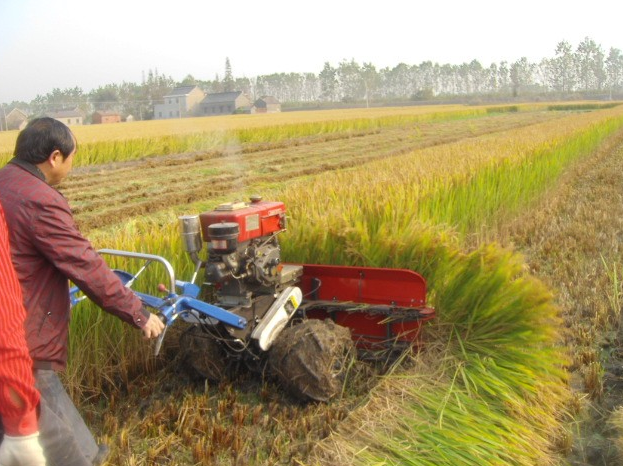
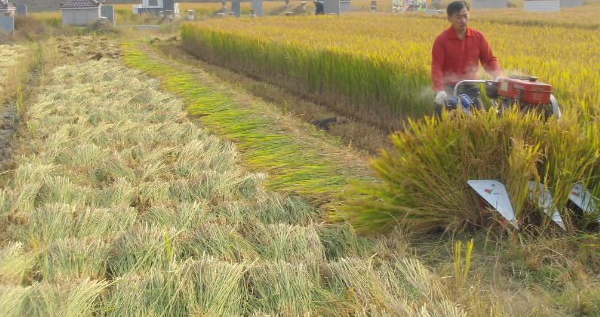
3. Cut crops are conveyed laterally via a belt system and laid into neat windrows, promoting uniform drying.

4. Simple structure and user-friendly design make it easy to operate and maintain.

Contact us now
Reaper Machine

Feature Box

With "high efficiency, precision and economy" as its core advantages, the mower and sundryer has become an important tool for improving the quality and efficiency of modern agriculture.
Efficient Cutting
Efficient Cutting
Equipped with a reciprocating cutter, the reaper machine operates at high speed to quickly cut crop stalks, significantly reducing harvest time during peak seasons.
Better Quality, Higher Yield
After drying and ripening, the yield can be increased by 5%-8%.
Reduced Loss, Improved Crop Quality
Neat cutting and even laying can prevent stems from breaking or grains from falling during manual harvesting. Good ventilation after the straw strips are laid can reduce mildew, ensure consistent dryness of the crop, and improve quality.
Cost-Effective
Cost-Effective
Lower in price than combine harvesters, with simpler structure, reduced fuel consumption, and minimal maintenance—ideal for small to medium-sized farms.
Highly Adaptable
Highly Adaptable
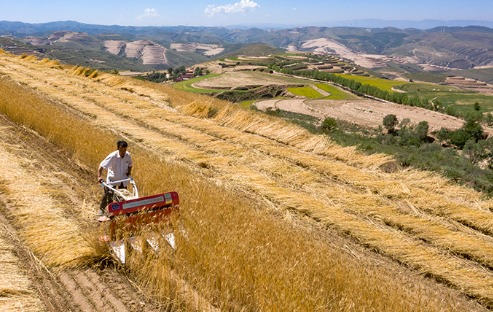
Suitable for various stalk crops and able to handle lodged crops or uneven ripening. Available in both wheeled and tracked versions for use in wetlands, hills, and challenging terrain.
Works Seamlessly with Combine Harvesters
After harvesting and drying, the combine harvester can be used to pick up and thresh the crops, effectively improving work efficiency and quality.

Our Products

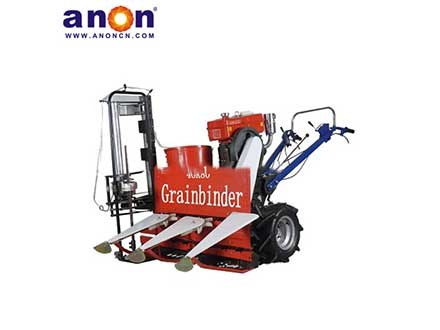
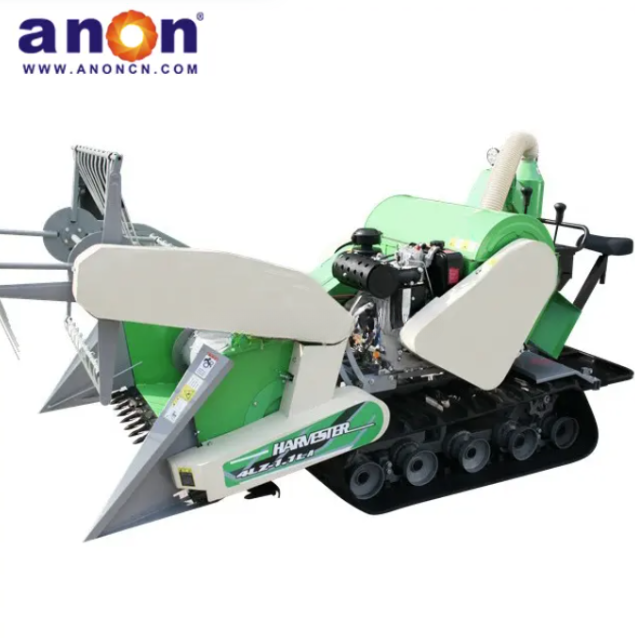
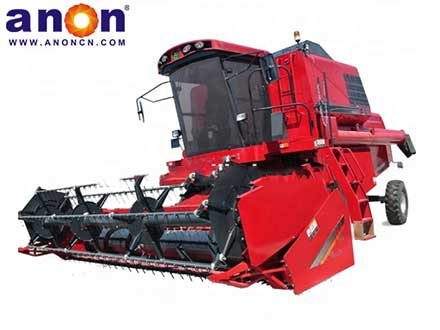
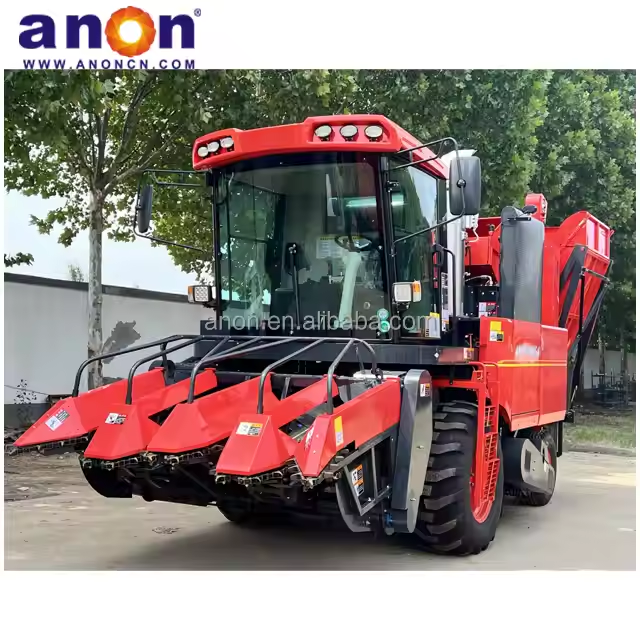
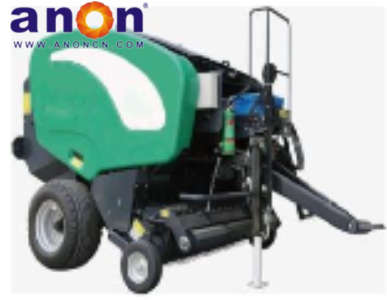
Reaper machine are available in self-propelled, tractor-pulled or mounted types.
ANON Cheap price reaper binder machine price rice reaper machine
ANON's affordable harvester and bundler are specially designed for rice harvesting, with superior performance and easy operation. The machine can efficiently complete rice harvesting and bundling, improve work efficiency, and...
ANON Rice Harvester Strapping Machine
ANON series rice harvester is a hand-held self-propelled harvesting machine. It is a new product with enhanced applicability, improved performance, better reliability and optimization. ANON self-propelled rice harvester New product...

    Name*

    E-mail*

    Country*

    Whatsapp*

    Message

    Integrated operation

    Integrated operation

    ANON reaper machine integrates cutting, conveying, and laying operations, specifically targeting the needs of uneven moisture content and rapid drying of crops after maturity, achieving easy and fast harvesting. The cut crops are evenly spread into loose grass strips, maximizing exposure to sunlight and air, and solving the problems of high moisture content, uneven moisture distribution, and difficult threshing of crops from the source.

    Contact us now
    Strong Adaptability

    Strong Adaptability

    ANON reaper machine can efficiently cut various slender-stemmed crops such as wheat, rice, rapeseed, soybeans, etc., especially for fields with mixed green and yellow harvests, avoiding grain damage caused by high crop moisture during harvesting by the combine harvester and helping to reduce losses. Traction models can be paired with small horsepower tractors to enter narrow plots, while self-propelled models adapt to contiguous fields through flexible steering, filling the flexibility gap of combine harvesters in small and humid plots. The ANON reaper machine can handle crops with severe lodging. You can adjust the height of the cutting head to bring it close to the ground and cut the roots of the crop.
    Contact us now
    Increase Revenue

    Increase Revenue

    ANON reaper machine can help you improve quality and increase yield. For crops with different maturity levels, you can harvest and lay them out during the waxing period. The nutrients in the cut crop stem will continue to be transported to the seeds, and this process is called post-ripening. This can significantly increase grain yield. The crop strips placed in the field can fully utilize sunlight and wind to dry the seeds, resulting in uniform dehydration, better color, and plumpness of the seeds. The fluffy placement increases ventilation and greatly reduces the risk of mold growth due to moisture.

    Contact us now
    Cost Saving

    Cost Saving

    After the stem is cut, sun-dried, and dried, the crop moisture is evenly distributed. Whether it is manually threshed or mechanically picked and threshed, it can reduce grain damage, reduce the load on the thresher, extend the service life of the equipment, and indirectly reduce the cost of subsequent processing steps. The purchase cost of a reaper machine is much lower than that of a combine harvester, with a simple structure and greatly reduced maintenance difficulty, saving subsequent maintenance costs.

    Contact us now
    Applications
    Applications
    In response to the rainy areas in the south, where crops ripen unevenly and are prone to falling grains due to overripe conditions, the ANON reaper machine can quickly cut and sun the crops, avoiding rain and mold in the fields, facilitating subsequent threshing or bundling, and improving harvest efficiency and quality. The reaper machine is suitable for field cutting and sun laying operations of small and medium-sized crops such as wheat, rice, rapeseed, soybeans, mung beans, etc. It is also widely used in the pre-harvest pretreatment process of forage and grass seed crops, especially suitable for crops that require natural air drying or post-harvest in the field.
    Contact us now
    Usage Tips
    Usage Tips
    First, when using a mower, try to choose sunny weather and crops with high maturity to ensure optimal mowing and drying effects and quality. Then you need to maintain an appropriate travel speed and stubble height during the operation, which is conducive to neatly laying the crops and subsequent mechanical picking up, and avoid working in waterlogged or muddy conditions in the field to prevent crops from being contaminated or the soil from being compacted. After the operation, you need to inspect and maintain the knives, chains, and transmission systems on time, and clean up any residues to extend the equipment's service life and ensure a smooth next operation.
    Contact us now

    FAQ

    Frequently Asked Questions.
    01
    How to choose my reaper machine?

    First, determine your crop type: wheat, rice, or soybeans, and whether you frequently need to deal with lodging. This will determine the machine’s required adaptability. Second, examine your field conditions. Field size, flatness, and soil moisture directly affect machine selection—small fields are suitable for flexible three-point suspension machines, while large, contiguous fields may require towed or efficient self-propelled machines. Next, be sure to check your tractor’s power output to ensure it matches the reamer’s working width requirements, especially for towed machines, which also require independent power output. Finally, focus on the machine’s key configurations, particularly the cutter’s reliability, the reel’s adjustment range, and the adjustability of the spreading mechanism (guide vanes, conveyor belt). These directly determine the neatness of the spread and the quality of the work. After completing these assessments, the ideal decision-making process is to verify the machine through field trials.

    -
    02
    What checks and preparations need to be done before operating a reaper machine?

    Before the operation, you need to complete a series of meticulous checks and preparations to ensure efficiency and safety. First, conduct a comprehensive inspection: confirm that the cutter blades are sharp and intact, check that all transmission components are adequately lubricated and tightened, adjust the belts or chains to the appropriate tension, and check the hydraulic system for leaks. Then, based on the height and density of the crop to be harvested, preset the height and speed of the reel, as well as the angle of the guide vanes. After all settings are complete, be sure to conduct a trial cut in the field. Make final fine-tuning adjustments to the machine based on the actual spreading effect before starting formal operation.

    +
    03
    How to maintain a reaper machine?

    Routine maintenance is crucial for ensuring the efficient operation and longevity of the harvester and must be maintained throughout the entire operation. After each shift, you must thoroughly clean the machine of any tangled weeds and dirt and check the wear on the blades. Simultaneously, strictly follow the instruction manual to regularly lubricate all moving parts, including bearings and chains, to reduce wear. At the end of a harvest season, be sure to thoroughly clean the machine and apply rust prevention treatment, replace any damaged parts promptly, and finally, store the cutters and other components on a flat surface supported by wooden blocks to ensure it is in optimal condition for the next harvest season.

    +
    04
    How can a reaper machine be adjusted to achieve uniform strips?

    First, set an appropriate stubble height (usually 15-25 cm) based on the crop condition to stably support the laid-out crop. Second, adjust the reel to the “forward, low” position and match its rotation speed to the machine’s forward speed, ensuring the crop is smoothly guided towards the cutter and backward. Next, precisely adjust the speed and angle of the conveyor belt or guide vanes so that the crop, after being felled, is laid out evenly and at an angle of approximately 10-30 degrees to the direction of travel. Finally, maintain a constant speed throughout the entire operation to avoid excessive speed that could lead to messy or missed areas. These steps require fine-tuning in conjunction with actual field conditions to achieve the best strip-laying effect.

    +