




ANON Potato harvester
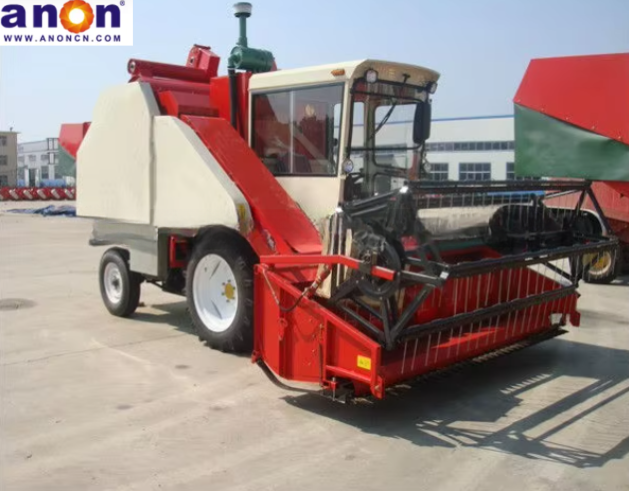
The ANON potato harvester is an ideal machine to increase the harvesting efficiency and reduce the burden of labor costs.
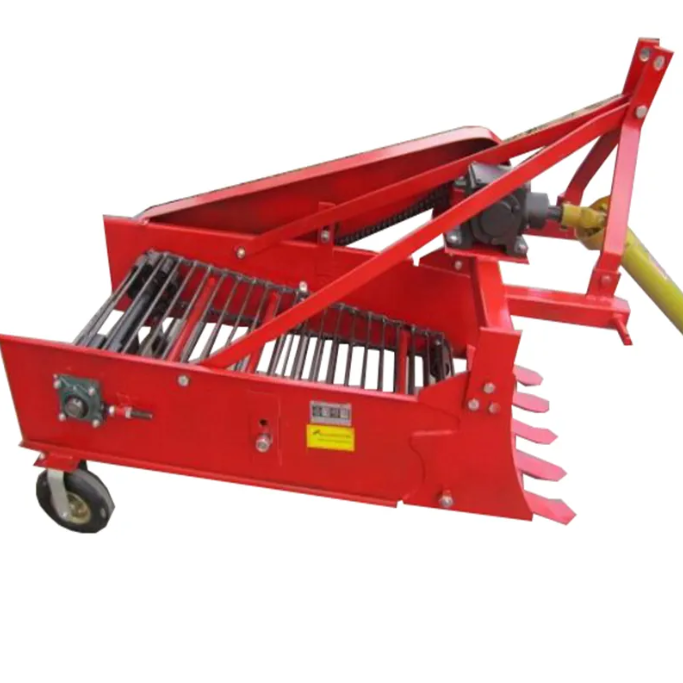
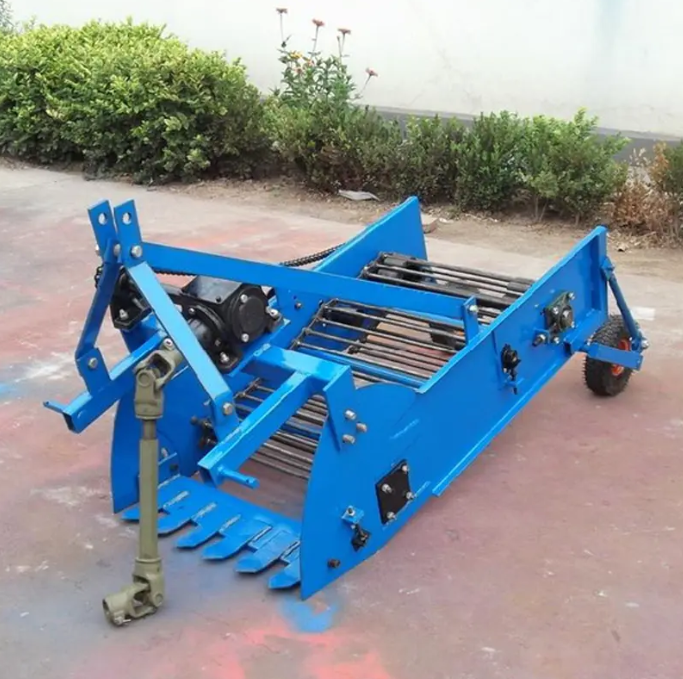
They are designed to harvest and clean potatoes in one pass. The Front blade is digging up the potato. The conveying system separates them from large soil clumps and stones.
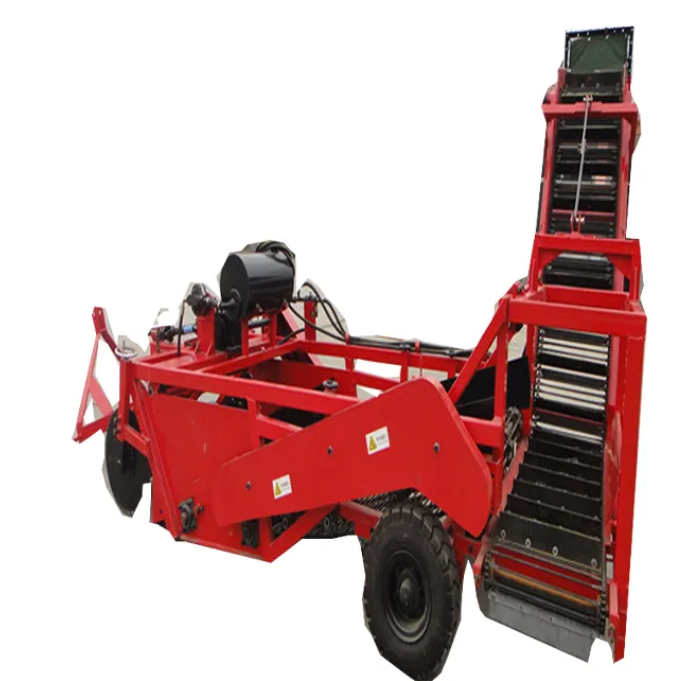
Then the potato can be delivered to the ground or to the bunker, depending on the models you choose.





Our Products
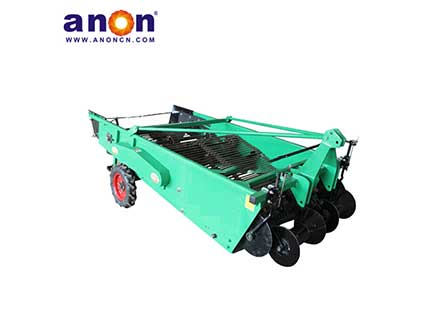
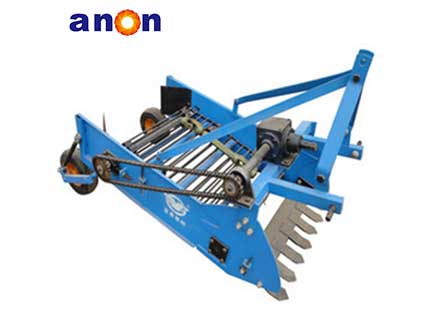
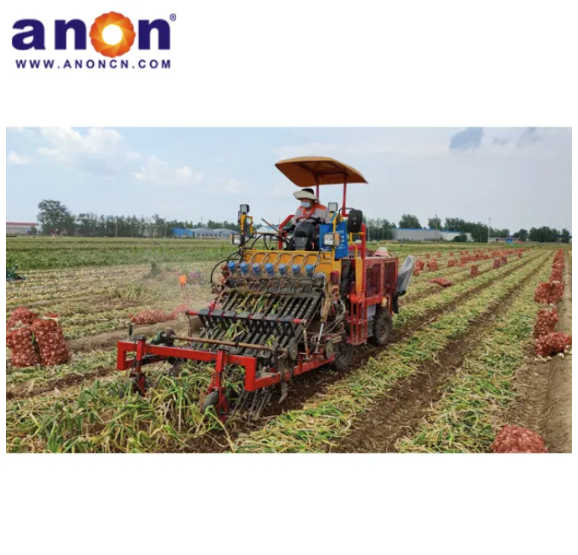
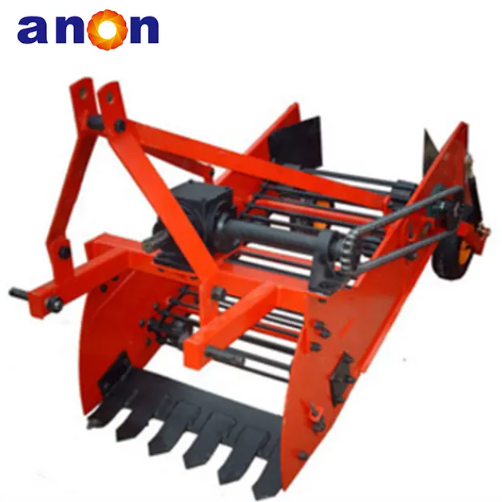
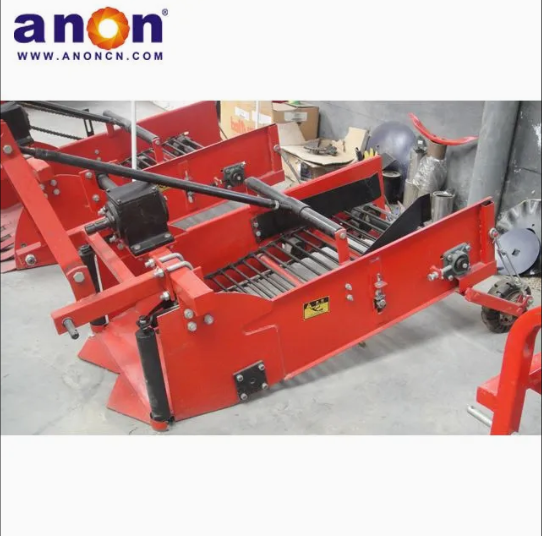
Types We Provide
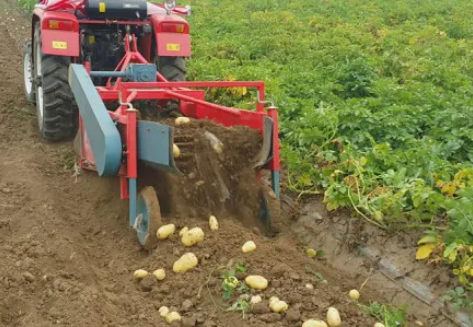
Enhanced Efficiency
ANON potato harvesters have enhanced efficiency as they can load more and process cleaning faster.
We improve the mechanical strength of the conveyor system to enhance the loading capacity. Specifically, the double-chain system reinforces the ability to convey more potatoes. And the increased rod diameter with a thicker steel build lowers the chance of rod bending. Most importantly, our current models employ heavy-duty bearings. This strengthens the impact-resistant ability, greatly minimizing bearing failure.
ANON integrated the separating and conveying into one part to increase the efficiency. There is no need to spend hours separating the soil clusters and the stone after harvesting. Our potato harvester operates by separating and conveying simultaneously. The vibrating separation system is equipped in both models – self-propelled and tractor-pulled. Combining these two steps can significantly cut down the labor costs and the time spent.
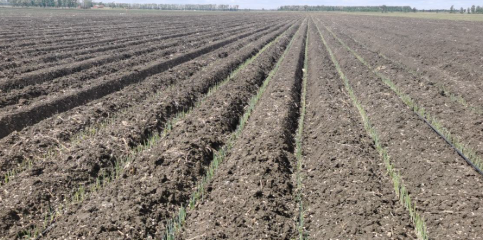
Terrain Adaptability
ANON potato harvesters are not only suitable for standard flat potato farmland, but they also have excellent performance on many other terrains, such as ridged row cultivation, highland, gentle slopes, undulating terrain, wet land, loose soil, and small, irregular farmland.
The most common potato harvester we manufactured is the tractor-pulled type. They can be connected to your existing tractor through the 3-point hitch and the PTO shaft. That is saying our harvester must adapt to your land conditions.
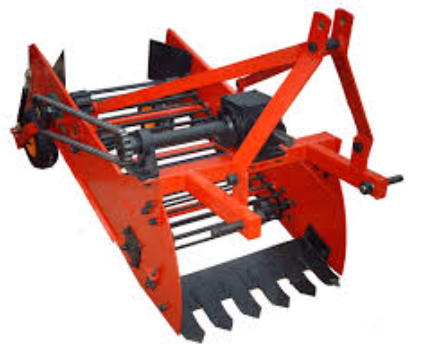
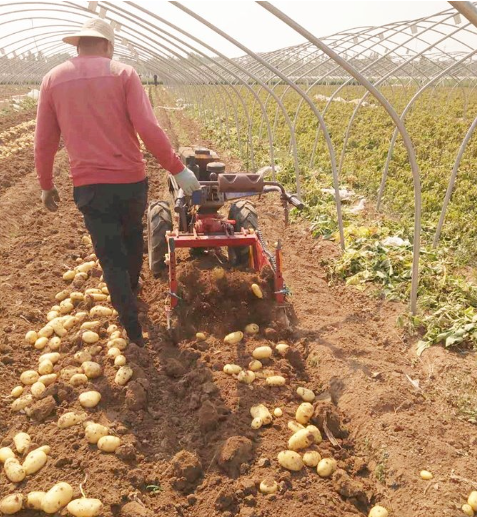
Our single-row potato harvester can also be connected to a walking tractor/two-wheel drive tractor. It offers superior flexibility and maneuverability for more challenging conditions such as small-fragment farmland, hillsides, terraced fields, and mixed soil conditions.
We provide a more advanced self-propelled tracked model. It offers wider terrain adaptability by greater stability, enhanced grip to the ground, and lower pressure on the soil. This tracked model can easily get through soil and wet soil without sinking. And can maintain high-capacity operation steadily even in undulating terrain.
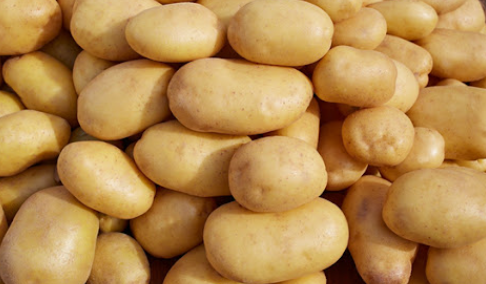
Low Skin Damage
We optimize the potato harvester design in several parts to minimize the skin damage.
We reduce metal-to-potato contact and minimize the drop impact damage. The rod is carefully coated with rubber material, minimizing the shocks and abrasion on the potato skin. Second, we reduce the drop height to minimize the drop impact damage.
Another improvement of the ANON potato harvester is in the mechanical structure design. The conveying system features a differential speed spreading, making sure the potato density is consistent over the conveying part. This feature reduces damage resulting from potato collision, as potatoes do not cluster together.
In sum, an ANON potato harvester can ensure lower skin damage on potatoes, which directly improves the quality and the storage life of harvested potatoes.
Easy Maintenance
ANON potato harvester is built for easy maintenance.
The material we used is designed to serve a long life. The conveying system that frequently comes into contact with the soil is made of stainless steel. They are rust-proof and resistant to muddy water. The digging blades are built with high-hardness boron steel that is wear-resistant. And the frame is built of high-strength structural steel with powder-coated steel. They are very durable under heavy usage.
The conveying system is an anti-mud clogging design. Excessive soil and stones are dropping to the ground through the rod gaps. The open frame design does not require frequent cleaning. There is no complicated sealed structure in our potato harvester. The simple structure with a straightforward powertrain simplified diagnostics and repairs.
Common wearing parts are always available from our end, including digging blades, conveyor chains, rod bars, bearings, tires, etc. Besides, they are a standardized model, you can easily find the substitution in the market.
Related products
FAQ
To see if a potato harvester is in good shape, check it carefully step by step: First, look at the hydraulic system and make sure the oil level is okay. Carefully inspect all hydraulic lines and connections to ensure there are no leaks. Next, check the transmission system. Check the chain and belts, either by hand or with the right tools, to be sure the tension is correct. It shouldn’t be too loose or too tight.
Observe their surfaces for signs of wear or breakage. Also, check the V-belts for aging or cracks. Then, check the blades and conveyor belt. The blades must be sharp, with no nicks or chipped edges. The conveyor belt must be securely installed and rotate without any jamming or slippage. Now, let’s check the safety features. Test each emergency stop button and limit switch to be sure they’re working correctly and are sensitive. Also, check that the protective covers are intact and undamaged. Finally, conduct a trial run. Once the machine is on, keep an eye on the panel lights. Also, listen for weird sounds or feel for shaking while it’s running.
Before we begin work, we need to prepare the field:
1. Clear the site: Remove stones, tree roots, and other hard objects to prevent damage to the machinery.
2. Control humidity: The field must be dry; if it’s too wet, it’s difficult to dig, and the potatoes will easily stick together.
3. Mark the area: Please mark the area and put up a warning sign. This is to keep everyone safe and make sure workers and people passing by keep a safe distance from each other.
If a potato harvester has any issues while running, stop it right away for safety and to keep things running smoothly.
1. If you hear odd noises or feel shaking, stop the machine. Then, check if the shovel or blades hit something hard, like rocks or roots.
1. If there is a sudden, strange noise or vibration, stop immediately and carefully check if the shovel or blades have hit any hard objects such as stones or tree roots. Clear away any obstacles and restart only after confirming there are no problems.
2. If the blades get stuck or don’t cut, see if they’re worn from use or installed wrong. Replace the blades or adjust the installation as needed.
3. If the conveyor belt is jammed or slipping, immediately check if the tension is incorrect or if the belt is worn. Adjust the tensioning device to the appropriate tension, and replace the belt if it is damaged.
To keep your potato harvester running well, here’s what you should do: After each job, give it a good cleaning to remove dirt. Keep moving parts oiled, like the bearings and chains. Check screws often to make sure they’re tight, and swap out any broken shovels or nets right away. Once harvest season is done, clean it well, fix any paint issues, put on rust protection, and store it up off the ground. Doing these things to the machine will lower the chances of breakdowns, help it last longer, keep your work on track, and save you money in the long run.
To prep for potato harvesting, check your machine parts. Adjust the depth and speed as needed. Make sure the soil is dry and loose so that separation works the way it should. Clear rocks, leftover crops, and trash from the field. Doing this protects the digging blades from getting damaged.
When you start, set the digging depth based on the type of potatoes you’re harvesting and how hard the soil is. This way, you don’t miss any or cut them up. Once you’re done, clear away any soil, potatoes, and vines that are left. Grease the chains, bearings, and important parts often. When storing the machine, take steps to keep out rust and wetness to keep it in good shape for years.