



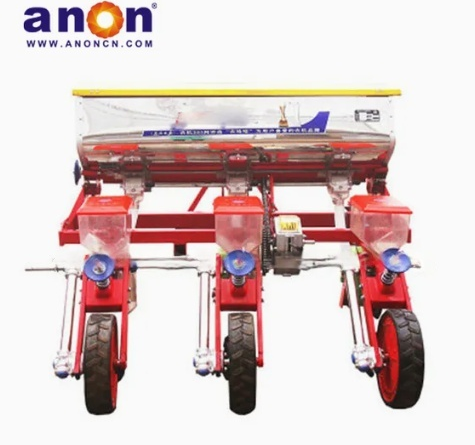
ANON Corn Seeder Machine
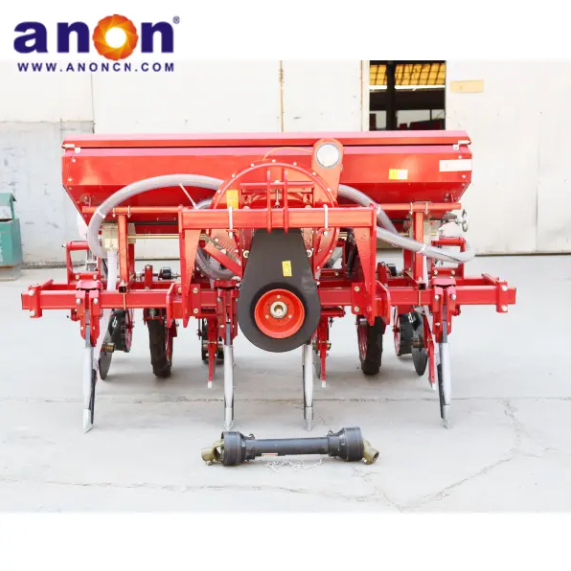
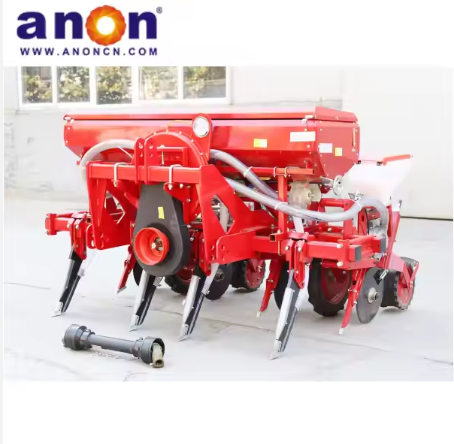
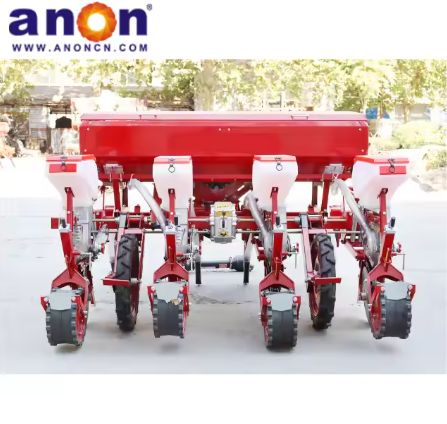
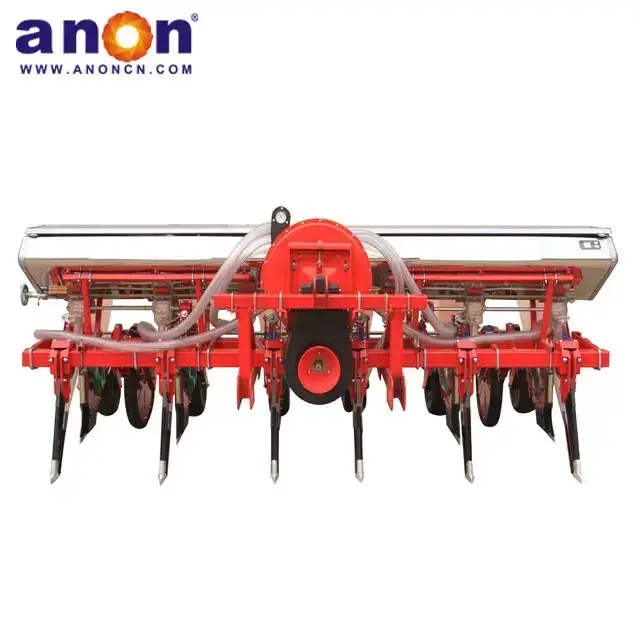
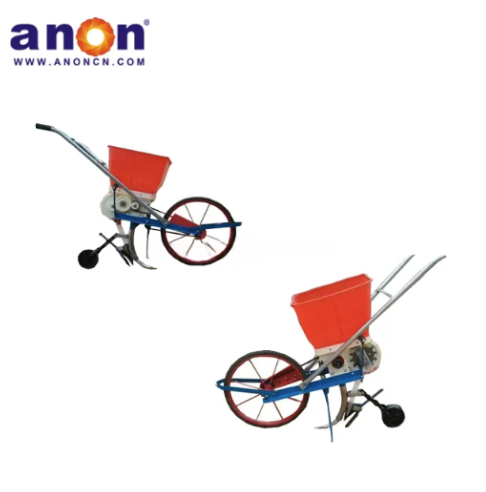
Corn seeder machines are specialized, high-quality agricultural machinery designed specifically for corn cultivation. Models include push-type and overhead types, suitable for diverse planting scenarios such as hilly areas, small plots, plains, and heavy clay soils. They meet the needs of large-scale planting, achieving precision sowing and integrated seed-fertilizer application. High sowing efficiency and excellent results lay the foundation for uniform, strong corn seedlings, lodging prevention, and high yields.
ANON has been deeply involved in the agricultural industry, committed to providing satisfactory machines to customers worldwide. We continuously innovate and develop different machines. Please feel free to contact us with any needs!





Our Products
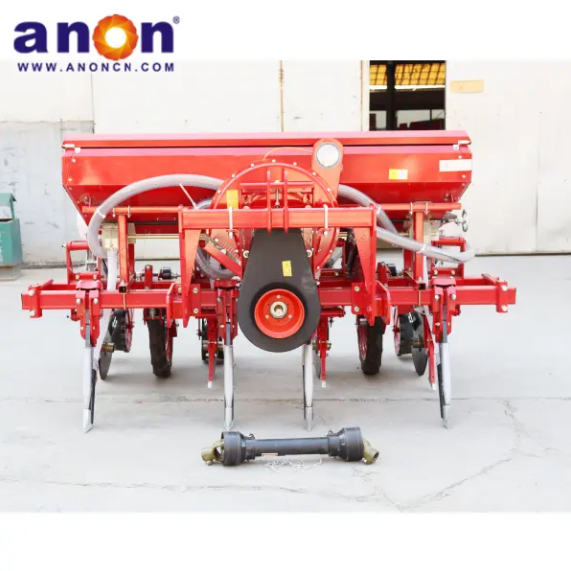
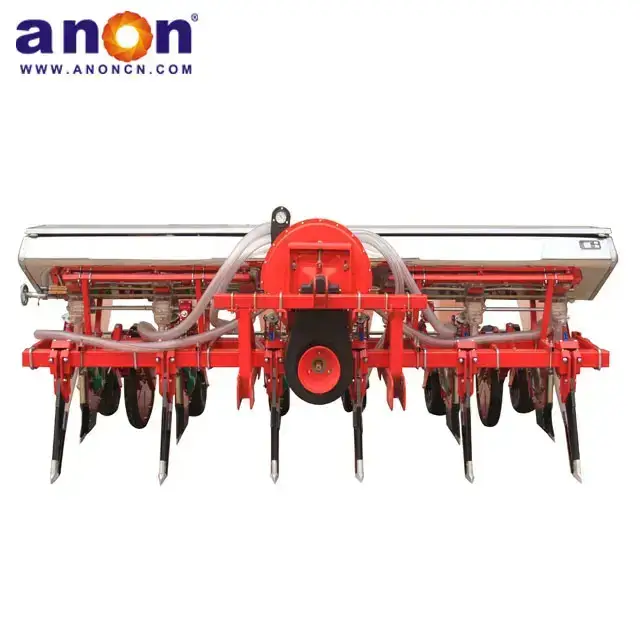
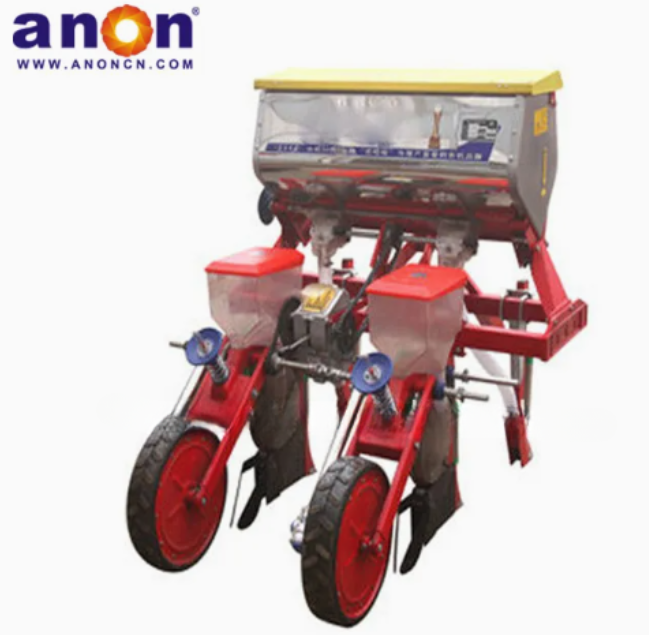
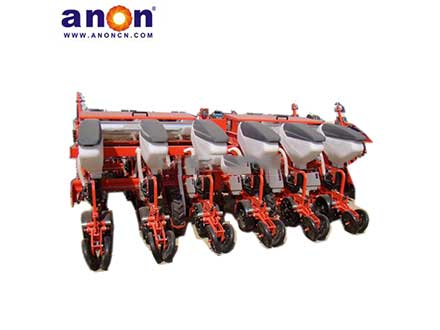
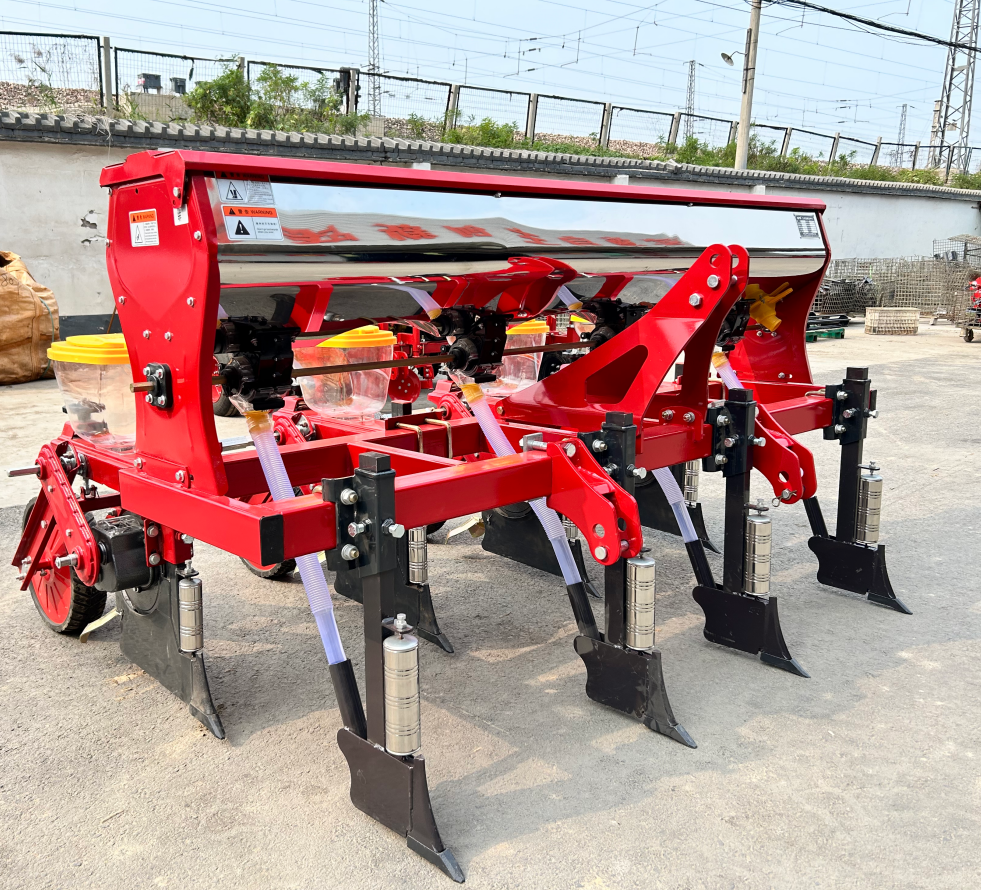
Multifunctional
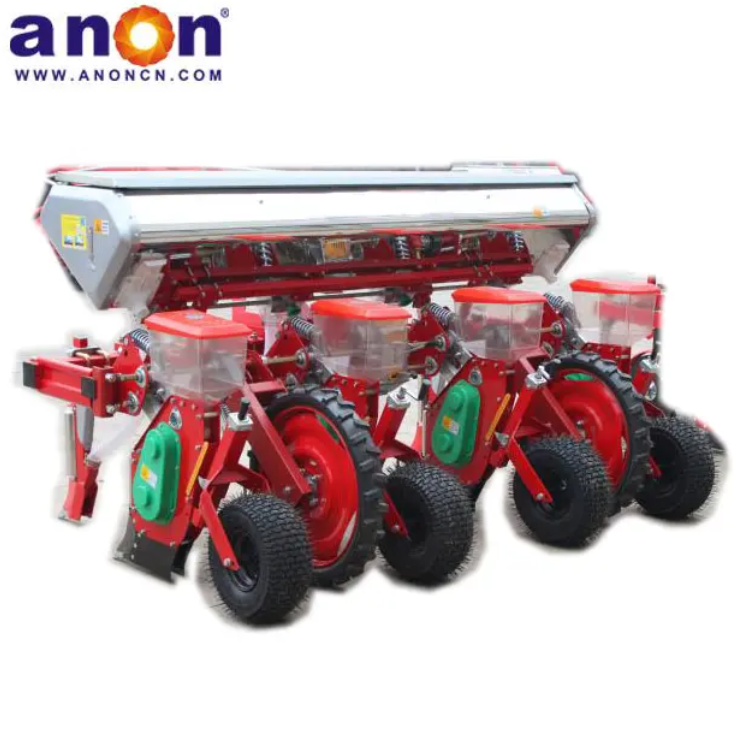
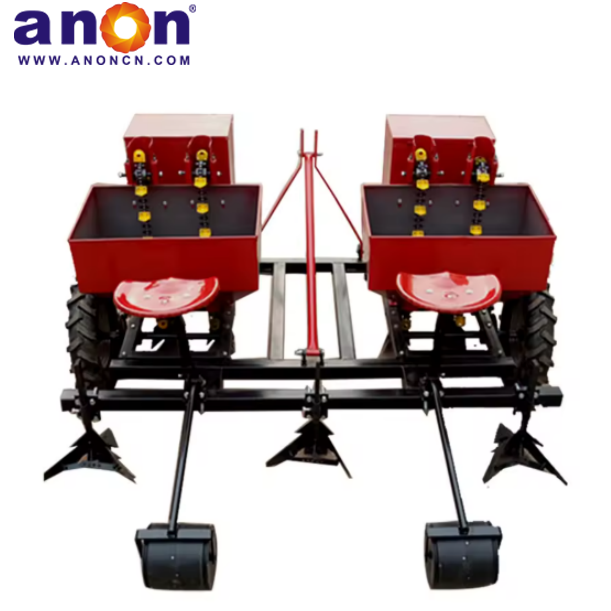
ANON corn planters can complete ditching, fertilizing, sowing, covering, and compacting in one operation. Equipped with standard independent seed and fertilizer bins, the seed and fertilizer are delivered separately with precisely adjustable spacing to prevent seedling burn. Simultaneous seed and fertilizer application reduces subsequent fertilization work, avoids repeated soil compaction, protects soil structure, and improves planting efficiency. Some models also integrate film laying and drip irrigation tape laying functions, enabling multi-purpose operations. For example, the AN2BYF-4 no-till corn fertilizer planter can simultaneously complete fertilizing, ditching, sowing, straw covering, and compaction, improving soil fertility, reducing costs, and increasing operational efficiency.
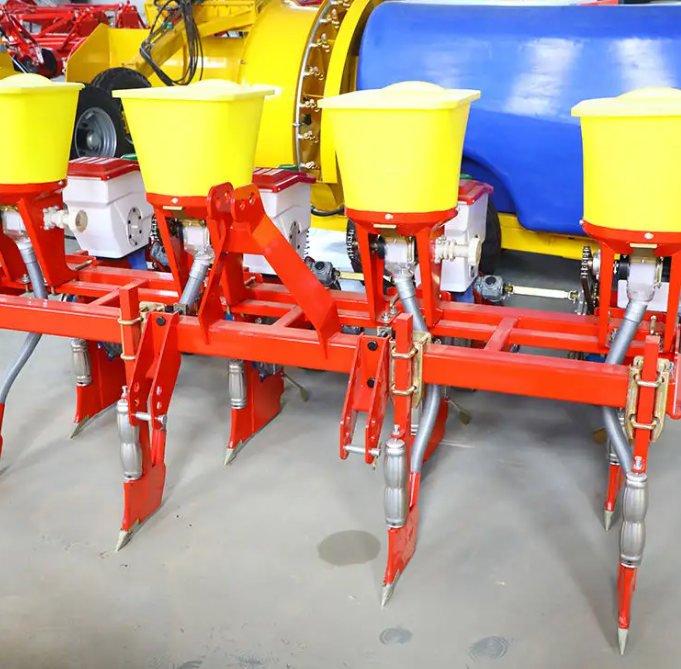
High Sowing Precision
The ANON corn seeder machine uses a corn-specific seed metering device, such as a grooved wheel type, finger clamp type, spoon wheel type, or air suction type, which conforms to the characteristics of corn kernels, preventing seed jamming and threshing, resulting in extremely low rates of missed and replanted seeds. It supports single-seed and double-seed precision sowing as needed, and the plant spacing can be adjusted in multiple settings from 20 to 40 cm to adapt to different corn planting requirements. The sowing depth can be precisely adjusted to 2-5 cm, with consistent sowing depth across all rows. Combined with a soil covering and compaction device, it prevents seed suffocation and exposure, ensuring high germination rates and perfectly meeting the agronomical requirements of corn cultivation.
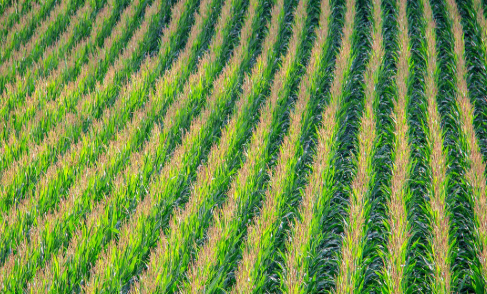
High-quality sowing
ANON corn seeder can completely solve the problems that may occur with manual sowing, such as uneven plant spacing, inconsistent row spacing, inconsistent sowing depth, and incomplete soil covering. They achieve uniform plant spacing, consistent row spacing, consistent sowing depth, separation of seeds and fertilizer, and tight soil covering in corn planting. After emergence, corn seedlings are uniform, strong, and evenly spaced, reducing the manual input required for subsequent thinning and replanting. Uniform row and plant spacing is beneficial for tillering during the seedling stage, ventilation and light penetration in the middle and late stages, and grain filling, laying a core foundation for high and stable corn yields. Compared to manual sowing, both emergence rate and later grain filling rate are significantly improved.
A Wide Range of Models
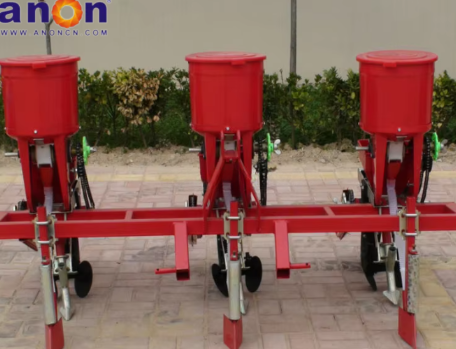
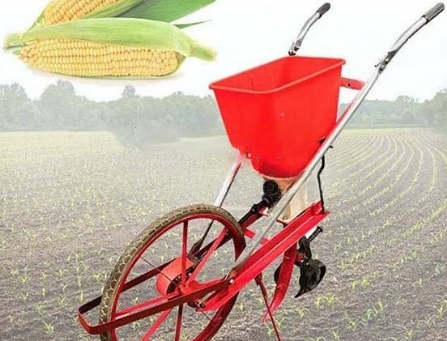
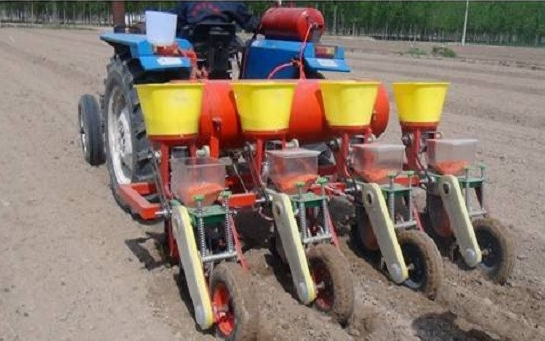
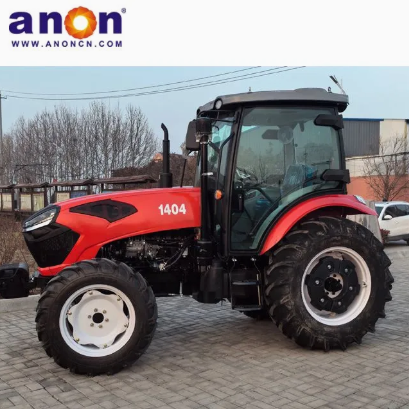
ANON corn seeder machine offers a full range from light to heavy-duty models, suitable for various planting scenarios. The compact push-type corn planter is ideal for small, scattered plots of land up to 5 acres in hilly areas, family gardens, etc.; the self-propelled walk-behind corn planter is more efficient than the push type. The tractor-mounted corn planter can be easily attached to a four-wheel tractor, making it ideal for medium-sized farms. Based on the seed metering device, they can also be categorized as fluted wheel corn planters, air-suction corn planters, and finger-clamp corn planters. In terms of structure and function, no-till corn planters are designed for conservation tillage, equipped with an anti-tangle furrow opener and straw-clearing device, eliminating the need for pre-plowing. Mid-to-high-end models feature a contour-following frame structure, better adapting to uneven terrain and ensuring consistent planting accuracy and soil coverage.
Robust and Durable Structure
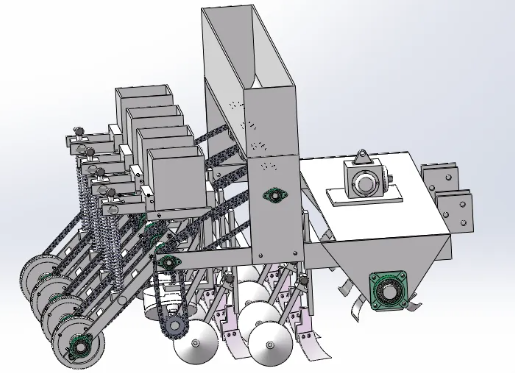
The ANON corn seeder machine frame is welded from thickened steel, easily handling impacts from stones and clods of soil in the field. It effectively resists impact and deformation, adapting to complex field conditions, and is easy to maintain. The furrow opener uses a wear-resistant alloy arrow-shaped shovel or disc design, ensuring smooth furrowing without soil accumulation in heavy clay soils and compacted plots. The seed and fertilizer delivery pipes are made of anti-aging plastic material, making them less prone to damage and blockage. The machine has no complex precision parts; routine maintenance only requires cleaning the seed and fertilizer boxes, unblocking the pipes, and checking and replacing the furrow opener when necessary, making it very simple and easy to operate.
Highly adaptable
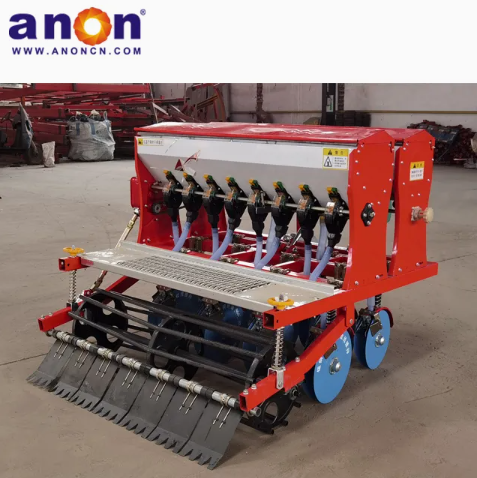
ANON corn seeder machines are highly versatile and require minimal modification. Simply changing the seed metering unit allows for precision planting of soybeans, sorghum, millet, mung beans, and other miscellaneous grains, covering planting needs across spring, summer, and autumn. Suitable for spring planting of corn, summer planting of miscellaneous grains, and autumn planting of oilseeds, they can be used year-round, breaking the limitations of single-crop planting and significantly improving the equipment’s annual utilization rate. Different models are suitable for different plots of land, whether plains, hills, small plots, or large plains; we have corresponding models to recommend. If you are interested, please feel free to contact us!
Related Products
FAQ
The target planting density for non-irrigated fields is 14,000 plants, and the target planting density for irrigated fields is 22,000 plants. The seed rate for corn should be between 10 and 15 pounds per acre. Planting more corn per acre does not necessarily increase the number of ears of corn because sometimes dense corn stalks do not produce ears of corn.
Ideally, the depth should not exceed 2 to 2.25 inches if soil moisture is adequate. If seeded too deep and soil moisture is adequate, emergence may be delayed, further exposing the corn seed to various stresses (e.g., disease, insect pests, etc.).
The production cost per acre of corn is expected to be $856, down 3.6%, and the production cost of soybeans is expected to be $613 per acre, down 1.4%. Among the major field crops, wheat is expected to have the lowest production cost at $416 per acre, down 2.3%.
Missing planting and double planting problems during corn planter operation mainly stem from three aspects: equipment, operation, and seeds. The solutions are as follows: Regarding equipment, if there are issues such as worn seed metering wheels/clamps, jammed seed metering devices, uneven pressure of the suspension monomers, or inconsistent furrow opener heights, worn seed metering components need to be replaced promptly, debris inside the seed metering device needs to be cleaned, the pressure of the suspension monomers needs to be standardized, and the furrow opener heights need to be recalibrated. Regarding operation, if the problem is caused by inconsistent tractor speed or failure to raise the planter when turning at the end of the field, the tractor should be driven at a constant speed, avoiding sudden acceleration/braking, and the planter should be raised in advance when turning at the end of the field. Regarding seeds, if the problem is caused by damp, clumped seeds or uneven seed size, qualified corn seeds that have been dried and screened should be used, and clumped seeds should be crushed and sieved before use.
If, after sowing, the soil is not properly compacted, the seeds are exposed, and the compaction roller is not compacted, the following solutions can be found by adjusting the soil covering and compaction components: First, check the angle of the soil covering plate and adjust it downwards slightly to increase the amount of soil covering and ensure that the seeds are completely covered by the soil; then, calibrate the height of the compaction roller and press it down appropriately, while adjusting the compaction pressure according to the soil type—increase the pressure on sandy soil or dry land, and reduce the pressure on heavy clay soil to avoid compaction; if the compaction roller has air leakage or cracked rubber rings, inflate it or replace it in time to ensure full contact with the ground; if the field is covered with straw, the straw around the planting furrow should be cleared first before covering and compacting the soil to prevent the straw from obstructing the soil covering and causing incomplete compaction.