



A new combine harvester can cost anywhere from under $10,000 to $700,000, depending on factors such as harvesting capacity, crop configuration, header, engine power, technology, and brand.
In this guide, you will learn:
- What factors affect the cost of a combine harvester
- The total cost of owning a combine harvester
- How renting compares with buying a new or used combine harvester
- How to choose a combine harvester that offers the right value for your needs
New vs. Used Combine Harvester: Price and Cost Comparison
| Factor | New Combine Harvester | Used Combine Harvester |
|---|---|---|
| Purchase price | Higher upfront cost | Lower upfront cost |
| Machine condition | New | Depends on age and working hours |
| Maintenance | Usually lower at the beginning | Potentially higher |
| Repair risk | Lower for a new machine | Higher if poorly maintained |
| Technology | Latest features available | May have older technology |
| Warranty | Usually available | May be limited or unavailable |
| Depreciation | Higher initial depreciation | Lower remaining depreciation |
| Financing | More financing options may be available | Depends on seller/condition |
| Best for | Large farms, long-term use, new technology | Buyers with limited budget or lower annual usage |
New Combine Harvester: Cost and Benefits
Why a new combine cost more?
A new combine harvester usually costs more because you are paying for a machine with no previous operating history, lower initial repair risk, and a longer expected service life. The purchase price also include a manufacturer’s warranty and access to current technical support, depending on the supplier.
What you can get from buying a new Combine harvester?
For farms planning to use the machine for many harvesting seasons, the higher upfront investment can provide more predictable operating costs during the early years. A new combine harvester also be more suitable when you need more advanced configuration or plan to use the machine intensively in the long run.
However, the higher purchase price and faster initial depreciation should be considered when calculating the total cost of ownership.
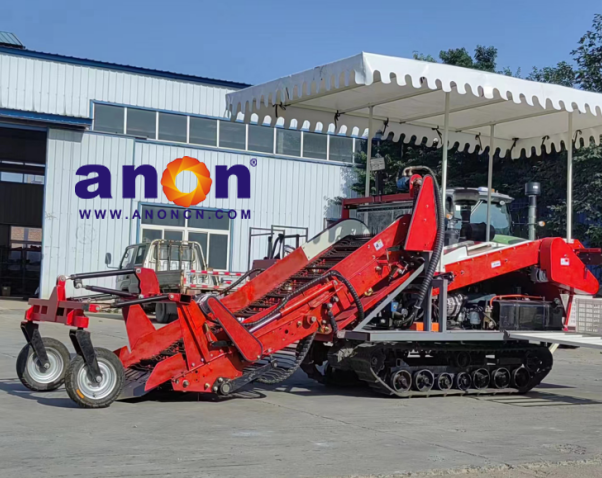
Used Combine Harvesters Buying Guide
A used combine harvester can be a cost-saving option if you choose a machine that matches your farming needs and is in good working condition. However, the purchase price alone does not tell you whether a used combine is a good investment.
Before buying, pay close attention to the machine’s age, operating hours, maintenance history, and previous working conditions. These factors can tell you much more about its actual condition than the asking price.
What Should You Be Aware of When Buying a Used Combine Harvester?
Use the following checklist when inspecting a used combine harvester:
- Age and operating hours: A newer used combine is not necessarily in better condition. Check both the machine’s age and total operating hours. A machine that has harvested heavily for several seasons may have more wear than one with fewer working hours.
- Maintenance history: Ask for maintenance records whenever possible. Regular replacement of filters, belts, lubricants, and other wear parts indicates that the combine has been properly maintained.
- Engine condition: Engine problems can result in substantial repair costs. Check for abnormal noise, excessive smoke, oil leaks, overheating, or difficulty starting.
- Threshing system condition: Inspect the threshing, separation, and cleaning systems for excessive wear or damage. These components directly affect harvesting performance, grain quality, and grain loss.
- Header condition: Examine the header, cutter bar, reel, auger, gathering components, and other working parts for wear or damage. A worn header may require additional repair or replacement costs.
- Tires or tracks: Check tires for cracks, uneven wear, and remaining tread. For tracked combines, inspect the tracks, rollers, and undercarriage for excessive wear. These parts can be expensive to replace.
- Electronics and controls: Test the dashboard, sensors, monitors, control systems, lights, and other electronic components. Older used combines may have outdated electronics or components that are harder to replace.
- Previous working environment: Find out where and what crops the combine was previously used to harvest. Machines operated in muddy fields, dusty environments, steep terrain, or under intensive harvesting conditions may experience different levels of wear.
The key is to compare the purchase price with the machine’s expected repair, maintenance, and operating costs. A suitable used combine harvester can significantly reduce your initial investment, but choosing based only on the lowest price can lead to higher costs later.
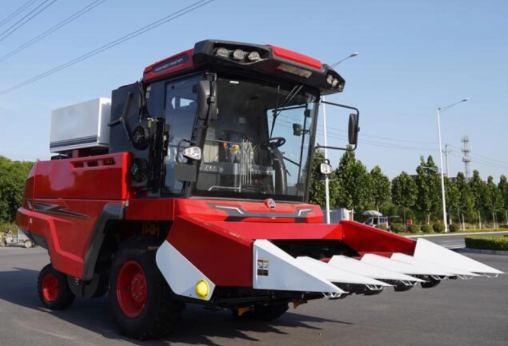
Combine Harvester Price by Type
The price of a combine harvester varies by crop type because each machine requires different harvesting and crop-handling systems. The star rating below indicates the relative price level of each combine harvester type; actual prices can vary depending on capacity, configuration, brand, technology, and other specifications.
- Grain Combine Harvester — ★★★☆☆: Designed for wheat, barley, oats, and other grains, with prices varying mainly by capacity, header size, and configuration.
- Rice Combine Harvester — ★★★☆☆: Built for harvesting rice in often wet and muddy paddy fields, with price affected by capacity, track configuration, and harvesting performance.
- Corn Combine Harvester — ★★★★☆: Uses specialized corn headers, with optional husking and threshing devices available on some models, which can increase the overall price.
- Soybean Combine Harvester — ★★★★☆: Designed to efficiently cut, thresh, and clean soybeans while reducing grain loss, with price depending on capacity and configuration.
- Sugarcane Harvester — ★★★★★: Designed for cutting, cleaning, and collecting sugarcane, with optional cane chopping devices that can further increase the machine cost.
- Cotton Harvester — ★★★★★: Specialized for cotton picking and collection, with the price affected by harvesting capacity and whether baling and wrapping equipment is included.
- Vegetable Harvester — ★★★☆☆: Prices vary widely depending on the specific vegetable and harvesting mechanism, from relatively simple machines to highly automated systems.
- Silage / Forage Harvester — ★★★★☆: Used to cut and chop forage crops such as corn and grass, with optional baling and wrapping equipment adding to the overall cost.
What Other Factors Affect Combine Harvester Prices?
- Capacity: Higher harvesting capacity usually means a higher price because the machine needs larger and more powerful harvesting, threshing, cleaning, and grain-handling systems.
- Engine Power: A more powerful engine generally increases the price, especially when it is designed to drive larger harvesting and processing systems under heavy workloads.
- Cutting Width: A wider cutting width allows the combine to cover more area in each pass, but larger headers and related components usually increase the overall machine cost.
- Header: The type, width, and configuration of the header can significantly affect price. Specialized headers for rice, corn, soybean, or other crops may cost more than standard grain headers.
- Grain Tank: A larger grain tank increases harvesting efficiency by reducing the frequency of unloading, but it also requires a larger overall machine structure and can increase the purchase price.
- Technology: GPS guidance, automatic steering, yield monitoring, intelligent controls, sensors, and other electronic systems can increase the initial cost of a combine harvester.
- Brand: Different manufacturers have different pricing based on equipment quality, technology, after-sales support, warranty, and brand positioning.
- Feeding System: The feeding system transfers harvested crops from the header into the threshing system. Full-feed combine harvesters are generally more common, while half-feed combines can have a higher price because of their more specialized feeding and harvesting configuration.
- Travel System: Wheeled and tracked combine harvesters have different costs. Tracked / Crawler harvester typically have a higher purchase price and can also involve higher maintenance and replacement costs, although they can provide better performance and flotation in soft or muddy fields.
Does Combine Harvester Price Change During Harvest Season?
Combine harvester prices can be affected by seasonal demand, but the actual change varies by crop, region, machine type, and local supply.
- Supply and demand: When many farmers need harvesting equipment at the same time, limited supply can push purchase or rental prices higher.
- Peak harvest periods: Prices and rental rates may be less flexible when demand is high and fewer machines are available.
- Different crops and regions: Harvest seasons vary for wheat, rice, corn, soybean, and other crops, so demand peaks at different times in different regions.
- Buying vs. rental: Rental prices are often more sensitive to short-term seasonal demand, while purchase prices depend on broader factors such as inventory and market conditions.
- When demand is highest: Demand is typically strongest shortly before and during the local harvest season. Buying earlier gives you more time to compare machines, prices, and configurations.
Buying vs. Renting a Combine Harvester
The decision to buy or rent a combine harvester should not be based on the rental or purchase price alone. The key question is how often you can use the machine. If you grow several crops with different harvesting seasons and have a relatively large farming area, renting may allow you to use a combine during different periods of the year without having to purchase several machines for different crops. Even when rental demand is lower, sharing or renting equipment can be more economical than keeping multiple harvesters that sit unused for most of the year.
On the other hand, if your farm is not very large and you mainly grow one or a few crops with a predictable harvest period, buying a small combine harvester may provide much higher utilization. If you can use the machine regularly over many seasons, the cost per acre or hectare can gradually become lower than repeated rental costs.
In short, the higher your utilization of a single combine harvester, the more sense buying may make. If the machine would remain idle for most of the year, renting can provide greater flexibility and avoid the cost of owning underused equipment.
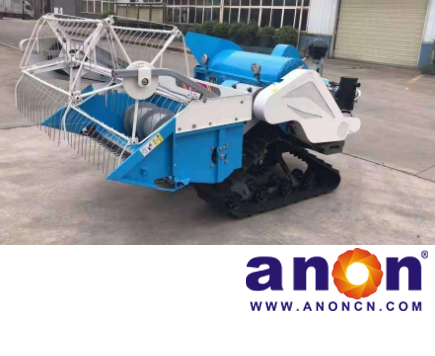
mini crawler type harvester with seat
What Is the Total Cost of Owning a Combine Harvester?
The total cost of owning a combine harvester is much higher than its purchase price. When calculating the long-term cost of a combine harvester, you should consider both the initial investment and the expenses required to keep the machine operating throughout its service life.
- Purchase cost: The purchase price is usually the largest initial expense. A new combine harvester generally costs more upfront, while a used machine can reduce the initial investment but may require more maintenance or repairs.
- Fuel: Fuel consumption can become a major operating expense, especially when the combine is used for large areas or long harvesting hours. Engine power, harvesting capacity, field conditions, and workload all affect fuel consumption.
- Maintenance: Regular maintenance includes changing engine oil and filters, lubricating moving parts, and replacing normal wear components. Proper maintenance helps reduce unexpected downtime and extend the working life of the machine.
- Repairs: Belts, chains, bearings, hydraulic components, tires, tracks, and harvesting systems may eventually need repair or replacement. Older used combine harvesters generally require more attention.
- Depreciation: A combine harvester loses value as it ages and accumulates operating hours. Depreciation should therefore be included when comparing the long-term cost of buying and owning a machine.
- Insurance and storage: Depending on your location, insurance may be required or recommended. You may also need a suitable storage area to protect the combine from weather and reduce deterioration when it is not in use.
For this reason, when comparing combine harvester prices, look beyond the initial purchase cost and estimate the total cost over the years you expect to use the machine.
How to Choose the Right Combine Harvester
A good combine harvester buying guide should help you match the machine to your crops, farm size, working conditions, and budget. When learning how to choose a combine harvester, consider the following factors.
Crop Type
Choose a combine designed for your main crop. Rice, corn, soybean, and wheat may require different headers, threshing systems, and configurations.
Farm Size
Your farm size determines how much machine capacity you actually need. A large combine may provide higher productivity, but it may not be economical for a small farm with limited annual harvesting hours. The best combine harvester for small farms is usually one that can be used efficiently without unnecessary capacity.
Harvesting Capacity
Consider the area you need to harvest and how quickly the work must be completed. Higher combine harvester capacity can shorten harvesting time, but usually comes with higher purchase, fuel, and maintenance costs.
Field Conditions
Consider soil, terrain, field size, and moisture conditions. Tracked combines can be more suitable for wet or muddy fields, while wheeled models may work well on firmer ground and provide easier road transportation.
Budget
Look beyond the purchase price. Fuel, maintenance, repairs, depreciation, insurance, storage, and transportation can all affect the total cost of ownership. Choose a machine that fits both your initial and long-term budget.
Spare Parts and After-Sales Service
Check whether spare parts and technical support are readily available in your area. Easy access to parts and service can reduce downtime and make combine harvester ownership more reliable over the long term.
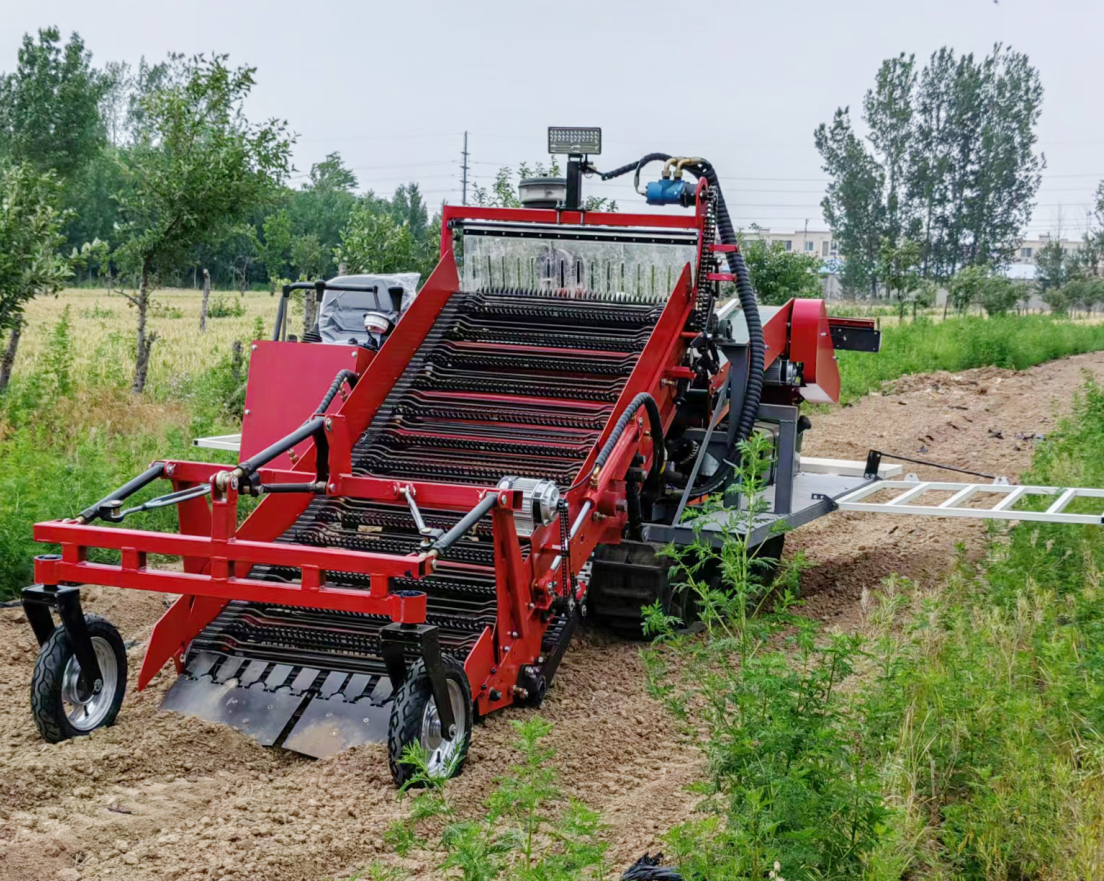
How to Reduce Combine Harvester Costs
To reduce combine harvester cost, compare different machine configurations and choose a combine harvester capacity that matches your actual workload. A well-maintained used machine can also be an affordable combine harvester option. Besides the purchase price, compare fuel consumption, maintenance, repair, and spare parts costs to find a cost-effective combine harvester. Planning your purchase early can also give you more choices.
ANON Combine Harvester Options
ANON provides combine harvester solutions for different crops and farming applications. Our range includes machines designed for rice, corn, soybean, and other grain harvesting, with different capacities and configurations to match farm size, field conditions, and harvesting requirements.
If you are unsure which machine fits your crop, farm size, or budget, contact ANON with your requirements. We can help you compare suitable configurations and provide a combine harvester solution for your operation.