



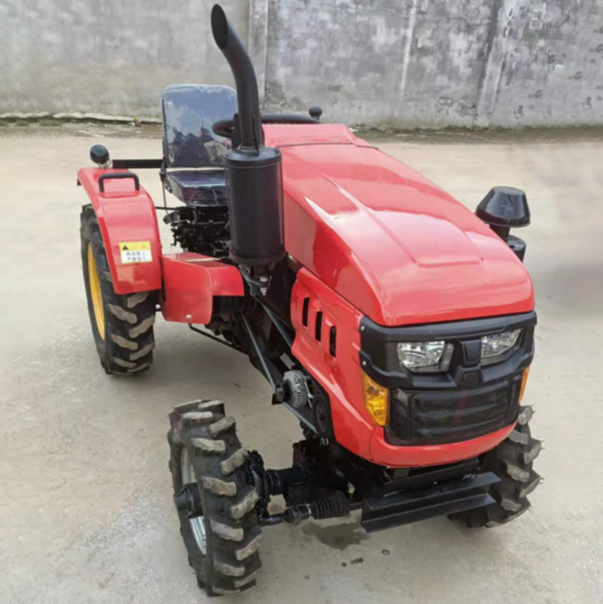
Small Tractor
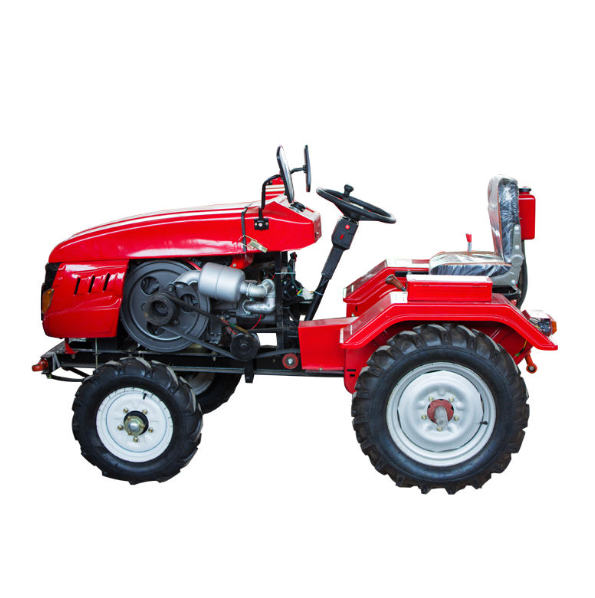
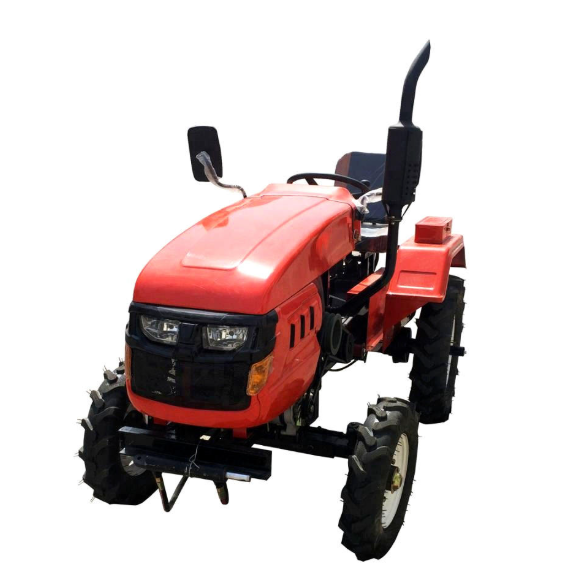
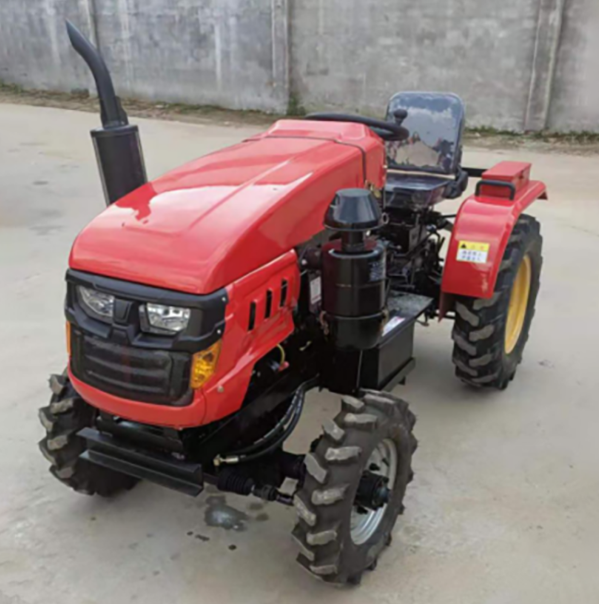
The small tractor has a compact and flexible body structure and is mainly used to replace traditional human or animal labor and improve agricultural production efficiency.
1. Gasoline and diesel models for you to choose from.
2. Small turning radius and flexible operation.
3. The structure is simple, and the operational difficulty is not high.
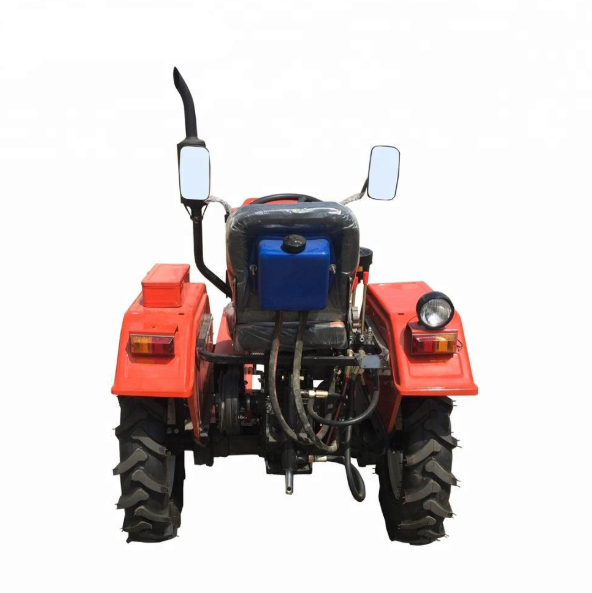
4. The three-point suspension device is convenient for connecting various agricultural tools.
5. Rear PTO power output shaft, driving agricultural tools to work.





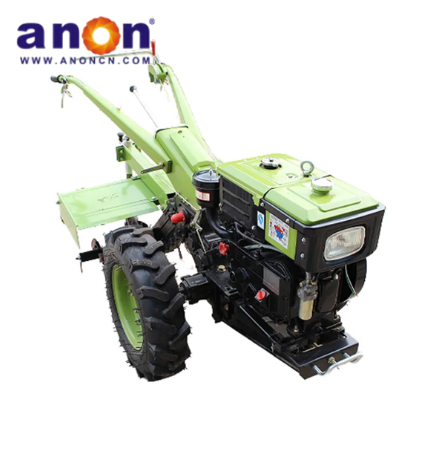
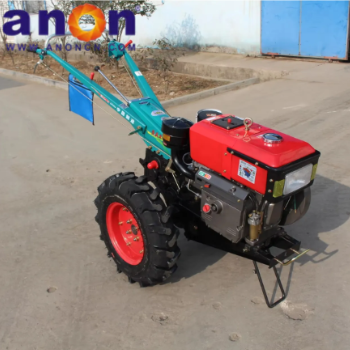
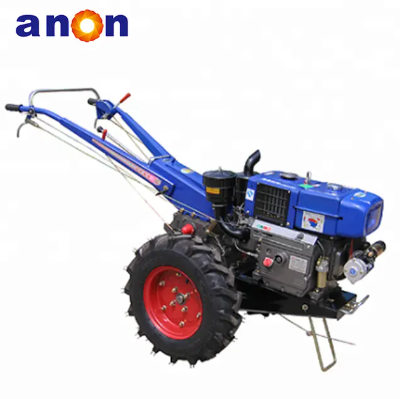
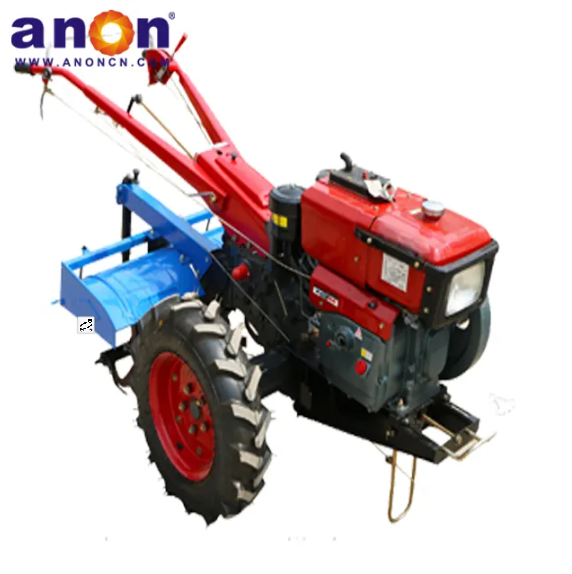
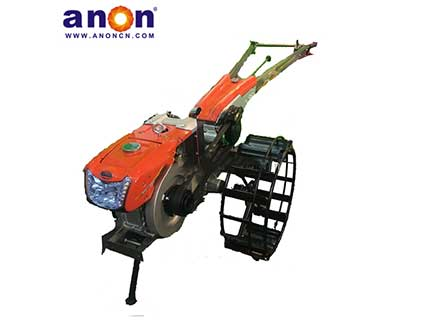
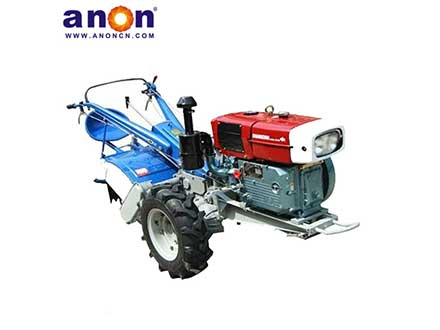
Small Tractor
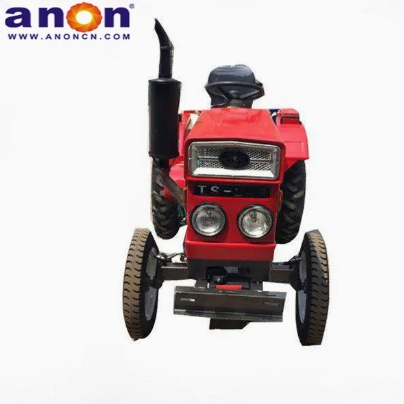
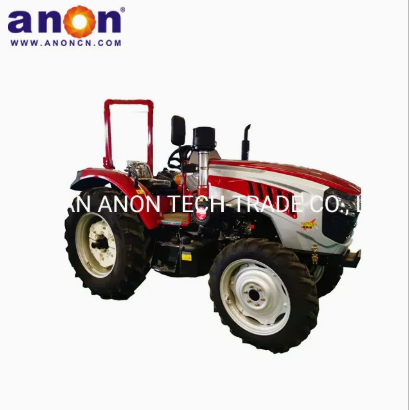
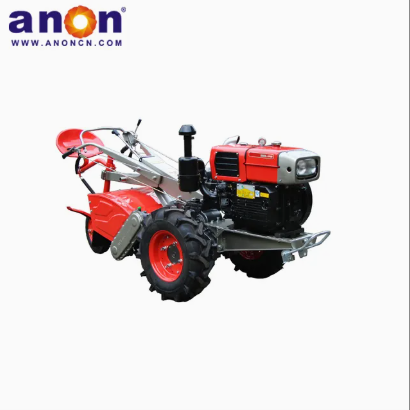
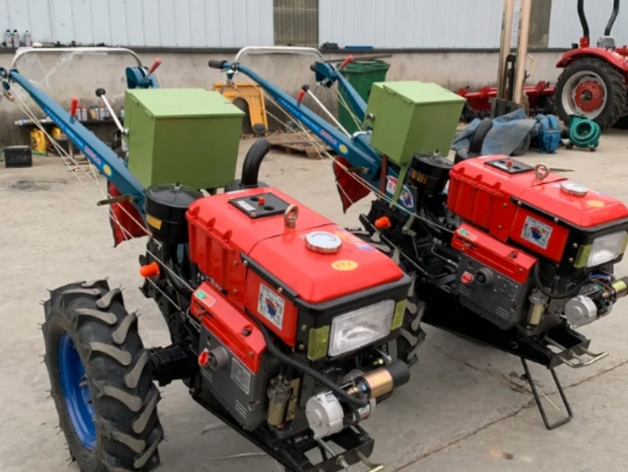
Compact Size
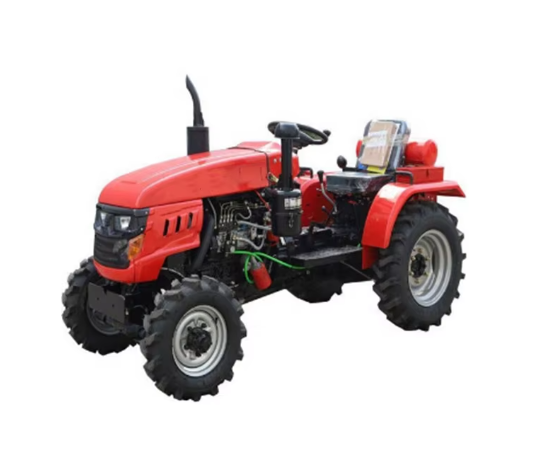
ANON’s small tractors feature a narrow body, short wheelbase, and small turning radius, allowing for easy maneuverability even in mountainous terraces and scattered plots, making them highly adaptable. Their compact size eliminates concerns about soil compaction or damaging seedlings during fieldwork, making them particularly suitable for vegetable gardens, orchards, and nurseries. They retain soil moisture well, promote more developed root systems, and are beneficial for crop growth, making them more suitable for precision planting than heavy machinery. You can easily navigate and maneuver in areas inaccessible to large agricultural machinery, such as greenhouses, orchards, vineyards, vegetable gardens, terraces, and backyards, without worrying about scratching trellises, fruit trees, or damaging seedlings. They are especially suitable for small, irregular plots, where tasks that previously required manual labor can now be handled by a single small tractor, truly mechanizing facility agriculture and enabling operations such as rotary tillage, mowing, and fertilization.
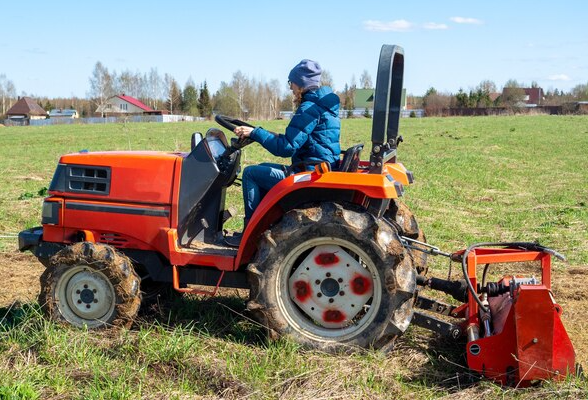
Powerful Functionality
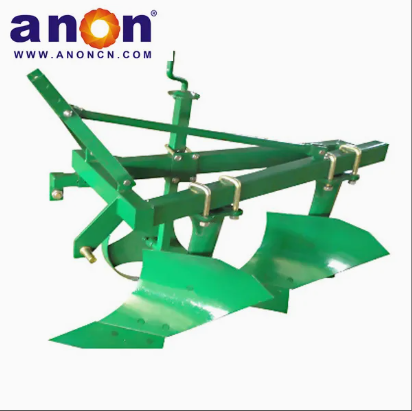
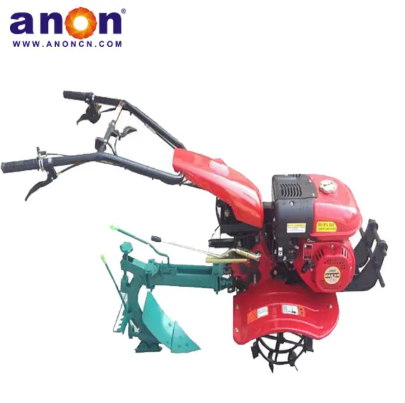
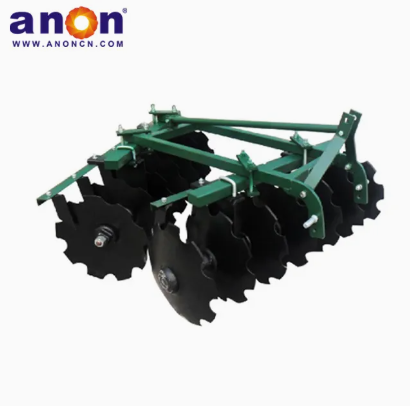
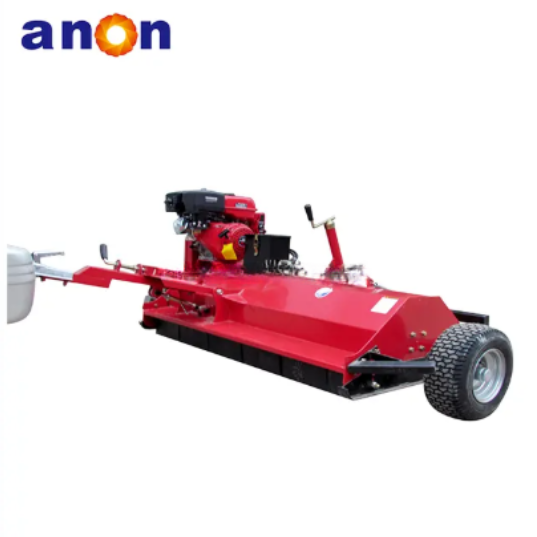
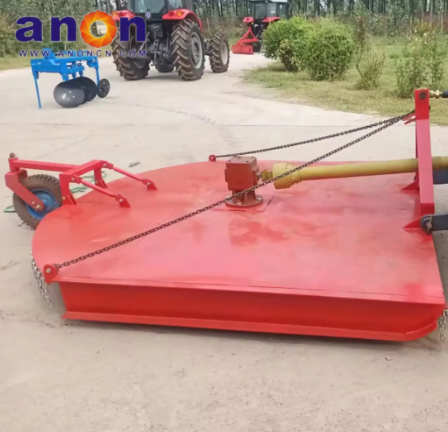
Although compact in size, the ANON mini tractor is incredibly versatile. Equipped with standard three-point suspension and power output, it can easily drive rotary tillers, seeders, ridging machines, ditchers, mulching machines, weeding wheels, trailers, and other agricultural implements. It can handle tilling, sowing, fertilizing, weeding, ridging, hauling, and pumping water. Simply pair it with implements that match its horsepower, and it will complete the corresponding tasks. With a rotary tiller, it becomes the mainstay for tilling and preparing the land; with a lawnmower, it’s a great helper for orchard weeding; with a trailer, it’s a small truck for field transport. From tilling and preparing the land to sowing and fertilizing, from field management to transportation, one small tractor with several implements can cover all agricultural tasks throughout the year, maximizing equipment utilization.
High Cost-performance
ANON small tractors are affordable because of their small size and reasonable materials, making them significantly cheaper than medium and large tractors. Compared to large machinery, the investment burden is smaller; you only need a small investment to get a multi-functional machine with a quick return on investment. For small-scale growers and family farms, part of the investment can be recovered in one operating season. The small-displacement engine has low fuel consumption, saving you a lot on fuel costs. For small and medium-sized users with low workloads, the operating costs are even lower. However, using small tractors for agricultural production is much more efficient than manual labor.
Simple Structure
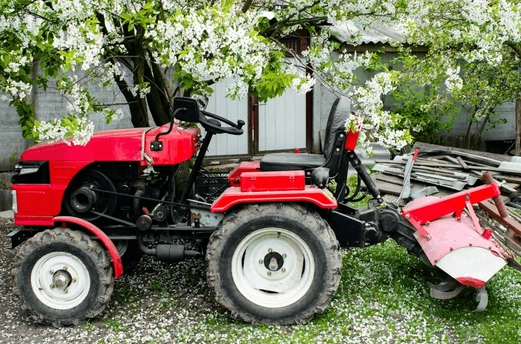
ANON small tractors feature a simple, uncomplicated structure, making them robust, durable, and resistant to breakdowns. The overall design is clean and simple, with sealed bearings and a reinforced frame, ensuring wear resistance and stability even under high-intensity operation year-round. Maintenance is simple; many common faults can be diagnosed and resolved by yourself, resulting in extremely low repair costs. For example, a clogged air filter can be easily cleaned, and a loose belt can be tightened. Many easily damaged small parts are readily available and interchangeable, making replacement convenient. Maintenance is easy and requires minimal trips to a repair shop, saving time and effort.
Application and Using Tips
FAQ
If your land is measured in thousands of acres, you need a full-size tractor. If your land is between 1 and 100 acres, consider buying a compact or subcompact tractor. A small tractor is essential for homeowners and DIY enthusiasts who own one to multiple acres of land.
4,000 to 5,500 hours
Understanding the lifespan of a tractor is key to making an informed purchasing decision and getting the most out of it. The average tractor provides 4,000 to 5,500 hours of reliable service, and some high-quality models can exceed 10,000 hours if properly maintained.
If your tractor is difficult to start, you can check the following steps one by one: First, check if the battery power is low. If it is low, charge or replace the battery immediately. Second, check if there is fuel in the fuel tank and if the fuel lines are clear. If the fuel is low, add fuel; if the fuel lines are blocked, clean the lines and filter. If starting in cold weather, turn on the preheat switch and wait for the preheat indicator light to go out before starting the engine. Additionally, check if the clutch pedal is fully depressed, if the gear lever is in neutral, and if the power take-off (PTO) switch is off, as these safety switches not resetting can also cause starting problems. Checking and resolving these issues in sequence usually solves the starting difficulty.
Black smoke from a tractor engine is usually an indication of incomplete combustion. Common causes and solutions are as follows: If the load is too heavy, reduce the load or use a lower gear; if the air filter is clogged, clean or replace it promptly; if the fuel quality is poor, replace it with clean fuel that meets standards; if the above checks are ineffective, it may be an internal fault, such as poor fuel injector atomization or inaccurate fuel injection timing, requiring inspection at a professional repair shop. The black smoke problem must be addressed promptly, otherwise, increased carbon buildup will lead to decreased power, increased fuel consumption, and even engine damage.
Safety is always the top priority when operating a small tractor. Before inspecting or maintaining the machine, always turn off the engine and remove the key to ensure it cannot be started accidentally. Before starting each time, remember to look around to make sure there is no one around or behind the vehicle, especially children. Only the driver should sit in the driver’s seat while the tractor is in motion; never carry passengers on the trailer. When engaging the power take-off shaft (PTO), ensure the protective cover is intact to prevent clothing from getting caught. When going downhill with a heavy load, always engage a low gear and use engine braking; never coast in neutral, as this is extremely dangerous. When working on slopes, avoid driving sideways to prevent tipping over. Always turn off the engine when refueling, and smoking is strictly prohibited in the vicinity. Regularly clean up grass clippings and oil stains around the engine and exhaust pipe, and always keep a fire extinguisher on the vehicle, just in case.