



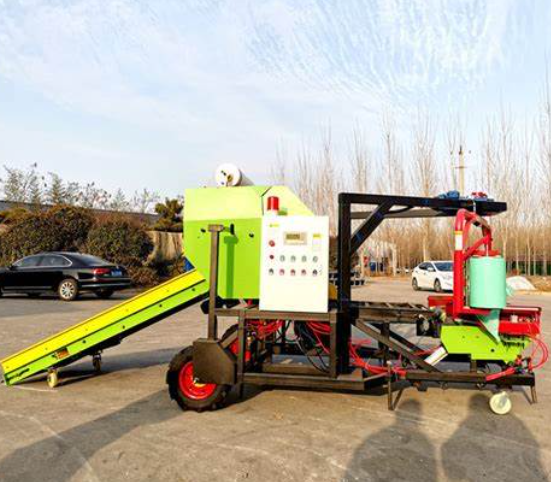
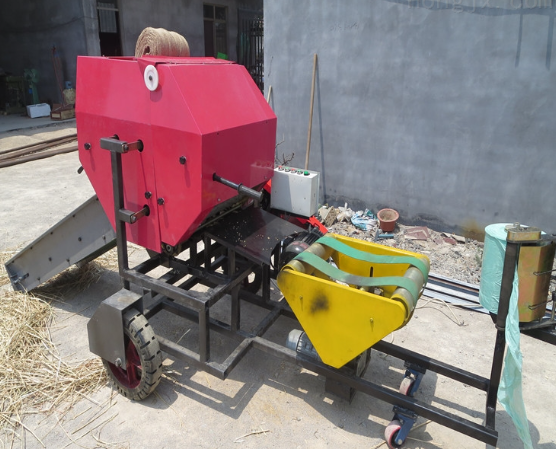
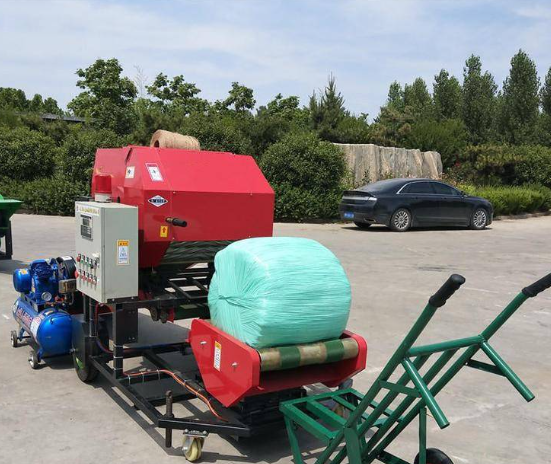
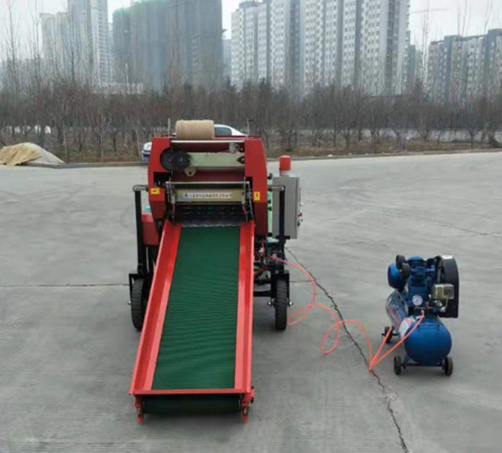
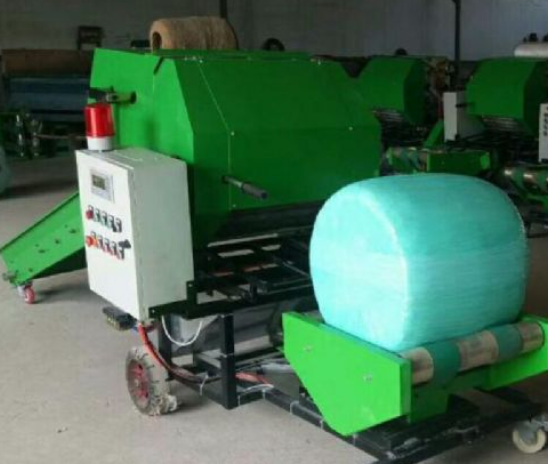
Bale Wrapping Machine
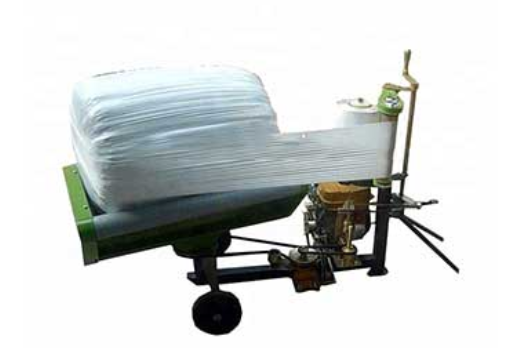
The bale wrapping machine is an agricultural machinery and equipment that integrates bundling and wrapping functions, which is mainly used to compress and bundle crop wastes such as straw, straw and pasture, and seal and wrap with plastic film to achieve long-term preservation and efficient utilization of feed.
1. High degree of automation, integrated baling and wrapping, simplifying the wrapping process.
2. Fast wrapping speed and high work efficiency.
3. High bale density and tight bundling.
4. Excellent sealing performance of the wrapping film, effectively preventing air and moisture from entering the bales.
5. Wide range of applications, suitable for a variety of crop straws.
Our Products
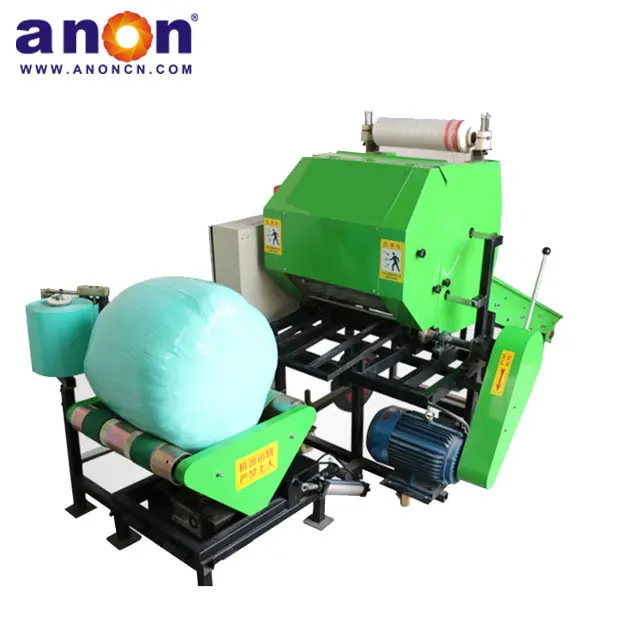
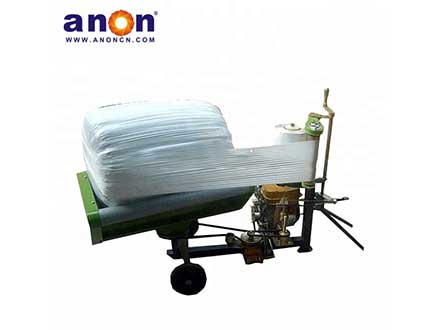
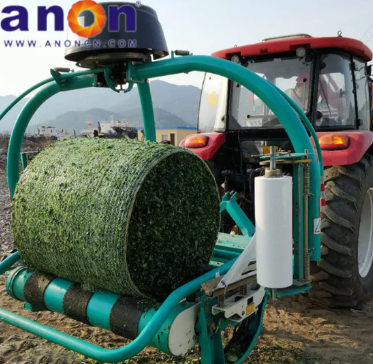
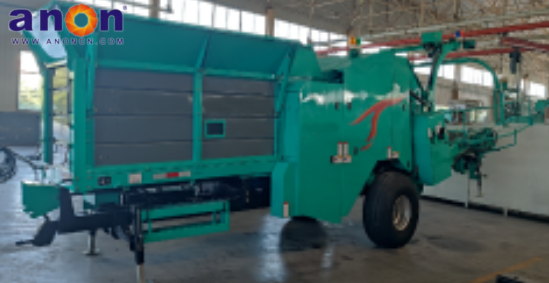




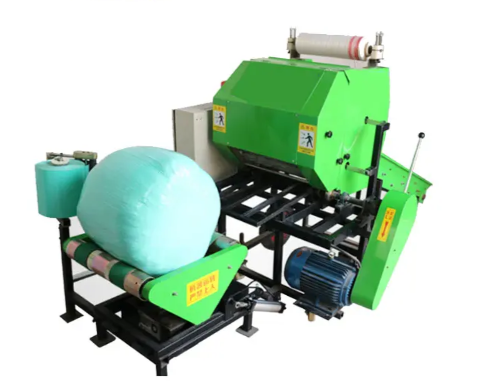
Efficient and Convenient
The bale wrapper employs an advanced transmission system and optimized structural design, enabling a highly efficient and swift baling process that significantly boosts productivity. Our dual-arm wrapping machine wraps bales with two arms encircling the straw, allowing for continuous, non-stop operation that doubles efficiency. Its compact structure navigates easily through fields and farmland, enabling on-site processing wherever harvesting occurs—eliminating the need for additional site investments.
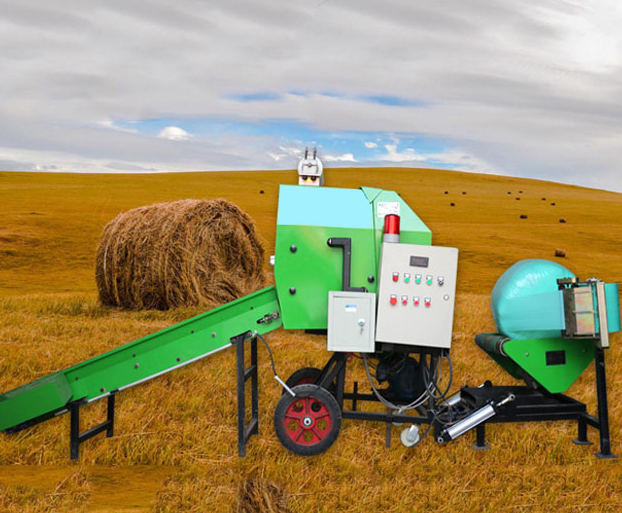
Simple Operation
The bale wrapping machine features an automated control system with a straightforward design and intuitive operation, reducing skill requirements for operators. From bale pickup and compression to wrapping, the entire process is fully automated. A single operator can effortlessly handle tasks previously requiring multiple workers, boosting efficiency and reducing labor costs.
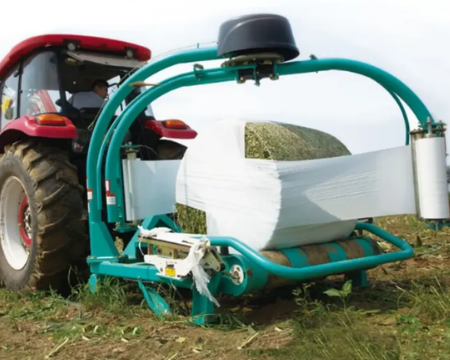
High-quality feed
The sealed bales create a perfect anaerobic environment. Through ultra-high-density baling and comprehensive tight wrapping, air is effectively isolated, preventing moisture and nutrient loss while providing optimal conditions for lactic acid fermentation. Silage exhibits high dry matter and vitamin retention rates, maintaining superior nutritional value. Thorough fermentation enhances palatability, significantly boosting livestock intake. The sealed bales prevent secondary fermentation, extending storage duration while simplifying transportation and storage. This approach minimizes risks of mold growth and physical damage.
Wide adaptability
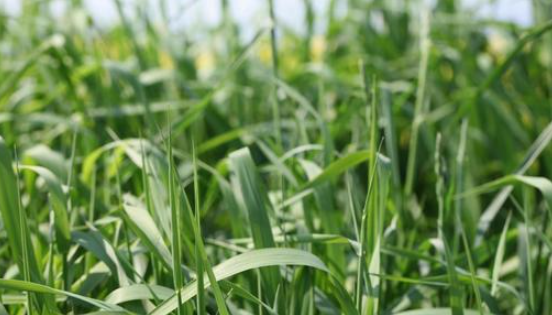
Our bale wrapping machine can handle different crops and needs. For example, for the corn straw, alfalfa, and ryegrass, after being wrapped, the wrapping machine can achieve anaerobic fermentation and retain nutrients. For dry materials such as dry straw, hay, rice husks, peanut seedlings, etc., they can be effectively protected from mildew and mold after being coated by the coating machine, making them easier to store. At the same time, our baling and coating machines support the adjustment of bale specifications to adapt to different storage spaces such as warehouses, open-air stacking, and subsequent uses.
Related Products
FAQ
The average cost to bale medium to large round bales is $12.70 per bale, and the average cost to bale large round bales is $13.81 per bale. The average cost to wrap large round bales in plastic bags is $3.40 per bale, and the cost to transport them to the barn is $4.67 per bale.
Most mainstream models are compatible, but two details should be considered: If silage is your primary feed source, prioritize models with a chopping function. This allows you to chop the straw before baling, shortening the silage fermentation time and improving the palatability of the feed. Also, ensure the sealability of the film.
If dry straw is your primary feed source, focus on the strength of the rope or net. Because dry straw is very hard, you need to use stretch-resistant nylon rope to prevent breakage during baling. Choosing a chopping function is unnecessary, which can reduce equipment costs.
Bales are placed on the bale wrapper’s saddle or table and pushed forward by a pusher, allowing producers to continuously wrap each bale into a long tube. This saves producers time and money by eliminating the need for additional manual labor and reducing the cost of plastic wrapping.
Safe operation is paramount, and three key points should be kept in mind:
1. Pre-start inspection: Confirm that all equipment components, such as the compression cylinder, film wrapping turntable, and pulleys, are not loose, that there is sufficient lubricating oil in the gearbox and bearings, and that there are no people or debris nearby to prevent them from being caught in the equipment.
2. Do not touch operating components, such as the film wrapping turntable and feed port. If material is stuck, first stop the machine and disconnect the power—remove the key or turn off the throttle—before cleaning. Do not start the machine to clean.
3. Precautions during film wrapping: If the film breaks during the wrapping process, stop the machine and re-thread it. Avoid wrapping the film around the turntable, as this may cause the turntable to jam and damage the motor.
The number of film layers depends on the material type and storage duration. The key is to ensure a sealed anaerobic environment:
Silage: Requires 3-4 layers of film (storage time 6-12 months). Insufficient layers (<2 layers) can easily cause film damage, allowing air to enter and causing mold. Excessive layers (>5 layers) increase film costs.
Dry straw: Requires 2-3 layers of film (storage time 3-6 months). This primarily serves to prevent moisture. Excessive layers are unnecessary to avoid waste.
Note: When wrapping, ensure the film fits snugly to the bale, without wrinkles or bubbles (otherwise, water and insects can easily enter).
Routine maintenance can extend the life of the equipment, providing up to 5-8 years under normal use. Three things should be done after each operation:
1. Cleaning: Use a brush or compressed air to clean any straw debris from the equipment surface, paying particular attention to the “feed port,” “film turntable gap,” and “tie mechanism” to prevent debris accumulation and blockage.
2. Inspection: Check the remaining amount of tie/film and replenish it promptly. Check the tie cutter for sharpness. If worn, sharpen it with a grinding wheel to prevent incomplete cutting.
3. Lubrication: Apply grease to the “turntable bearing,” “tie roller,” and “cylinder connecting shaft” after each operation to prevent rust.