



How to Choose a Corn Harvester: Types, Prices and Buying Guide
Choosing a corn harvester can be difficult. Different machines suit different farms and harvesting needs. You need to consider more than the purchase price. You should also look at the number of rows, running system, planting pattern, and harvesting method.
Each type has its own advantages. Understanding these differences can help you choose the right machine for your farm, control operating costs, and improve harvesting efficiency.
What Are the Different Types of Corn Harvesters?
1. Corn Harvesters by Number of Rows
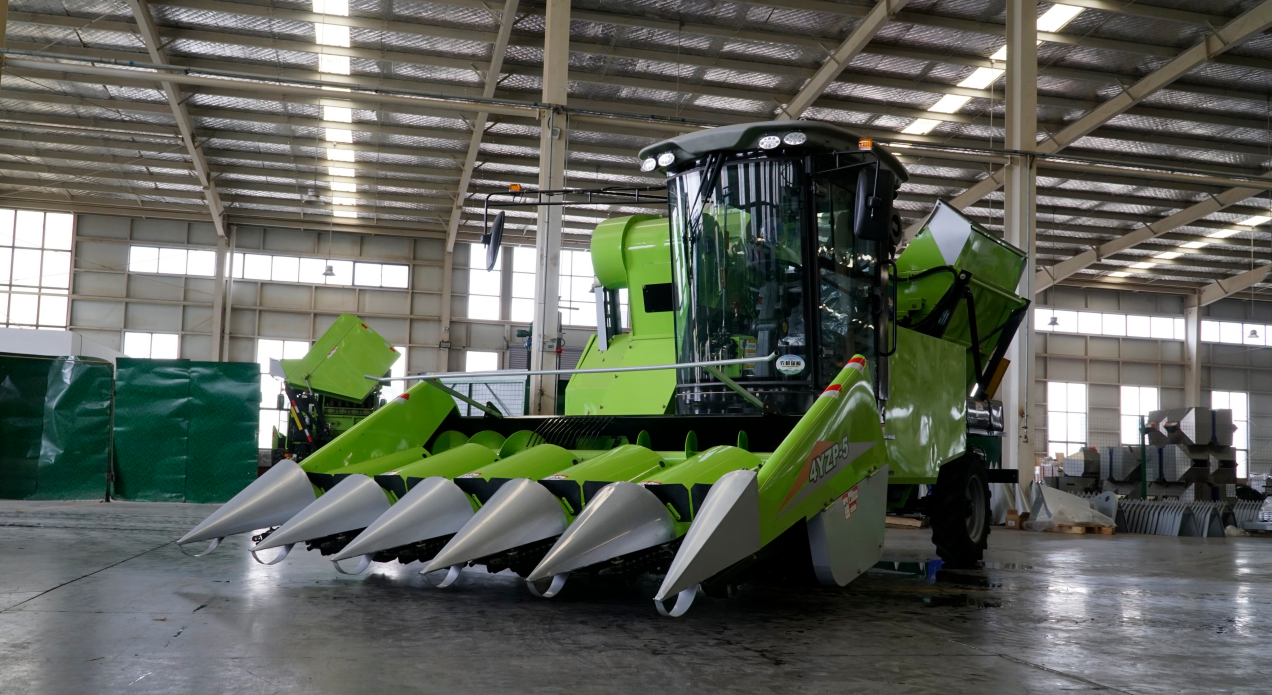
Corn harvesters come in different row configurations, such as 2-row, 3-row, 4-row, 6-row, and 8-row models. The number of rows shows how many rows of corn the machine can harvest in one pass.
In general, more rows mean higher potential working capacity. However, larger machines may also need more power, more space, and a bigger investment.
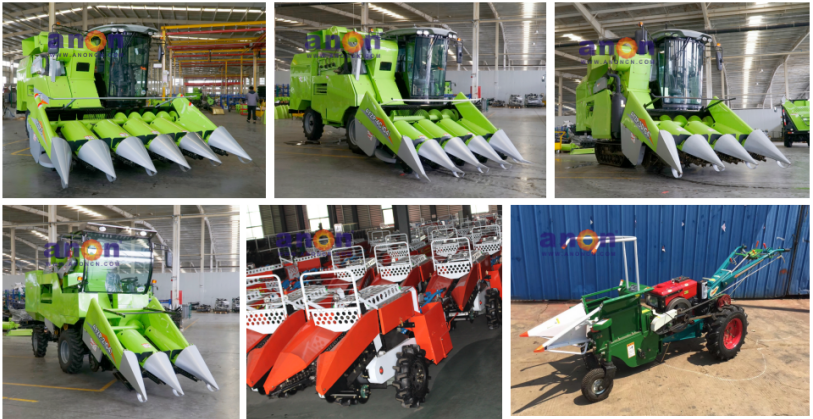
- 1-Row Corn Harvester: Designed for small farms and limited fields, a 1-row corn harvester offers a compact, cost-effective option for harvesting corn on a smaller scale.
- 2-row corn harvester: This type may suit you if you have a small farm or a limited harvesting workload. The lighter weight and size makes it more managable in small fields. It can be a practical choice when you want to keep your equipment investment under control.
- 3-row corn harvester and 4-row corn harvester: These models offer a balance between working capacity and equipment cost. You can consider them if you have a small or medium-sized farm.
- 5-row corn harvester: This type can cover more rows in each pass. It may suit you if you have a larger farm or need to finish harvesting within a short period.
- 6-row and 8-row and larger corn harvester: These machines are designed for very high-capacity operations. You should consider them if you have enough land, suitable field conditions, and the budget to support a larger machine.
Before choosing a model, check your planting area and harvesting schedule. Also, consider your corn row spacing and power requirements. A machine with more rows is not always the best choice. You need a model that can finish your work on time without adding unnecessary costs.
2. Wheeled vs. Tracked Corn Harvesters
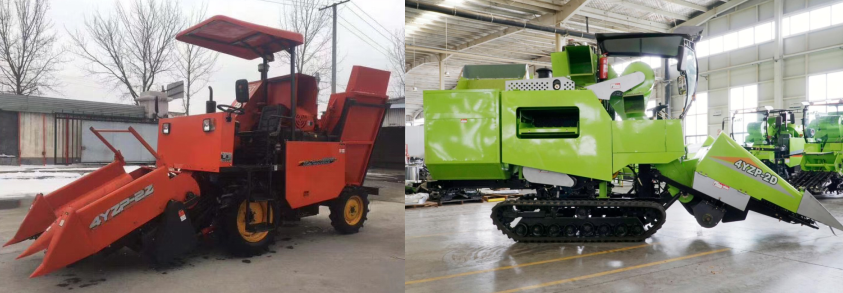
Corn harvesters use either wheels or tracks to move across the field. Each option has its own advantages. Your choice depends on soil conditions, field terrain, transportation needs, and maintenance costs.
| Comparison | Wheeled Corn Harvester | Tracked/Crawler Corn Harvester |
|---|---|---|
| Ground conditions | Works well on firm, stable ground | Can be more suitable for soft or wet soil |
| Traction | Depends on tire design and ground conditions | Often provides better traction on challenging ground |
| Ground pressure | Depends on machine weight, tires, and tire pressure | Often has lower ground pressure |
| Field mobility | Suitable for many common field conditions | Can perform well in fields where traction is a concern |
| Transportation | Often easier to move on suitable roads | May require more planning for road transportation |
| Maintenance | Requires regular tire and wheel maintenance | Requires track and tensioning system inspections |
| Best for | Farms with firm ground and convenient transportation needs | Farms that often work on soft soil or need better traction |
Which type should you choose?
If your fields have firm soil and you need to move between fields frequently, a wheeled corn harvester may be a practical choice. If you often work on soft or wet ground, a tracked model may offer better traction and help reduce ground pressure.
Before making a decision, consider your field conditions, transportation needs, and maintenance budget. You should also check the manufacturer’s specifications, as performance varies by model.
3. Row-Independent vs. Row-Dependent Corn Harvesters
Some corn harvesters need to follow the planted rows closely. Others are designed to work with less dependence on exact row alignment. This difference affects how well the machine fits your planting method.
Row-dependent corn harvesters need to match your corn row spacing and planting pattern. You must check the spacing between the harvesting units before you buy – the header spacing usually can be adjust to fit your crop spacing. This type can work well if you plant corn in regular rows with consistent spacing.
Row-independent/ non-row corn harvesters are designed to rely less on precise row alignment. Depending on the header design, they may give you more flexibility when planting rows vary or are difficult to follow.
However, row-independent does not mean you can ignore planting patterns. Crop density, fallen plants, and field conditions can still affect harvesting performance. You should also check the manufacturer’s specifications to understand the machine’s limits.

Before making a decision, compare the header design with your planting method. If your corn rows have consistent spacing, a row-dependent model may meet your needs. If you need more flexibility, consider a row-independent design that suits your crop conditions.
4. Self-Propelled vs. Walk-Behind Tractor vs. Tractor-Pulled Corn Harvesters
These machines work with a compatible tractor and may cost less than self-propelled models. They can be a practical choice if you already own a suitable tractor. Before buying, check the tractor’s horsepower, PTO, and hydraulic requirements.
Self-Propelled Corn Harvesters
These machines have their own engine and drive system. They offer independent operation and may provide higher harvesting capacity, but usually require a larger investment.
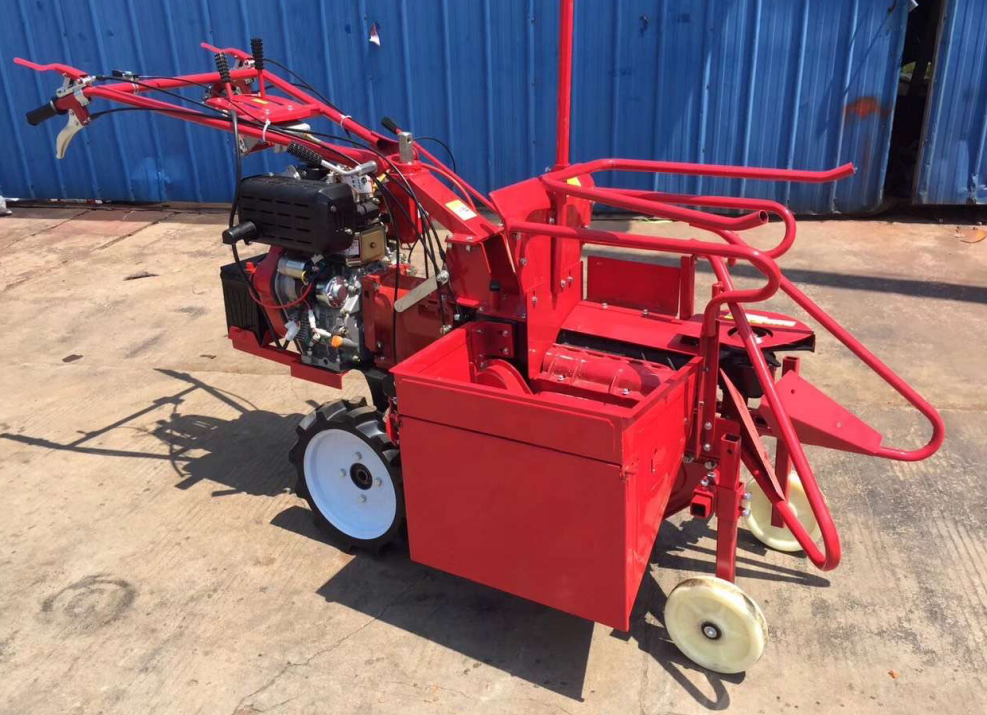
Walk-Behind Tractor Corn Harvesters
These harvesters work with a compatible walk-behind tractor. They are compact and may suit small farms with limited budgets and narrow fields. Before buying, check tractor compatibility and the machine’s harvesting capacity.
Tractor-Pulled Corn Harvesters
These machines work with a compatible tractor and may cost less than self-propelled models. They can be a practical choice if you already own a suitable tractor. Before buying, check the tractor’s horsepower, PTO, and hydraulic requirements.
Which Type Should You Choose?
Choose a self-propelled model for larger harvesting workloads. If you farm on a smaller scale and already own a compatible walk-behind tractor, a matching harvesting attachment may be a more economical option.
5. Corn Ear Harvesters vs. Corn Grain Harvesters
Corn harvesters also differ in what they collect. Some machines harvest whole corn ears. Others separate the kernels during harvesting. Your choice depends on how you plan to use or sell your corn.
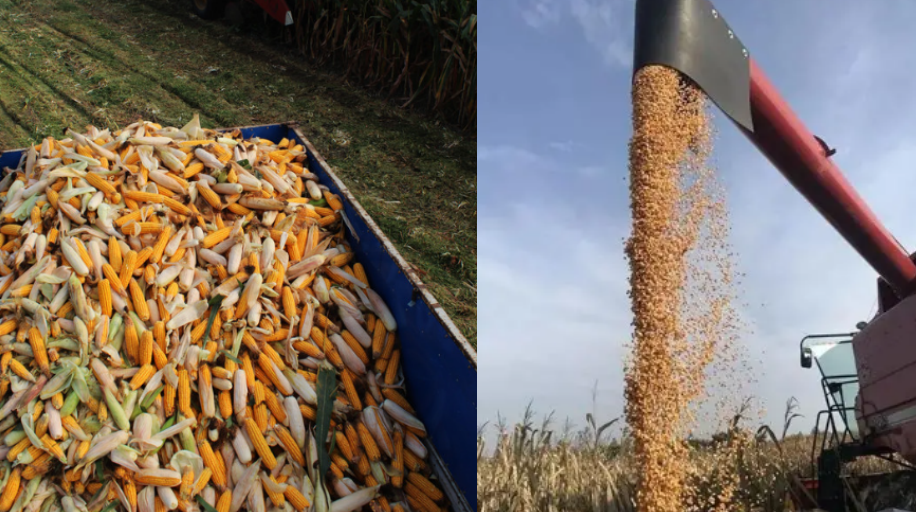
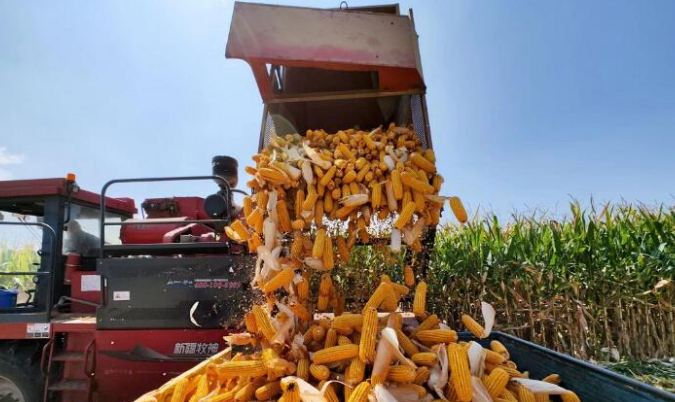
Ear corn harvesters collect corn ears from the stalks. Some models also remove the husks. Others may require additional processing after harvesting. If you need to sell whole ears or already have separate shelling equipment, this type may suit your operation.
Before buying, check whether the machine includes a husking function. You should also consider how you will collect, transport, store, and shell the harvested ears.
Corn grain/kernel harvesters are designed to collect corn kernels directly. A corn combine harvester typically gathers the crop, removes the kernels from the cobs, separates the grain, and cleans it inside the machine.
This can save you a separate shelling step. It may be a good choice if you sell or store corn as grain. When comparing models, check harvesting capacity, grain loss, kernel damage, cleaning performance, and grain tank capacity.
Which type is right for you? If you need whole corn ears, a corn ear harvester may be a better fit. If you need corn kernels for sale, storage, or further processing, a corn grain harvester may be more suitable. If you harvest corn for animal feed or silage, you should also consider a dedicated forage harvester.
Summary: How to Choose the Right Type of Corn Harvester
Each type of corn harvester meets a different need. The number of rows affects working capacity. Wheels and tracks affect field mobility. Row-dependent and row-independent designs differ in how they match your planting pattern. Corn ear and corn grain harvesters produce different outputs.
Before you buy, consider your farm size, field conditions, planting method, available power, and intended use of the harvested corn. Compare these factors with your budget and harvesting schedule.
The right machine is not always the largest or most expensive one. You should choose a corn harvester that fits your actual needs and helps you work efficiently without unnecessary costs.
How Much Does a Corn Harvester Cost?
The price of a corn harvester varies widely depending on its type and capacity. As a general estimate, small tractor-mounted corn harvesters may cost around $5,000–$15,000, mid-size self-propelled models around $25,000–$70,000, and large, high-capacity machines can cost $100,000–$300,000 or more. These are indicative price ranges, not fixed quotations; actual prices vary by specifications, manufacturer, and market.
More important than the price itself is understanding what determines the cost. The number of rows, engine power, harvesting capacity, header design, and built-in functions all affect the final price. You should also consider maintenance, spare parts, shipping, and after-sales support. Compare these factors to find a corn harvester that fits your farm’s needs and budget。
What Factors Affect Corn Harvester Prices?
Several factors can affect the price of a corn harvester. Understanding them helps you compare different models and choose the right machine for your farm.
- Number of harvesting rows: Machines with more rows generally have higher working capacity. They may also require more power and a larger investment.
- Wheeled or tracked design: The running system affects the machine’s design, field performance, and maintenance needs. Compare both options based on your field conditions.
- Header design: Row-dependent and row-independent headers have different designs and operating requirements. Make sure the header matches your planting method.
- Harvesting functions: Some machines collect whole corn ears, while others thresh and clean the kernels during harvesting. Additional functions can affect the price.
- Engine and power configuration: Engine power, transmission design, and automation features can influence the overall cost.
- Brand and after-sales support: Spare parts availability, warranty terms, and technical support also matter. A lower purchase price may not mean lower costs over the machine’s service life.
When comparing quotations, check the specifications carefully. Two machines with similar prices may have different capacities and features. Choose a model that meets your harvesting needs rather than paying for functions you do not need.
New vs. Used Corn Harvesters
Should you buy a new or used corn harvester? The right choice depends on your budget, expected workload, and tolerance for maintenance risks.
| Comparison | New Corn Harvester | Used Corn Harvester |
|---|---|---|
| Purchase price | Usually higher | Usually lower |
| Machine condition | New components with no previous operating hours | Depends on usage history and maintenance |
| Maintenance costs | May be more predictable at first | May require more repairs or replacement parts |
| Spare parts and warranty | Warranty and parts support may be available | Coverage depends on the seller and machine |
| Service life | Usually offers more potential service life from the start | Depends on age, wear, and previous maintenance |
| Downtime risk | May be lower with proper maintenance and support | Can be higher if the machine has hidden problems |
A used corn harvester may help you reduce your initial investment. However, you should inspect the machine carefully before buying. Check the engine, transmission, harvesting header, threshing system, and other major components. Ask for maintenance records and confirm that spare parts are available.
A new machine may be a better option if you need reliable performance during a short harvesting season. Unexpected repairs can delay your work and increase costs.
Before deciding, compare the purchase price with the expected repair costs, remaining service life, and risk of downtime.
What Is the Total Cost of Buying a Corn Harvester?
The purchase price is only one part of your total investment. You should also consider the costs of getting the machine to your farm and keeping it running.
Equipment and transportation costs
Start with the machine price. Then check shipping costs, loading fees, insurance, import duties, and other applicable charges. If you buy from an overseas supplier, confirm the delivery terms and what the quotation includes.
Additional equipment
Some corn harvesters need a compatible tractor or other supporting equipment. You may also need trailers, grain transport vehicles, or separate shelling equipment, depending on the harvesting method.
Fuel and labor
Your daily operating costs depend on fuel consumption, working hours, labor requirements, and field conditions. Compare these costs with the machine’s actual harvesting capacity.
Maintenance and spare parts
Regular servicing, lubricants, wear parts, and repairs all add to the cost of ownership. Before buying, ask about maintenance intervals and the availability of commonly replaced parts.
Import and after-sales costs
If you import a corn harvester, check the local import requirements and applicable taxes. You should also confirm whether the supplier provides technical support, operating instructions, warranty coverage, and spare parts.
To compare different models, estimate your total costs over the expected service life. A machine with a higher purchase price may offer better value if it meets your workload and helps reduce downtime. The key is to find a machine that fits both your budget and your harvesting needs.
Some manufacturers, such as ANON, can help you arrange shipping and provide support with import procedures, along with free after-sales service. Contact ANON to learn more about available services and get a quotation for your corn harvester.
How to Choose the Right Corn Harvester for Your Farm

1. Match the Harvester to Your Farm Size and Harvesting Schedule
Consider how much corn you need to harvest and how many days you have. You can estimate your required daily capacity with this formula:
Required daily capacity = Total area to harvest ÷ Available harvesting days
Allow extra time for bad weather, transportation, and maintenance. Choose a machine that can finish your work on schedule without unnecessary investment.
2. Check Tractor Compatibility and Power Requirements
If you choose a tractor-mounted corn harvester, check your tractor’s horsepower, PTO requirements, hydraulic system, and mounting connections. Make sure your tractor can operate the machine safely and efficiently.
For a self-propelled model, focus on engine power and harvesting capacity. Always check the manufacturer’s specifications before buying.
3. Match the Harvester to Your Corn Planting Pattern
Check your corn row spacing and the number of rows you plant. Make sure the harvesting header matches your planting pattern. If your rows are not evenly spaced, consider a suitable row-independent model. Also, check whether the machine can handle your field conditions and crop height.
4. Compare Harvest Quality and Operating Costs
Do not focus on harvesting capacity alone. Check grain loss, kernel damage, and cleaning performance to understand the quality of the harvested corn. You should also compare fuel consumption, maintenance costs, and spare parts availability.
A machine with a lower purchase price may cost more to operate over time. Choose a model that balances harvesting efficiency, crop quality, and long-term costs.
How to Improve Corn Harvesting Efficiency
Efficient corn harvesting depends on more than machine capacity. The right equipment, operating speed, maintenance, and transport arrangements can help you finish harvesting on time and reduce operating costs.
Choose the Right Number of Rows
Choose a corn harvester that matches your farm size, tractor power, and field layout. A machine that is too small may not finish harvesting on schedule. An oversized machine may increase costs and make transportation between fields more difficult.
Match Harvesting Speed to Crop Conditions
Adjust operating speed to crop conditions. High moisture, lodged corn, and uneven fields may require slower operation. Follow the manufacturer’s guidelines to reduce grain loss and kernel damage.
Reduce Downtime Through Preventive Maintenance
Inspect your corn harvester before the harvest season. Check belts, blades, bearings, and other wear parts. Lubricate moving components and remove crop residue regularly. Prepare essential spare parts to reduce unexpected downtime.
Improve Unloading and Transportation
Arrange transport vehicles according to your harvesting capacity. Delayed unloading can keep the harvester waiting and reduce daily output. Plan grain collection and transportation in advance to keep harvesting operations running smoothly.
What Should You Check Before Buying a Corn Harvester?
Before purchasing a corn harvester, check these three points to make sure the machine suits your needs and can operate reliably in your area.
Check Specifications and Performance
Review the manufacturer’s specifications, including engine power, harvesting capacity, row spacing, and grain loss. Confirm that the machine suits your corn variety, crop conditions, and field layout. Do not rely on advertised capacity alone.
Confirm Spare Parts and After-Sales Support
Check whether common spare parts are available in your area. Ask the supplier for operating manuals, maintenance instructions, and technical support. You should also understand how the supplier handles faults, replacement parts, and after-sales service.
Consider Shipping and Import Requirements
If you purchase a corn harvester from China, confirm the shipping method, packaging dimensions, and transportation costs in advance. Check your country’s import regulations, customs duties, and required documents. Also, confirm whether the machine needs any additional equipment or accessories before it can be used locally.
Explore ANON Corn Harvesters
With 20 years of experience exporting agricultural machinery, ANON provides corn harvesting solutions for farms with different needs. We have established more than 100 after-sales service points across regions including Africa, Asia, and the Middle East, helping customers access local support.
Looking for a corn harvester for your farm? Contact ANON to explore suitable models, compare specifications, and get expert advice on choosing the right machine for your field conditions and harvesting needs.
Frequently Asked Questions About Corn Harvesters
1. Can a Corn Harvester Be Used for Different Corn Varieties?
Some corn harvesters can handle different corn varieties, but performance depends on plant height, stalk strength, ear size, and crop conditions. Check the manufacturer’s recommendations before using the machine with a new variety.
2. What Is the Difference Between a Corn Harvester and a Combine Harvester?
A corn harvester is designed specifically for harvesting corn. A combine harvester can handle different grain crops when equipped with the appropriate header and settings. Some corn harvesters can harvest corn kernels directly.
3. Can a Corn Harvester Work on Wet or Muddy Fields?
Some models can operate in wet field conditions, but excessive moisture and soft soil may reduce traction and increase the risk of getting stuck. Tracked models may provide better flotation on soft ground, depending on their design and ground pressure.
4. How Much Grain Can Be Lost During Corn Harvesting?
Grain loss varies with machine settings, crop maturity, operating conditions, and harvesting speed. Check for ears left in the field, kernels scattered on the ground, and grain discharged with crop residue. Proper adjustment and operation can help reduce these losses.
5. What Is the Difference Between a Corn Harvester and a Corn Sheller?
A corn harvester collects corn in the field and may also remove husks, separate kernels, or clean the grain, depending on its design. A corn sheller is used to remove kernels from harvested ears. The two machines serve different stages of corn processing.
6. Can a Corn Harvester Handle Lodged Corn?
Some models can harvest partially lodged corn, but heavily fallen crops are more difficult to collect and may increase grain loss. Performance depends on the header design, crop direction, and degree of lodging.
7. How Should Corn Be Stored After Mechanical Harvesting?
Harvested corn should be cleaned as needed and dried to a moisture level suitable for storage. Proper drying and ventilation help reduce mold growth, spoilage, and quality loss. The required moisture level depends on the intended storage period and local conditions.
8. How Often Should Corn Harvester Blades and Wear Parts Be Replaced?
Replacement intervals depend on operating hours, field conditions, crop residue, and component wear. Inspect cutting components, belts, chains, and other wear parts regularly. Follow the manufacturer’s maintenance schedule and replace damaged parts before they affect harvesting performance.